CN
-
-
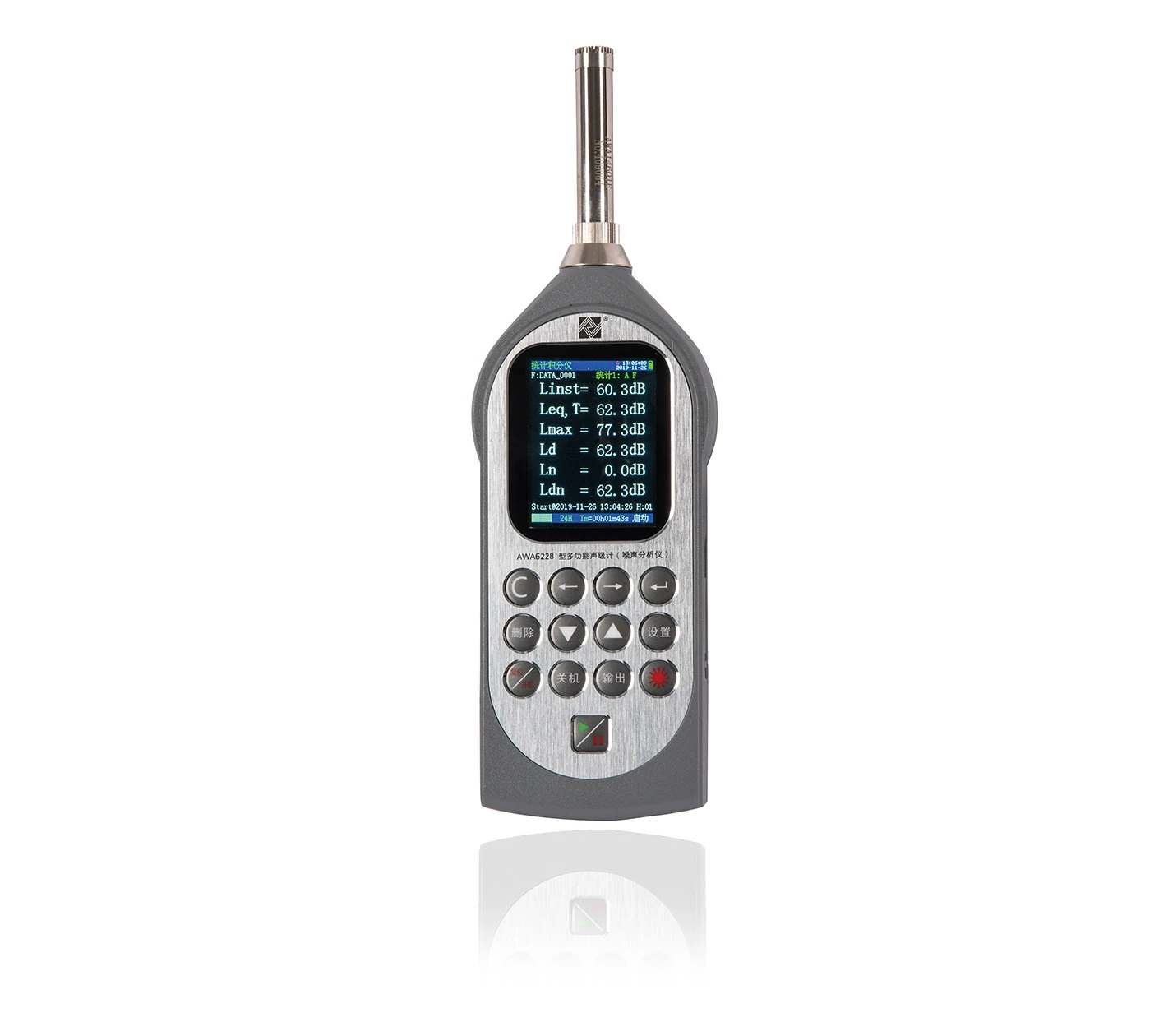
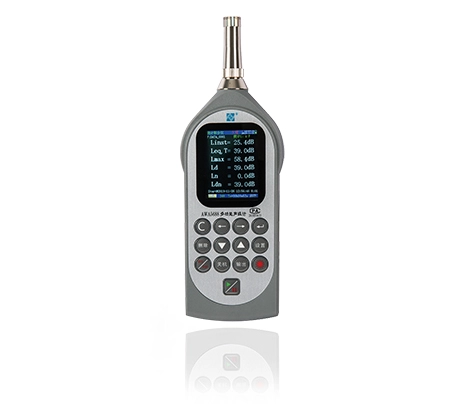
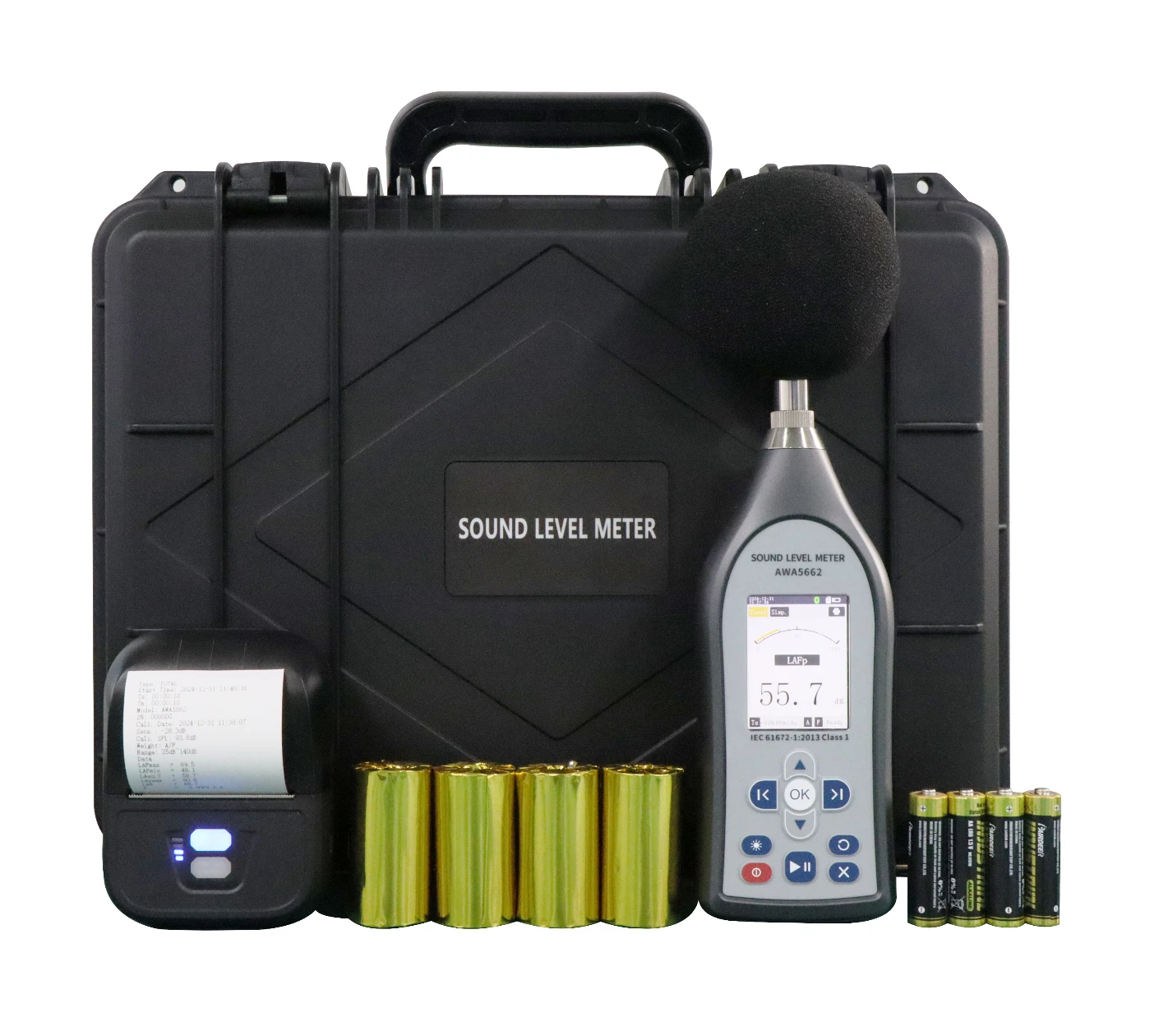
AWA5662 Class 1 Sound Level Meter iSV1101-2 Noise Monitoring Acquisition Front-end AWA6228+ Digital Multifunction Sound Level Meter AWA5688 Handheld Multifunction Sound Level Meter AWA5661 Sound Level Meter Digital AWA5636 Handheld Noise Meter AWA5636 Portable Sound Level Meter Kit AWA5636-0 Class 2 Digital SPL Meter
-
Measurement Microphone (IEC 61094) Microphone Preamplifiers USB Microphone AWA14426 1/2” Prepolarized Pressure Field Measurement Microphone AWA14423 1/2'' Prepolarized Free-Field Measurement Microphone AWA14423C 1/2” Prepolarized Free-Field Infrasound Microphone (16 dBA~146 dB) AWA14523 1/2'' Prepolarized Free-Field Infrasound Wideband Microphone (20 dBA~153 dB)
-
AWA2581 Outdoor Noise Monitoring Box AWA14804 | AWA14805 Outdoor Protection Windshield AH58F High Speed Printer AH40 Dot Matrix Printer AWA8711 | AWA8710 Microphone Windscreen AWA8820 Microphone Holder AWA8810 Extension Rod AWA8814 Tripod Extension Cable X9(6T)-X9(6Z) Extension Cable BNC-BNC Data Transmission Cable
-


- Home
-
Applications
-
Products
- Sound Level Meter
-
AWA5662 Class 1 Sound Level Meter iSV1101-2 Noise Monitoring Acquisition Front-end AWA6228+ Digital Multifunction Sound Level Meter AWA5688 Handheld Multifunction Sound Level Meter AWA5661 Sound Level Meter Digital AWA5636 Handheld Noise Meter AWA5636 Portable Sound Level Meter Kit AWA5636-0 Class 2 Digital SPL Meter
- Noise Dosimeter
- Microphones & Preamplifiers
-
Measurement Microphone (IEC 61094) Microphone Preamplifiers USB Microphone AWA14426 1/2” Prepolarized Pressure Field Measurement Microphone AWA14423 1/2'' Prepolarized Free-Field Measurement Microphone AWA14423C 1/2” Prepolarized Free-Field Infrasound Microphone (16 dBA~146 dB) AWA14523 1/2'' Prepolarized Free-Field Infrasound Wideband Microphone (20 dBA~153 dB)
- Accessories
-
AWA2581 Outdoor Noise Monitoring Box AWA14804 | AWA14805 Outdoor Protection Windshield AH58F High Speed Printer AH40 Dot Matrix Printer AWA8711 | AWA8710 Microphone Windscreen AWA8820 Microphone Holder AWA8810 Extension Rod AWA8814 Tripod Extension Cable X9(6T)-X9(6Z) Extension Cable BNC-BNC Data Transmission Cable
- Sound Calibrator
- Ear Simulators & Acoustic Coupler
- Multi-channel Vibration-Acoustic Data Logger
- Acoustic Imager
-
Support
-
About
-


 No.37 Xianxing Rd Xianlin Town Yuhang District Hangzhou Zhejiang China
 Phone/ Whatsapp: +86 19012832378
 marketing@hzaihua.com