Occupational noise-induced hearing loss remains one of the most prevalent — yet entirely preventable — workplace injuries worldwide. The challenge has never been whether hearing protectors work; it is whether the right protector fits the right person. The AWA17479 portable hearing protector fit testing system solves exactly that problem. Integrating acoustic source control, precision data acquisition, and complete records management into a single travel-case unit, it empowers safety officers to verify real-world hearing protector performance on-site, for every individual employee.
Laboratory noise-attenuation ratings — such as the Noise Reduction Rating (NRR) or SNR — are measured under ideal, standardized conditions. In practice, these figures frequently overestimate the protection a worker actually receives. Improper insertion depth, ear canal geometry, incorrect model selection, or simple user habit can reduce effective attenuation by 50% or more.
Individual fit testing closes the gap between a label value and lived reality — giving workers and safety managers confidence that protection is genuine, not just nominal.
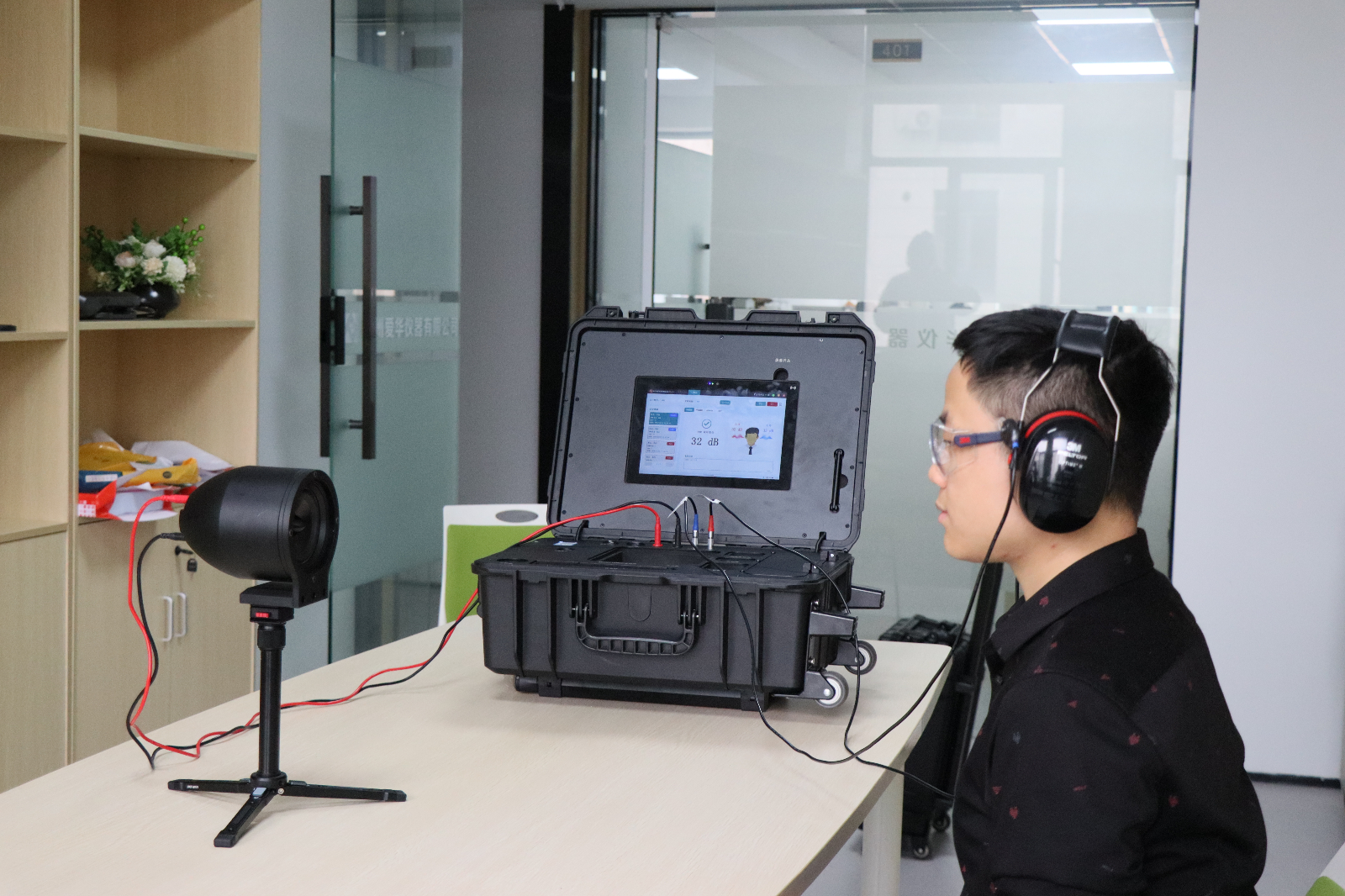
At the core of AWA17479 is the Microphone In Real Ear (MIRE) methodology. A miniature or probe microphone is carefully placed inside the test subject's ear canal. With the hearing protector in place, the system simultaneously records the residual sound pressure level inside the canal and a reference level at the ear canal entrance — or from the sound field — without the protector. By comparing these two values, the system calculates the Personal Attenuation Rating (PAR), also known as insertion loss.
Unlike subjective fit-check methods or laboratory audiometric testing, MIRE captures the acoustic reality inside each individual's ear canal. It accounts for anatomy, fitting technique, and protector model simultaneously — delivering objective, repeatable data that safety managers can rely on for compliance documentation and protector selection.
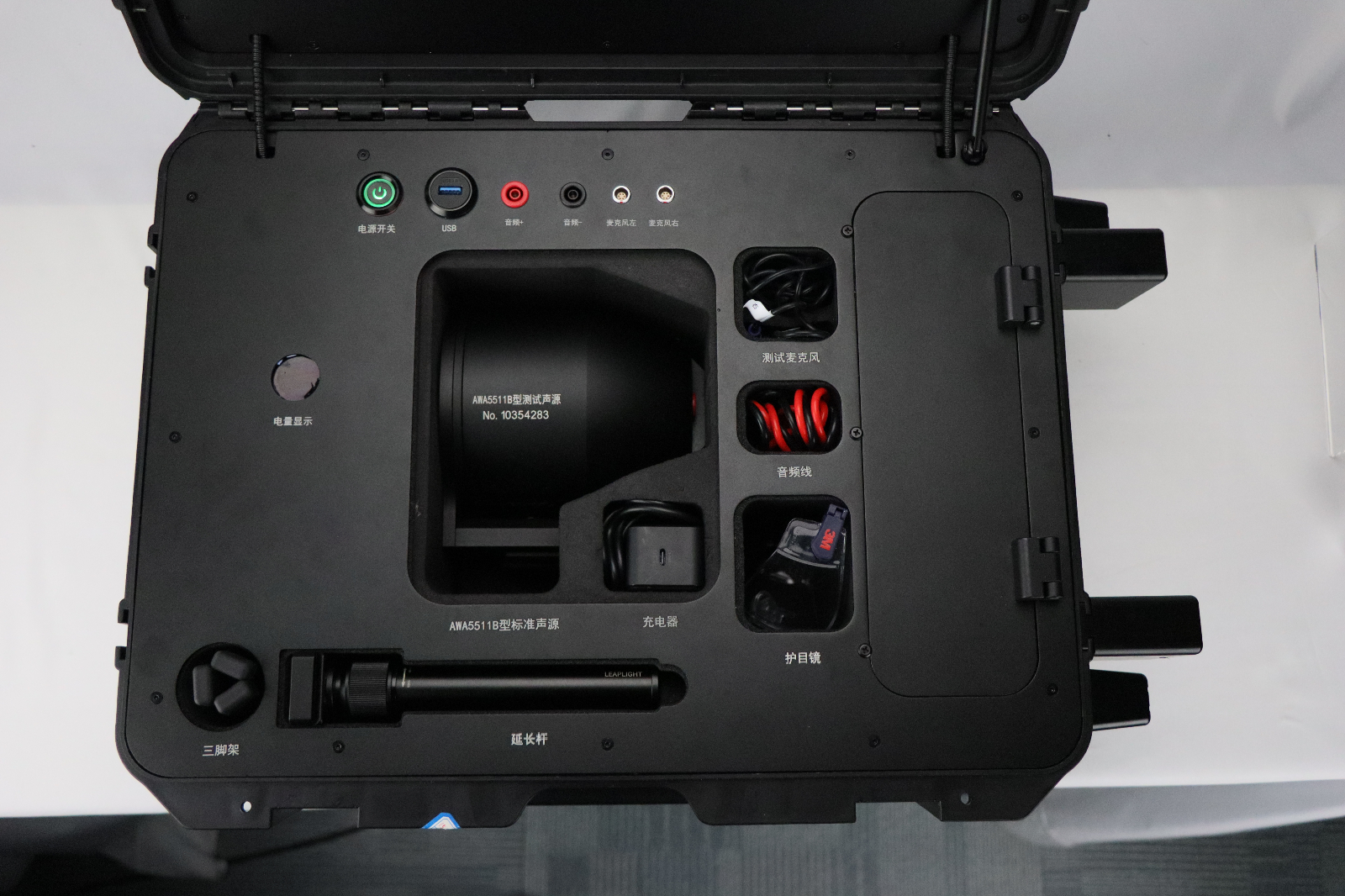
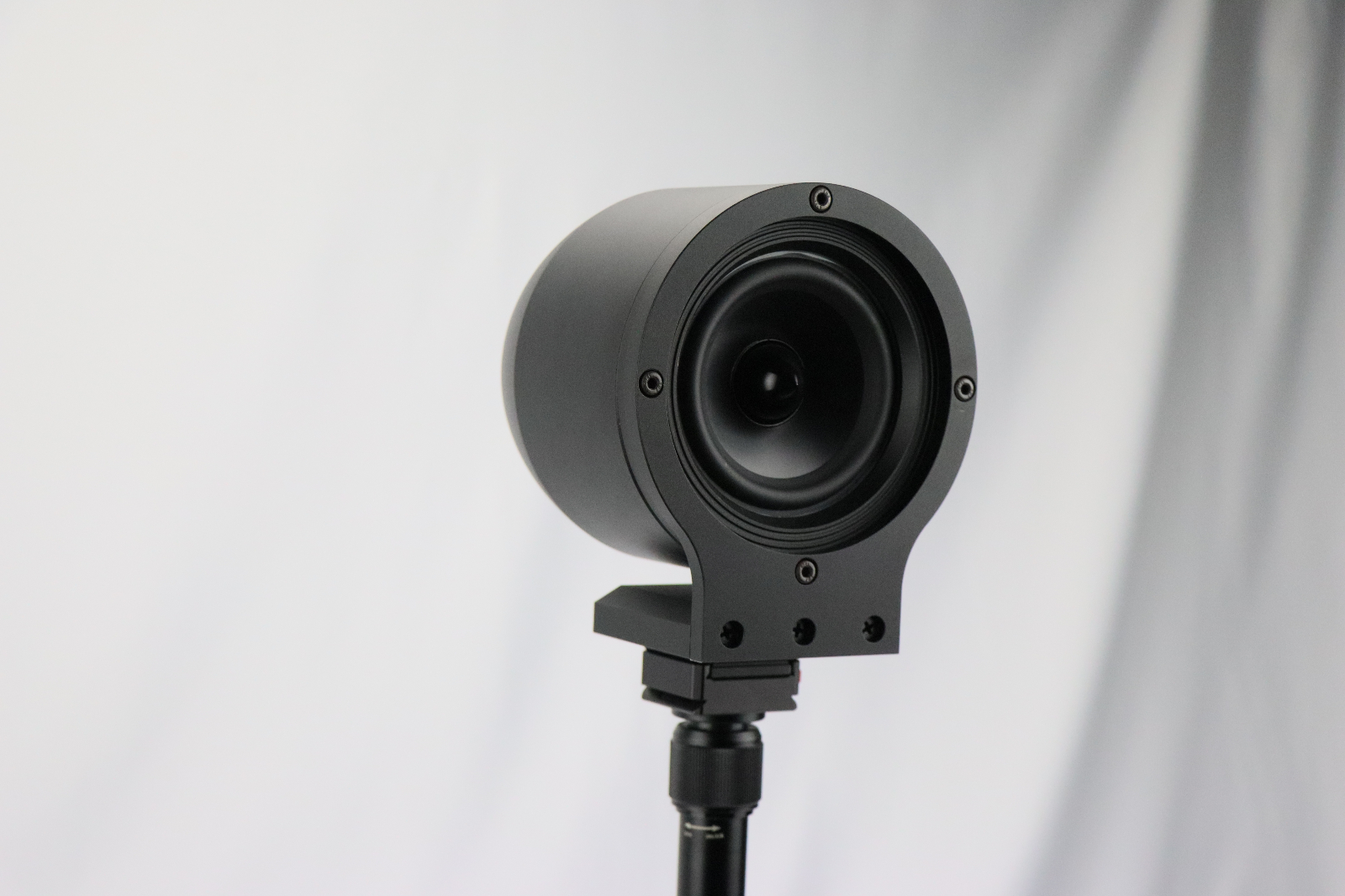
The AWA17479 is engineered for the realities of industrial environments. The entire system — acoustic source, measurement hardware, cabling, and accessories — packs neatly into a purpose-built carry case. Safety professionals can transport it between factory floors, construction sites, or remote facilities without specialist logistics. A single operator can unpack, calibrate, and begin testing in minutes.

Product Features:
Carry-case design
Single-operator workflow
On-site deployment
Multi-site programmes
No audiometric booth required
The AWA17479 guides the operator through a structured, four-phase process designed to eliminate guesswork and human error.
Connect the measurement device to the computer and power on the system. Confirm all cable connections are secure.
Perform daily microphone sensitivity verification to confirm measurement accuracy before each session begins.
Enter the employee's profile, select the hearing protector model, and initiate the automated test sequence with a single click.
The system auto-generates a detailed report with PAR values. Save internally or export as a PDF for compliance records.

Measurement method | MIRE (Microphone In Real Ear) |
Output metric | Personal Attenuation Rating (PAR) / Insertion Loss |
Operation | Single-operator, fully automated |
Portability | Integrated travel case — no fixed installation |
Data management | Employee archive, PDF export, report generation |
Daily QA | Built-in microphone sensitivity verification |
Interface | Computer-connected software with guided workflow |
The AWA17479 is designed for any organisation where workers are regularly exposed to occupational noise above regulatory action levels. Typical use cases include manufacturing and heavy industry, construction and infrastructure projects, mining and extractive operations, military and law-enforcement facilities, and occupational health service providers conducting workforce hearing conservation audits. It is equally valuable during procurement — safety managers can objectively compare different protector models on actual employees before committing to a fleet-wide purchase.
Regulators in major markets increasingly require employers to demonstrate that their hearing conservation programmes deliver effective protection — not merely that protectors have been issued. The AWA17479 generates auditable, individual-level PAR data that supports regulatory reporting and documents due diligence. More importantly, it identifies workers whose current protector is providing insufficient attenuation before a hearing threshold shift is detected at the annual audiogram — intervening at the source rather than reacting to damage already done.

The AWA17479 portable hearing protector fit testing system represents a practical, evidence-based step forward in workplace hearing conservation. By combining MIRE-based real-ear measurement, an intuitive four-step workflow, and comprehensive data management in a single portable package, it puts individual, objective fit verification within reach of every safety team — regardless of site size or location.
If your organisation is serious about eliminating preventable occupational hearing loss, the AWA17479 is the tool that bridges the gap between policy and protection.
Ready to verify your team's hearing protector performance on-site?