


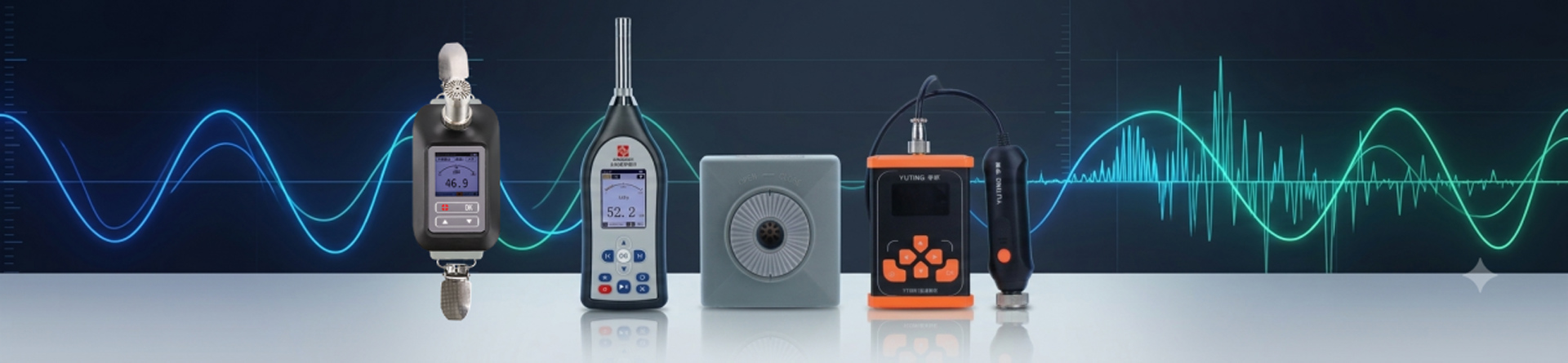
What Is Noise Monitoring? Methods, Standards and Equipment
Noise affects workplaces, industrial facilities and residential communities. Excessive exposure can contribute to hearing damage, while environmental noise can disturb nearby residents. Noise monitoring helps organisations measure sound levels, evaluate exposure and determine whether acoustic conditions meet applicable requirements.
This guide explains how noise monitoring works, which measurement parameters matter and how to choose a suitable sound level meter for your application.
What Is Noise Monitoring and How Does It Work?
Noise monitoring is the process of measuring and assessing sound levels over a defined period. Depending on the objective, measurements may be taken at a fixed location, collected continuously or recorded using a personal noise dosimeter.
A typical monitoring process involves three steps:
Measurement: Collect sound-level data using an appropriate instrument.
Analysis: Review indicators such as equivalent sound level, maximum level and noise exposure.
Assessment: Compare the results with applicable occupational, environmental or project requirements.
Workplace vs. Environmental Noise Monitoring
Workplace noise monitoring focuses on factories, workshops and production lines. It helps identify noisy equipment and assess potential worker exposure.
Environmental noise monitoring evaluates sound from sources such as road traffic, construction sites and industrial facilities. Depending on the project, measurements may be conducted at specific locations or over extended periods.
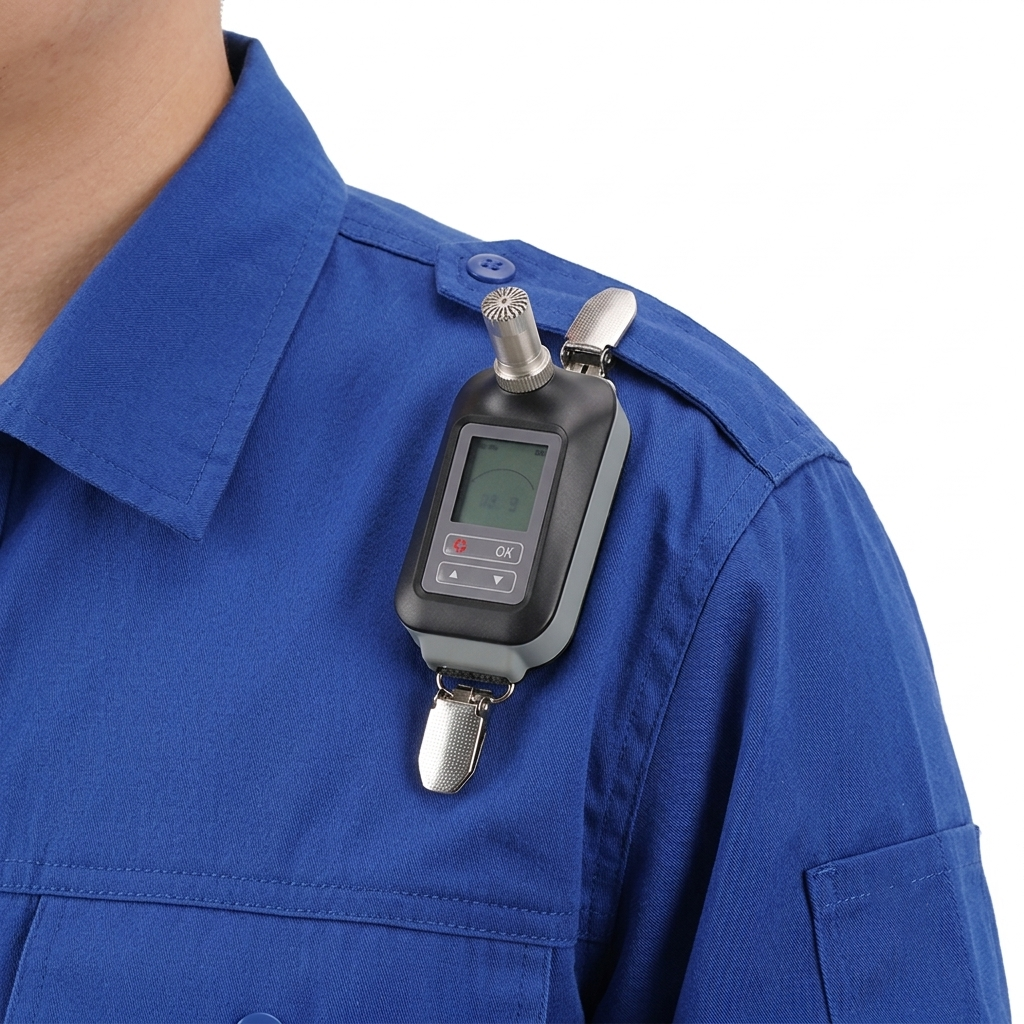
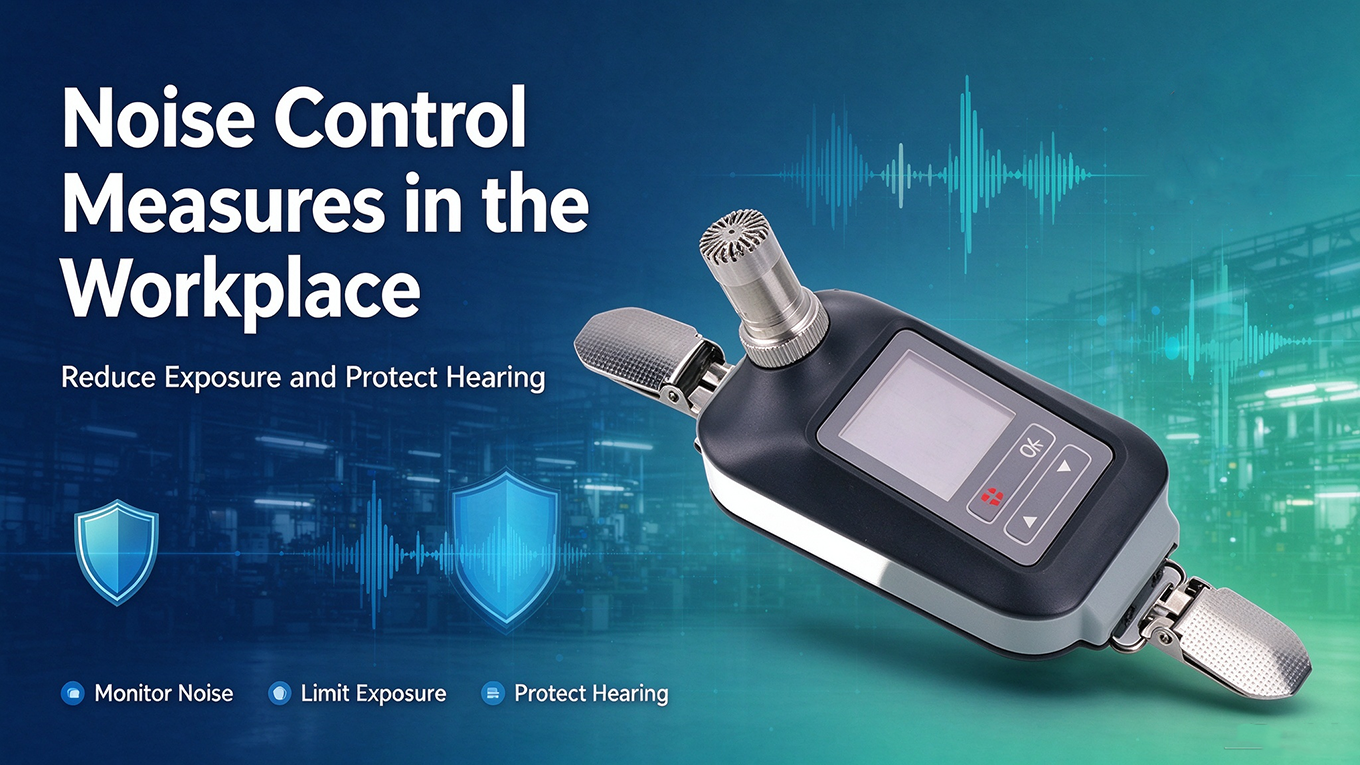
Area measurements describe noise at a particular location, while a noise dosimeter tracks an individual's exposure over time. The appropriate method depends on the assessment objective and applicable regulations.
Which Noise Monitoring Parameters Should You Know?
Understanding the main measurement indicators helps engineers interpret results correctly.
|
Parameter |
Meaning |
|
Leq |
Equivalent continuous sound level over a specified period |
|
Lmax |
Maximum measured sound level under the selected detector settings |
|
TWA |
Time-weighted average used in applicable occupational exposure assessments |
|
LEX,8h |
Daily noise exposure level normalised to an eight-hour reference period |
|
Noise dose |
Exposure percentage calculated using a defined dose criterion |
These indicators serve different purposes. For example, Leq is commonly used in environmental noise assessments, while TWA, LEX,8h and noise dose are relevant to occupational exposure evaluations. Their calculation methods and reference limits may differ by regulation.
Why Do Class 1 Accuracy and Frequency Analysis Matter?
IEC 61672-1 defines performance requirements for sound level meters, including Class 1 and Class 2. Class 1 instruments have tighter performance tolerances under the applicable requirements.
Octave-band and one-third-octave-band analysis provide additional information about the frequency distribution of noise. This helps engineers investigate tonal components and identify frequency ranges that may require further analysis.
Instrument class alone does not guarantee regulatory compliance. Calibration, measurement settings and the applicable procedure must also be considered.
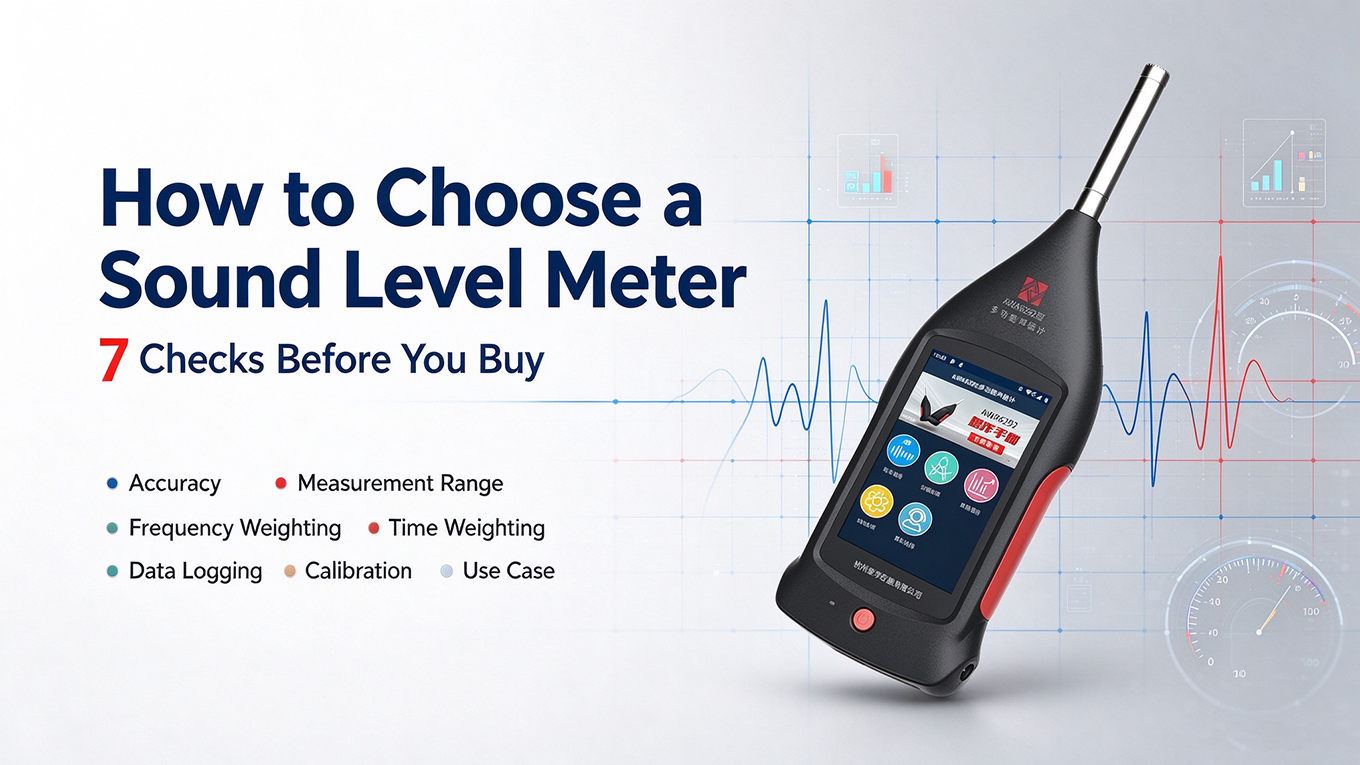
AWA6292: Multifunctional Acoustic Measurement
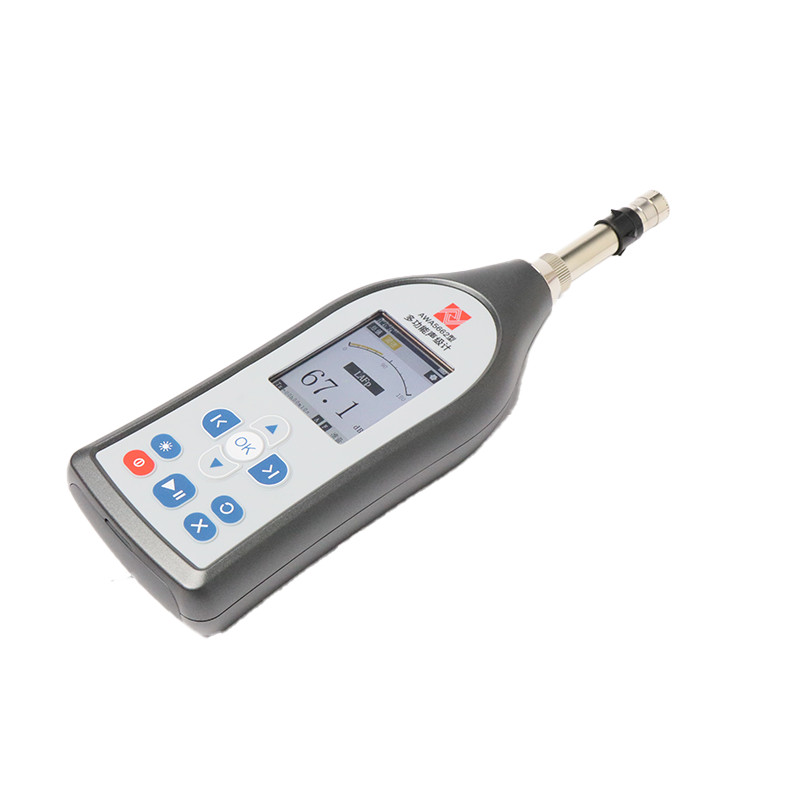
The AWA6292 Multifunctional Sound Level Meter is designed for applications that require more than routine sound-level measurements.
Its capabilities include noise measurement, frequency analysis, reverberation and speech transmission index (STI) measurement. The instrument also supports 4G, Wi-Fi, Bluetooth and USB connectivity for different data-transfer and integration workflows.
Specified compliance includes IEC 61672-1:2013 Class 1 and IEC 61260-1:2014 Class 1, alongside other documented requirements.
The AWA6292 is worth considering for acoustic laboratories and testing organisations that need multiple measurement functions in one instrument. Before purchase, confirm the required options, measurement range and software compatibility against the current datasheet.
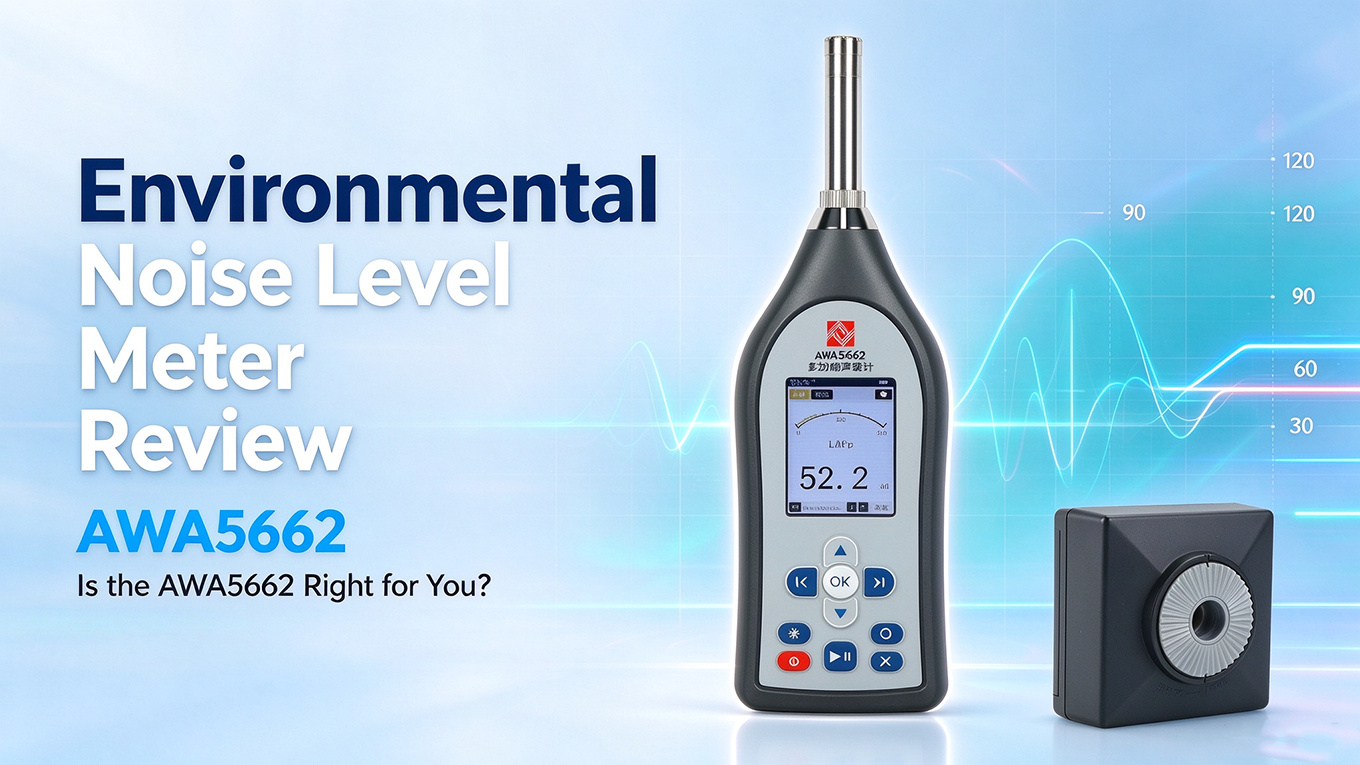
AWA5662: Practical Noise Measurement for Industrial Environments
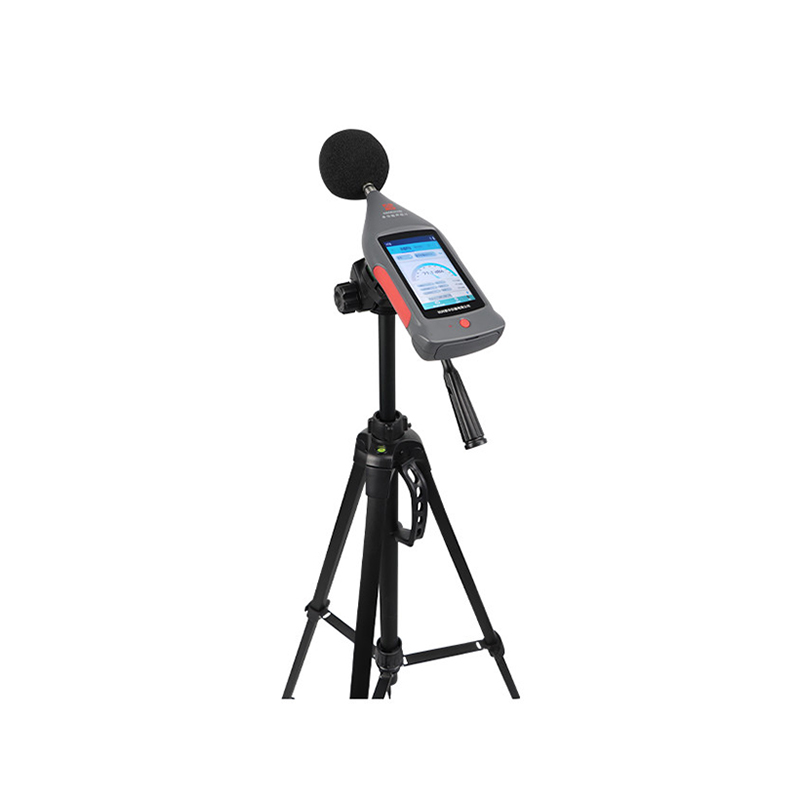
The AWA5662 Sound Level Meter is designed for industrial machinery noise, factory noise surveys and workplace measurements.
It is available in four configurations:
Basic: General sound-level measurements.
Integral Measurement: Integrated sound-level assessment.
Sound Exposure (Dose): Applications requiring supported exposure-related functions.
Statistical: Measurements requiring statistical sound-level information.
The AWA5662 features a 2.4-inch colour display, a specified 115 dB linear measurement range and a compact design weighing approximately 340 g according to the supplied specifications.
Optional functions may include octave-band analysis and audio recording, depending on configuration. For occupational assessments, verify that the selected version supports the required exposure indicators and calculation methods.
AWA6292 vs. AWA5662: Which Should You Choose?
|
Requirement |
Suggested model |
|
Routine industrial noise surveys |
AWA5662 |
|
Workplace noise measurements |
Appropriate AWA5662 configuration |
|
Reverberation and STI analysis |
AWA6292 |
|
Multifunctional laboratory testing |
AWA6292 |
|
Portable inspections with selected measurement functions |
AWA5662 |
Choose the AWA5662 when industrial and workplace noise measurement is your main priority. Consider the AWA6292 when you also need advanced acoustic analysis, such as reverberation or STI measurements.
Contact us
Frequently Asked Questions
What is noise monitoring used for?
It helps organisations assess sound levels, investigate noise sources, evaluate exposure and support compliance assessments.
What is the difference between a sound level meter and a noise dosimeter?
A sound level meter measures noise at a location, while a noise dosimeter is typically worn by a worker to assess personal exposure over time.
Do I need a Class 1 sound level meter?
Class 1 provides tighter performance tolerances than Class 2 under IEC 61672-1. The appropriate class depends on your measurement procedure and requirements.
Find the Right Noise Monitoring Solution
Reliable noise monitoring starts with the right measurement method and suitable equipment. Whether you conduct factory inspections, workplace noise assessments or advanced acoustic testing, selecting an appropriate instrument helps you collect meaningful data.
Visit Aihua Instruments to explore our sound level meters. Contact our team to discuss your application, confirm the required configuration and request a quotation.
blog latest news

Any questions? We look forward to hearing from you.
 Tel: +8619012832378