


What Is a Vibration Risk Assessment? Here's the Answer
If your team spends hours a day with grinders, drills, or jackhammers in their hands, you've probably already asked yourself this exact question. A vibration risk assessment is the structured process of figuring out whether that daily exposure is likely to harm your workers — and what you legally need to do about it.
In the UK and EU, this isn't optional. Once exposure is likely to reach the exposure action value, employers have a legal duty to carry out and document the assessment. In the US, there's no dedicated standard, but the General Duty Clause still applies. Either way, the disease this process exists to prevent — Hand-Arm Vibration Syndrome (HAVS) — is permanent once it develops. That's the whole point of assessing before the damage, not after.
Hand-Arm vs. Whole-Body Vibration: What's the Difference?
Every vibration risk assessment actually splits into two separate evaluations:
- Hand-arm vibration (HAV)— transmitted through hand-held or hand-guided tools like grinders, chainsaws, and impact wrenches. This is the pathway behind HAVS, including vibration white finger.
- Whole-body vibration (WBV)— transmitted through a seat or platform, typically from vehicles, forklifts, or heavy machinery.
They're measured differently and controlled differently, so knowing which one applies to your workforce is step one.
How Is Vibration Exposure Measured?
Exposure is standardized into a daily figure called A(8) — vibration magnitude normalized to an 8-hour reference period. Two thresholds matter most:
- Exposure action value (EAV)— the level at which employers must start taking action.
-
Exposure limit value (ELV)— the level that must never be exceeded.
Not sure what counts as within limits for your equipment? See our breakdown of acceptable vibration levels and how the limits are set: What Is Acceptable Vibration Level? Know Your Limits
Getting an accurate A(8) number requires actual measurement, not guesswork — which is exactly where most assessments fall short.
Why Manufacturer Handbooks Aren't Enough
Relying on a tool's published vibration figure sounds convenient, but real-world exposure depends on the specific tool, its condition, the material being worked, and how long each worker actually holds it. Handbook data can't capture any of that. This is why a proper vibration risk assessment depends on on-site, real-time measurement with a certified device — not a spec sheet.
The AWA5937: A Dosimeter Built to Solve This Exact Problem
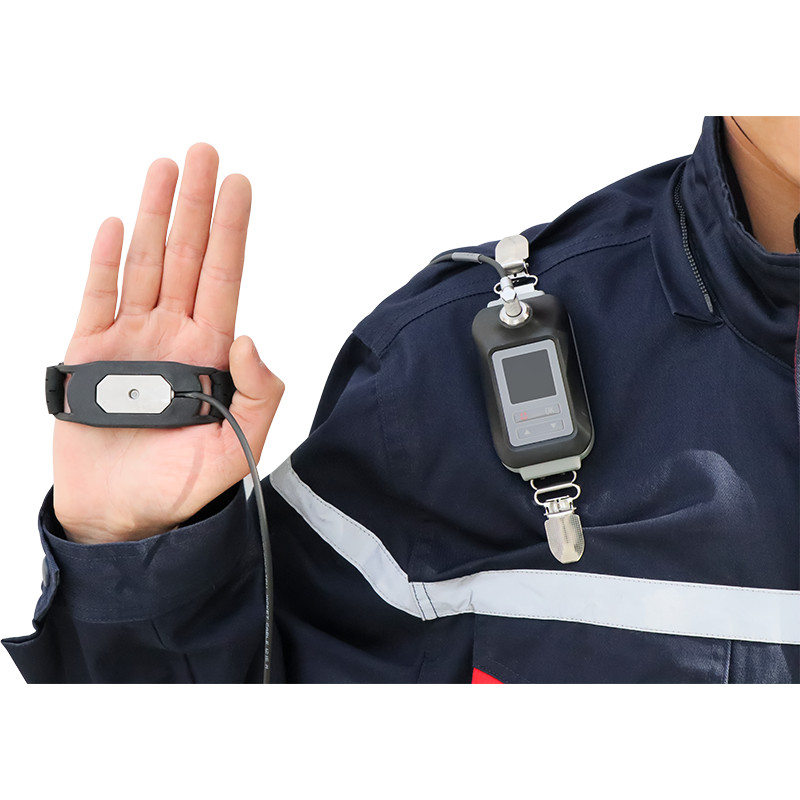
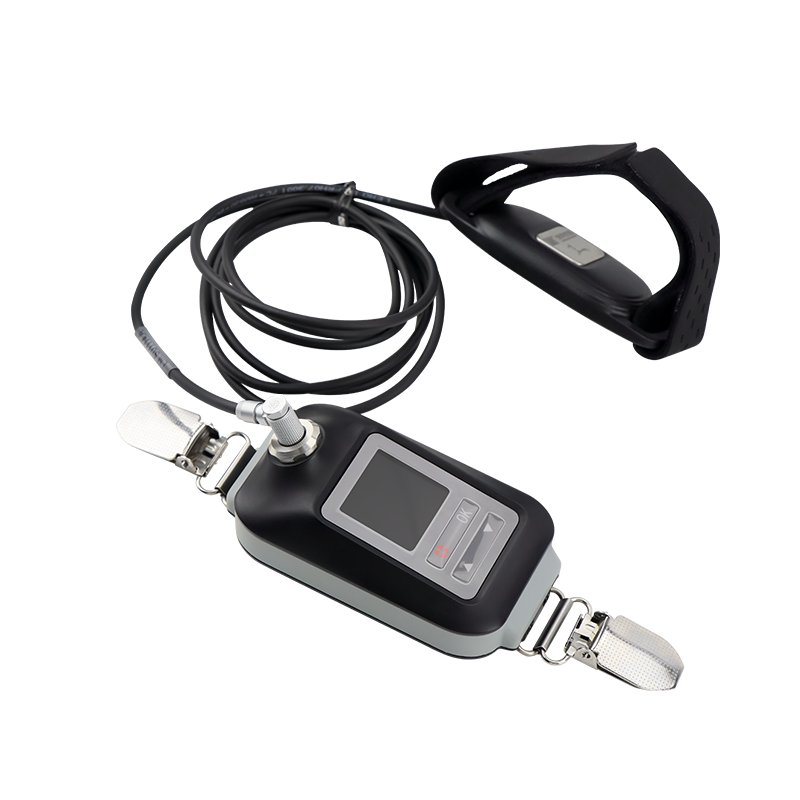
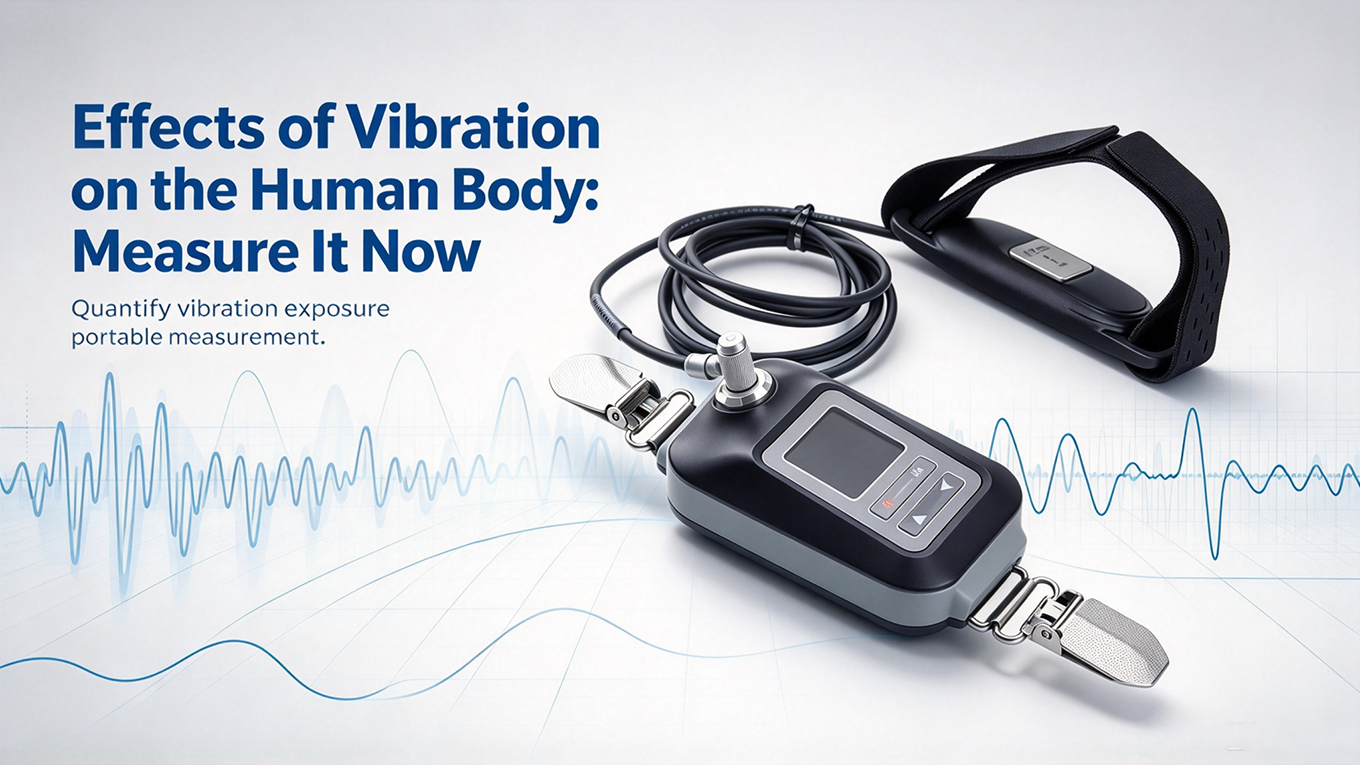
If your challenge is turning a legal requirement into a fast, reliable, repeatable process, the AWA5937 hand-arm vibration dosimeter is built for that job.
- Compliant results you can defend. It follows ISO 5349-1:2001, so your recorded findings hold up under audit or inspection — no second-guessing your data.
- One reading, every metric you need. It captures VL, VLmax, VLmin, VLeq,T, apeak,T, amax, amin, and more simultaneously, so you're not running separate tests to cover your assessment.
- Answers, not just numbers. Built-in frequency spectrum analysis helps you pinpoint which frequency band is driving exposure — useful when you need to justify a tool swap or control measure.
-
Made for the shop floor, not the lab. A lightweight, triaxial, dustproof and waterproof build with a 1.3-inch TFT color screen means technicians can take confident readings outdoors, in dusty plants, or on wet sites — and read results clearly the first time.
Read more
For safety officers who need audit-ready numbers fast, and for factories, research labs, and teaching institutions that need one instrument to cover multiple use cases, the AWA5937 removes the guesswork from the entire assessment.
How to Conduct a Vibration Risk Assessment, Step by Step
- Identifywhich equipment and which workers are exposed.
- Measureactual exposure with a certified dosimeter like the AWA5937.
- Compareresults against the EAV/ELV and record findings with an action plan.
Final Thoughts: Get Compliant With Confidence
A vibration risk assessment is only as good as the data behind it. Estimates and handbook figures leave gaps; real measurement closes them. The AWA5937 hand-arm vibration dosimeter gives you ISO-compliant, multi-metric, field-ready data in one lightweight device — so your next assessment is accurate the first time.
Ready to measure with confidence? Explore the AWA5937 at hzaihua.com and equip your team with a dosimeter built for real working conditions.
Contact us
blog latest news

Any questions? We look forward to hearing from you.
 Tel: +86-19012832378