


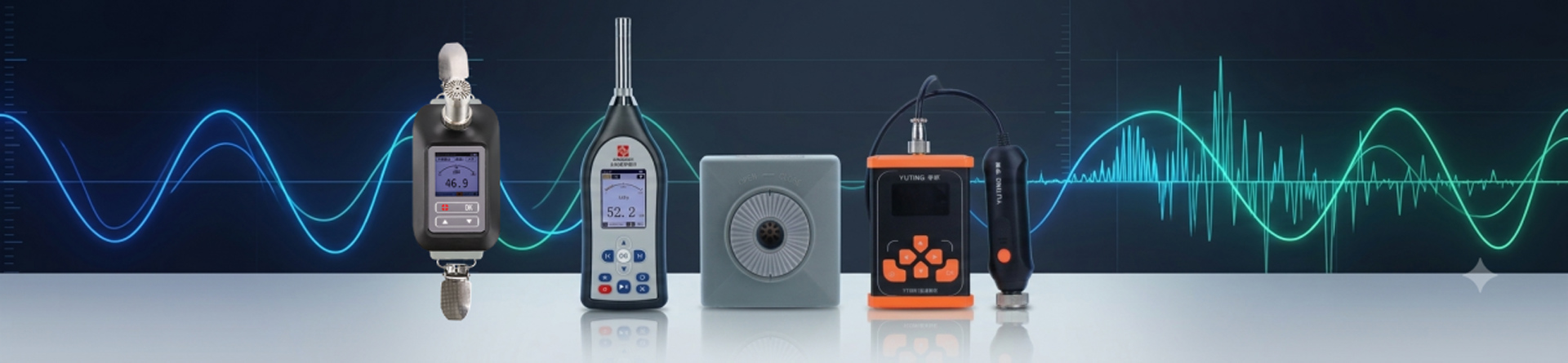
What Is a Sound Level Meter Used For? Find the Right Meter Fast
A sound level meter is a handheld instrument that captures sound through a microphone and converts it into a readable decibel (dB) value. Also called an SPL meter, decibel meter, or noise meter, it's the standard tool for turning invisible sound waves into measurable, actionable data.
What Is a Sound Level Meter Used For? 6 Core Applications
So, what is a sound level meter used for in practice? It's used anywhere sound needs to be measured, controlled, or proven compliant.
|
Application |
What It Solves |
|
Industrial & factory noise control |
Identifies hazardous noise zones on production lines |
|
Workplace noise exposure & safety |
Calculates TWA / LEX,8h for OSHA-style compliance |
|
Environmental & community noise |
Verifies boundary noise near residential areas |
|
Building acoustics & reverberation |
Tests how sound behaves in rooms and halls |
|
Machinery noise diagnostics |
Pinpoints which equipment needs maintenance |
|
Legal compliance & dose reporting |
Produces traceable records for audits and inspections |
How Does a Sound Level Meter Work?
The microphone converts sound pressure into an electrical signal, which the preamplifier boosts before the internal processor applies frequency and time weightings. The result appears instantly on the display in dB — the higher the number, the louder the sound.
Class 1 vs Class 2 — Which Do You Need?
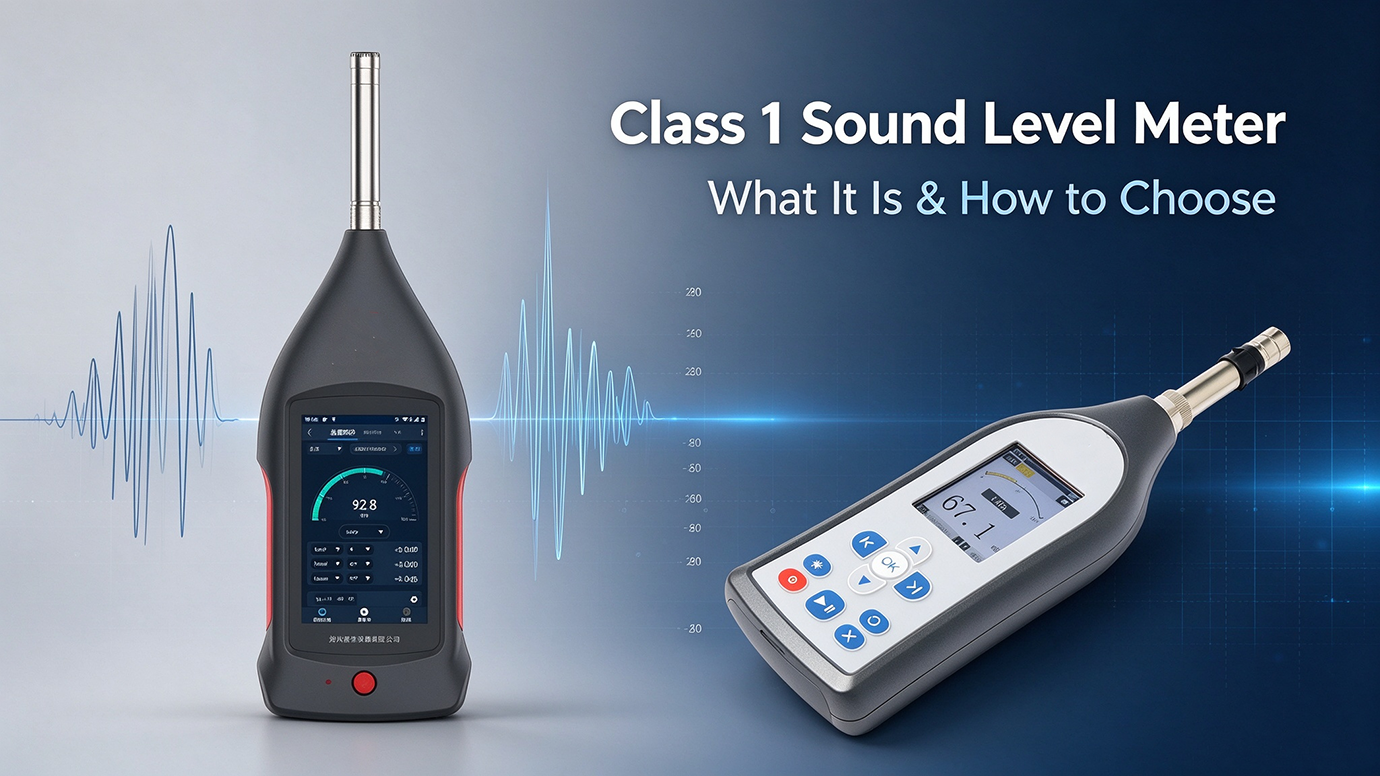
A Class 1 sound level meter is precision-grade, built for industrial, legal, and laboratory-accuracy measurements. Class 2 is general-grade, suitable for basic assessments. If your data needs to hold up in an audit or compliance report, Class 1 is the safer choice.
Learn more: Class 1 vs Class 2 Sound Level Meter: Which One Wins
AWA5662: Built to Solve Industrial Noise Problems
If your facility struggles to prove compliance or diagnose noisy equipment, the AWA5662 Multifunctional Sound Level Meter is designed to close that gap. It's a Class 1 instrument compliant with IEC61672-1:2013, purpose-built for factory environments where accuracy and flexibility both matter.
One device, four configurations — Basic, Integral, Sound Exposure (Dose), and Statistical types mean you only pay for the measurement capability your site actually needs.
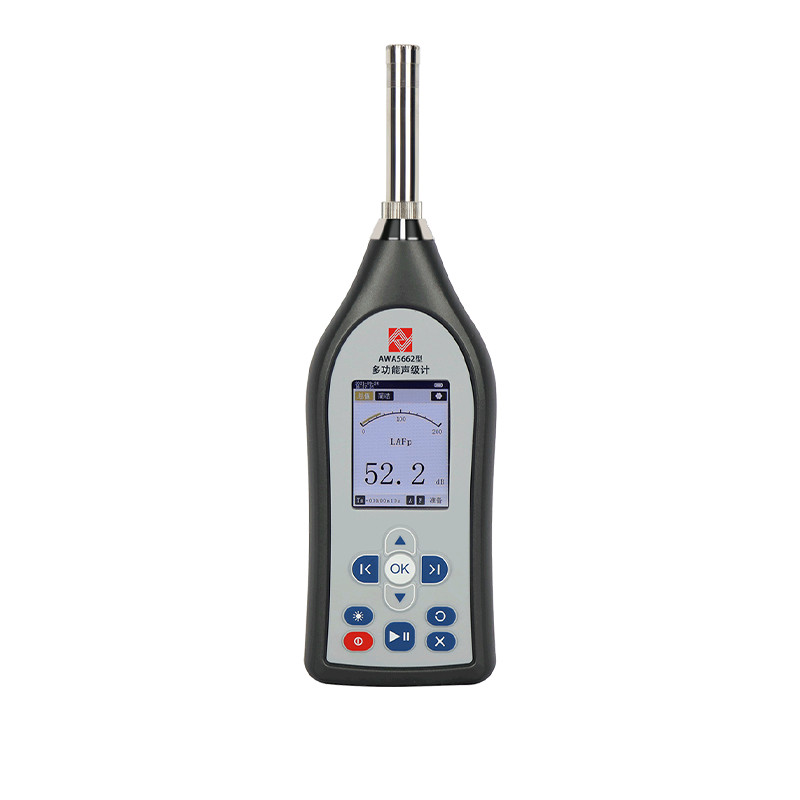
No more range-switching headaches — its 115 dB ultra-wide linear range captures everything from quiet zones to peak machinery noise without manual adjustment, saving time during walk-through surveys.
Every compliance metric you need in one reading — Leq, Lmax, LE, TWA, LEX,8h, and DOSE let safety officers generate audit-ready reports directly from the device, with optional 1/1 and 1/3 octave spectrum analysis for deeper diagnostics.
AWA6292: For Teams That Need Connected, Advanced Data
For facilities managing multiple sites or feeding data into a LIMS system, the AWA6292 solves the disconnect between field measurement and centralized reporting. It combines noise evaluation, spectrum analysis, reverberation, and STI measurement in a single Class 1 unit — with built-in 4G, WiFi, and Bluetooth so results sync automatically, no manual uploads required. Its 123 dB dynamic range (20–143 dB(A)) means one device covers quiet offices and extreme industrial noise alike, while encrypted data storage protects your compliance records.
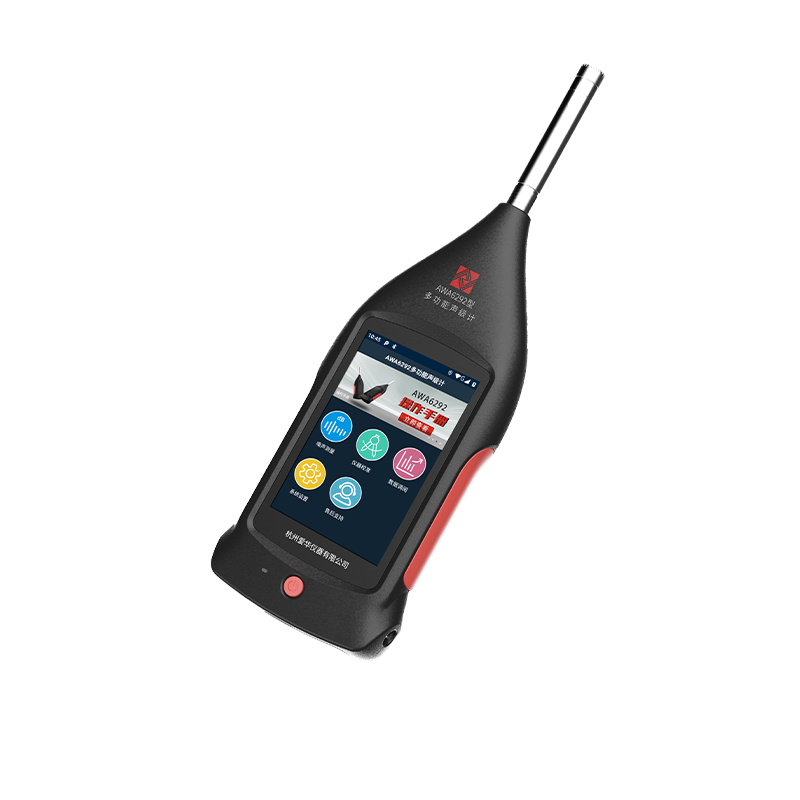
AWA5662 vs AWA6292: Quick Comparison
|
Spec |
AWA5662 |
AWA6292 |
|
Standard |
IEC61672-1:2013 Class 1 |
IEC61672-1:2013 Class 1 |
|
Dynamic range |
115 dB |
123 dB (20–143 dB(A)) |
|
Configurations |
Basic / Integral / Dose / Statistical |
All-in-one: noise + reverberation + STI |
|
Connectivity |
Data export via WAV/MP3 |
4G, WiFi, Bluetooth, USB, LIMS integration |
|
Best for |
Focused industrial & occupational noise |
Multi-site teams needing connected, advanced acoustic data |
Frequently Asked Questions
What is a sound level meter used for in a factory?
It's used to measure machinery and environmental noise, identify hazardous zones, and generate the data needed for worker safety and compliance reporting.
Do I need a Class 1 or Class 2 sound level meter?
Choose Class 1 if your measurements need to support legal, audit, or precision industrial reporting. Class 2 is sufficient for basic spot checks.
What's the difference between Leq, Lmax, and TWA?
Leq is the average sound level over time, Lmax is the peak level recorded, and TWA (time-weighted average) reflects a worker's average exposure over a work shift — key for occupational safety compliance.
Can a sound level meter analyze frequency, not just overall dB?
Yes — models with 1/1 or 1/3 octave spectrum analysis, like the AWA5662 and AWA6292, break sound down by frequency band for deeper diagnostics.
Which Aihua Instruments model should I choose?
Pick the AWA5662 for straightforward industrial and occupational noise measurement, or the AWA6292 if you also need reverberation/STI testing and wireless data connectivity.
Final Thoughts
A sound level meter turns noise into actionable data — protecting workers, satisfying regulators, and keeping equipment healthy. Explore the AWA5662 and AWA6292 at hzaihua.com to find the right fit for your facility.
blog latest news

Any questions? We look forward to hearing from you.
 Tel: +86-19012832378