


Mouth Simulator Applications: Get Accurate Test Results
Inconsistent voice signals quietly cause failed certifications and disputed test reports. If microphone or handset results change from bench to bench, the sound source is often the culprit, not the device. This guide covers the most important mouth simulator applications, the standards behind them, and how the AWA6150 and AWA6150A from hzaihua.com help you get repeatable results.
What Is a Mouth Simulator? Understanding the Artificial Mouth Behind Voice Testing
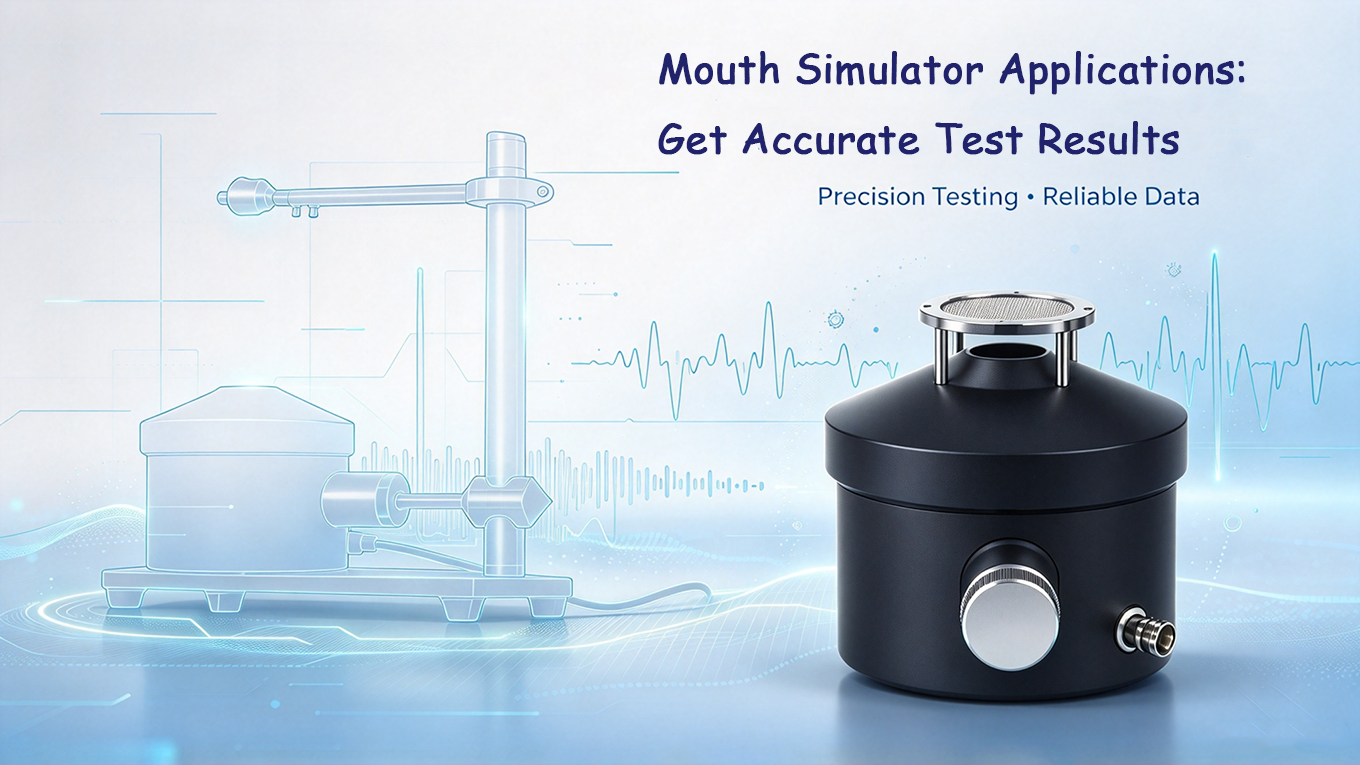
A mouth simulator is a standardised loudspeaker that reproduces how a human voice radiates from the mouth. It gives your lab a consistent speech source instead of a live talker or a generic speaker, so every measurement starts from the same conditions.
How Does a Mouth Simulator Reproduce Human Speech?
A controlled signal drives a high-quality loudspeaker unit, and levels are referenced to the mouth reference point (MRP), 25 mm from the sound output. Fixing that distance is what makes results repeatable from one test to the next.
Not to Be Confused With Dental or VR Mouth Simulators
Dental shade-matching tools, chewing models and VR mouth-care trainers share the name but not the purpose. This article covers the acoustic artificial mouth used in telecom and audio labs.
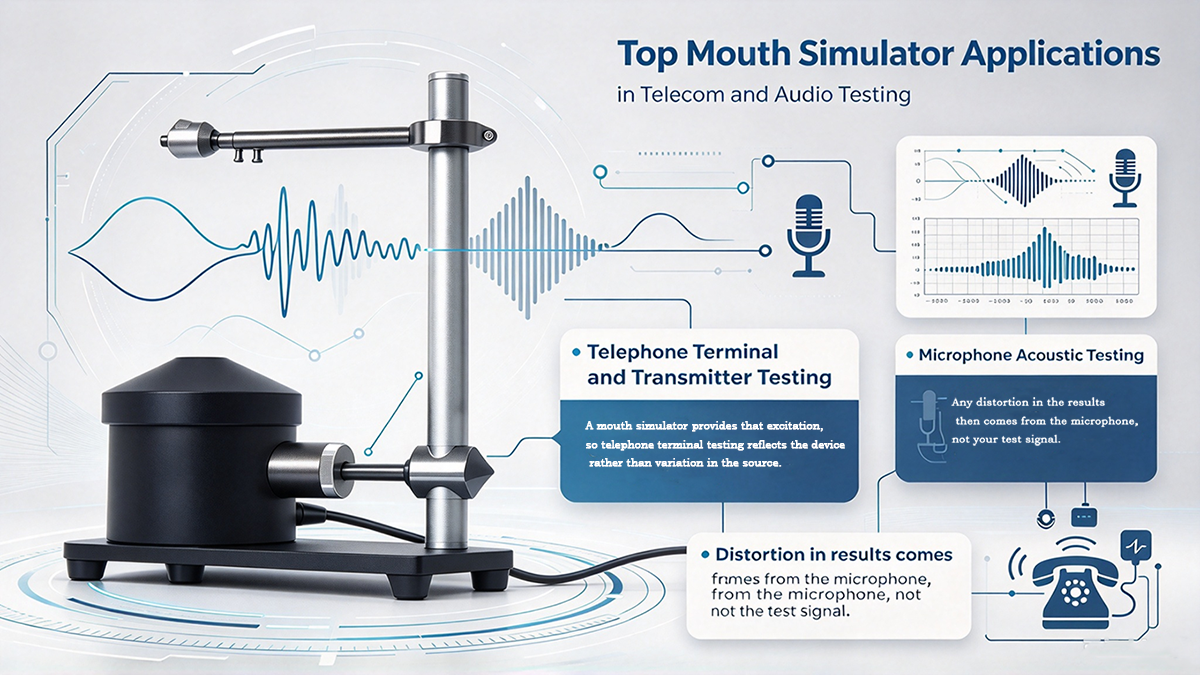
Top Mouth Simulator Applications in Telecom and Audio Testing
The common thread is a stable, human-like speech source. Here is where that pays off.
Telephone Terminal and Transmitter Testing
Handsets and telecom transmitters need a known input to judge transmit quality. A mouth simulator provides that excitation, so telephone terminal testing reflects the device rather than variation in the source.
Typical scenario: a handset maker sees different transmit results between two engineers. Replacing a live talker with a fixed-distance simulator removes the variable.
Microphone Acoustic Testing
For microphone acoustic testing, a low-distortion source lets you trust sensitivity and frequency-response data. Any distortion in the results then comes from the microphone, not your test signal.
Headset, Earbud and Smart Device Evaluation
Voice-capture devices are judged on how well they pick up speech. A consistent source makes A/B comparisons between prototypes meaningful.
Quality Control and Production-Line Testing
Repeatable output at a defined sound pressure level supports clear pass/fail decisions and fewer false rejects.
Certification Labs and Research Institutions
Labs need results other labs can reproduce. A simulator built to recognised standards makes your data easier to compare and defend.
Why Do IEEE 269, IEEE 661 and ITU-T P.51 Matter for Your Mouth Simulator?
What Do These Standards Actually Require?
ITU-T P.51 covers the artificial mouth's radiation characteristics, distortion and related performance, while IEEE 269 and IEEE 661 define how telephone transmission performance is measured. Together they set the ground rules for a valid test.
If your source follows these standards, customers and auditors can accept your data without arguing about the setup.
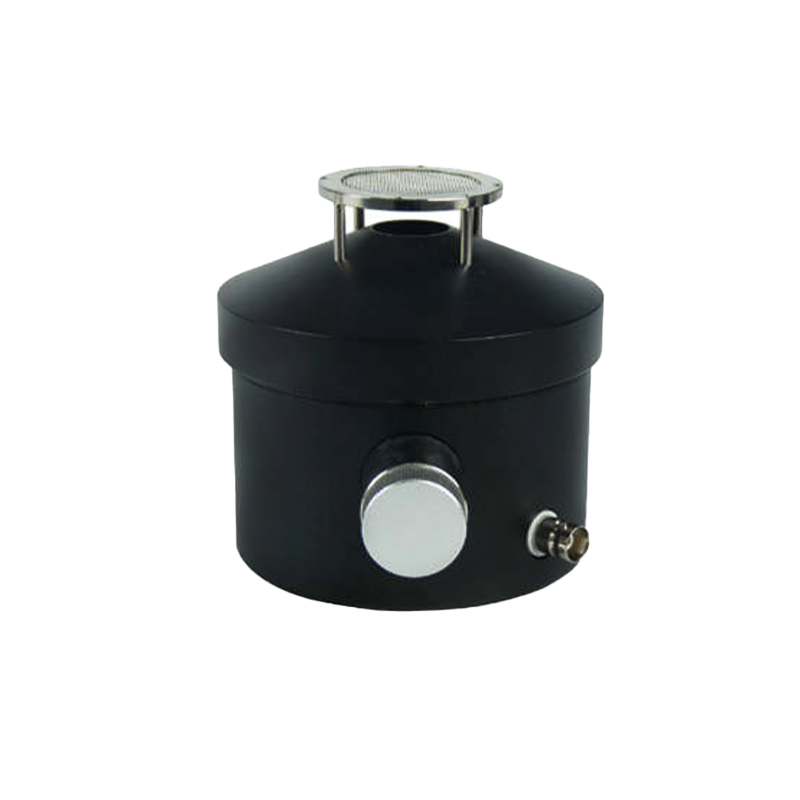
AWA6150 Mouth Simulator Review: Reliable Excitation for Microphone Acoustic Testing
The problem: an unstable or distorted source undermines every measurement downstream.
The solution: the AWA6150 pairs accurate human speech simulation with a high-quality loudspeaker unit for stable, low-distortion output. It continuously delivers at least 100 dB SPL at the MRP, enough for demanding test requirements.
DB9M Interface: Easy Integration With Standard Test Systems
A standard DB9M connector accepts external signals directly, so it slots into an existing test system without adapters.
Telecom equipment manufacturers, testing and certification laboratories, and research institutions evaluating telephone terminals, microphones and related voice-capture devices.
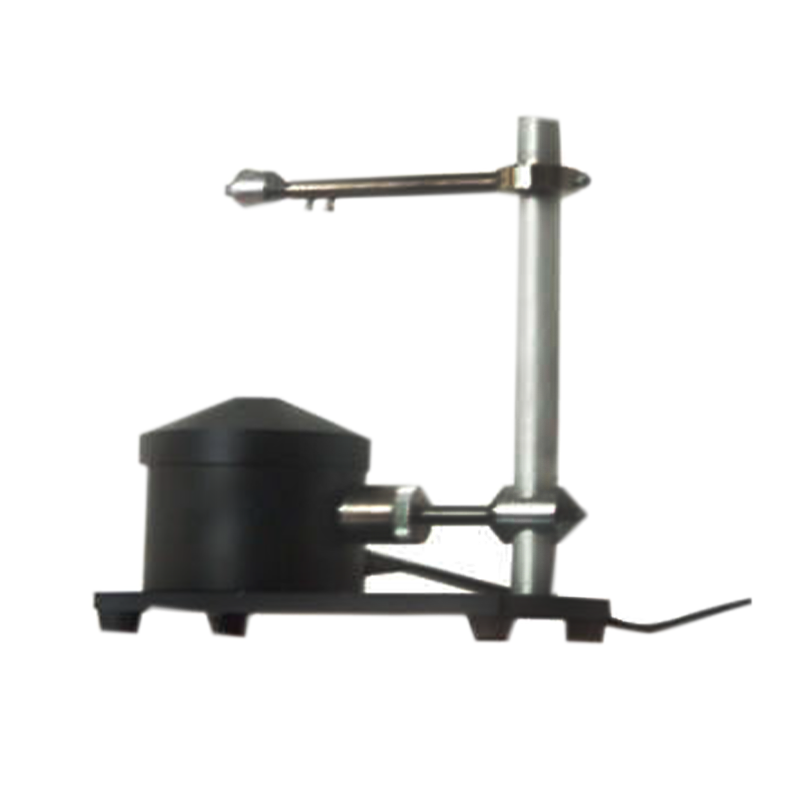
AWA6150A High-Fidelity Mouth Simulator Review: Is the Built-In Amplifier Worth It?
The problem: extra amplifiers add cost, cabling and setup time.
The solution: the AWA6150A has an integrated power amplifier with about 4x gain, so you connect a signal source and start testing.
Standards Compliance Built In
It fully conforms to IEEE 269, IEEE 661 and ITU-T P.51, so results are internationally recognised and comparable across laboratories.
BNC Connector, 100 dB SPL and Low Distortion
The BNC input connects directly to standard signal sources. It also delivers at least 100 dB SPL at the MRP with low distortion, keeping measurement data accurate and reliable.
Frequently Asked Questions
Q: What is a mouth simulator used for?
A: It provides a standardised speech source for testing telephones, microphones, headsets and other voice-capture devices.
Q: What is the mouth reference point?
A: It is the measurement position 25 mm from the simulator's sound output, where sound pressure level is specified.
Q: Do I need an external amplifier?
A: Not with the AWA6150A, which has a built-in amplifier with about 4x gain.
Ready to Upgrade Your Acoustic Testing?
Visit hzaihua.com to request a quote for the AWA6150 or AWA6150A, or contact the team to match a mouth simulator to your test system.
Contact us
blog latest news

Any questions? We look forward to hearing from you.
 Tel: +86-19012832378