



How to Check the Vibration of a Machine and Best Tools Recommended
A machine rarely fails without warning — it vibrates differently first. Learning how to check the vibration of a machine early can mean the difference between a five-minute adjustment and a five-day shutdown. This guide walks through what causes vibration, how to measure it correctly, and which vibration meter actually fits your needs.
What Causes Vibration in Industrial Machines?
Most abnormal vibration traces back to a handful of mechanical issues:
- Imbalance— uneven weight distribution on a rotating part
- Misalignment— shafts or couplings not perfectly in line
- Worn bearings— surface damage creating high-frequency spikes
Every vibration signal is really three measurements in one: acceleration, velocity, and displacement. Acceleration highlights high-frequency issues like bearing defects; velocity is best for general mechanical wear; displacement suits low-frequency, large-motion problems. A good machine vibration measurement tool needs to read all three.
How Do You Check Vibration on a Machine? Old vs. New Methods
For decades, technicians relied on manual checks — pressing a hand against a housing, or using the "screwdriver method" to conduct sound to the ear. These techniques still have a place for a quick gut-check, but they're subjective and can't catch early-stage faults.
Modern vibration testing tools replace guesswork with data. A sensor-based vibration meter captures precise readings in seconds, flags abnormal levels against recognized standards, and — with an FFT-capable device — breaks the signal down by frequency to pinpoint the exact fault, not just confirm something is wrong.
How to Check the Vibration of a Machine, Step by Step
Mount the sensor on a clean, flat surface, ideally close to the bearing housing.
Selct the parameter — acceleration, velocity, or displacement — based on what fault you're investigating.
Read the RMS, Peak, and Peak-to-Peak values. RMS shows overall energy, Peak flags sudden shocks, and Peak-to-Peak captures full motion range.
Not every job needs the same tool. A basic handheld meter is fast and simple for routine spot-checks, while an advanced FFT vibration analyzer digs into the frequency spectrum to isolate the exact fault source — imbalance, misalignment, or bearing wear — rather than just confirming a problem exists. When comparing tools, prioritize frequency range, display clarity, and compliance with recognized measurement standards.
Top Picks: Aihua Instruments' Vibration Meters
If you need dependable, standards-compliant equipment, hzaihua.com's lineup solves both ends of this problem.
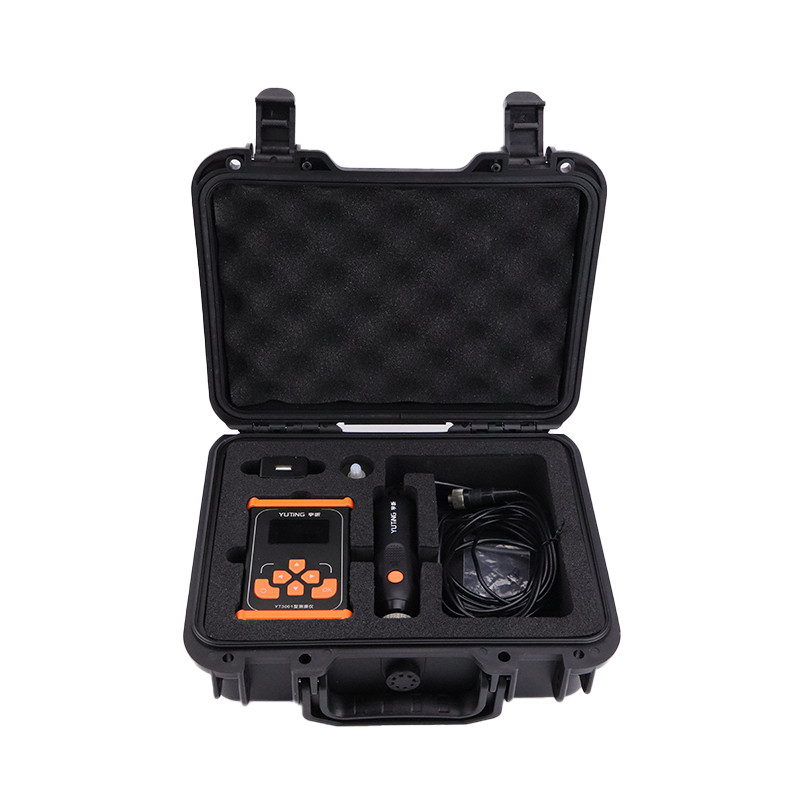
YT3001A Handheld Multi-Parameter Vibration Meter is built for technicians who need fast, reliable answers without a learning curve. One-key switching between acceleration, velocity, and displacement means you get the right reading instantly, while simultaneous RMS, Peak, and Peak-to-Peak modes give a full picture of machine condition on one clear OLED display. Because it's compliant with JJG 676-2019, results hold up for regulatory, safety, and research use — making it a strong fit for maintenance teams, educators, and occupational safety inspectors alike.
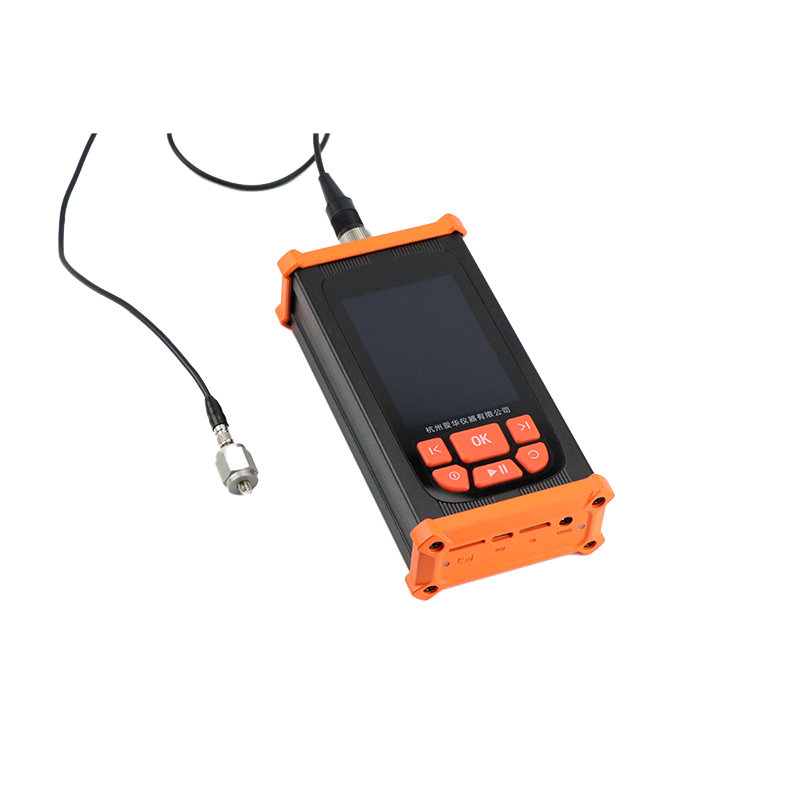
YT3002 Portable FFT Vibration Analyzer solves a deeper problem: identifying why a machine is vibrating, not just confirming that it is. Real-time FFT spectrum analysis separates overlapping fault signatures on motors, pumps, and fans, while 48 kHz sampling with WAV waveform recording lets engineers capture an event once and analyze it thoroughly afterward. Its modular, software-expandable design means the tool grows with your diagnostic needs instead of becoming obsolete — all operated from a responsive 3.5-inch touchscreen built for real field conditions.
YT3001A or YT3002: Which Vibration Meter Fits Your Needs?
Choose the YT3001A for routine condition checks, teaching labs, and safety compliance work where speed and simplicity matter most. Choose the YT3002 when you're chasing a specific fault on critical equipment and need frequency-level detail to diagnose it correctly the first time.
Regular vibration checks catch problems while they're still cheap to fix. Explore the full YT3001A and YT3002 range at hzaihua.com and find the right vibration meter for your equipment today.
Contact us
blog latest news



Any questions? We look forward to hearing from you.
Tel: +86-19012832378
Email: marketing@hzaihua.com