


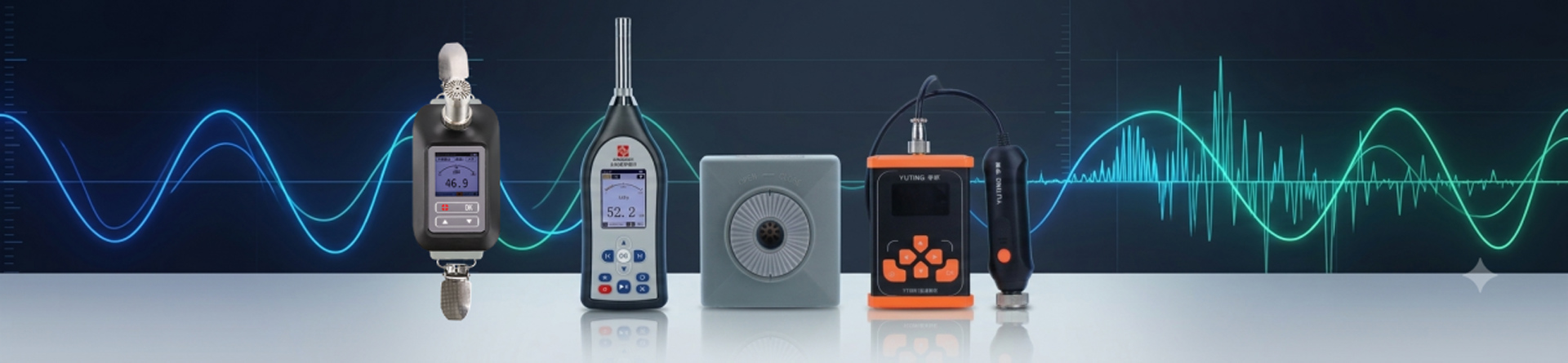
Noise and Vibration Assessment: Methods, Standards and the AWA6228A
Noise from industrial equipment, construction activities and transport infrastructure can affect workers, nearby residents and project compliance. A reliable noise and vibration assessment helps engineers understand site conditions, evaluate potential impacts and document whether further investigation or mitigation is needed.
In this guide, we explain the main steps in a noise assessment, outline commonly used standards and review the AWA6228A Class 1 sound level analyzer from Aihua Instruments.
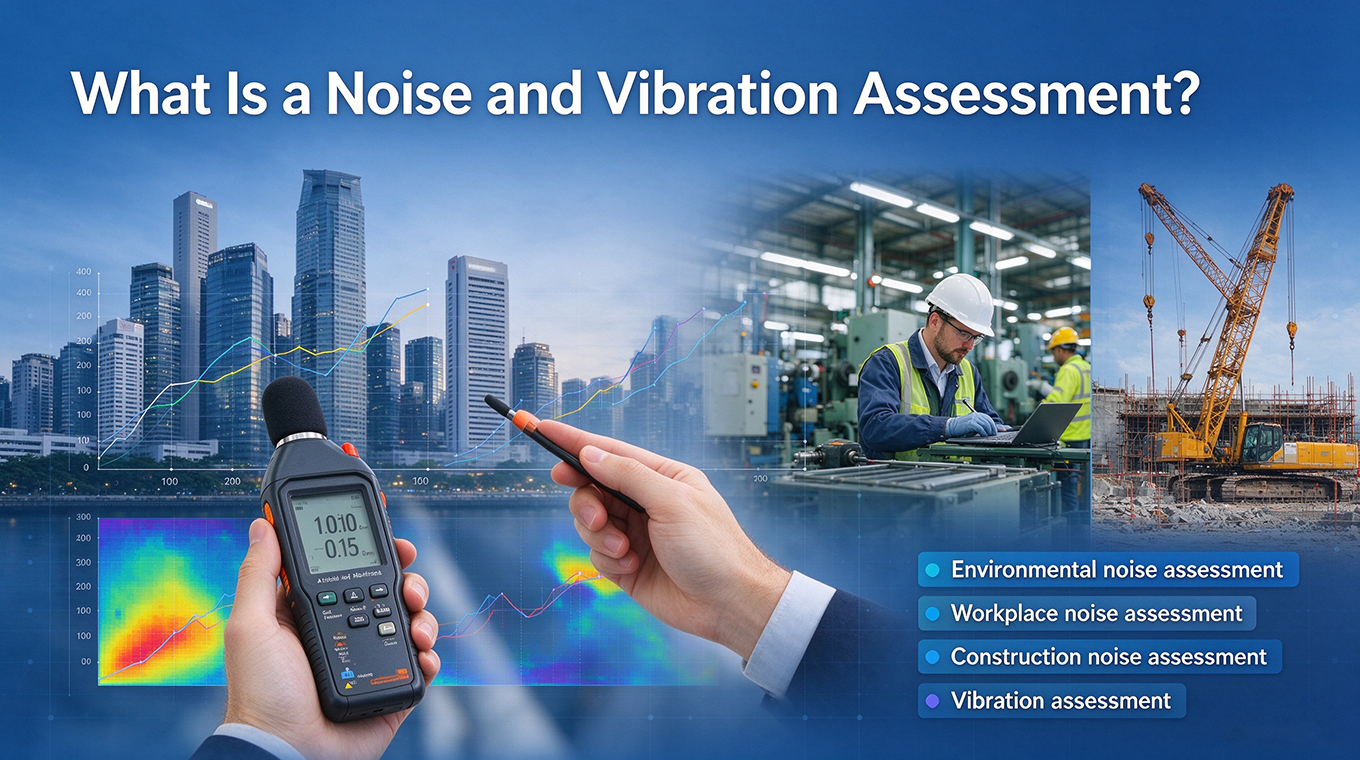
What Is a Noise and Vibration Assessment?
A noise and vibration assessment evaluates sound levels and, where required, ground-borne or structural vibration associated with a site, activity or piece of equipment.
Typical applications include:
Environmental noise assessment: Evaluating industrial facilities, traffic and other sources that may affect surrounding communities.
Workplace noise assessment: Measuring occupational noise conditions and identifying potential exposure risks.
Construction noise assessment: Monitoring noise generated by construction activities and evaluating its impact on nearby properties.
Vibration assessment: Investigating ground movement or structural vibration against project-specific criteria.
Noise and vibration are related environmental considerations, but they require different measurement methods and often different instruments. A sound level analyzer should not be assumed to measure ground or structural vibration unless the required capability is specifically documented.
How to Conduct a Noise Assessment
1. Define the Scope and Applicable Standards
Start by identifying the noise sources, assessment locations, operating conditions and reporting requirements.
Depending on the project, relevant references may include BS 4142 for industrial and commercial sound affecting nearby residential areas, BS 5228 for construction noise and vibration management, ISO 9613 for outdoor sound propagation calculations, and IEC 61672-1 for sound level meter performance.
For vibration assessment, DIN 4150 may be relevant to building vibration or effects on structures, depending on the applicable part and project requirements.
The appropriate standard depends on the assessment objective and local regulatory framework.
2. Collect Representative Measurements
Choose measurement positions that reflect the source and the potential impact. Record relevant conditions such as equipment operation, traffic activity, weather and measurement duration.
Common environmental noise indicators include:
LAeq: A-weighted equivalent continuous sound level over a specified period.
LAFmax: Maximum A-weighted sound level using Fast time weighting.
L10 and L90: Sound levels exceeded for 10% and 90% of the measurement period, respectively.
Long-term or 24-hour monitoring may be appropriate when the assessment needs to capture variations between daytime and nighttime. Shorter surveys may be suitable for specific investigations when they adequately represent the conditions being assessed.
3. Analyse Frequency Content and Review the Results
Overall sound levels do not always explain the characteristics of a noise source. Octave-band analysis, one-third-octave analysis and FFT can provide additional information about frequency components and tonal characteristics.
These methods can help engineers investigate machinery noise, identify prominent frequencies and evaluate possible mitigation measures.
After measurement, compare the results using the criteria specified for the project. A complete noise assessment report should document the method, measurement conditions, results, relevant limitations and recommendations where appropriate.
Why Use a Class 1 Sound Level Analyzer?
IEC 61672-1 specifies performance requirements for sound level meters, including Class 1 and Class 2 instruments. Class 1 has tighter performance tolerances under the applicable requirements.
For environmental investigations, laboratory work and other applications requiring Class 1 performance, instrument selection should consider the required measurement range, frequency response, logging functions and calibration status.
Instrument class alone does not establish compliance with a particular environmental or occupational regulation. The complete measurement procedure must meet the applicable requirements.
AWA6228A Review: Features for Environmental Noise Assessment
The AWA6228A Sound Level Analyzer is designed for professional acoustic measurement applications requiring detailed analysis and data recording.
According to the supplied product specifications, its key features include:
Class 1 performance: Specified compliance with IEC 61672-1:2013 Class 1 and IEC 61260-1:2014 Class 1.
Wide measurement range: A specified 126 dB dynamic range.
Multiple analysis functions: Supports statistical analysis, long-term noise monitoring, octave-band analysis, one-third-octave analysis and FFT.
Data management: 64 GB internal storage, expandable storage and multiple communication interfaces.
Field operation: A 3.5-inch touchscreen, physical buttons and optional micro-printer support.
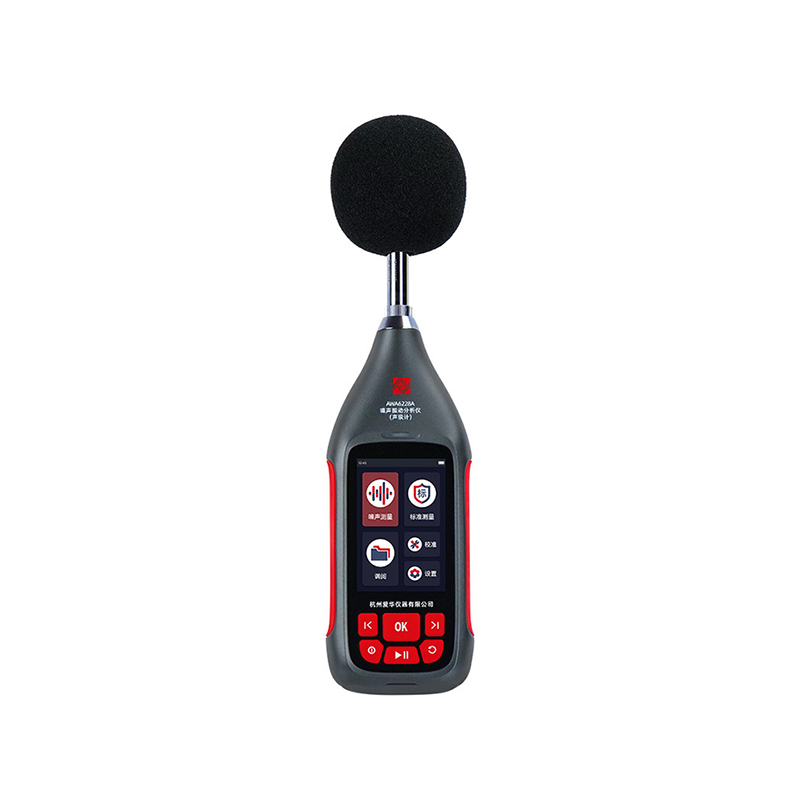
The instrument may be worth considering for environmental noise surveys, industrial noise investigations and acoustic testing that requires more than basic sound-level measurements.
Before selecting a configuration, verify the required measurement functions, logging intervals, connectivity options and applicable standards in the current datasheet.
Contact us
Frequently Asked Questions
Q: How long should a noise assessment last?
A: The duration depends on the project and the applicable method. Some surveys require short, representative measurements, while others need extended or 24-hour monitoring.
Q: Can a sound level analyzer measure structural vibration?
A: Not necessarily. Structural and ground vibration require appropriate vibration sensors and measurement capabilities. Confirm that the selected equipment supports the specific vibration assessment required.
Q: How often should a sound level meter be calibrated?
A: Follow the manufacturer's recommendations and applicable standards. A field calibration check before and after a survey helps identify changes in instrument sensitivity, while periodic laboratory calibration provides a separate check of performance.
Choose the Right Equipment for Your Assessment
A dependable noise assessment starts with a clearly defined objective, representative measurements and instrumentation suited to the required method.
The AWA6228A offers Class 1 acoustic measurement and multiple analysis functions for demanding noise assessment tasks. Review its specifications alongside your project requirements, and contact Aihua Instruments to request a datasheet or quotation.
blog latest news

Any questions? We look forward to hearing from you.
 Tel: +86-19012832378