


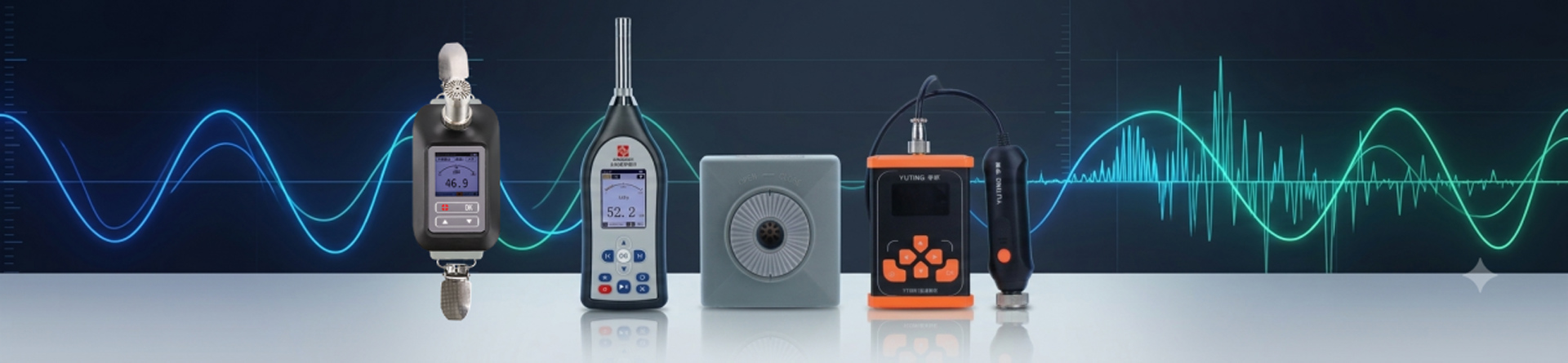
Class 1 Sound Level Meter: What It Is & How to Choose
A noise complaint is disputed. An audit asks for evidence. A new factory line needs to be certified. In each case, "close enough" readings can cost you time, money and credibility. So what is a Class 1 sound level meter? It is a precision sound level meter built to the tightest accuracy tier of the international standard, and it is the instrument professionals rely on when the numbers have to hold up. This guide covers the definition, the standards, the features and three models from hzaihua.com.
Class 1 Sound Level Meter Explained: Definition, Accuracy and Standards
A Class 1 sound level meter measures sound pressure level within the narrow tolerances defined by IEC 61672-1:2013, and over a wider frequency range than a Class 2 device. Tighter tolerances mean readings that are repeatable and defensible.
Three points to remember:
- Accuracy:Class 1 allows smaller deviation from the true value, which matters for legal, certification and laboratory work.
- Frequency range and weighting:a Class 1 meter handles A, C and Z frequency weightings plus fast, slow and impulse time weightings across a broad band, so it captures both low rumble and high-frequency tones.
- Class 1 vs Type 1:the terms are used interchangeably in practice. "Type 1" is the older wording, while "Class 1" is the term in the current IEC standard.
Class 1 vs Class 2 Sound Level Meter: Which One Do You Actually Need?
|
Feature |
Class 1 |
Class 2 |
|
Tolerance |
Tighter |
Wider |
|
Frequency coverage |
Broader |
Narrower |
|
Typical use |
Certification, legal, lab, compliance |
Routine screening, general surveys |
|
Price |
Higher |
Lower |
A Class 2 meter is enough for quick checks, such as classroom or office noise. Choose Class 1 whenever results will be used in a report, a regulatory filing or a dispute.
What Can a Class 1 Sound Level Meter Do? Features and Real-World Uses
A professional Class 1 meter goes beyond a single decibel reading. It can log Leq, Lmax and dose, run octave band spectrum analysis to find which frequencies drive a problem, record audio for evidence and export data for reporting.
Use cases:
- Factory safety:document worker noise exposure and prove compliance.
- Building acoustics:verify reverberation and speech clarity in classrooms, auditoriums and offices.
- Environmental noise:support community noise assessments with traceable data.
Top Class 1 Sound Level Meters from Aihua Instruments
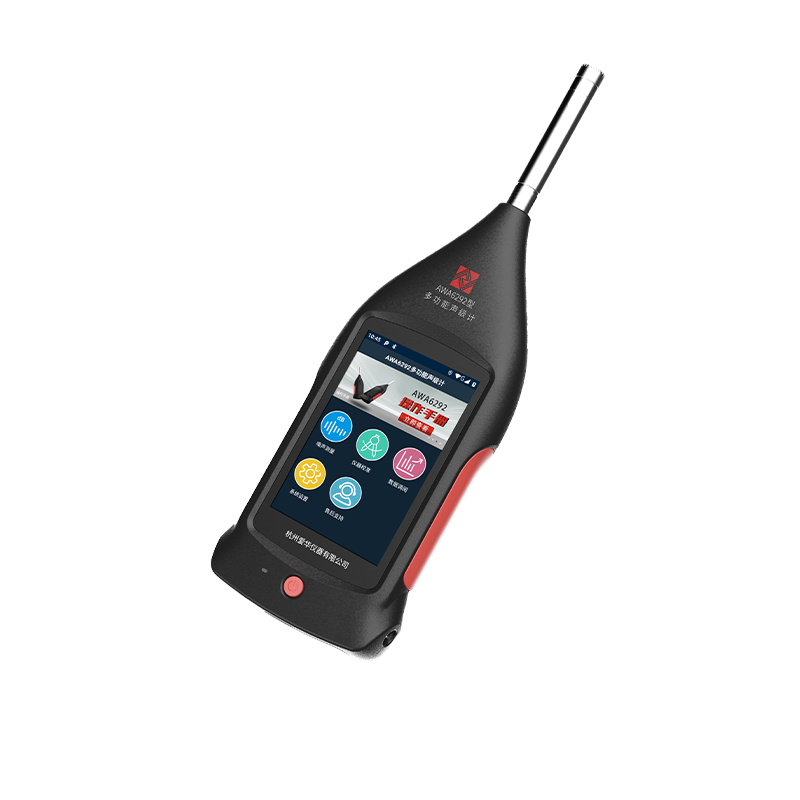
AWA6292: The All-in-One Class 1 Sound Level Meter
Acoustic projects often need separate instruments for noise, spectrum, reverberation and speech intelligibility. The AWA6292 combines noise evaluation, spectrum analysis, reverberation and STI measurement in one device, so you carry less equipment and manage a single dataset.
- Compliant with IEC 61672-1:2013 Class 1, IEC 61260-1:2014 Class 1 and IEC 61252:2025.
- A 123 dB linear range covers 20 dB(A) to 143 dB(A), from quiet rooms to heavy industrial noise.
- 4G, WiFi, Bluetooth and USB connectivity with direct LIMS integration, plus data encryption to protect record integrity.
Best for acoustic consultants, laboratories and building acoustics teams.
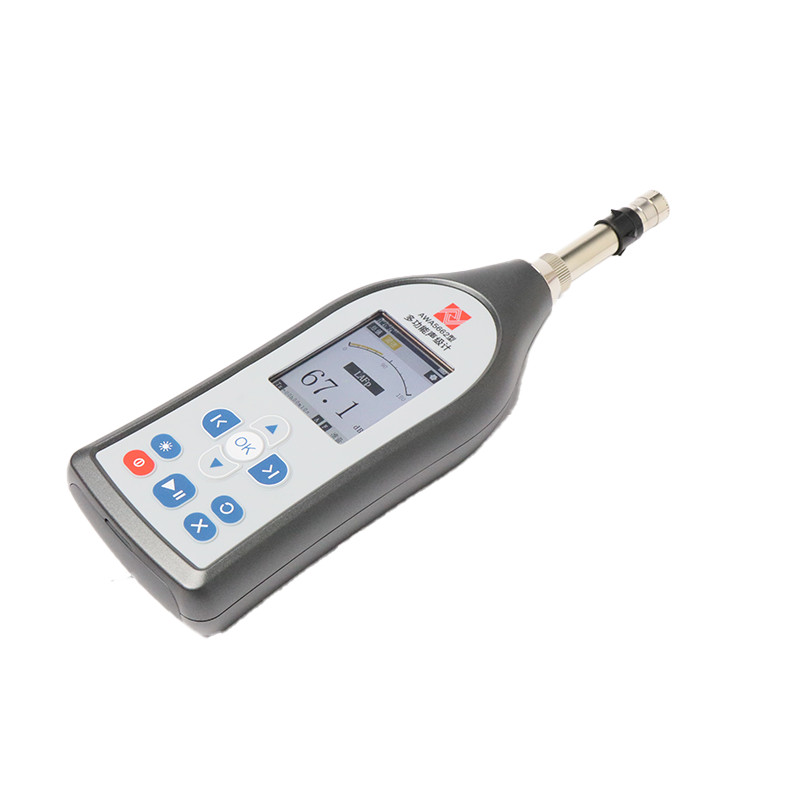
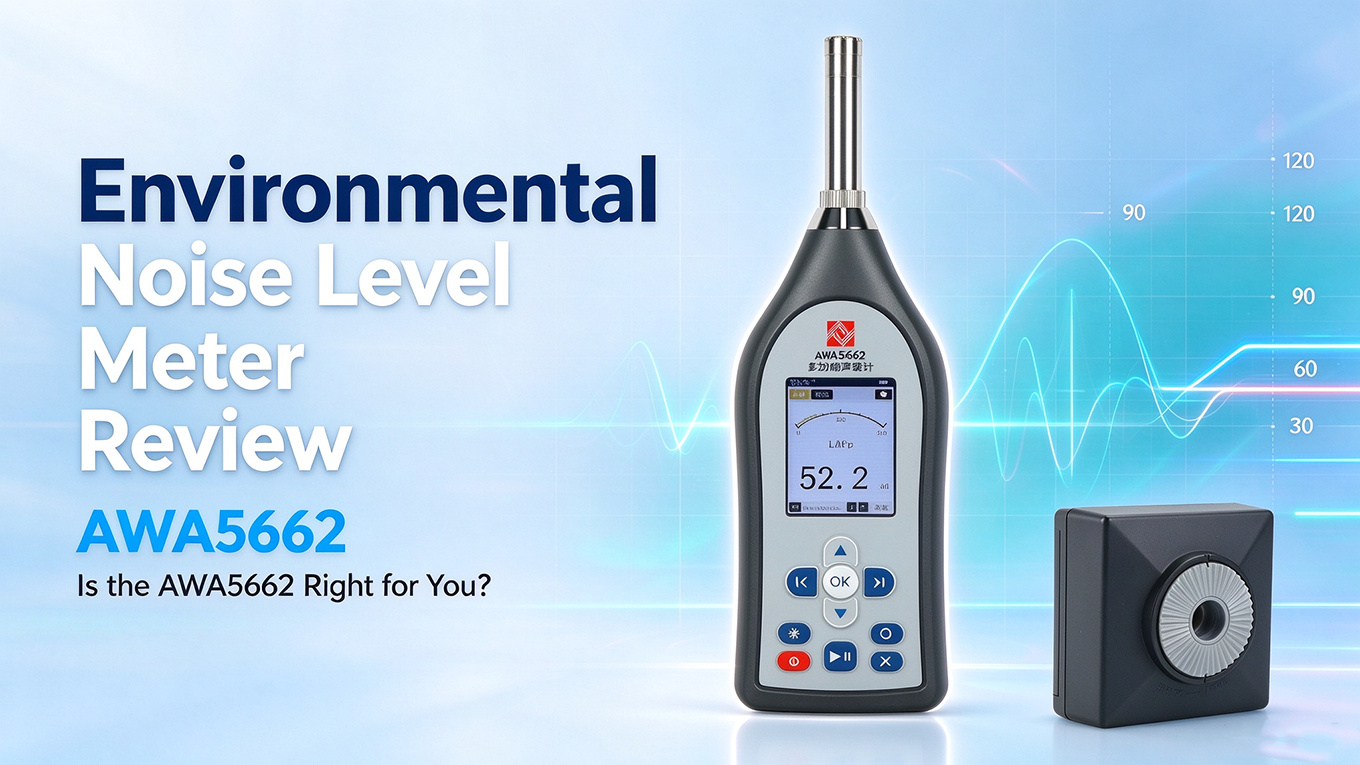
AWA5662: Class 1 Industrial Noise Meter for Workplace Surveys
Safety teams need proof that workers are not overexposed. The AWA5662 comes in four types (Basic, Integral Measurement, Sound Exposure/Dose and Statistical), so you buy the one that matches your survey method.
- Measures Leq, Lmax, LE, TWA, LEX,8h and DOSE.
- A 115 dB linear range means no manual range switching mid-survey.
- Optional 1/1 and 1/3 octave analysis, WAV/MP3 recording and PC data export.
- About 340 g, with a 2.4-inch color display and battery or external 5V power.
Best for EHS teams, factory noise surveys and machinery testing.
Not Sure You Need Class 1? Consider the AWA5636 Class 2 Sound Level Meter
If your work is routine screening, a Class 2 meter can be accurate enough and easier on the budget. The AWA5636 Series meets IEC 61672-1:2013 Class 2, uses digital signal processing for stable readings and needs no manual range switching. Its 128×64 OLED display keeps live data easy to read, and four configuration options let you pay only for the functions you need.
Read more
How to Choose a Class 1 Sound Level Meter: Tips and FAQs
Four questions to ask before you buy:
- Will the data be used for certification, legal or compliance purposes?
- Do you need frequency analysis, dose or reverberation measurements?
- How will results reach your team: USB export, wireless or LIMS?
- Will the meter be carried all day in the field?
Q: How often should a Class 1 sound level meter be calibrated?
A: Most users send the meter for laboratory calibration about once a year, and check it with an acoustic calibrator before and after each measurement session. Follow your local regulations.
Q: Can a Class 1 meter be used indoors and outdoors?
A: Yes. Fit a windscreen outdoors, and use suitable weather protection for long-term outdoor monitoring.
Q: Is a smartphone app a substitute?
A: No. Apps lack certified microphones and standards compliance, so they are not suitable for audits or formal reports.
Summary: Choose the Right Class 1 Sound Level Meter and Measure with Confidence
So, what is a Class 1 sound level meter? It is the precision instrument that gives you accurate, standards-based noise data you can defend. Choose the AWA6292 for all-in-one acoustic work, the AWA5662 for industrial and occupational surveys, or the AWA5636 when Class 2 is enough.
Ready to upgrade? Explore the full range at hzaihua.com and request a quote today.
blog latest news

Any questions? We look forward to hearing from you.
 Tel: +86-19012832378