
- Home
- About Us
- Products
- Application
- Resource
- News
- Contact Us
Leave Your Message
Portugal is experiencing a rapid technological evolution. Under the national "Indústria 4.0" initiative, traditional manufacturing, maritime logistics, and renewable energy sectors are transforming into high-tech, data-driven powerhouses. From the bustling automotive assembly lines of Palmela (Autoeuropa) to the massive deepwater port operations in Sines, the demand for precision machinery diagnostics has never been higher. Vibration measuring instruments have emerged as a critical element in this transformation, serving as the first line of defense against unexpected machinery downtime, structural failures, and occupational health hazards.
In regions like Porto and Braga, the robust metalworking, textile, and machinery manufacturing sectors rely on continuous predictive maintenance. By monitoring parameters such as displacement, velocity, and acceleration, Portuguese engineers can accurately predict bearing wear, shaft misalignment, and structural fatigue. This proactive approach significantly reduces maintenance costs, enhances plant safety, and maximizes operational efficiency, keeping Portuguese enterprises highly competitive in the global European market.
Portugal generates over 25% of its electricity from wind energy. High-precision vibration sensors monitor wind turbine gearboxes and main bearings across wind farms in Viseu and Serra da Estrela, preventing catastrophic failures.
With major manufacturing plants located in Palmela and Évora, robotic assembly lines and heavy stamping presses utilize online vibration monitoring systems to maintain continuous, high-speed production cycles.
The expansion of the Lisbon and Porto Metro networks requires continuous monitoring of structural vibration to safeguard historical buildings from heavy construction and underground transit-induced tremors.
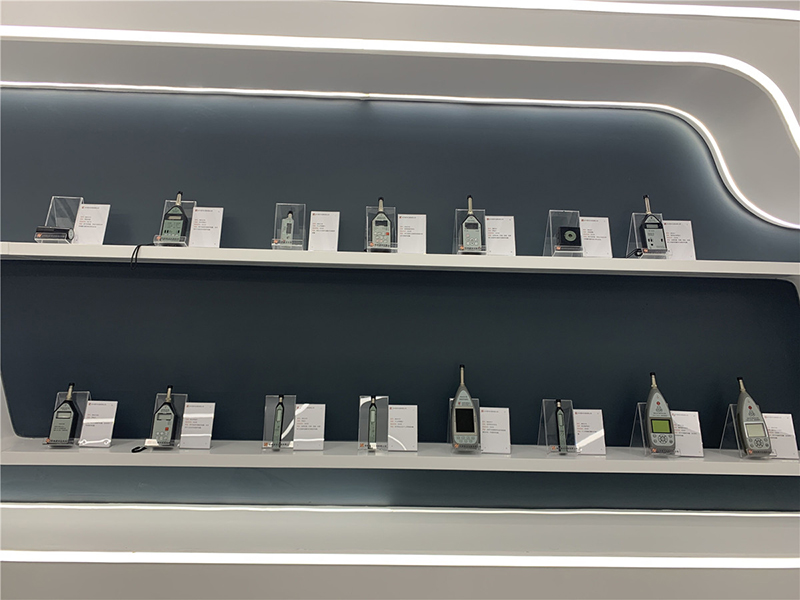
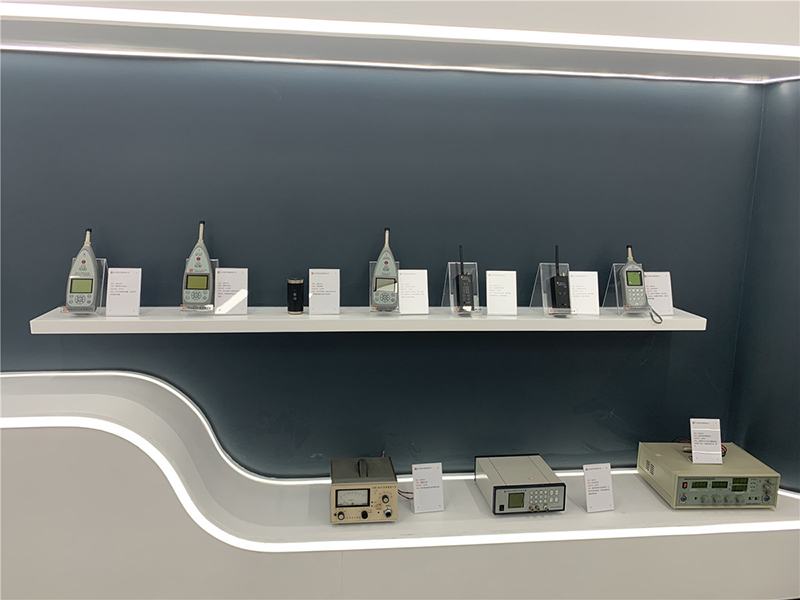
The vibration measuring instruments market in Portugal is shifting rapidly toward smart, IoT-enabled, and portable solutions. Maintenance teams are transitioning away from heavy, complex rack-mounted systems to portable FFT vibration analyzers like the YT3002 and handheld devices like the YT3001A. These modern systems offer real-time data transmission, integrated cloud diagnostics, and user-friendly interfaces, allowing technicians with varied experience levels to execute advanced diagnostic protocols. Furthermore, strict compliance with European occupational health directive 2002/44/EC has boosted the adoption of specialized human vibration meters, such as the AWA5937 Hand-Transmitted Vibration Meter, protecting workers across Portugal's construction and manufacturing sectors from Hand-Arm Vibration Syndrome (HAVS).
Founded in 1992, Aihua Instruments is a Hangzhou-based manufacturer specializing in precision acoustic testing and vibration measurement instrumentation. With over 30 years of unwavering dedication to the acoustic and vibration field, we have established ourselves as one of China's foremost high-tech enterprises in this domain. From our early days as a pioneering research institute to today's internationally recognized brand, our growth reflects a relentless commitment to technological excellence and customer satisfaction.
For the Portuguese market, Aihua Instruments provides an optimized combination of European-compliant precision and direct-from-manufacturer cost efficiency. Our systems are built in strict accordance with IEC and ISO international standards, ensuring seamless integration into any Portuguese industrial, environmental, or laboratory calibration workflow.

Years of Dedication
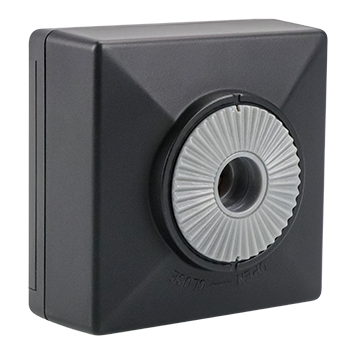
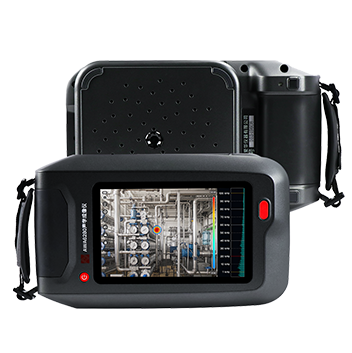
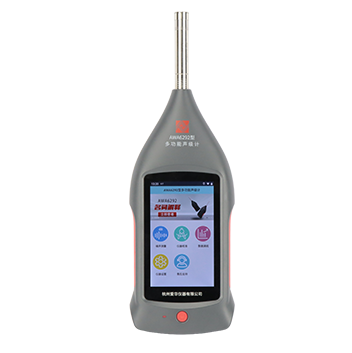
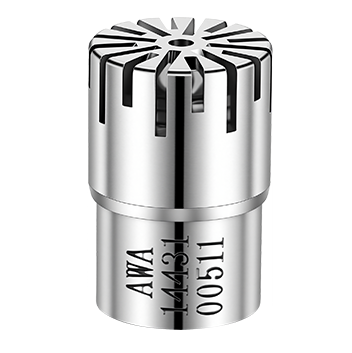
When investing in vibration measurement instrumentation in Portugal, understanding the pricing structure and the factors that influence cost is vital for making an economically sound decision. The Portuguese market features a wide spectrum of solutions, ranging from basic handheld indicators to complex, multi-channel online analyzer setups. Typically, prices in Portugal are categorized into three main segments:
Several key factors dictate the final price of vibration measuring instruments in Portugal:
To demonstrate the practical value of our high-precision vibration measurement solutions, we look at several real-world application scenarios modeled after actual industrial projects across Portugal:
The Challenge: A major renewable energy operator managing wind farms in the mountainous Viseu district was experiencing premature bearing failures in their 2MW wind turbine gearboxes. Unplanned downtime during high-wind winter months was causing substantial financial losses.
The Solution: Technicians deployed the YT3002 Portable FFT Vibration Analyzer. By placing high-sensitivity accelerometers on the generator and high-speed shaft bearings, they captured high-frequency acceleration envelope spectra. The FFT analysis revealed a distinct defect frequency corresponding to an inner race flaw on the generator bearing.
The Result: The operator scheduled a planned bearing replacement during a low-wind period, saving an estimated €45,000 in emergency crane rental and gearbox replacement costs, while ensuring continuous green energy delivery to the Portuguese grid.
The Challenge: The ongoing expansion of the Lisbon Metro network required extensive tunneling and heavy excavation work in close proximity to historic Pombaline buildings. Structural engineers needed to monitor construction-induced ground vibrations to prevent micro-cracks in these historic facades.
The Solution: Utilizing the YT3001B High-Sensitivity Multi-Parameter Vibration Meter, engineers established continuous monitoring stations at the basements of the most vulnerable buildings. The instrument measured peak particle velocity (PPV) and displacement in real-time, sending automated alerts whenever vibration levels approached the thresholds defined by the Portuguese standard NP 2074.
The Result: Construction methods were adjusted in real-time based on the vibration data, successfully completing the transit expansion while keeping Lisbon's invaluable cultural heritage completely unharmed.
The Challenge: A leading civil engineering firm based in Porto faced strict labor inspections regarding worker exposure to mechanical vibration. Handheld tools like jackhammers, compactors, and grinders were suspected of exceeding safe daily vibration limits.
The Solution: The safety department equipped their industrial hygiene team with the AWA5937 Hand-Transmitted Vibration Meter. The triaxial accelerometer was securely mounted directly to the handles of the active tools during typical operations, measuring the frequency-weighted acceleration values in accordance with ISO 5349.
The Result: The firm identified three outdated jackhammers that exceeded exposure action values. By replacing these tools and implementing a rotation schedule based on precise exposure data, they achieved full compliance with EU Directive 2002/44/EC, protecting their workforce from occupational injuries.
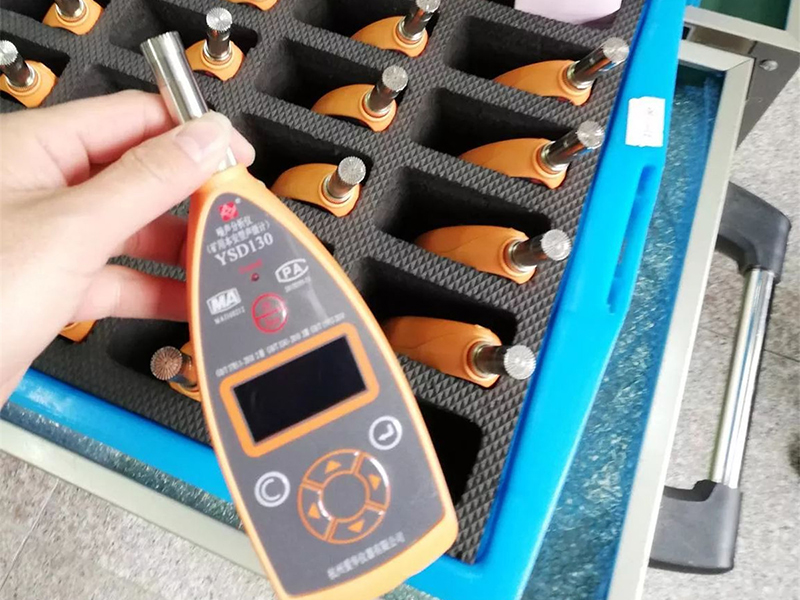
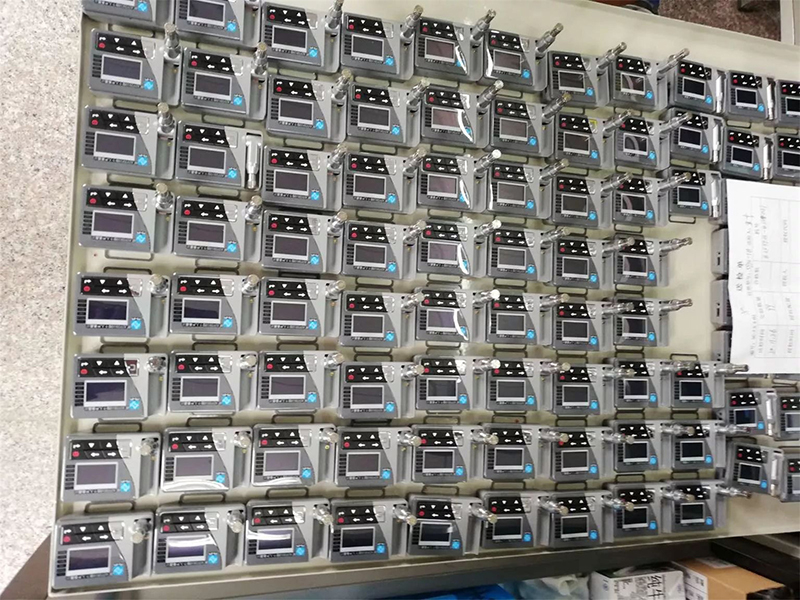
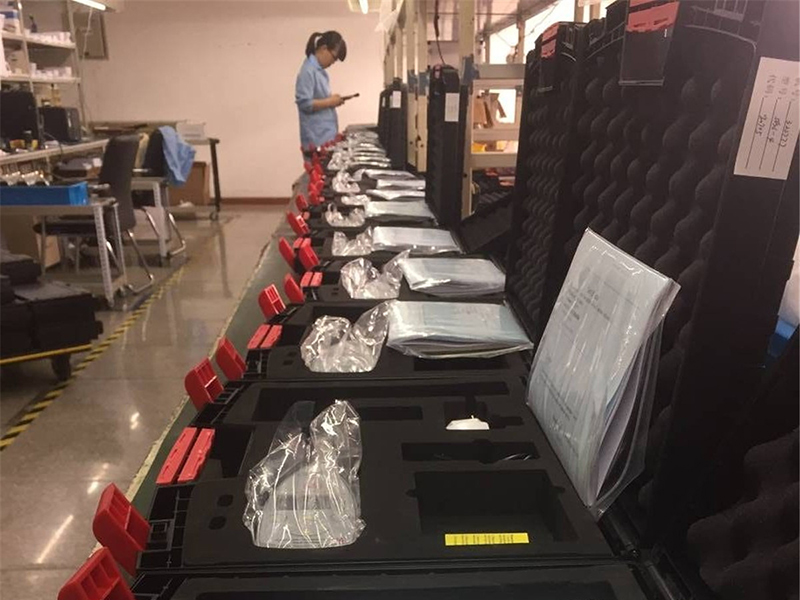
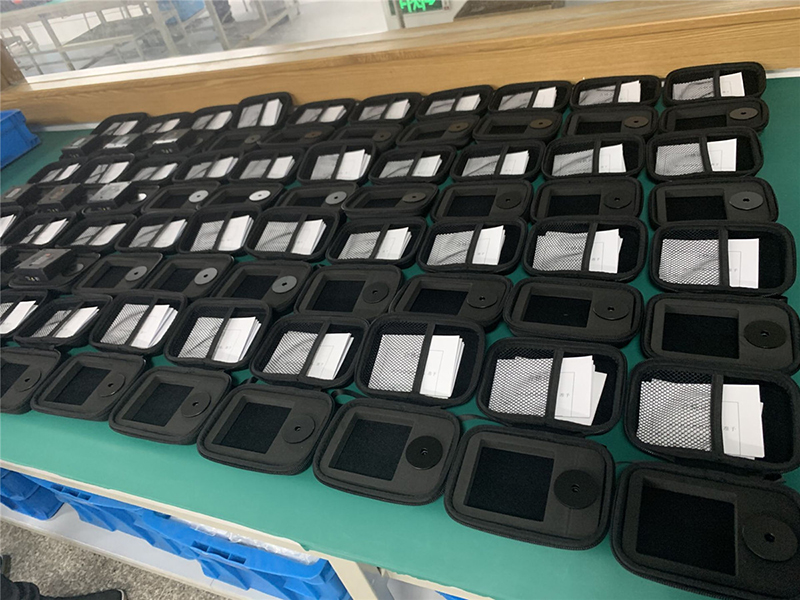
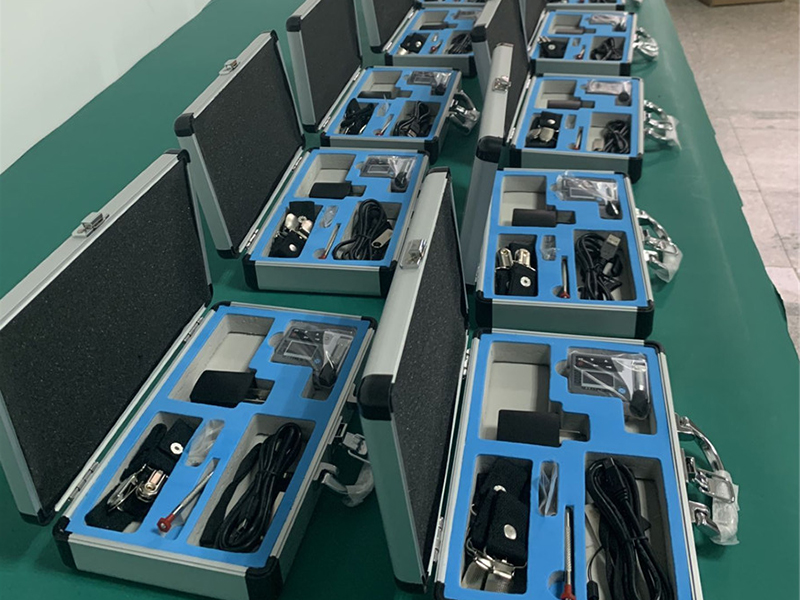
Our fully equipped manufacturing facility features advanced automated test systems, ensuring every product meets strict quality benchmarks before leaving the factory.
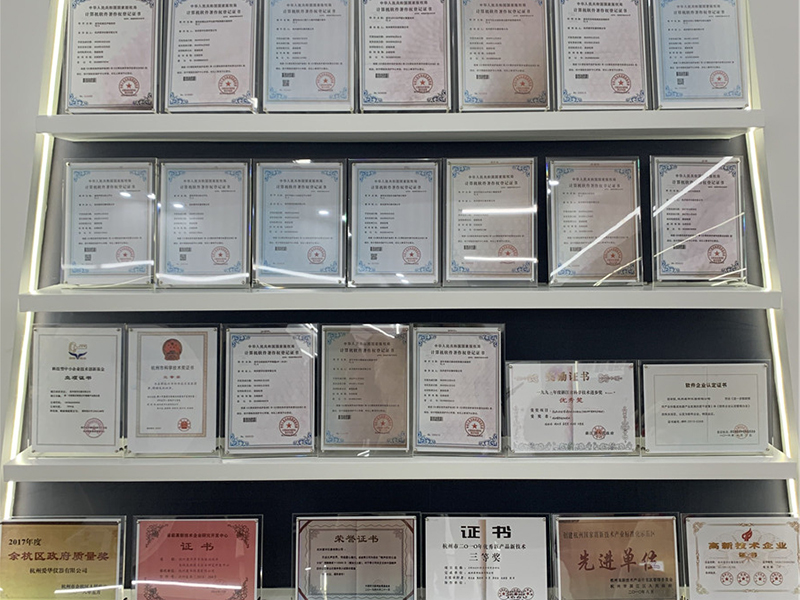
Identified as a provincial High-tech Enterprise Center, our engineering team continuously drives innovation in digital detection, signal processing, and supports OEM/ODM partnerships.
Our systems hold ISO 14001, ISO 45001, CE, and RoHS certifications, demonstrating our commitment to environmental responsibility, workplace safety, and global compliance.
We export to over 40 countries across Europe, North America, South America, and Asia, with a strong reputation built on consistent quality and competitive pricing.
Backed by professional engineers, we deliver responsive, expert support throughout the entire product lifecycle, ensuring our customers always have the assistance they need.
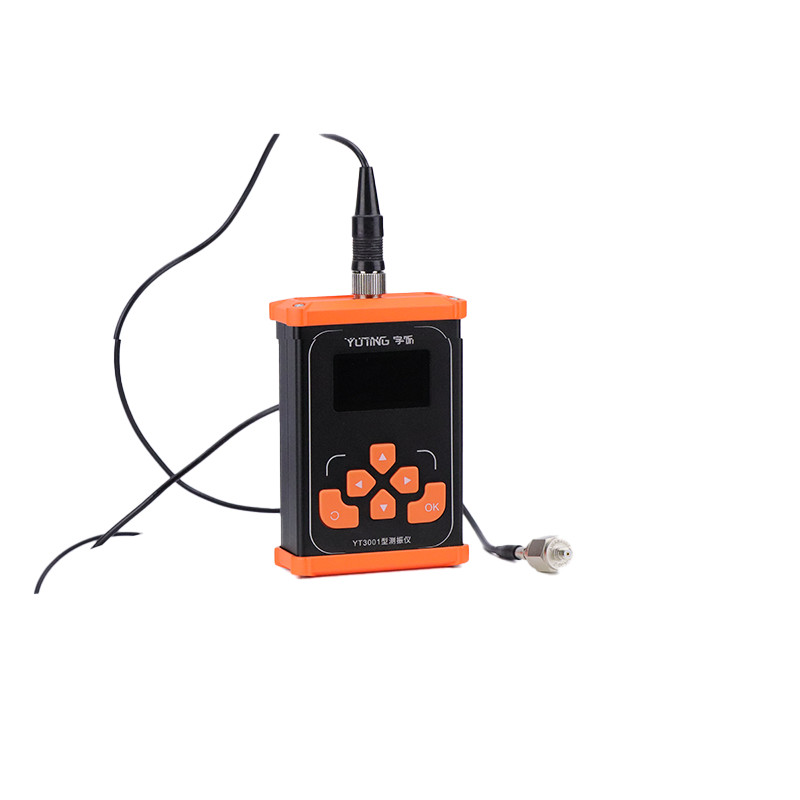
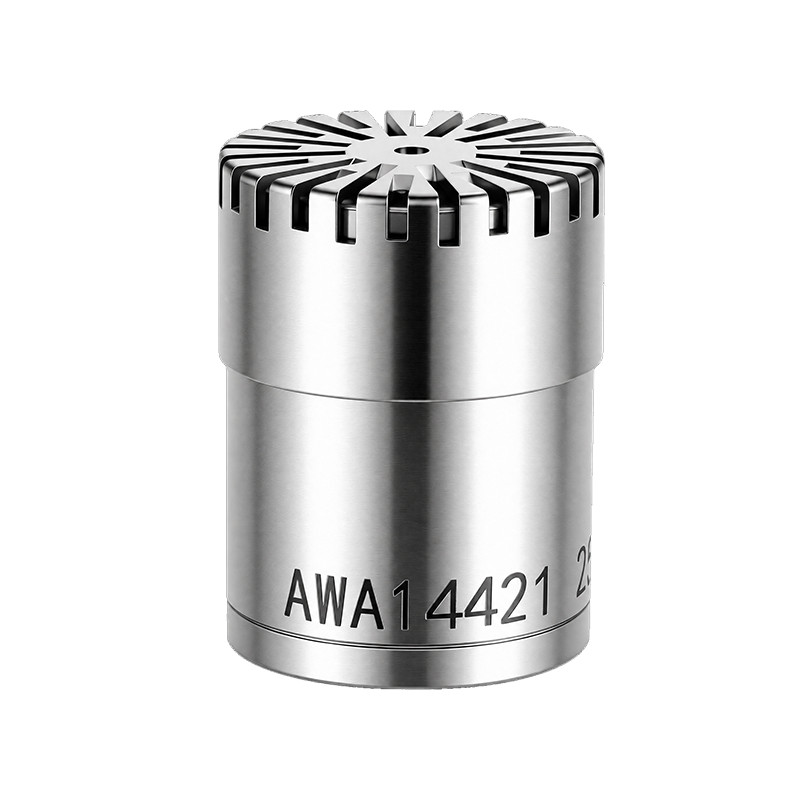
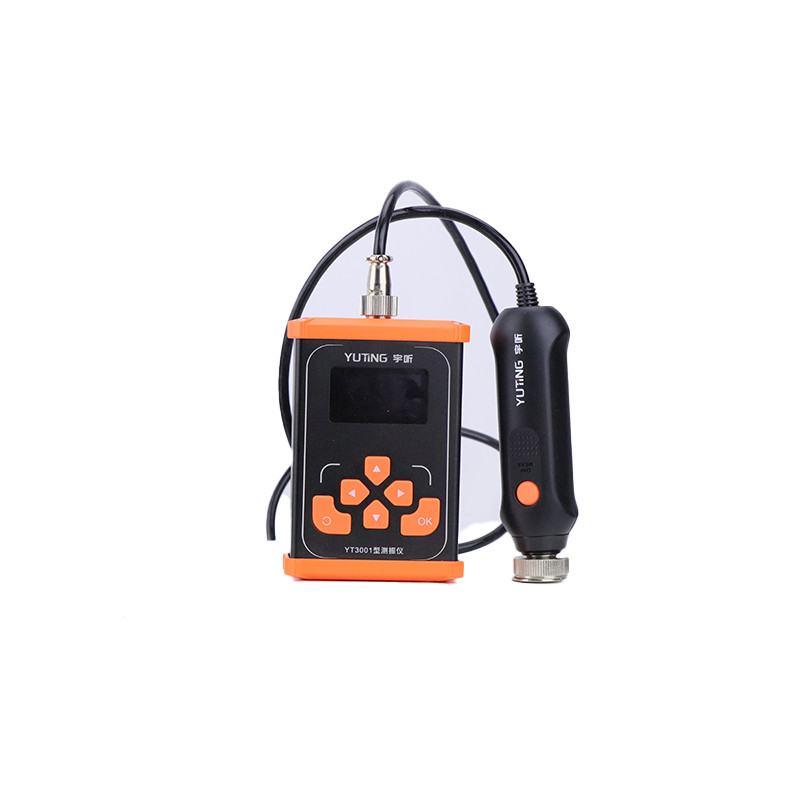
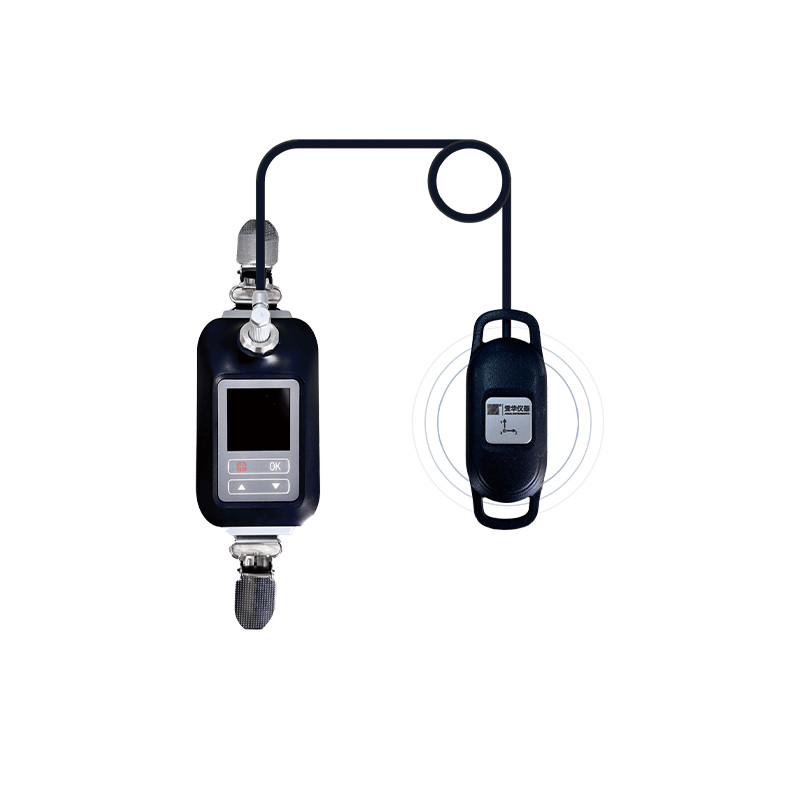
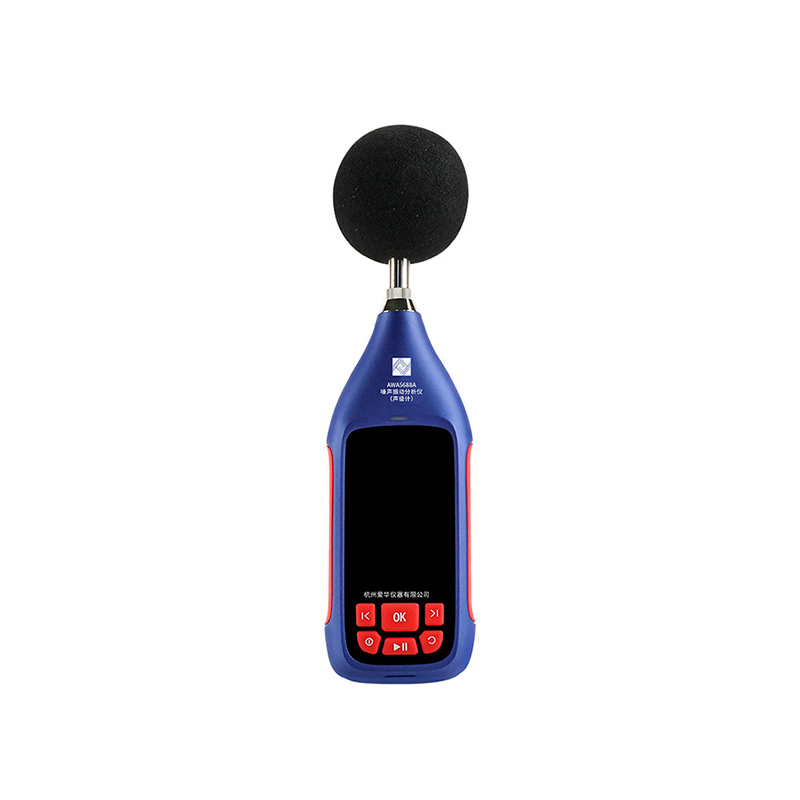
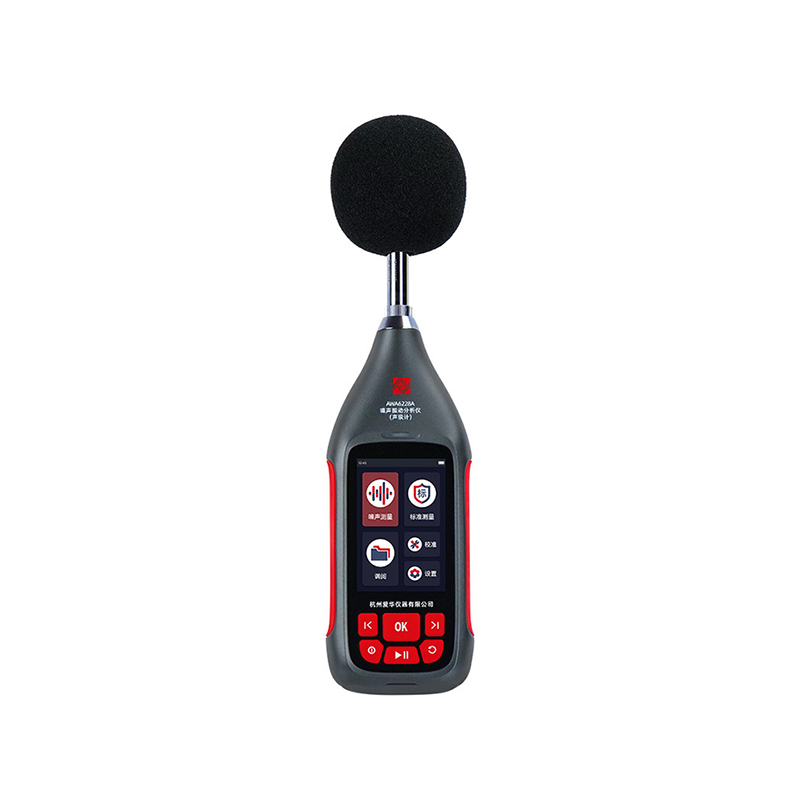
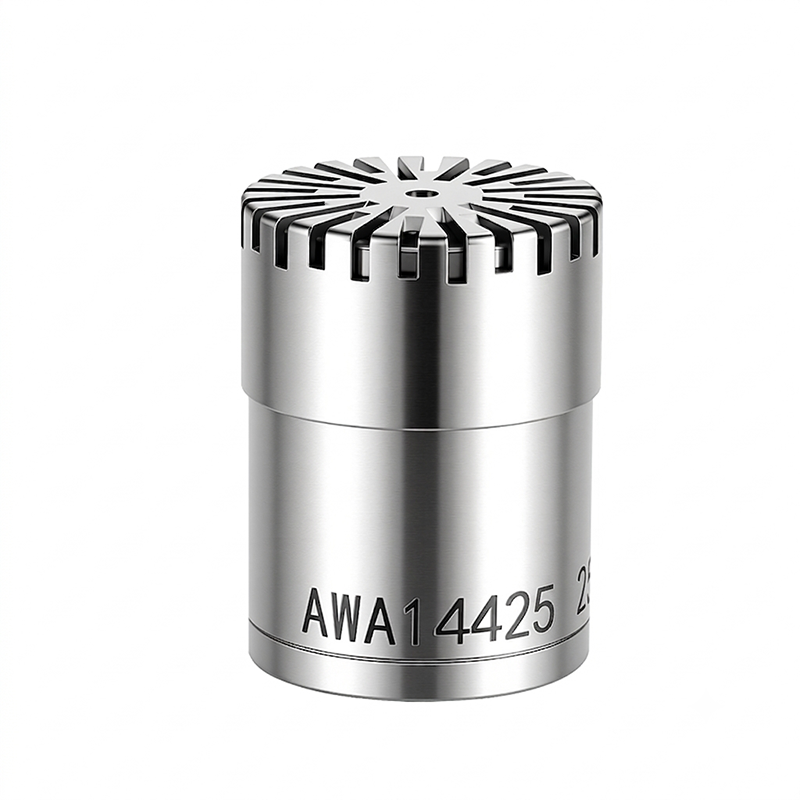
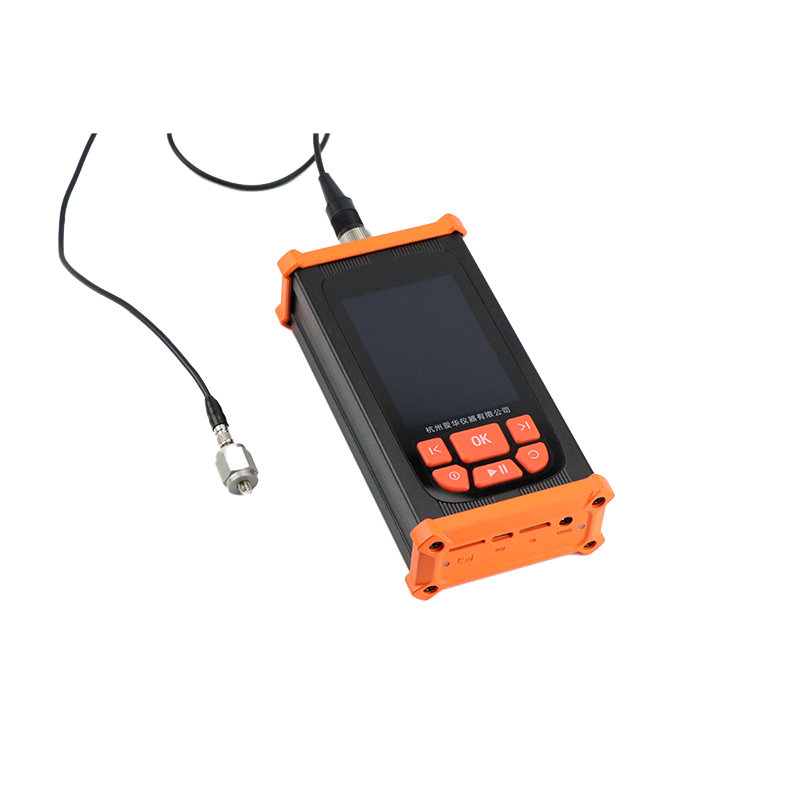
30+ YEARS OF ACOUSTIC EXCELLENCE, BUILT IN CHINA, TRUSTED WORLDWIDE
Looking for a reliable vibration measuring instruments manufacturer with competitive pricing for your project in Portugal? Contact our engineering team today for technical consultations, customized solutions, and direct-factory quotes.
Request a Quote & Catalog


