- Home
- About Us
- Products
- Application
- Resource
- News
- Contact Us
Leave Your Message
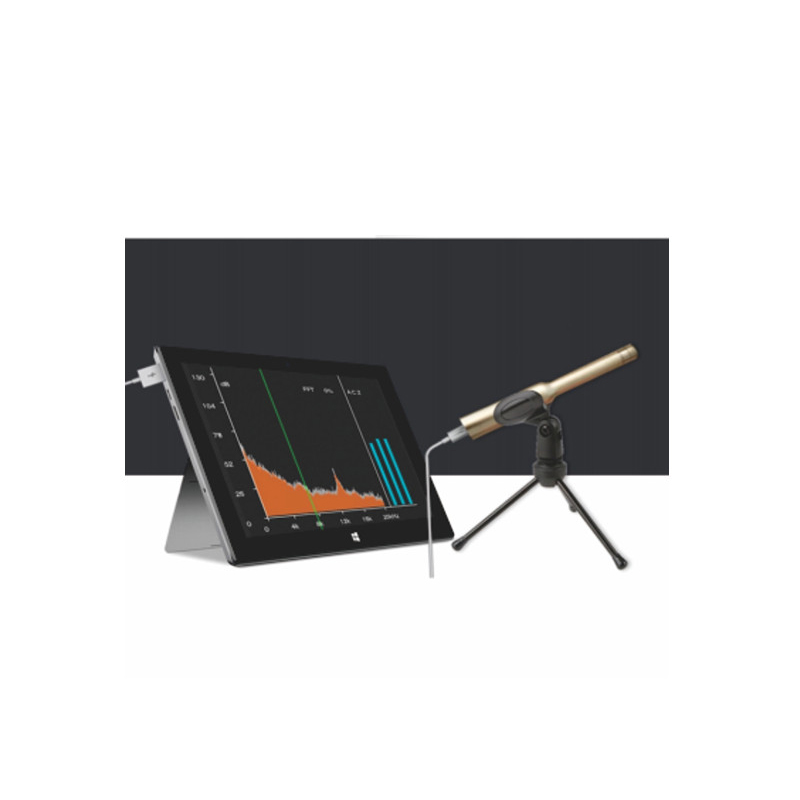
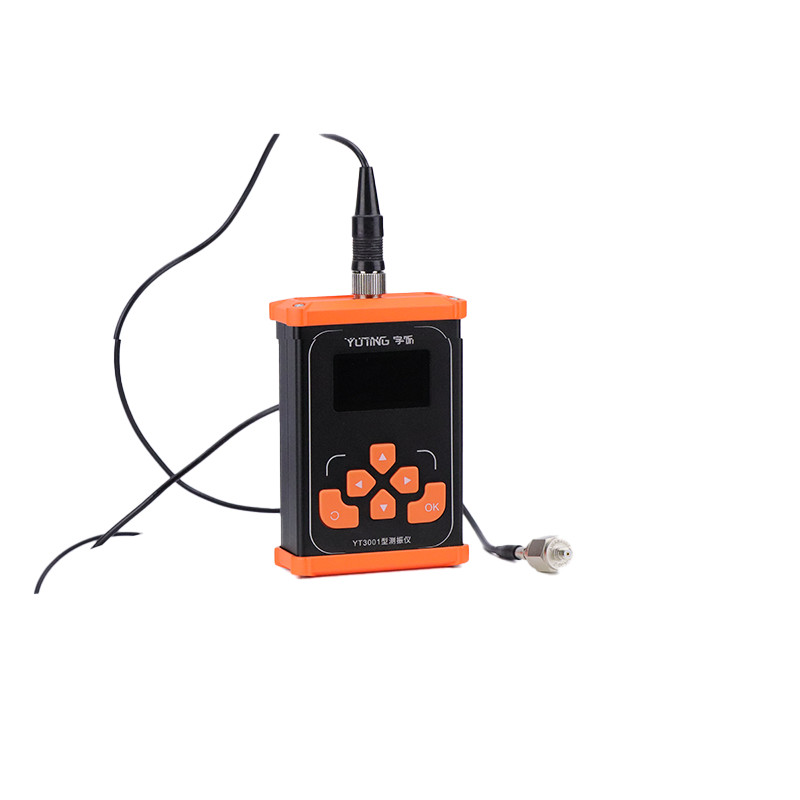
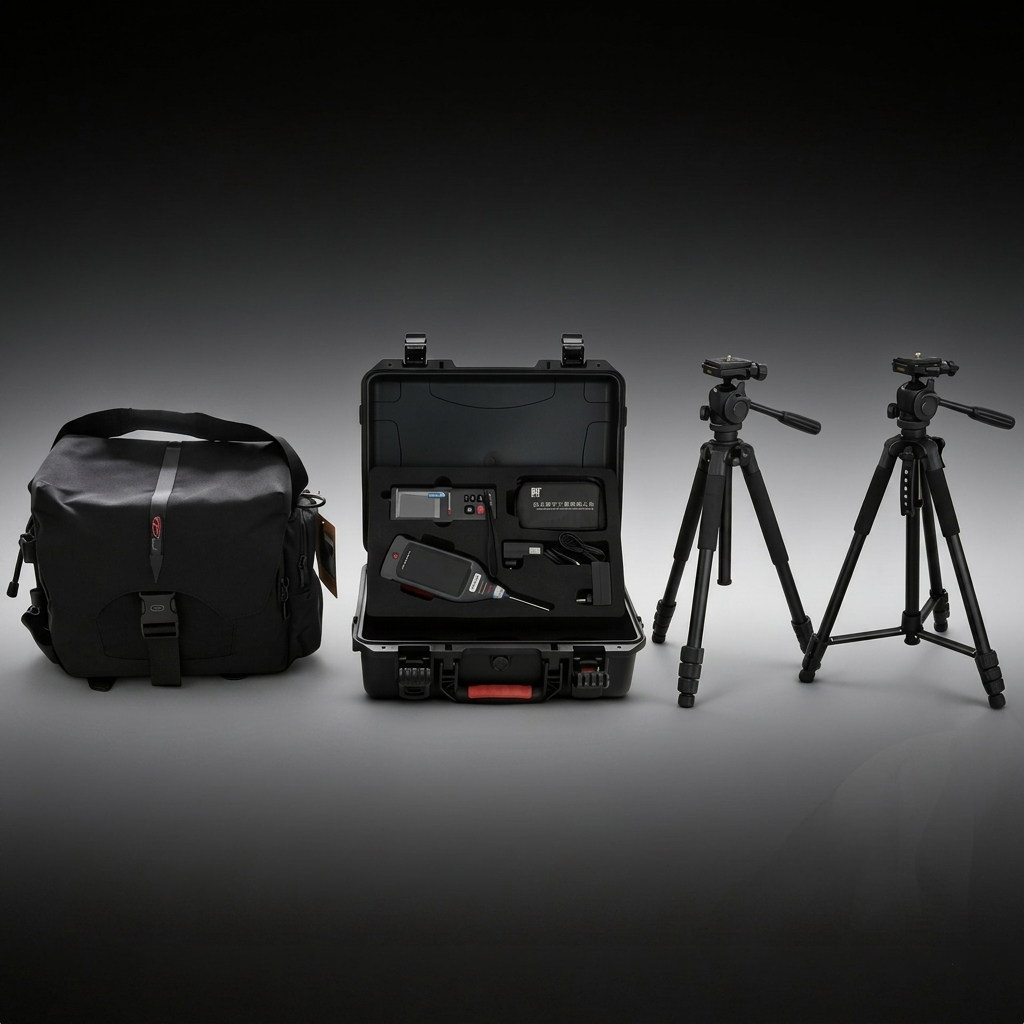
Engineered to empower predictive maintenance engineers with rapid acoustic visualization, sound pressure calibration, and broadband vibrational diagnostic capabilities.
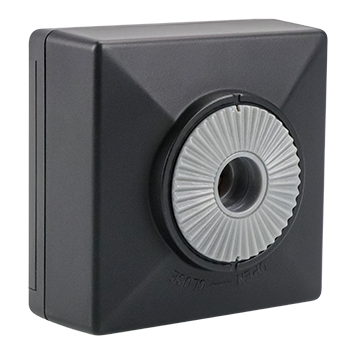
Precision laboratory-grade acoustic calibrator delivering stable sound pressure references for Class 1 measurement microphones and ultrasonic leak analyzers.
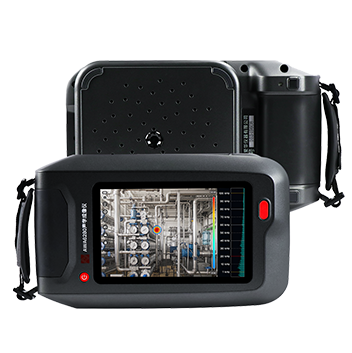
High-density microphone array camera combining ultrasound detection and visual imagery to superimpose real-time compressed air leaks and mechanical vibration spots.
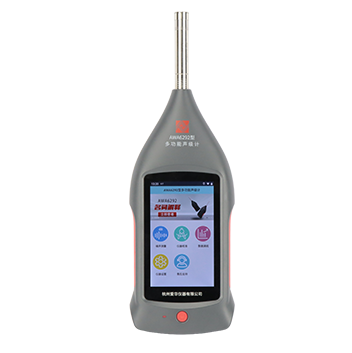
Next-generation multi-tasking sound level meter delivering simultaneous 1/1 and 1/3 octave real-time frequency analysis for environmental and plant vibration assessment.
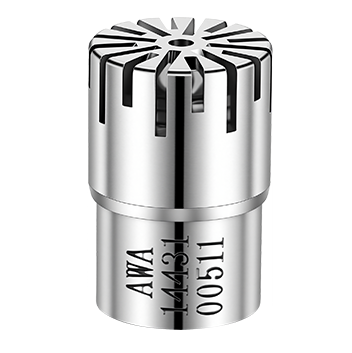
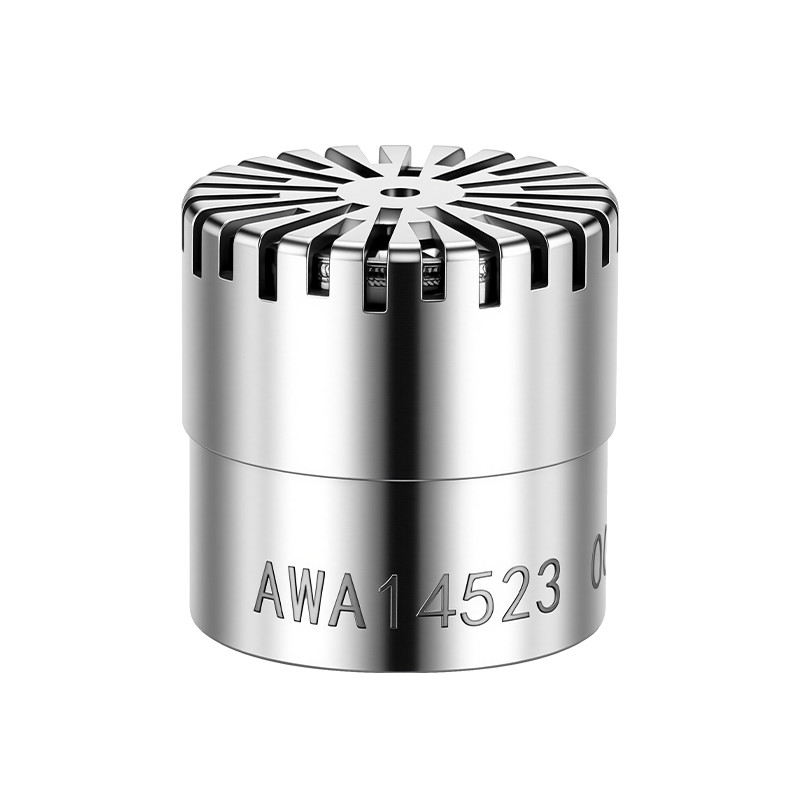
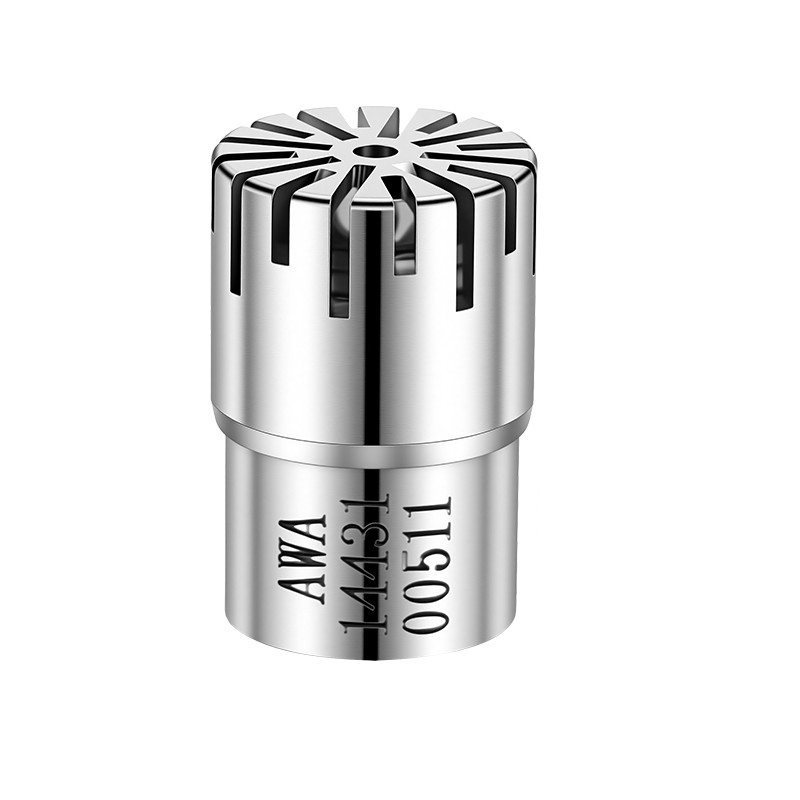
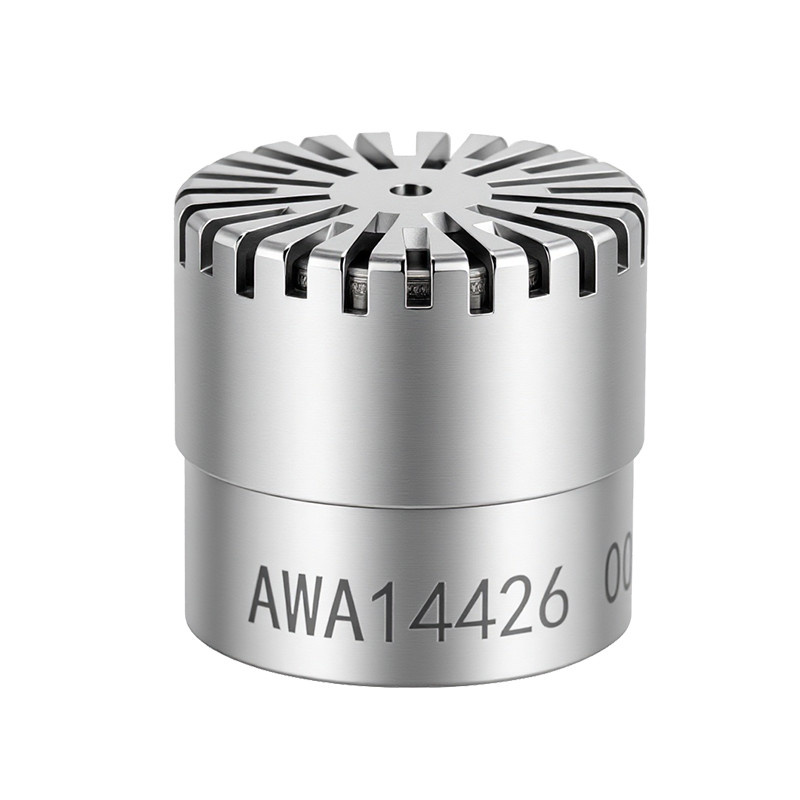
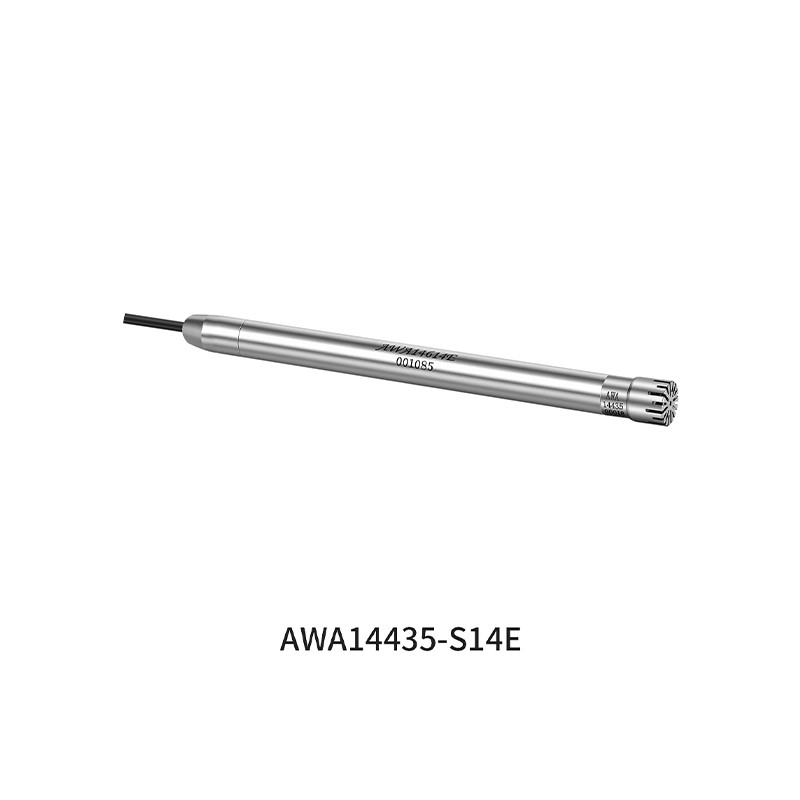
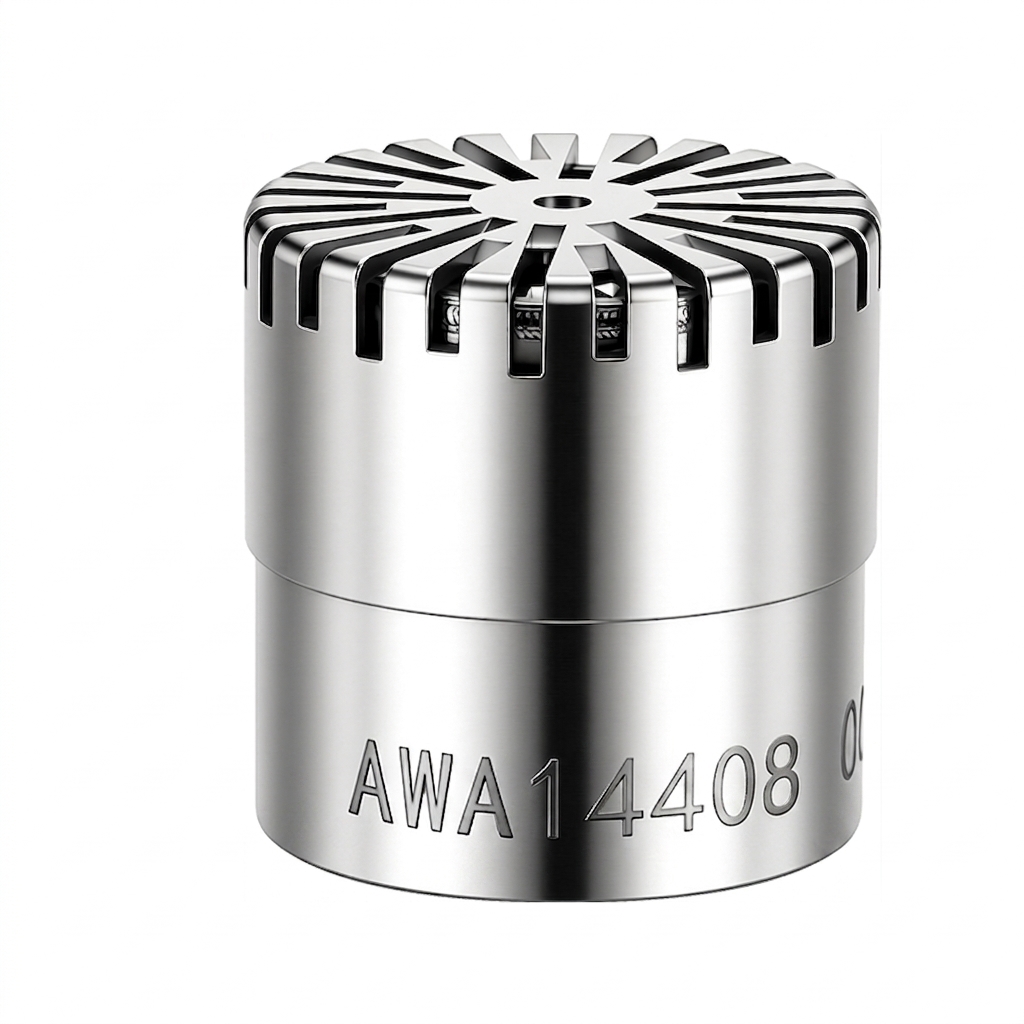
1/4" prepolarized free-field wideband measurement microphone engineered for extended acoustic imaging bandwidth up to high-frequency ultrasonic spectra.
In modern industrial facilities, pneumatic infrastructure, turbomachinery, and electrical substations form the backbone of automated production. However, unmonitored mechanical degradation and pneumatic inefficiencies represent tens of billions of dollars in annual operating losses. Historically, vibration measurement sensors and acoustic leak detectors occupied distinct categories in asset reliability programs. Accelerometers handled low-to-medium frequency rotating structural vibrations, while handheld directional ultrasonic listening sticks pinpointed pressurized gas escaping through orifices.
Today, the advent of acoustic cameras, advanced beamforming algorithms, and broadband vibration measurement sensors has unified these once-disparate metrology fields. By combining multi-channel piezoelectric accelerometers, dynamic pressure sensors, and high-frequency microphone arrays, reliability engineers can literally "see" sound and vibration in real time. Acoustic imaging maps ultrasound emissions onto optical video streams, illuminating turbulent fluid flows and micro-fissures in pressurized air lines, steam distribution circuits, and specialized industrial gas lines with millimetric precision.
Compressed air is widely recognized as manufacturing's "fourth utility"—and unequivocally the most expensive. Generating compressed air consumes approximately 10% of all industrial electricity worldwide. Yet, industrial audit benchmarks published by the Compressed Air Challenge (CAC) and the U.S. Department of Energy indicate that an average unmanaged plant squanders 20% to 35% of its total compressor capacity on continuous pneumatic leaks, faulty valves, worn seals, and corroded quick-disconnect fittings.
A single 3 mm (1/8-inch) puncture in a 7-bar (100 psig) compressed air header bleeds approximately 31 liters per second (65 scfm). At an average commercial power rate of $0.10/kWh, that solitary pinpoint leak costs plant operators over $3,500 every year in wasted electricity. Scaled across an automotive stamping shop, semiconductor cleanroom, food and beverage bottling line, or petrochemical refinery with hundreds of pneumatic drop points, annual losses easily reach six-figure totals. Beyond direct electricity charges, uncontrolled leaks force air compressors to cycle prematurely, elevate internal operating temperatures, degrade artificial moisture desiccant beds, and cause intolerable pressure drops that stall robotic pick-and-place actuators.
Utilizes delay-and-sum spatial filtering across 64+ synchronized high-frequency acoustic sensing elements to localize sound pressure waves generated by turbulent jet leaks.
Broadband piezoelectric acceleration sensors measure structural resonances, gear impact transients, and valve flapper flutter from 0.1 Hz to 40 kHz with ultra-low noise floors.
Machine-learned spectral discriminators filter out continuous factory background hum (conveyors, motors, stampers) to spotlight high-frequency frictional air jet acoustics.
To appreciate how vibration measurement sensors and acoustic imaging arrays detect compressed air leaks, one must examine the aeroacoustic fluid dynamics occurring at the leak boundary. When compressed gas discharges into an ambient atmospheric environment through a crack or orifice, the sudden pressure gradient across the orifice boundary accelerates the fluid velocity to sonic or supersonic velocities (Mach ≥ 1.0). This generates intense shear friction between the high-velocity jet flow and the surrounding quiescent ambient air.
The resulting flow instability produces turbulent eddies. The spatial breakdown of these vortex structures emits acoustic energy across a broad spectrum. While lower frequencies (20 Hz to 15 kHz) are easily masked by heavy manufacturing machinery, stampers, and fork trucks, the turbulent micro-vortices produce substantial high-frequency acoustic emission predominantly between 20 kHz and 80 kHz. This ultrasonic band exhibits minimal ambient factory interference and short acoustic wavelengths, allowing phased microphone arrays to achieve sharp spatial resolution.
Concurrently, the turbulent pressure fluctuations impart fluctuating reactive forces directly onto the interior walls of the pipe, flange, or valve body. This excitation causes elastic stress wave propagation and localized structural vibrations in the piping substrate. Broadband piezoelectric vibration sensors directly mounted on valves, pipes, or manifolds can detect these high-frequency surface wave signatures (often referred to as Acoustic Emission or high-frequency vibration), providing continuous embedded monitoring even in environments where ambient line-of-sight visual imaging is obscured.
Pneumatic ring mains in automotive assembly and pharmaceutical packaging span miles of overhead trunk lines. Acoustic cameras enable technicians to scan overhead runs up to 50 meters away during full production, instantly isolating cracked push-fit connectors, leaky regulator diaphragms, and cracked hoses without lifting scaffolding or halting lines.
Acoustic imaging sensors detect partial discharge, surface tracking, and corona in transformers, switchgear, insulators, and transmission lines. Ionization of air produces ultrasonic pulses that acoustic sensors visualize as localized radiation hot spots, preventing catastrophic arc flashes and unplanned grid outages.
Deficient hydrodynamic lubrication, micro-spalling in bearing raceways, and gear teeth micro-pitting generate transient high-frequency stress waves before measurable temperature spikes or low-frequency velocity spikes emerge. Broadband vibration sensors and acoustic imagers capture friction before catastrophic mechanical seizure occurs.
Failed-open steam traps waste massive thermal energy while failed-closed traps risk hydraulic water hammer damage. Combining ultrasonic acoustic imaging with surface contact vibration probes enables instantaneous discrimination between normal intermittent cyclical discharge and continuous blow-through steam waste.
Accurate acoustic imaging and vibration diagnosis require uncompromising sensor specifications. Low-cost consumer MEMS microphones frequently suffer from phase jitter, high thermal drift, and narrow dynamic ranges that distort beamforming steering vectors. Professional-grade acoustic imaging devices rely on precision-calibrated sensor elements built with stringent phase matching (±0.5 degrees) and flat frequency response over extended operational bandwidths.
Key technological criteria in vibration and acoustic sensor design include:
Investing in advanced vibration measurement sensors and acoustic imaging systems offers one of the shortest payback periods in industrial automation—frequently under six months. Consider a manufacturing plant operating a 200 kW compressor network running 6,000 hours per year. If an acoustic imaging audit eliminates an aggregate leak volume of 200 scfm (approximately 30% of system capacity), the facility reclaims approximately 45 kW of electric draw continuously.
At an electrical utility cost of $0.12/kWh, the direct annual energy savings equal:
45 kW × 6,000 hrs/year × $0.12/kWh = $32,400 USD Annual Electricity Savings
Additionally, lowering compressor run times extends overhaul intervals by thousands of hours, prevents unscheduled production stops caused by line pressure drop, and directly reduces carbon emissions under corporate Scope 2 ESG sustainability commitments. The inspection time itself drops precipitously: an inspector with an acoustic camera can survey an entire 50,000 sq. meter plant in two days—a task that previously required weeks of cumbersome soap bubble testing or blind ultrasound sniffing.
Founded in 1992, Aihua Instruments is a Hangzhou-based manufacturer specializing in precision acoustic testing and vibration measurement instrumentation. With over 30 years of unwavering dedication to the acoustic and vibration field, we have established ourselves as one of China's foremost high-tech enterprises in this domain.
From our early days as a pioneering research institute to today's internationally recognized brand, our growth reflects a relentless commitment to technological excellence and customer satisfaction. Notably, we design and manufacture our own measurement microphones in-house — from cartridge development to automated performance testing — giving us a critical quality advantage that few competitors can match.

Explore our advanced manufacturing base, anechoic test chambers, cleanroom assembly lines, and high-precision calibration laboratories.
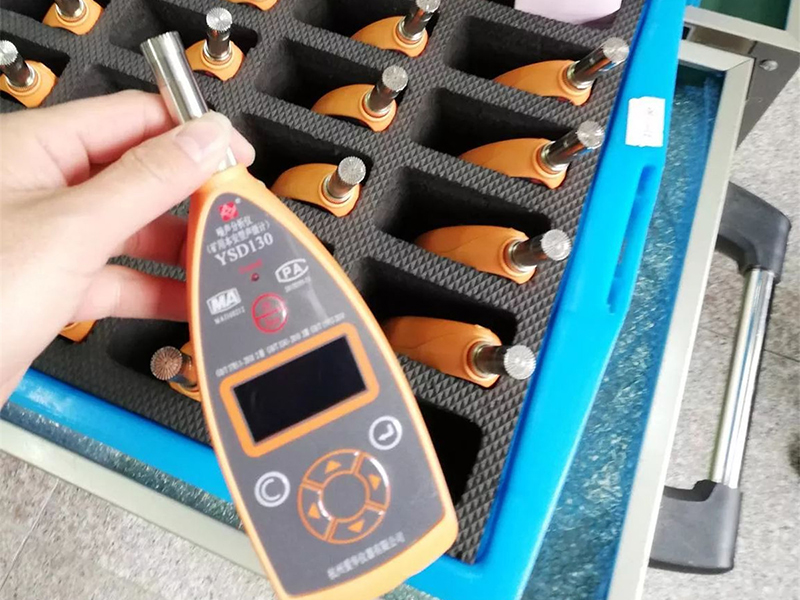
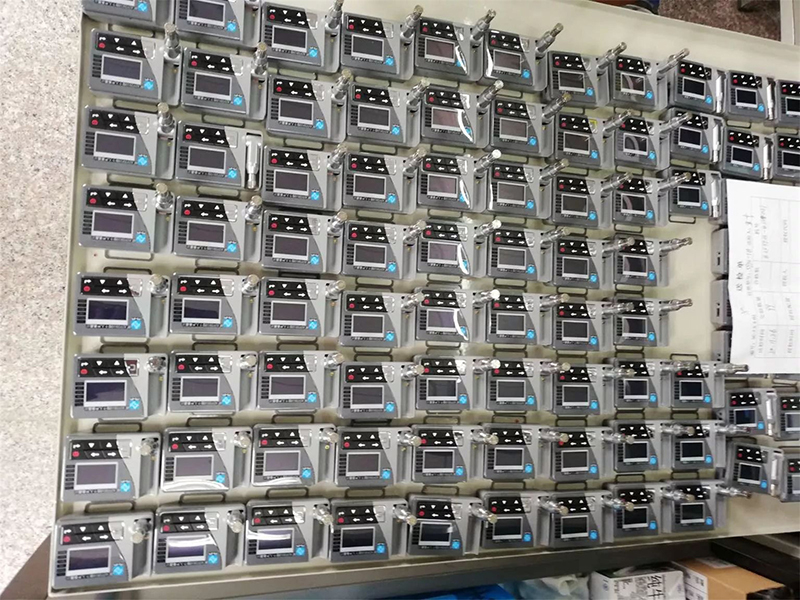
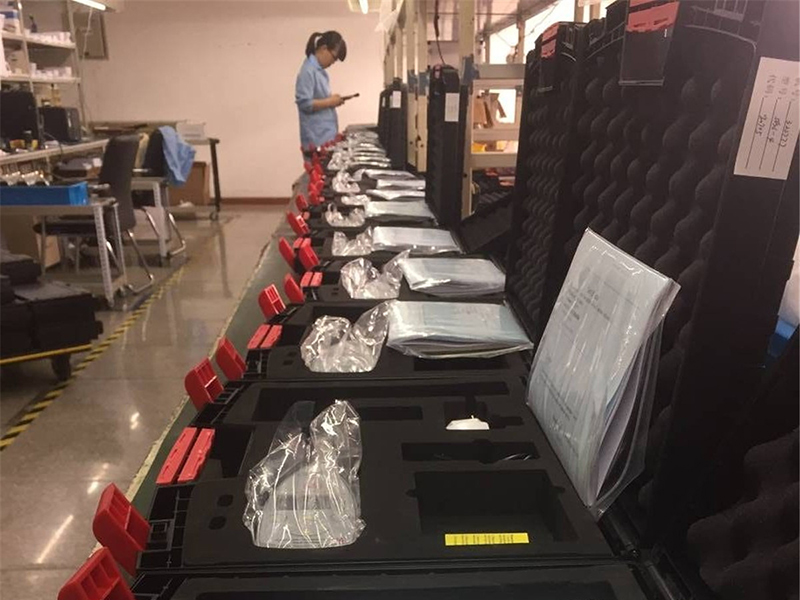

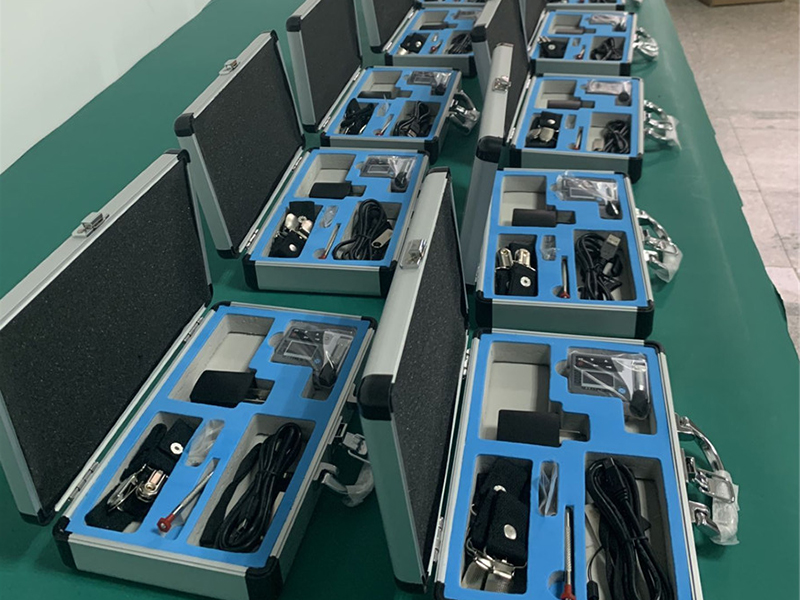

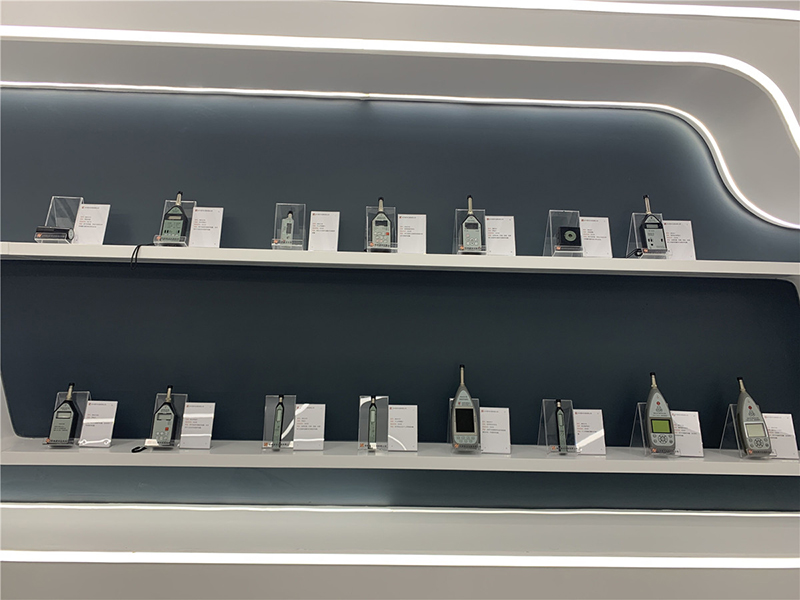
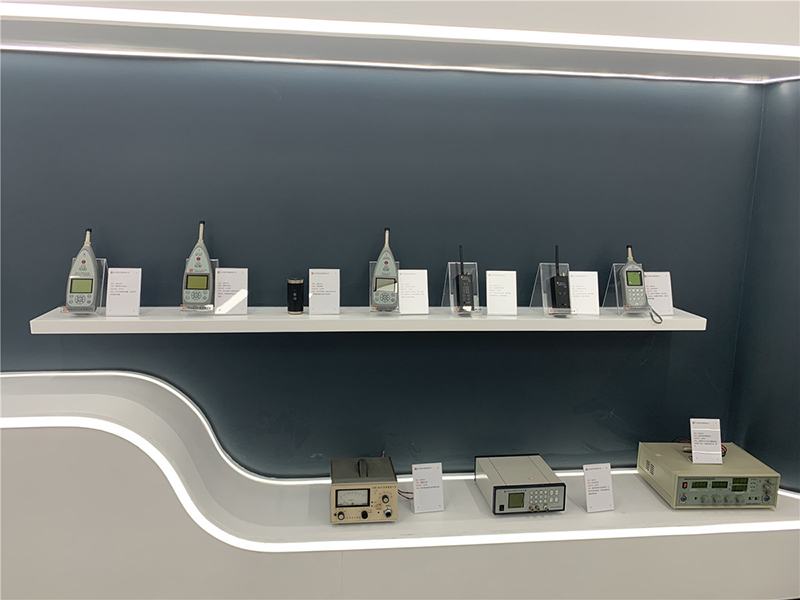
Your Trusted Partner in Acoustic & Vibration Measurement Instrumentation and Automated Testing Systems
Our fully equipped manufacturing facility features advanced automated test systems, ensuring every product meets strict quality benchmarks before leaving the factory.
Identified as a provincial High-tech Enterprise R&D Center, our dedicated engineering team continuously drives innovation in digital detection, signal processing, and remote monitoring technologies.
Our management systems and products hold ISO 14001, ISO 45001, CE, and RoHS certifications, demonstrating our commitment to environmental responsibility and workplace compliance.
We export to over 40 countries across Europe, North America, South America, and Asia, with a strong reputation built on consistent quality and competitive pricing.
Backed by professional engineers, we deliver responsive, expert support throughout the entire product lifecycle, ensuring our customers always have expert assistance.
As smart manufacturing evolves toward lights-out automation, the deployment of vibration measurement sensors and acoustic imaging systems is undergoing a monumental paradigm shift. Rather than relying solely on periodic manual inspections with handheld devices, industry leaders are transitioning to continuous automated monitoring powered by autonomous robotics and edge-computing sensor networks.
Four emerging technological trajectories define the future of acoustic and vibration metrology:
When selecting measurement sensors for acoustic imaging and compressed air leak detection, reliability managers should balance several key operational parameters:
Explore our complete spectrum of class-leading measurement microphones, vibration meters, and acoustic calibration systems.