
- Home
- About Us
- Products
- Application
- Resource
- News
- Contact Us
Leave Your Message
Our specialized electro-acoustic and vibration analyzers are engineered to meet strict international standards (IEC 60645, ISO 389-3, IEC 60318-6) for medical audiology and hearing health clinics.
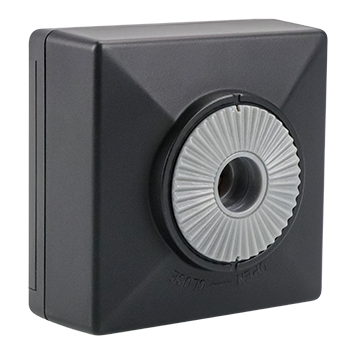
Primary electro-acoustic field calibrator for audiometer headphones, earphones, and artificial ear coupler sensitivity verification.
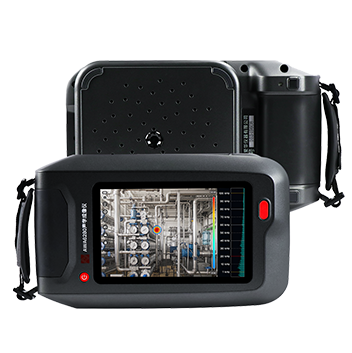
Visualizes real-time acoustic leakage and structural vibration hot spots across audiometric soundproof booths and clinic walls.
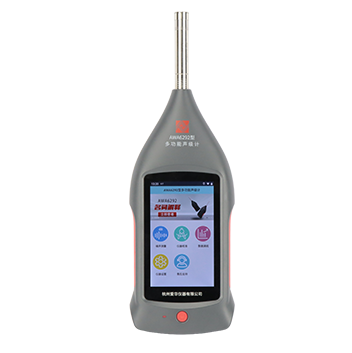
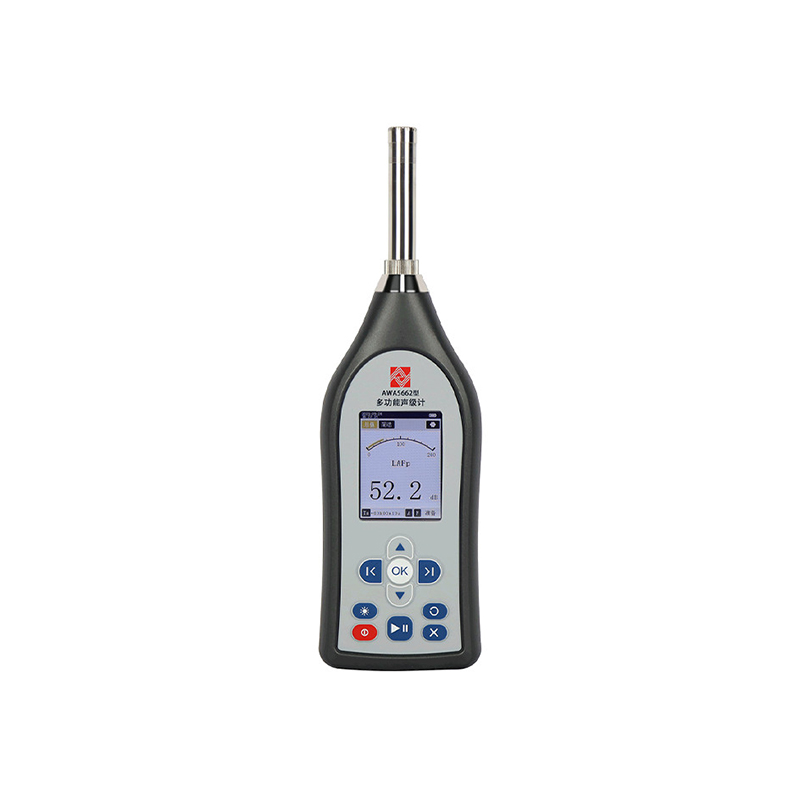
Ultra-low noise floor Class 1 analyzer for ambient noise certification and environmental background vibration measurement.
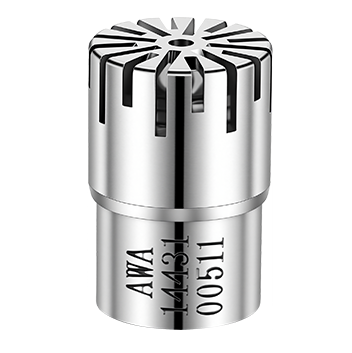
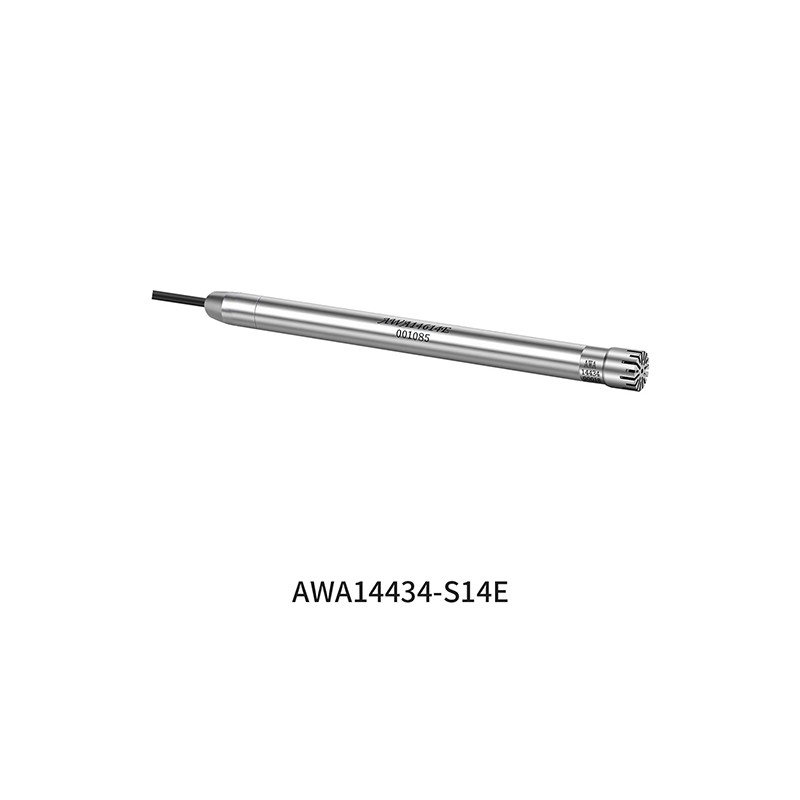
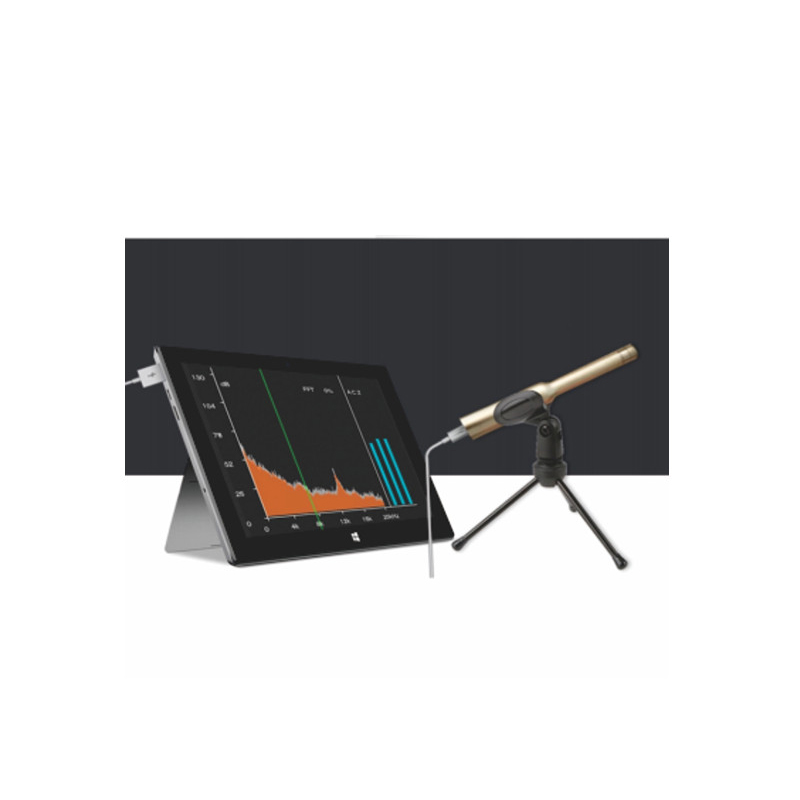
High-stability condenser microphone designed for coupling cavities, audiometric ear simulator testing, and frequency response tracking.
In clinical audiology, hearing screening programs, and ear-nose-throat (ENT) surgical assessments, the diagnostic validity of an audiogram depends directly upon the metrological accuracy of the stimulus transducers. While air-conduction calibration focuses predominantly on acoustic sound pressure levels delivered through circumaural, supra-aural, or insert earphones, bone-conduction testing introduces complex mechanical dynamics. Bone-conduction vibrators (such as the Radioear B71, B81, and specialized high-frequency transducers) transmit mechanical vibration energy directly through the patient's mastoid process or forehead to stimulate the cochlea. Calibrating these bone vibrators requires a precision vibration measurement meter coupled with an artificial mastoid (mechanical coupler conforming to IEC 60318-6) to quantify alternating mechanical force levels.
Without rigorous vibration measurement, discrepancies in bone-conduction dynamic force output can lead to diagnostic errors, such as misidentifying sensorineural hearing loss as conductive or mixed impairment. Furthermore, the modern clinical environment is subject to pervasive low-frequency mechanical vibrations from HVAC systems, elevators, structural traffic rumble, and ground transit. These mechanical micro-vibrations permeate soundproof audiometric test booths, coupling into patient chairs, bone vibrator headbands, and sensitive physiological recording electrodes (such as Auditory Brainstem Response [ABR] and Otoacoustic Emission [OAE] test rigs). Deploying a high-precision vibration measurement meter is therefore indispensable—not only for calibration of the diagnostic audiometer hardware itself, but also for ongoing environmental and structural validation of clinical testing facilities.
Enables accurate Reference Equivalent Threshold Force Level (RETFL) calibration for bone vibrators across octaves from 125 Hz to 8 kHz with sub-decibel force resolution.
Evaluates building floor triaxial vibration velocity and acceleration to ensure clinic soundproof rooms fulfill ISO 8253-1 and ANSI S3.1 maximum permissible ambient criteria.
Real-time narrow-band spectral analysis isolates harmonic distortion, non-linear mechanical resonance, and electromagnetic interference within transducer assemblies.
Acoustic and vibration engineers face multifaceted challenges when validating diagnostic equipment in audiology suites and medical device laboratories. Below are the core technical domains where multi-functional vibration meters and calibration sensors operate:
Artificial mastoids simulate the mechanical impedance of the human head at the mastoid process. The internal piezoelectric force transducer converts the bone vibrator's mechanical oscillation into an electrical charge.
Hearing thresholds down to -10 dB HL or 0 dB HL cannot be reliably evaluated if ambient vibration introduces structure-borne noise into patient ear canals or diagnostic sensors.
Electrophysiological diagnostic procedures (Auditory Brainstem Response, Auditory Steady-State Response) measure sub-microvolt neurological responses vulnerable to physical motion artifacts.
During the manufacturing and end-of-line (EOL) testing of hearing aids, bone-anchored hearing systems (BAHS), and cochlear implant external processors, vibration meters deliver critical validation.
Audiometer calibration laboratories must adhere to strict international harmonized frameworks. The table below delineates critical testing parameters, associated standards, and instrument performance criteria:
| Calibration Discipline | Harmonized Standard | Measured Physical Quantity | Frequency Range | Target Instrument Requirement |
|---|---|---|---|---|
| Bone Vibrator RETFL Calibration | ISO 389-3 / IEC 60318-6 | Alternating Force Level (dB re 1 μN) | 125 Hz – 8 000 Hz | Class 1 Meter + Artificial Mastoid with dynamic range > 80 dB |
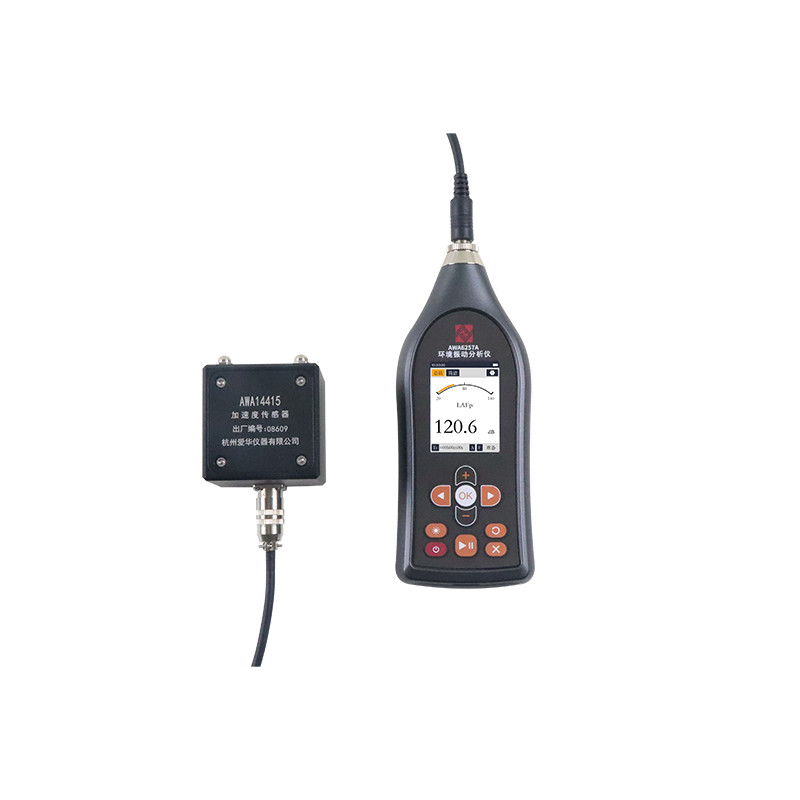
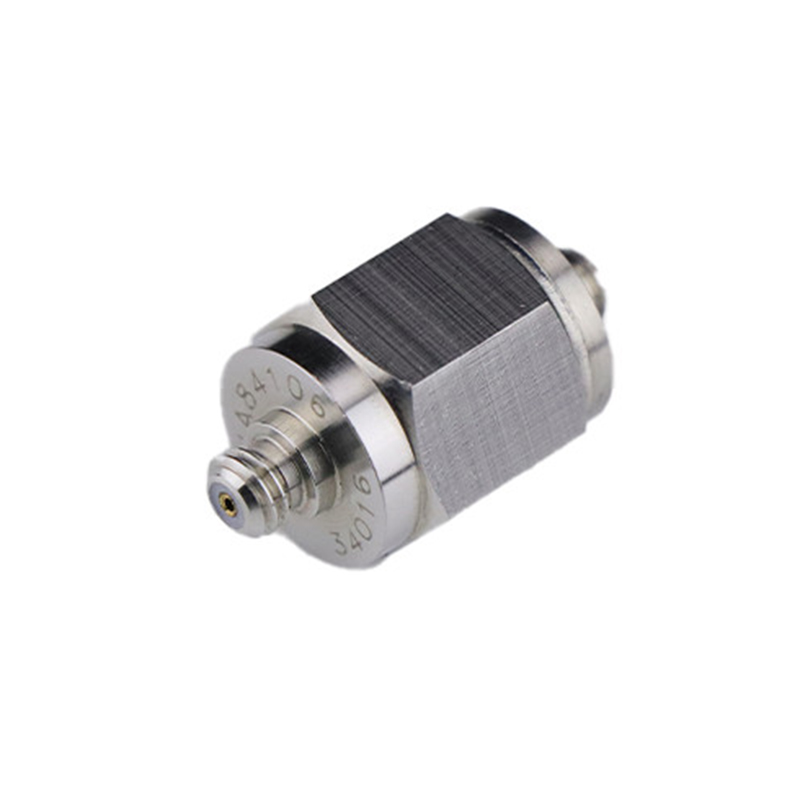
| Audiometric Booth Ambient Floor Vibration | ISO 8253-1 / ANSI S3.1 | Vibration Acceleration & Velocity (RMS) | 1 Hz – 250 Hz (1/3 Octave) | High-sensitivity seismic accelerometer (AWA14415, >100 mV/g) |
| Bone Conduction Harmonic Distortion | IEC 60645-1 / ANSI S3.6 | Total Harmonic Distortion (THD %) | 250 Hz – 4 000 Hz | Narrowband FFT analyzer with 16-bit to 24-bit ADCs |
| Headband Static Clamp Force | IEC 60645-1 | Static Normal Force (Newton) | Static DC (5.4 N ± 0.5 N) | Calibrated load cell or precision mechanical force gauge |
| Acoustic Leakage & Structure Transmission | ISO 16283 / ISO 717 | Sound Transmission Class (STC) & Vib. | 50 Hz – 10 000 Hz | Acoustic Imager (AWA6280) + Sound Level Meter (AWA6292) |
The global market for audiometric calibration and acoustic-vibration testing is undergoing rapid modernization driven by several technological and regulatory developments:
1. Strict Global Auditing of Occupational Health & Clinical Audiology Centers: Regulatory bodies such as OSHA (USA), EU-OSHA, and national health authorities mandate regular, traceable annual calibration of all audiometric screening apparatus. Hospitals and private audiology practices face heightened scrutiny to prove that soundproof booths meet ambient noise and structural vibration criteria. As a consequence, third-party calibration service providers and hospital biomedical engineering departments are upgrading from single-purpose sound meters to multi-channel vibration and acoustic measurement kits capable of simultaneous sound and vibration logging.
2. Artificial Intelligence (AI) and Automated Metrology Workflows: Traditional manual audiometer calibration using knobs and analog dial indicators is being supplanted by AI-driven automated calibration software suites. Next-generation vibration measurement analyzers interface directly via USB, Ethernet, or wireless buses to automate stepped-sine generation, capture force responses on artificial mastoids, calculate total harmonic distortion (THD), and populate ISO-compliant calibration certificates without human transcription error.
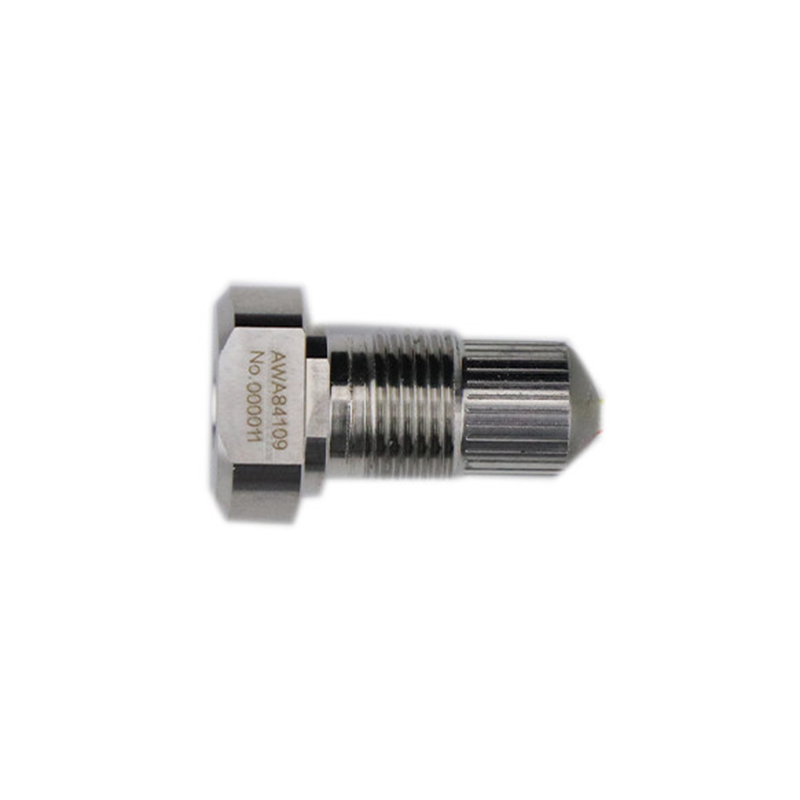
3. Rise of High-Frequency Bone Conduction & Implantable Actuators: Early diagnostic screening for ototoxicity and presbycusis increasingly requires extended high-frequency audiometry up to 16 kHz. Traditional mechanical couplers often encounter unwanted transverse resonances above 5 kHz. Developing wide-frequency accelerometers, specialized contact vibration probes (e.g., AWA84109), and precision environmental vibration analyzers (AWA6257A) empowers acoustic laboratories to study high-frequency transducer biomechanics with unprecedented signal clarity.
Founded in 1992, Aihua Instruments is a Hangzhou-based manufacturer specializing in precision acoustic testing and vibration measurement instrumentation. With over 30 years of unwavering dedication to the acoustic and vibration field, we have established ourselves as one of China's foremost high-tech enterprises in this domain. From our early days as a pioneering research institute to today's internationally recognized brand, our growth reflects a relentless commitment to technological excellence and customer satisfaction.
Our instruments provide foundational precision for national metrology institutes, calibration laboratories, environmental protection agencies, industrial manufacturers, and medical audiology centers across the globe.
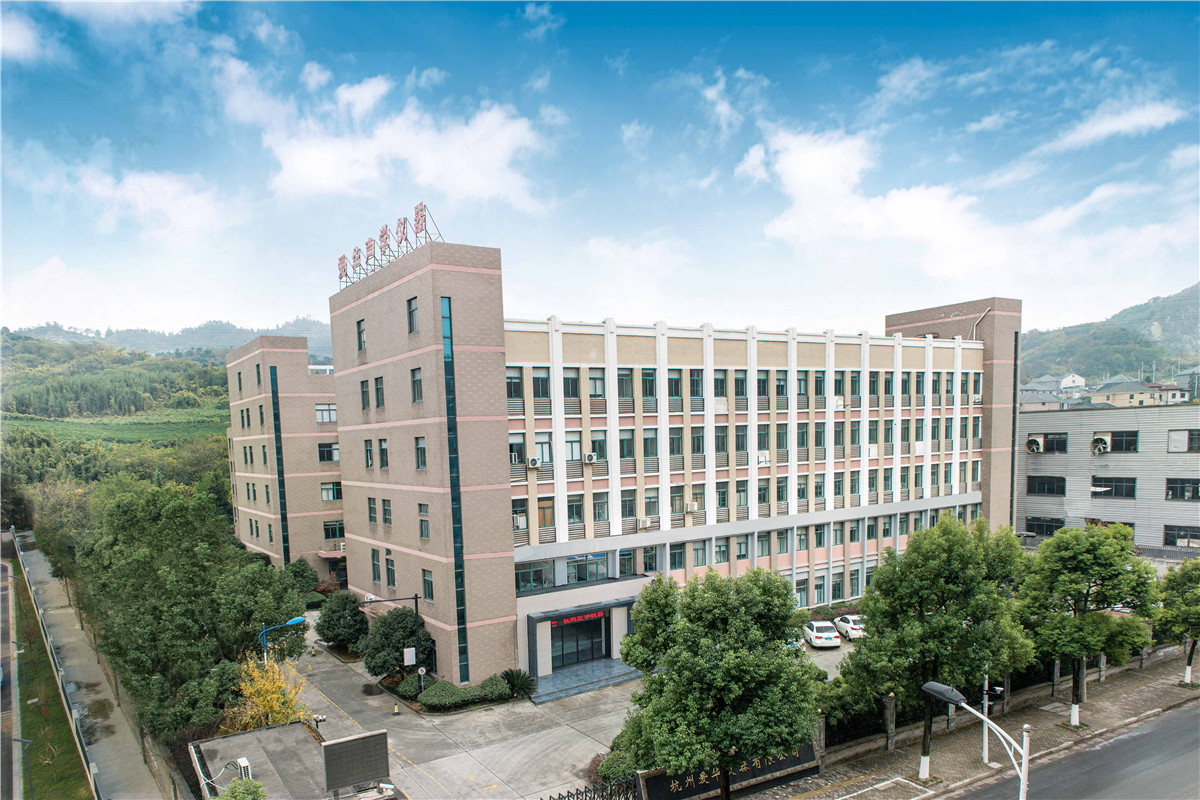
Take an inside look at our advanced manufacturing lines, automated acoustic test benches, SMT production cleanrooms, and world-class metrology validation chambers.
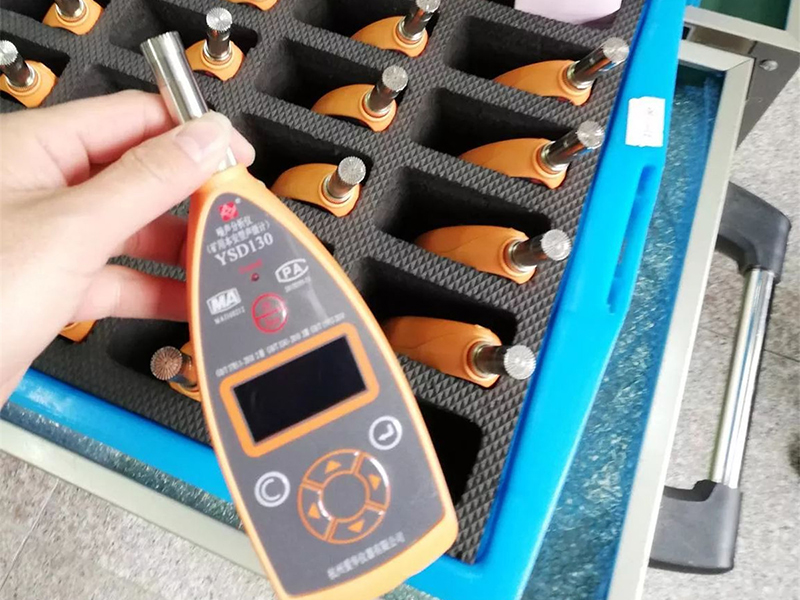
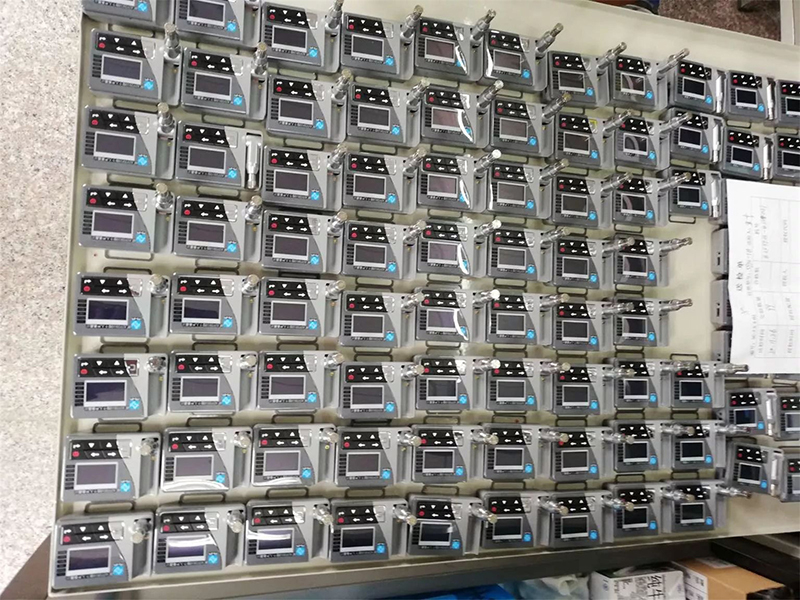
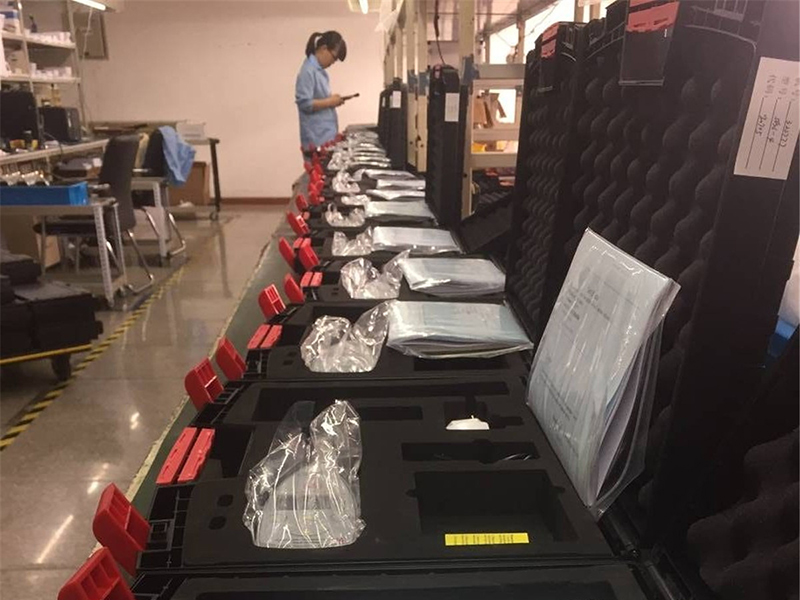
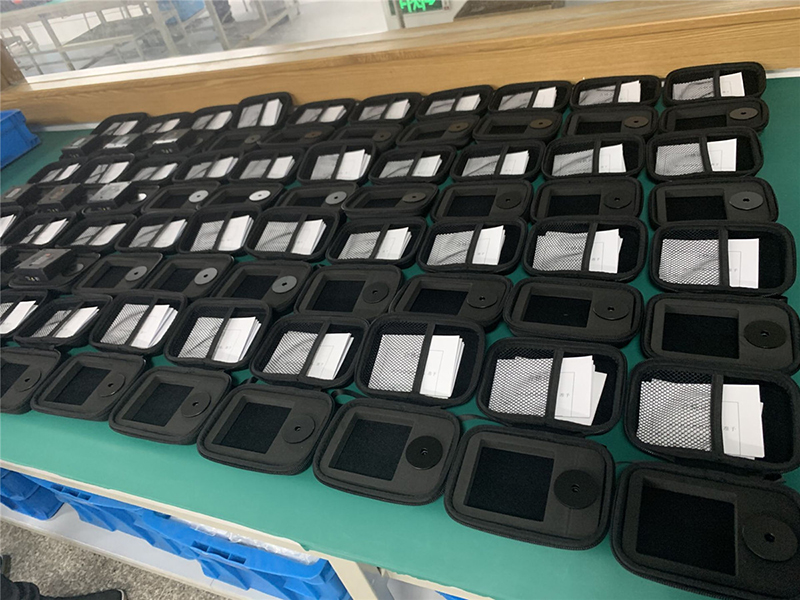
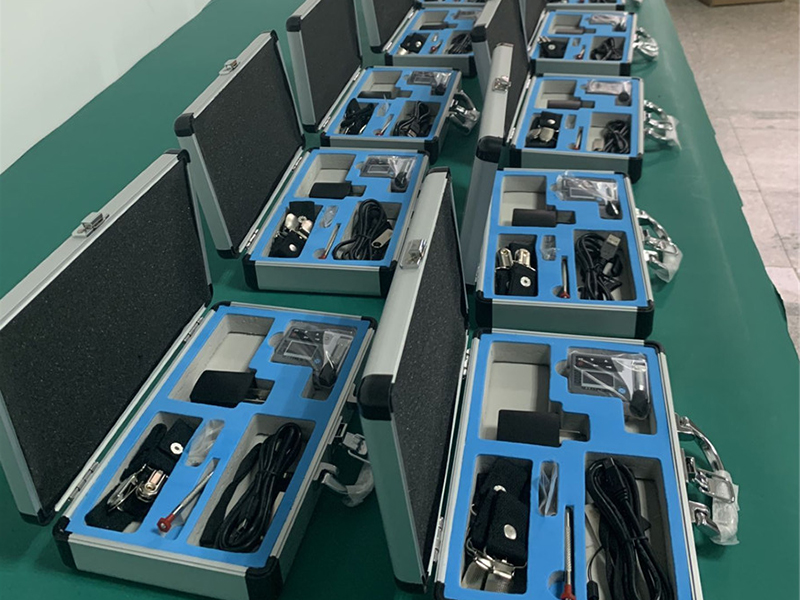
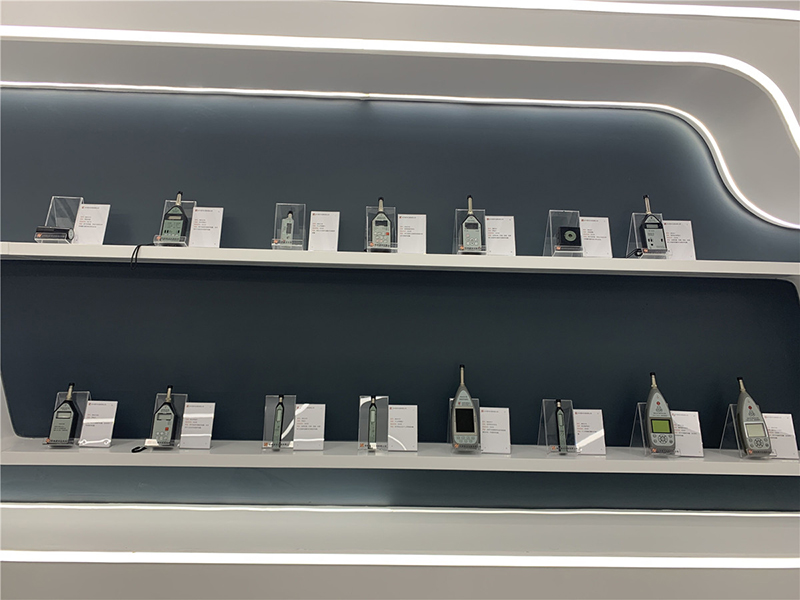
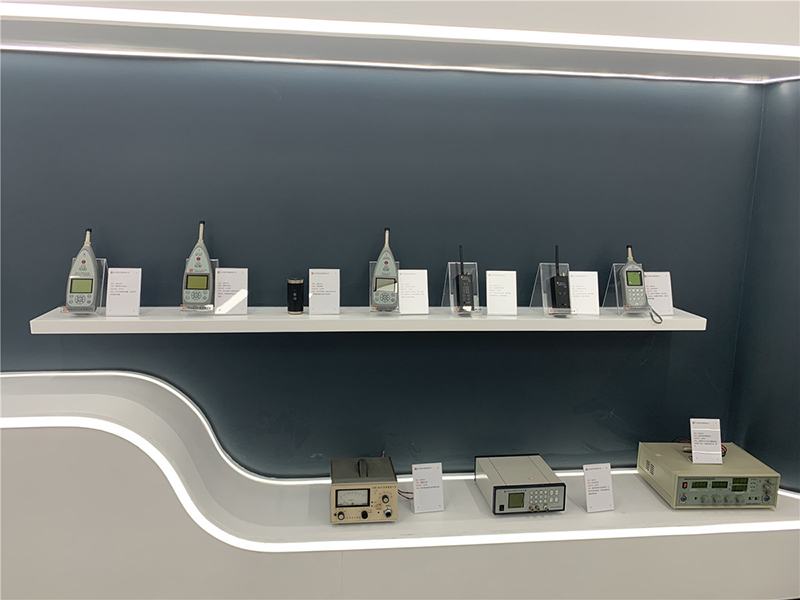
Our product range covers sound level meters, noise dosimeters, calibrators, audiometric calibration systems, microphones and accessories, software products, and acoustic test systems — over 60 varieties in total. We serve diverse application fields including environmental noise monitoring, building acoustics, occupational health and safety, vehicle noise testing, and audiometer calibration. Notably, we design and manufacture our own measurement microphones in-house — from cartridge development to automated performance testing — giving us a critical quality advantage that few competitors can match.
Our fully equipped manufacturing facility features advanced automated test systems, ensuring every product meets strict quality benchmarks before leaving the factory.
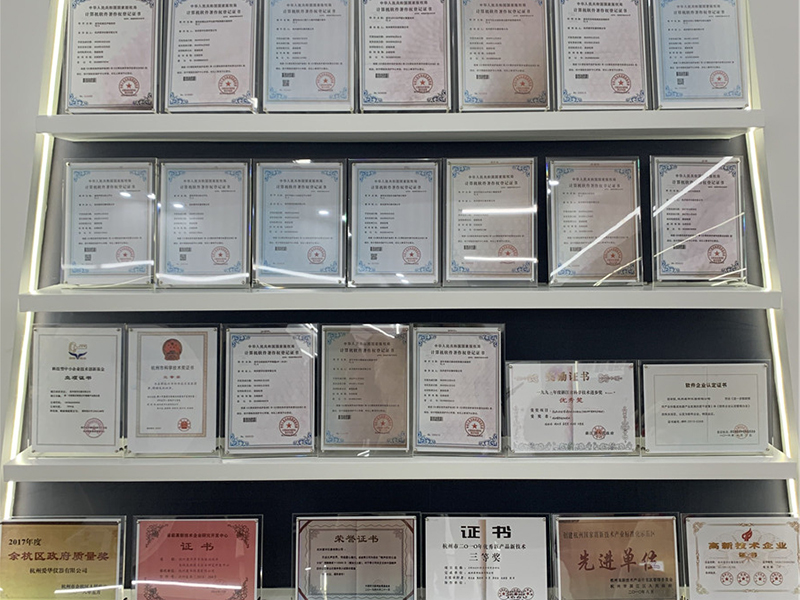
Identified as a provincial High-tech Enterprise R&D Center, our dedicated engineering team continuously drives innovation in digital detection, signal processing, and remote monitoring technologies, and supports OEM/ODM partnerships.
Our management systems and products hold ISO 14001, ISO 45001, CE, and RoHS certifications, demonstrating our commitment to environmental responsibility, workplace safety, and global compliance.
We export to over 40 countries across Europe, North America, South America, and Asia, with a strong reputation built on consistent quality and competitive pricing.
Backed by professional engineers, we deliver responsive, expert support throughout the entire product lifecycle, ensuring our customers always have the assistance they need.
Explore our comprehensive lineup of sound level meters, environmental vibration analyzers, precision accelerometers, and calibration microphones built for lab and clinical environments.
Partner with an industry leader to achieve traceable acoustic precision and vibration measurement confidence across your audiological testing clinics and metrology laboratories.


