
- Home
- About Us
- Products
- Application
- Resource
- News
- Contact Us
Leave Your Message
High-precision microphones, acoustic imagers, and sound level meters tailored for advanced machine diagnostics, vibro-acoustic bench testing, and laboratory-grade compliance.
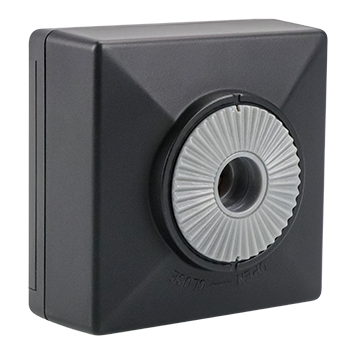
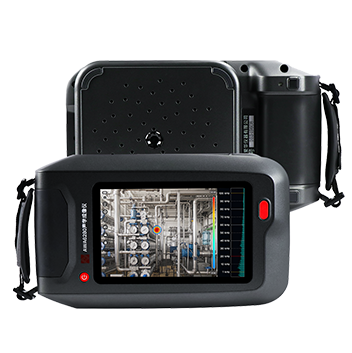
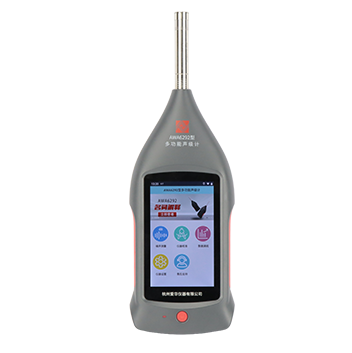
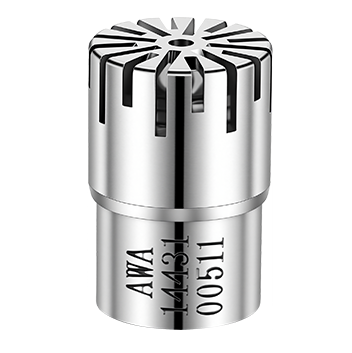
Analyzing the convergence of acoustic sensing, structural vibration analysis, and condition-based predictive maintenance across cyber-physical manufacturing systems.
In contemporary manufacturing, energy extraction, and mobility engineering, Noise, Vibration, and Harshness (NVH) testing has shifted from a post-production troubleshooting task to a core engineering discipline applied across entire lifecycles. Vibration measurement instruments engineered for industrial machinery NVH testing provide the empirical data backbone required to optimize structural dynamics, eliminate parasitic resonance, maintain regulatory acoustic limits, and safeguard critical rotating assets against catastrophic mechanical failure.
Unplanned downtime in heavy process industries—including petrochemical refining, pulp and paper, steel fabrication, and continuous automated assembly—costs modern enterprises upwards of $260,000 per hour. Within this high-stakes environment, vibration signature analysis functions as the earliest indicator of operational degradation. Unbalance, shaft misalignment, mechanical looseness, hydrodynamic turbulence, and roller element bearing fatigue manifest as discrete spectral peaks in vibration signals long before thermal deviations or audible acoustic noise can be observed by plant operators.
By implementing continuous and portable vibration measurement instruments, reliability engineers can transform their operational expenditure profile. Instead of relying on static time-based overhaul schedules, facilities operate on predictive maintenance schedules, extending mean time between failures (MTBF), cutting maintenance budgets by up to 30%, and reducing equipment failures by more than 70%.
Precision NVH diagnosis demands synchronized acquisition across mechanical and acoustic domains. Vibration sensors (piezoelectric and MEMS accelerometers, dynamic velocity transducers, and displacement probes) capture structural forces and structural-borne vibration waves traveling through cast iron frames and bearing pedestals. Simultaneously, high-precision prepolarized condenser microphones and acoustic imaging arrays capture airborne acoustic pressure waves.
The correlation between vibration velocity (governed by ISO 10816 and ISO 20816 standards) and far-field acoustic radiation enables test engineers to trace the direct acoustic transfer function of machine structures. If an electric traction motor radiates an irritating 4 kHz whine, synchronized cross-spectrum FFT analysis pinpoints whether the root cause originates from electromagnetic torque ripple exciting a stator resonance or from structural casing radiation caused by weak bearing housing damping.
Real-time spectral decomposition, cross-channel transfer functions, coherence calculation, and waterfall tracking for variable-speed industrial machinery.
Direct phase-locked synchronization between high-sensitivity condenser microphones and triaxial accelerometers to decouple structure-borne from airborne noise.
Class 1 metrological accuracy, wide dynamic operating range (up to 140 dB), and industrial-grade ingress protection designed for harsh shop-floor testing.
From electric powertrain verification to high-speed turbomachinery balancing, explore how precision instrumentation resolves complex vibration and acoustic challenges.
The elimination of internal combustion engines shifts the acoustic landscape of electric vehicles and automated industrial transit. In an EV e-drive system running up to 20,000 RPM, the absence of engine masking noise elevates high-frequency inverter switching harmonics (pulse-width modulation carrier frequencies) and electromagnetic tooth-passing excitation to critical concern levels. Testing engineers utilize precision 1/2" and 1/4" pressure-field microphones coupled with wide-frequency industrial vibration sensors to map Campbell diagrams, trace high-order harmonic resonance, and validate torsional damping mounts.
In ultra-precision CNC milling centers and diamond turning lathes, sub-micron vibration directly degrades finished surface roughness, tool life, and geometric tolerance. Portable FFT analyzers and environmental vibration monitors record structural ground vibration isolation performance, aerodynamic bearing runout, and high-speed spindle balancing quality (in compliance with ISO 1940 standards). Real-time vibration dosimetry guarantees that regenerative chatter is identified instantly before workpieces are ruined.
Heavy turbomachinery operating in power generation and offshore wind farms operates under fluctuating wind loads, turbulent aerodynamics, and severe torsional stresses. In multi-stage planetary gearboxes, bearing spalling or gear tooth root cracking produces subtle micro-impact impulses hidden deep within broad-band operational noise. High-frequency accelerometers coupled with high-dynamic-range sound level meters capture high-frequency demodulation (envelope analysis) signatures, isolating rolling element defect frequencies (BPFO, BPFI, BSF, FTF) months before component seizure.
Industrial machinery NVH testing does not end with the asset; it directly impacts worker health and compliance with OSHA and EU Directive 2002/44/EC. Operators handling pneumatic tampers, angle grinders, and heavy earth-moving equipment are exposed to repetitive mechanical shock and vascular trauma, commonly leading to Hand-Arm Vibration Syndrome (HAVS). Dedicated hand-transmitted vibration meters calculate daily eight-hour exposure action values (A(8)), providing auditable compliance data that protects the workforce while shielding manufacturing enterprises from liability.
The intersection of artificial intelligence, digital twins, and ultra-low-noise acoustic sensor design is shaping the next decade of machinery condition testing.
As Industry 4.0 matures into Industry 5.0, the methodology of acquiring and interpreting vibration and acoustic signals is undergoing rapid evolution. Key vectors transforming industrial testing include:
1. Edge AI and Neural Network Spectral Interpretation: While classical Fast Fourier Transform (FFT) and Order Tracking remain vital, machine learning models trained on millions of vibrational hours are now embedded directly into smart instrumentation. Edge processors execute real-time anomaly detection, automatically isolating transient impacts from background noise and flagging bearing race degradation without requiring manual spectral marker placement by senior vibration analysts.
2. Acoustic Holography and Real-Time Optical Beamforming: Traditional point-by-point contact accelerometer testing is increasingly complemented by non-contact acoustic imaging. Microphone arrays featuring synchronized digital MEMS or prepolarized condenser elements overlay acoustic sound pressure distribution maps onto live optical camera feeds. This allows test engineers to visibly locate noise leaks, loose casing panels, and aerodynamic cavitation in real time during dynamic operation.
3. Comprehensive In-House Metrological Tracing: In an era of automated compliance, data integrity is paramount. Advanced testing facilities demand instruments whose measurement uncertainty is characterized against primary standards. Transducers manufactured with proprietary diaphragm metallurgy, automated laser-welded encapsulation, and individual calibrated frequency curves guarantee consistent accuracy from -30°C to +80°C industrial environments.
Founded in 1992, Aihua Instruments is a Hangzhou-based manufacturer specializing in precision acoustic testing and vibration measurement instrumentation. With over 30 years of unwavering dedication to the acoustic and vibration field, we have established ourselves as one of China's foremost high-tech enterprises in this domain.
From our early days as a pioneering research institute to today's internationally recognized brand, our growth reflects a relentless commitment to technological excellence and customer satisfaction. Our extensive engineering footprint empowers global tier-one industrial manufacturers, metrology institutes, universities, and environmental protection agencies.
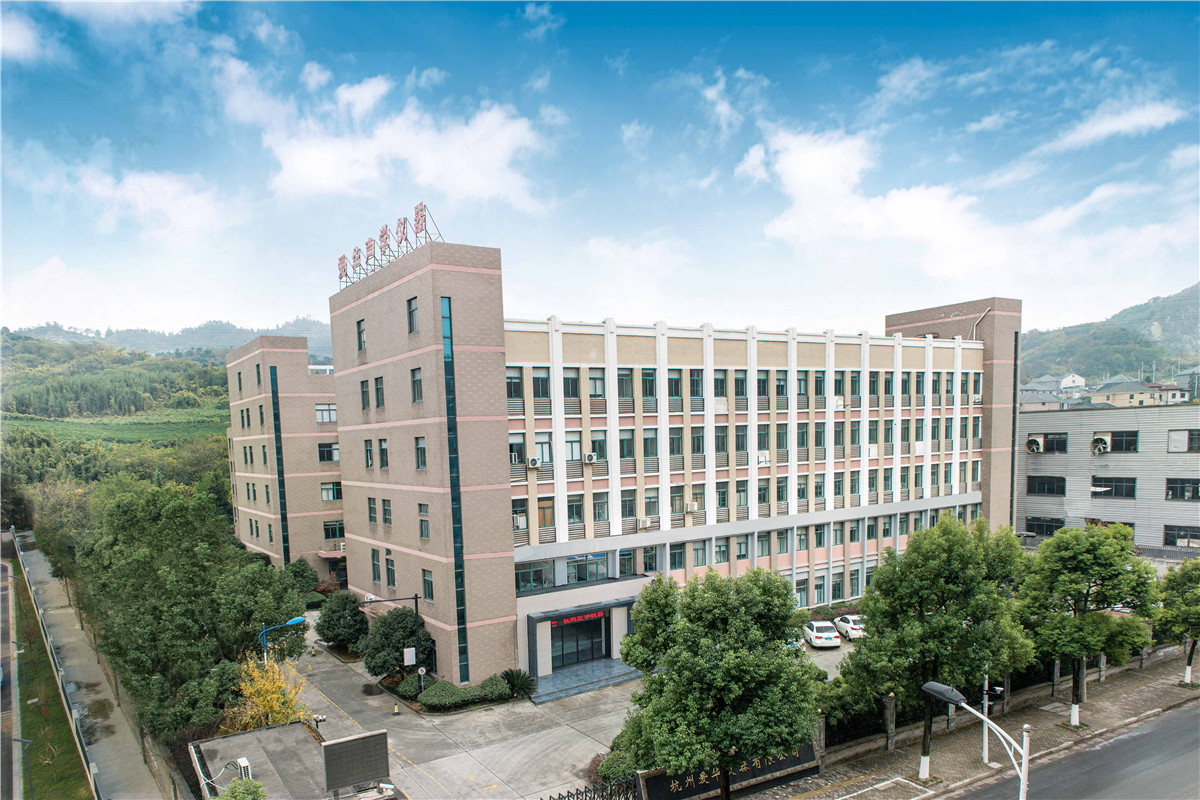
Tour our specialized manufacturing base, automated cleanrooms, precision anechoic chambers, and rigorous sensor assembly environments.
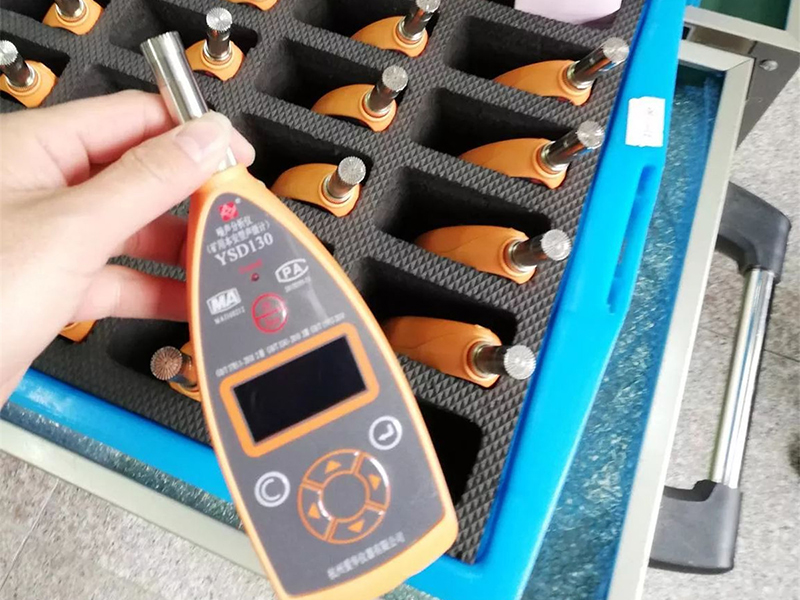
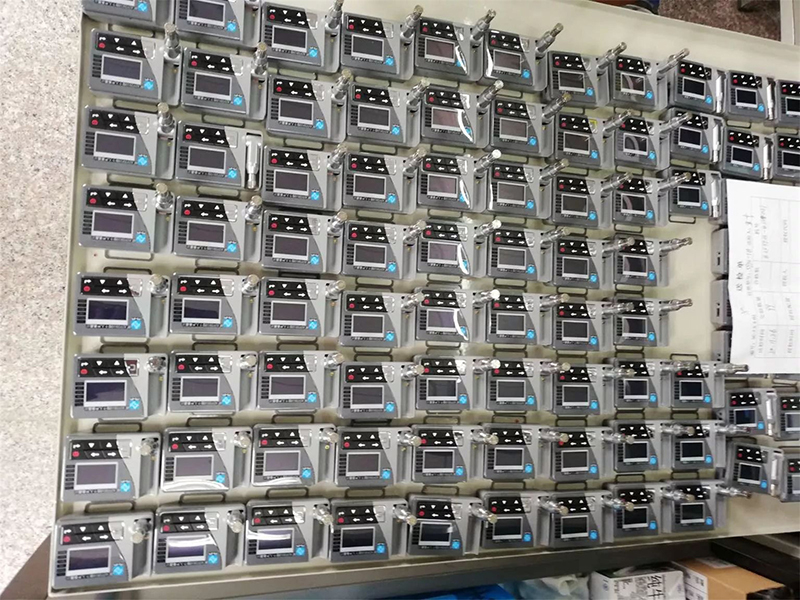
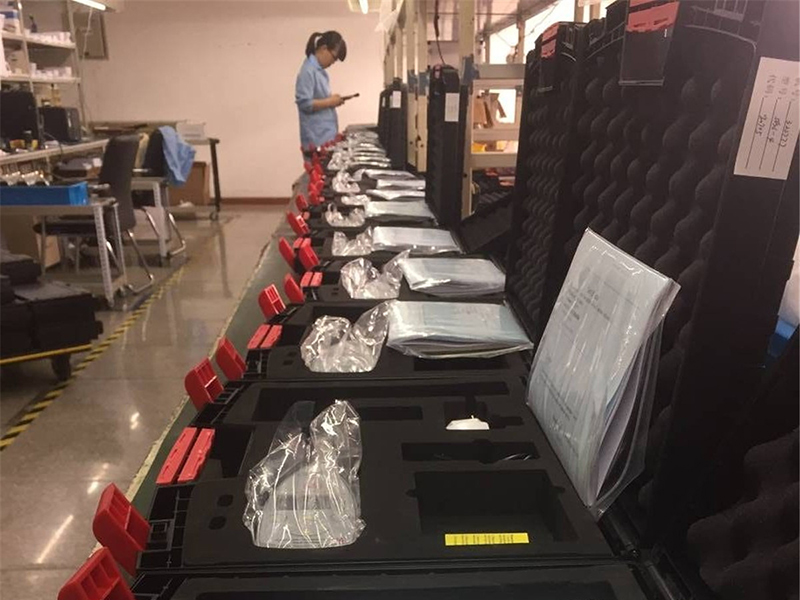
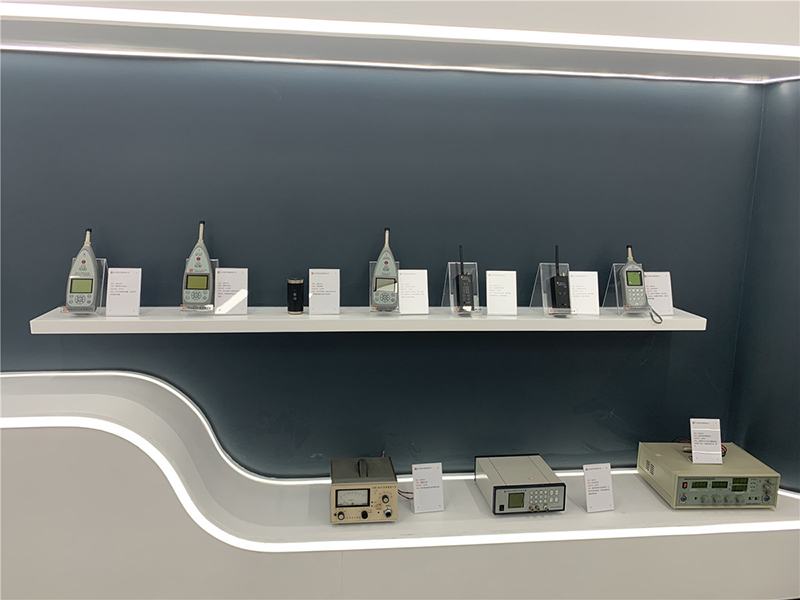
Uniting over three decades of in-house manufacturing, independent academic R&D, and certified global quality standards.
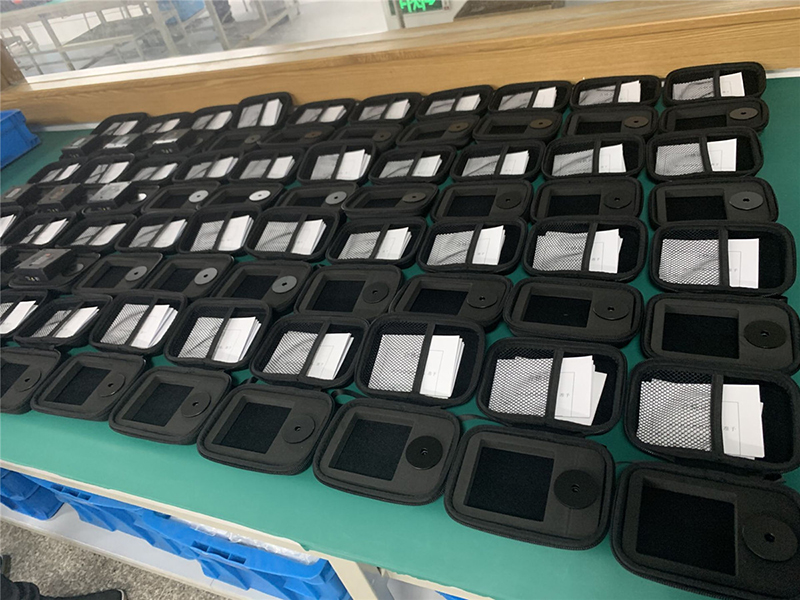
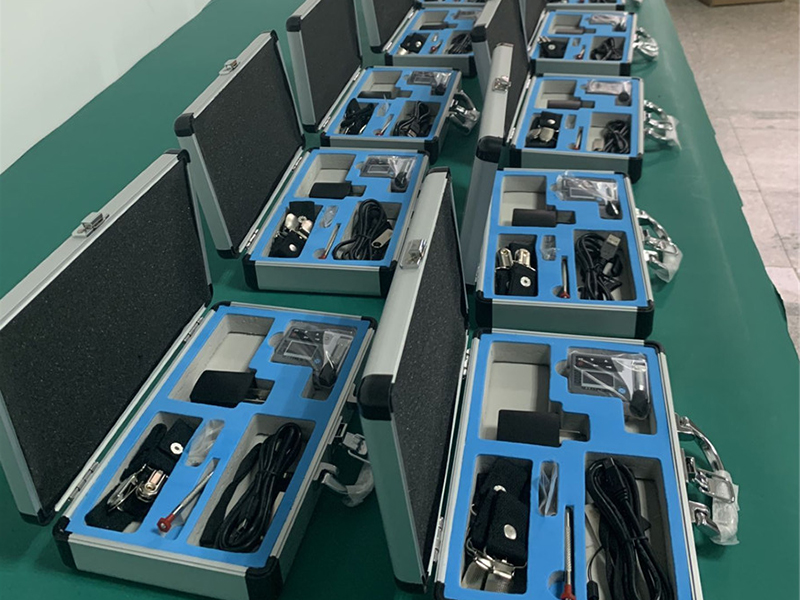
Our fully equipped manufacturing facility features advanced automated test systems, ensuring every product meets strict quality benchmarks before leaving the factory.
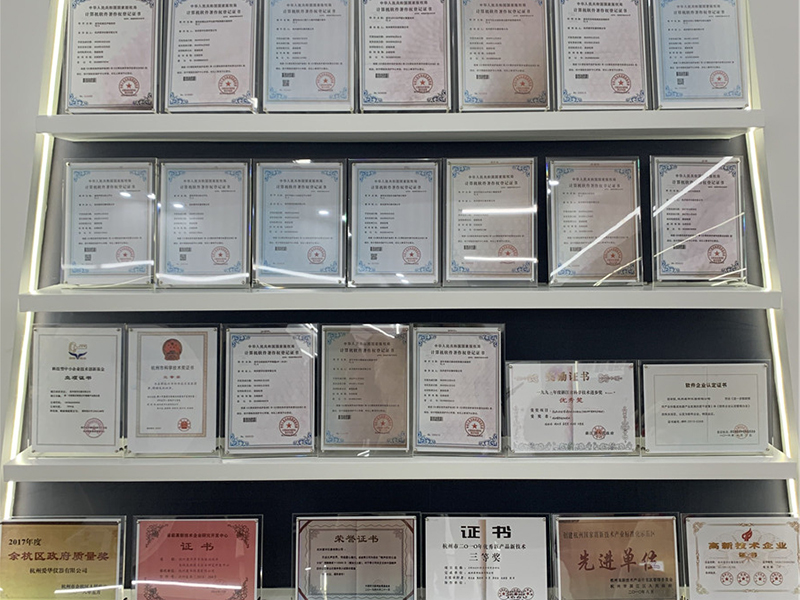
Identified as a provincial High-tech Enterprise R&D Center, our dedicated engineering team continuously drives innovation in digital detection, signal processing, and remote monitoring technologies, and supports OEM/ODM partnerships.
Our management systems and products hold ISO 14001, ISO 45001, CE, and RoHS certifications, demonstrating our commitment to environmental responsibility, workplace safety, and global compliance.
We export to over 40 countries across Europe, North America, South America, and Asia, with a strong reputation built on consistent quality and competitive pricing.
Backed by professional engineers, we deliver responsive, expert support throughout the entire product lifecycle, ensuring our customers always have the assistance they need.
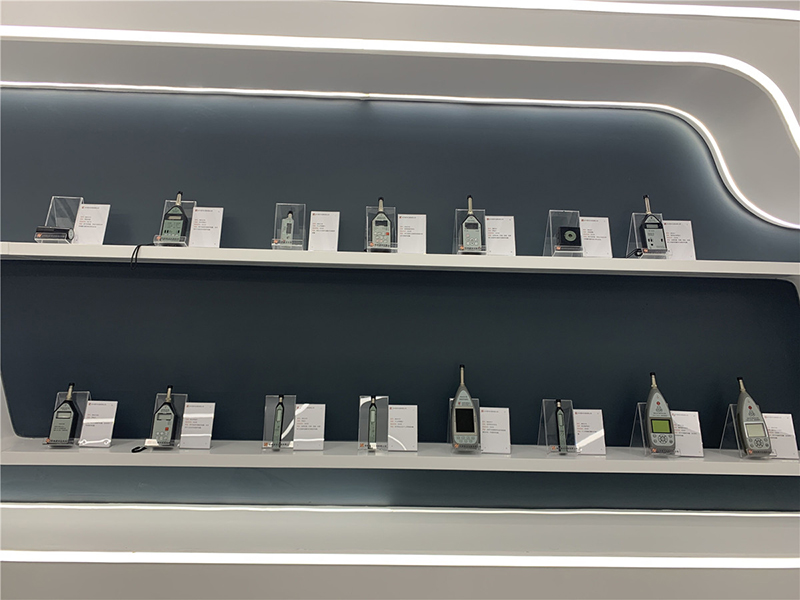
Explore our full line of measurement microphones, hand-transmitted vibration meters, portable FFT analyzers, and environmental monitoring instrumentation.
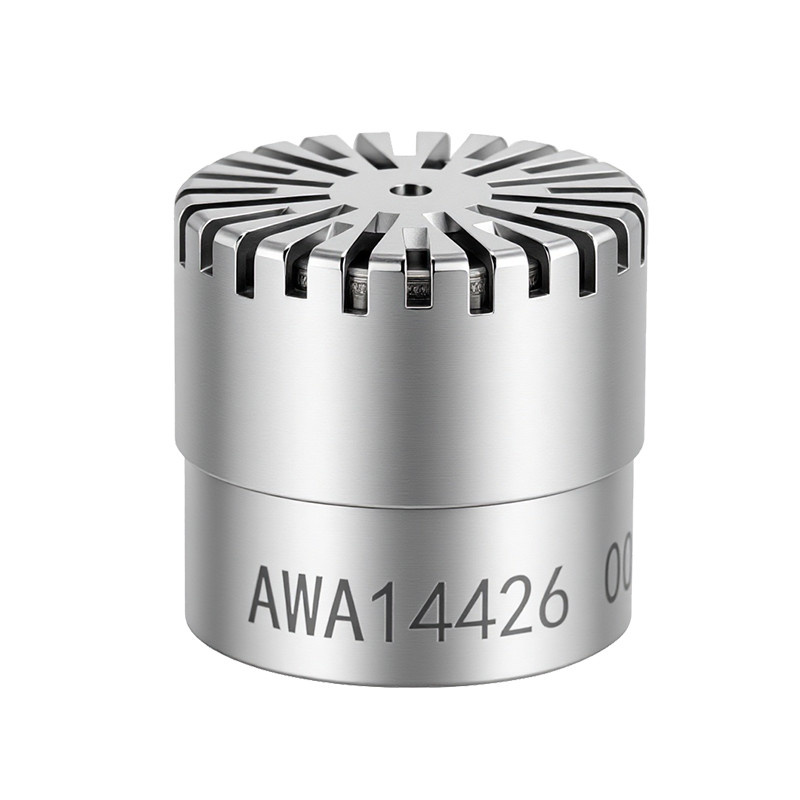
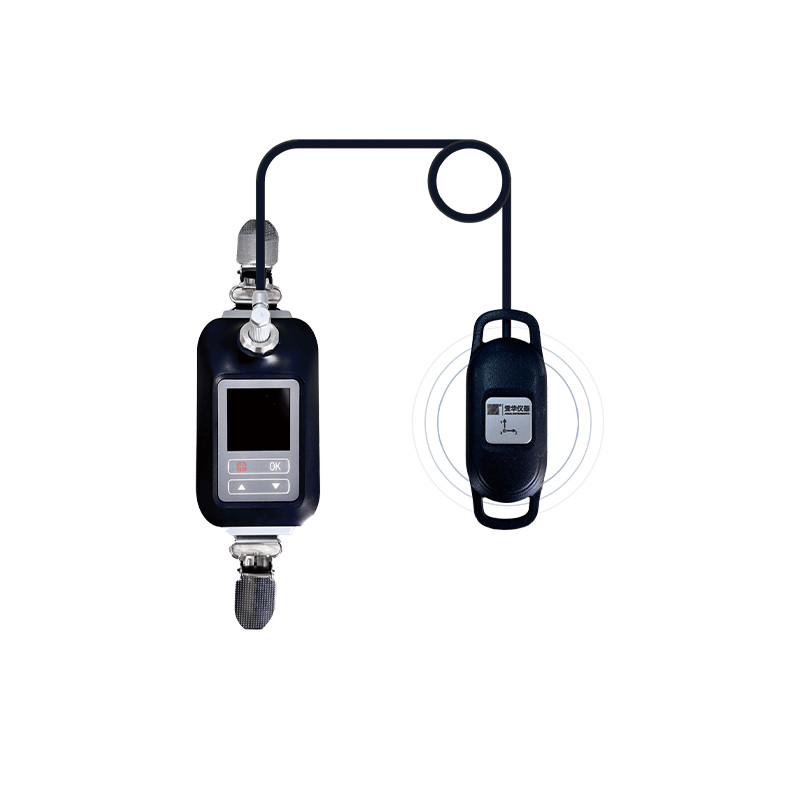
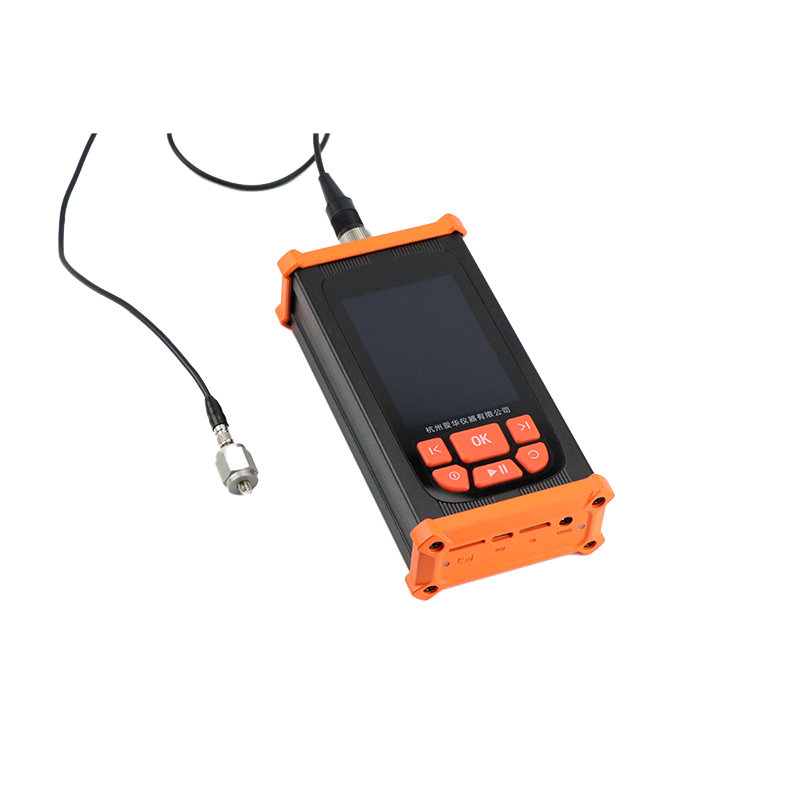
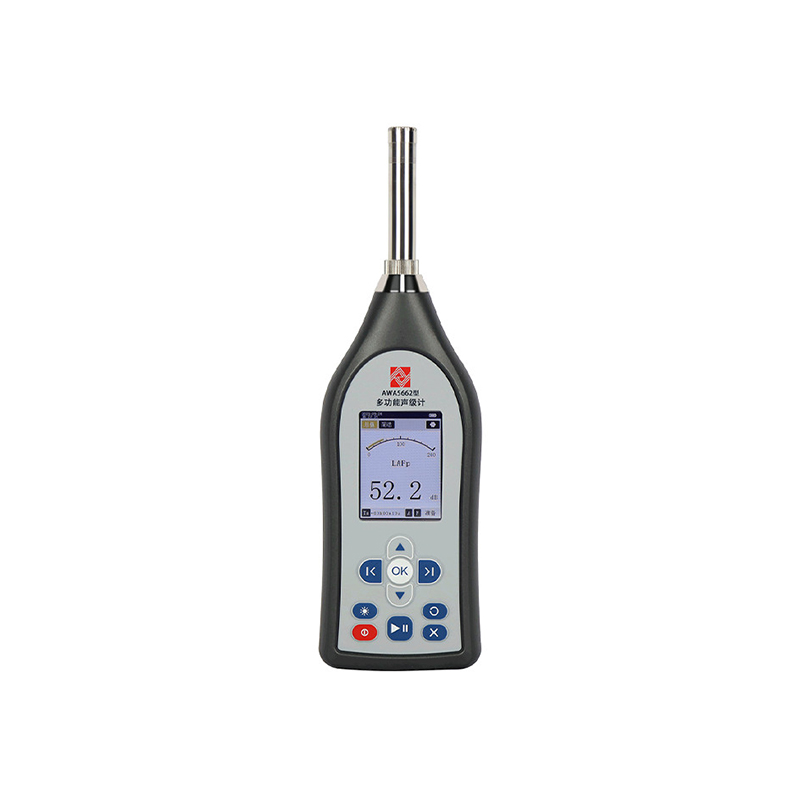
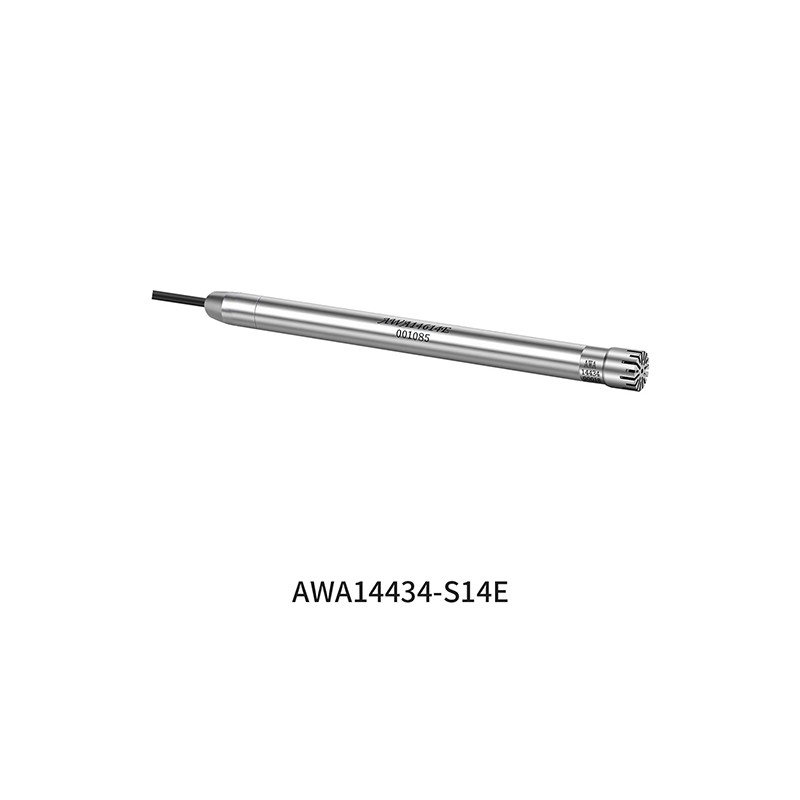
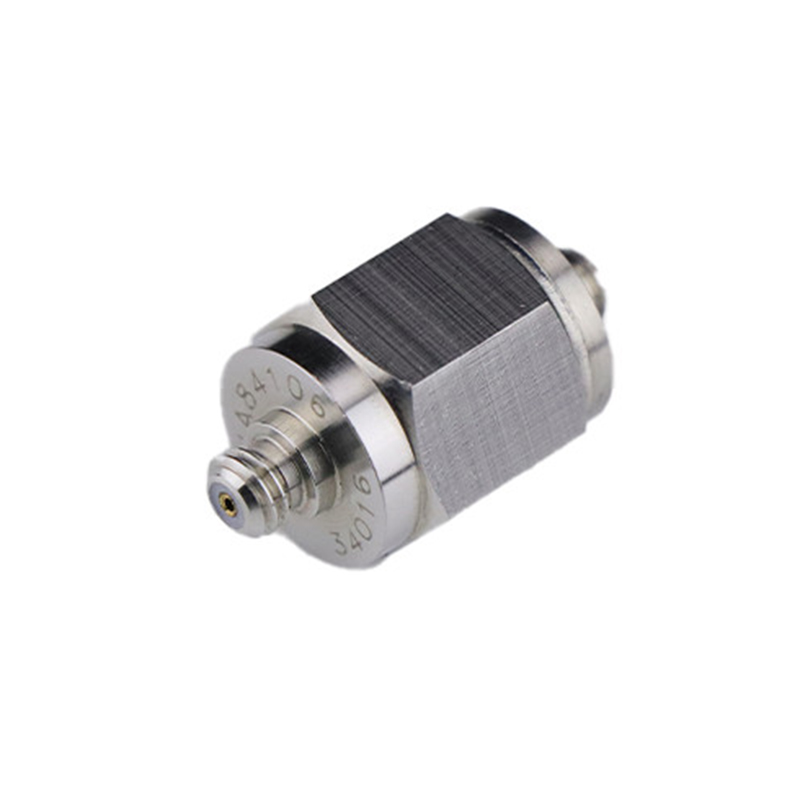
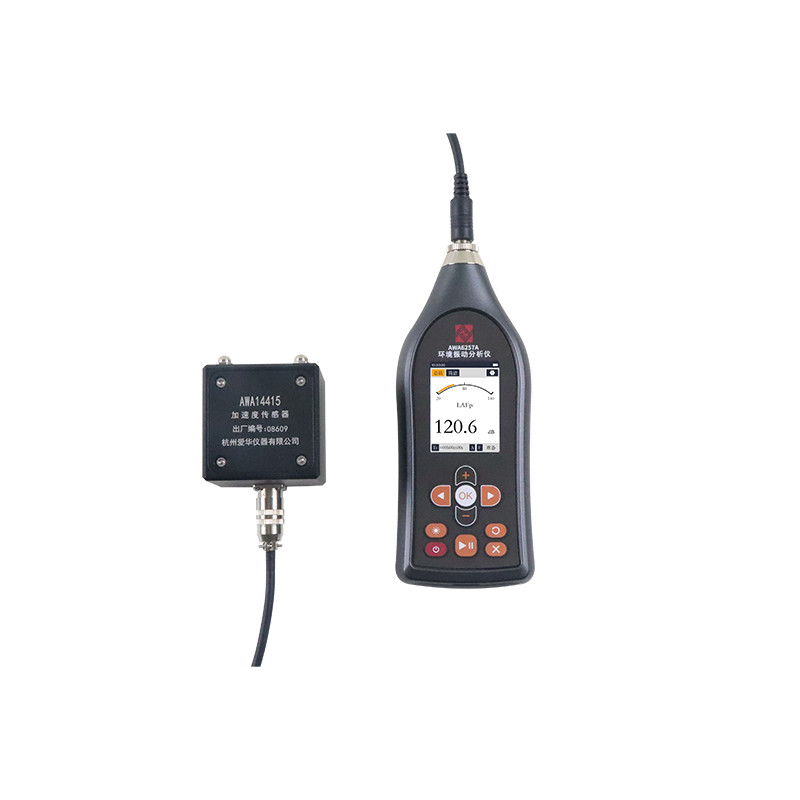
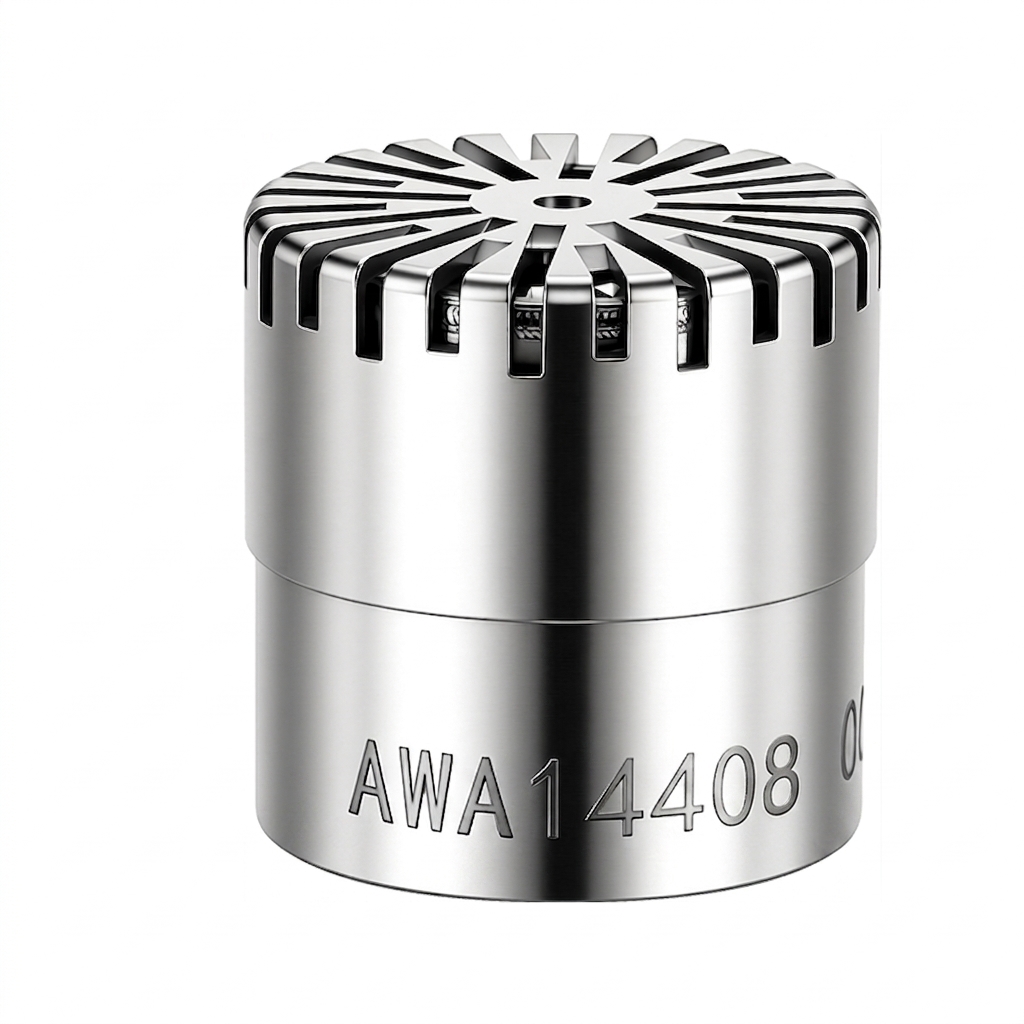
Serving diverse engineering applications including environmental noise monitoring, building acoustics, occupational health and safety, vehicle noise testing, and audiometer calibration across over 40 countries worldwide.


