- Home
- About Us
- Products
- Application
- Resource
- News
- Contact Us
Leave Your Message
Engineered to meet the stringent demands of international standards, our high-precision instruments ensure reliable acoustic measurement and calibration.
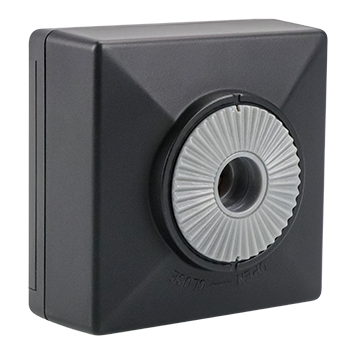
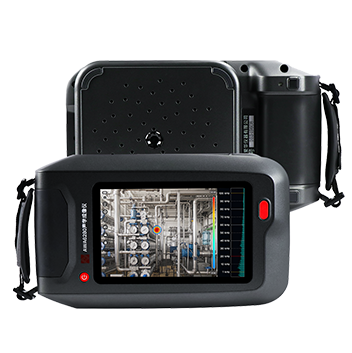
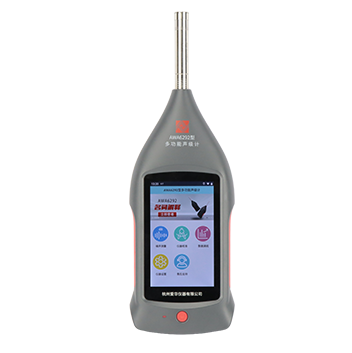
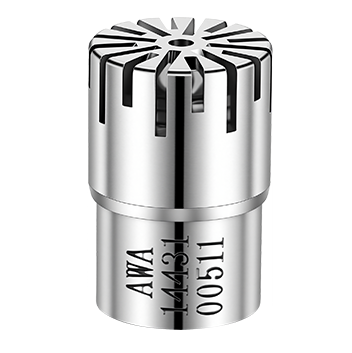
In clinical audiology, the accuracy of diagnostic testing is paramount. Audiometers, the primary instruments used by clinicians to assess hearing thresholds, must generate precise sound pressure levels (SPL) across a range of frequencies. Even minor discrepancies in acoustic output can lead to misdiagnoses, inappropriate hearing aid prescriptions, or failure to detect progressive hearing loss. Therefore, routine calibration of audiometers using high-precision noise sound level meters is not merely a best practice; it is a regulatory and clinical necessity.
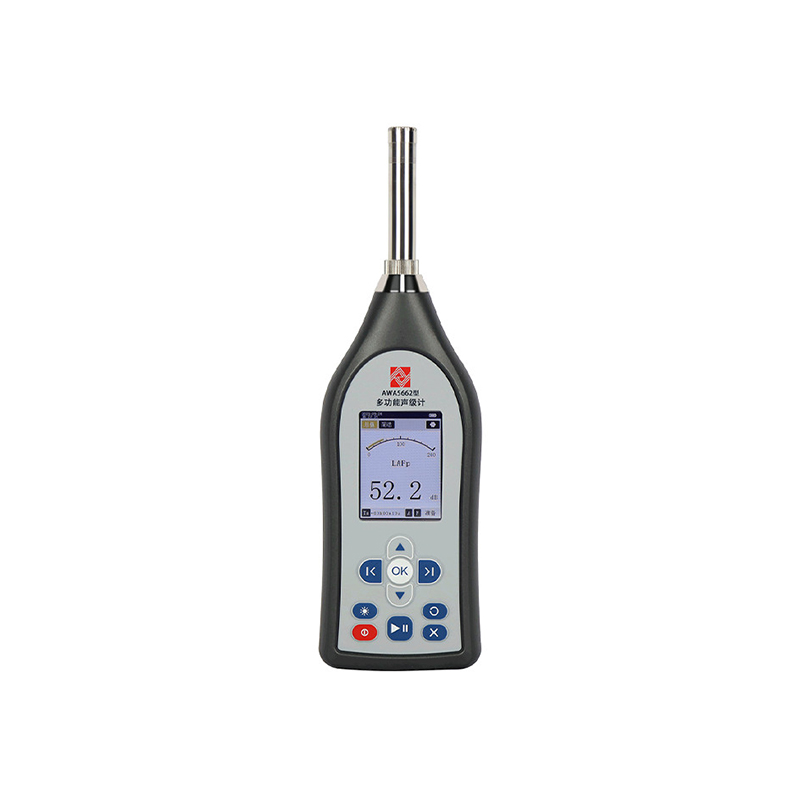
A noise sound level meter designed for audiometer calibration serves as the gold standard for verifying that the acoustic signals produced by audiometric headphones, insert earphones, and bone vibrators comply with international standards such as ANSI S3.6 and IEC 60645. By converting physical acoustic pressure into precise electrical signals, these meters allow clinicians and biomedical engineers to verify frequency accuracy, output levels, attenuator linearity, and total harmonic distortion (THD).
Under IEC 61672-1, Class 1 sound level meters are required for audiometer calibration due to their tight tolerance limits and wide frequency response. Utilizing a Class 2 device can introduce unacceptable measurement uncertainties, compromising the integrity of clinical diagnostic data.
The global hearing healthcare market is experiencing rapid growth, driven by an aging population, rising occupational noise exposure, and increased pediatric screening mandates. Consequently, the demand for sophisticated diagnostic equipment has surged. This commercial expansion places a heavy burden on calibration laboratories and clinical technicians, who must service a growing fleet of audiometers.
Historically, audiometer calibration was a cumbersome laboratory-bound process. Today, the industry has shifted toward portable, highly integrated field solutions. Modern clinical setups require calibration systems that can easily travel to schools, industrial sites, and remote clinics. This evolution has spurred manufacturers to develop compact, multi-functional sound level meters that integrate real-time octave band analyzers, low-noise preamplifiers, and automated calibration software.
Exploring the cutting-edge innovations that bridge laboratory-grade precision with clinical field usability.
Modern hearing clinics test down to 0 dB HL or lower. Measurement systems must utilize low-noise preamplifiers and high-sensitivity microphones to measure below the human threshold of hearing without instrument self-noise interference.
Real-time 1/1 and 1/3 octave band filtering allows engineers to immediately isolate ambient room noise and verify the spectral purity of narrow-band and speech testing stimuli generated by the audiometer.
Advanced DSP integration allows modern sound level meters to handle complex acoustic waveforms, transient stimuli, and rapid pulse tones common in modern diagnostic audiology, bypassing analog limitations.
Pure-tone audiometry relies on air conduction transducers such as TDH-39/49 circumaural headphones or ER-3A/5A insert earphones. To calibrate these transducers, the sound level meter is coupled with specialized acoustic couplers (such as the IEC 60318-1 artificial ear or the IEC 60318-5 2cc coupler). The sound level meter measures the exact sound pressure level delivered to the coupler cavity, verifying that the output matches the Reference Equivalent Threshold Sound Pressure Levels (RETSPL) defined by standards.
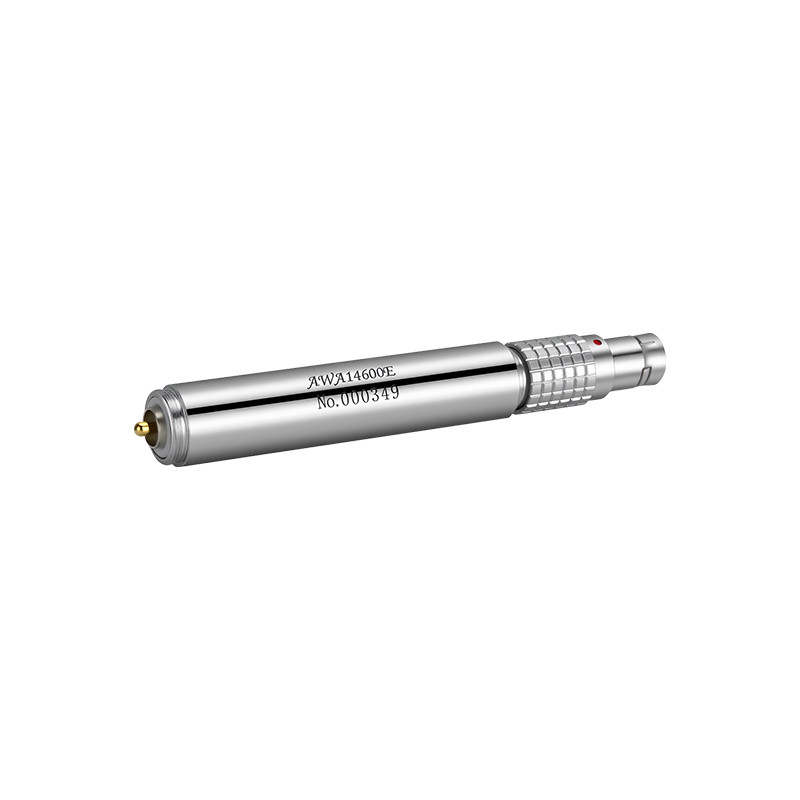
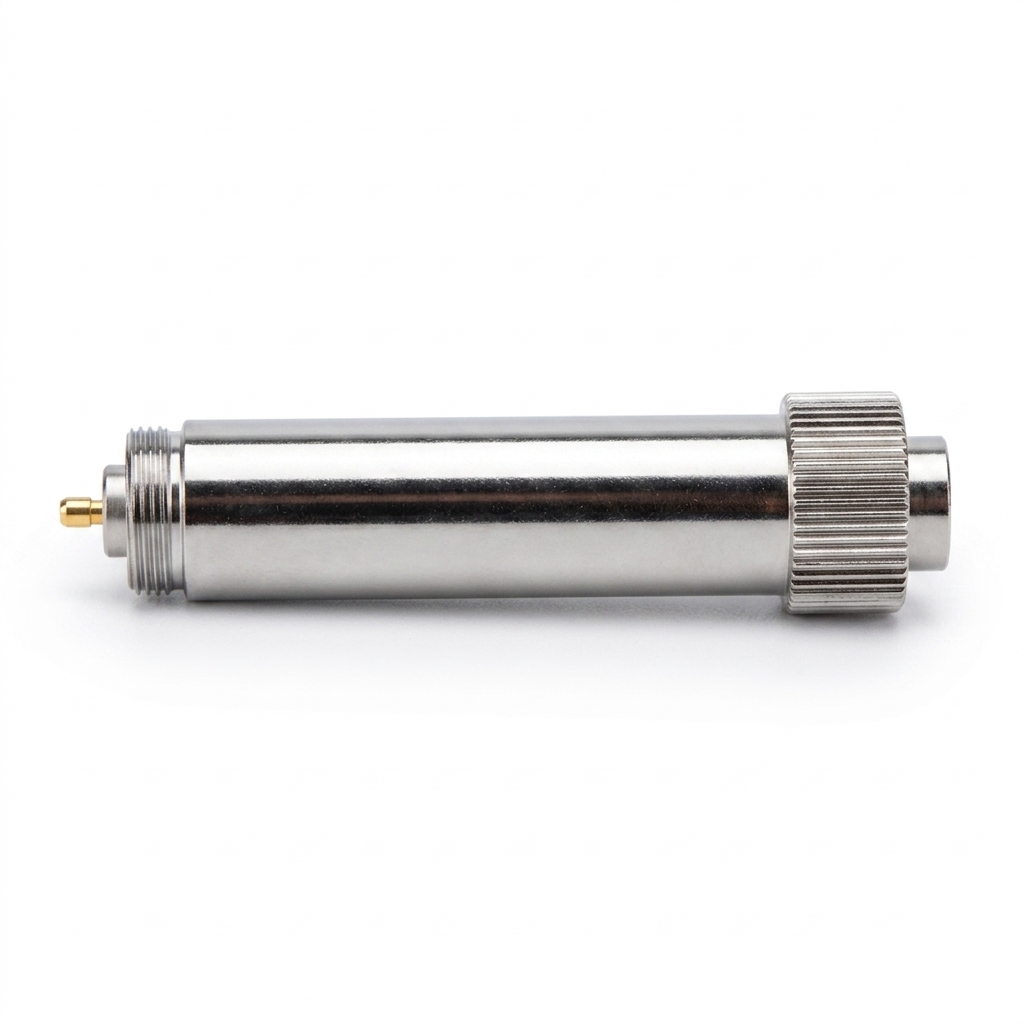
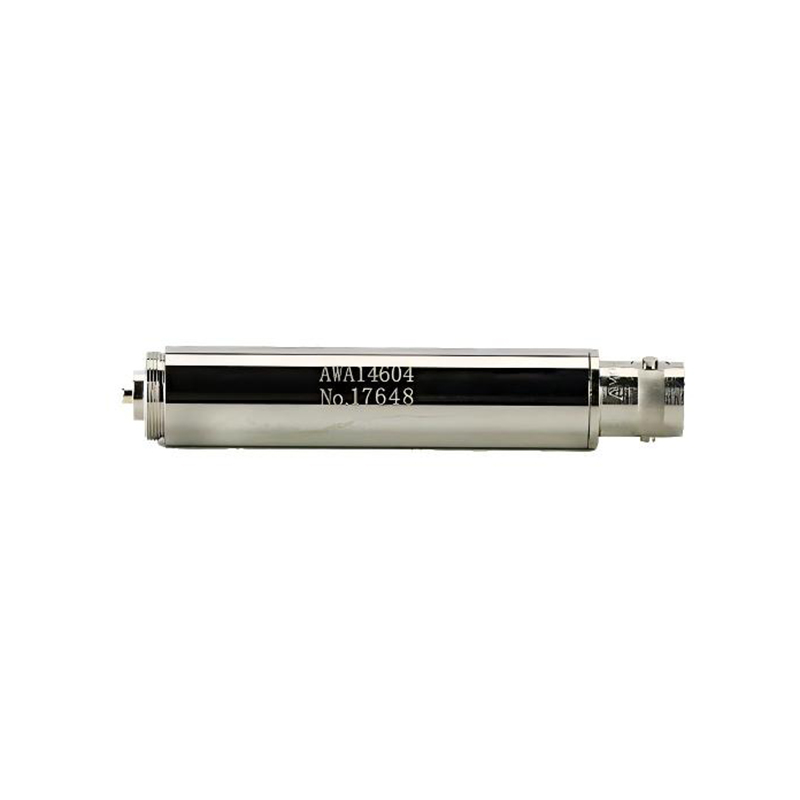
This process requires a highly stable, high-impedance preamplifier and a precise 1/2-inch or 1/4-inch measurement microphone cartridge. The calibration system must verify not only the steady-state tone levels but also the rise/fall times of pulsed tones and the frequency accuracy of the stimulus.
Bone conduction testing bypasses the outer and middle ear, transmitting vibrations directly to the cochlea via a bone vibrator (such as the B71) placed on the mastoid process. Calibrating these vibrators requires an artificial mastoid (IEC 60318-6), which simulates the mechanical impedance of the human head. The force levels generated by the vibrator are measured by a force transducer within the mastoid, which is then analyzed by the sound level meter. Because the force levels are extremely small, a low-noise preamplifier is vital to guarantee an adequate signal-to-noise ratio.
The environment in which hearing tests are conducted is just as critical as the equipment itself. ISO 8253-1 defines strict Maximum Permissible Ambient Noise Levels (MPANLs) for audiometric test rooms. If ambient noise is too high, it can mask low-level test tones, causing false positives for hearing loss.
Clinicians use Class 1 sound level meters equipped with octave-band filters to perform continuous ambient noise audits of sound booths. This diagnostic step ensures that the testing environment is acoustically isolated and legally compliant, protecting clinics from liability and ensuring patient diagnostic accuracy.
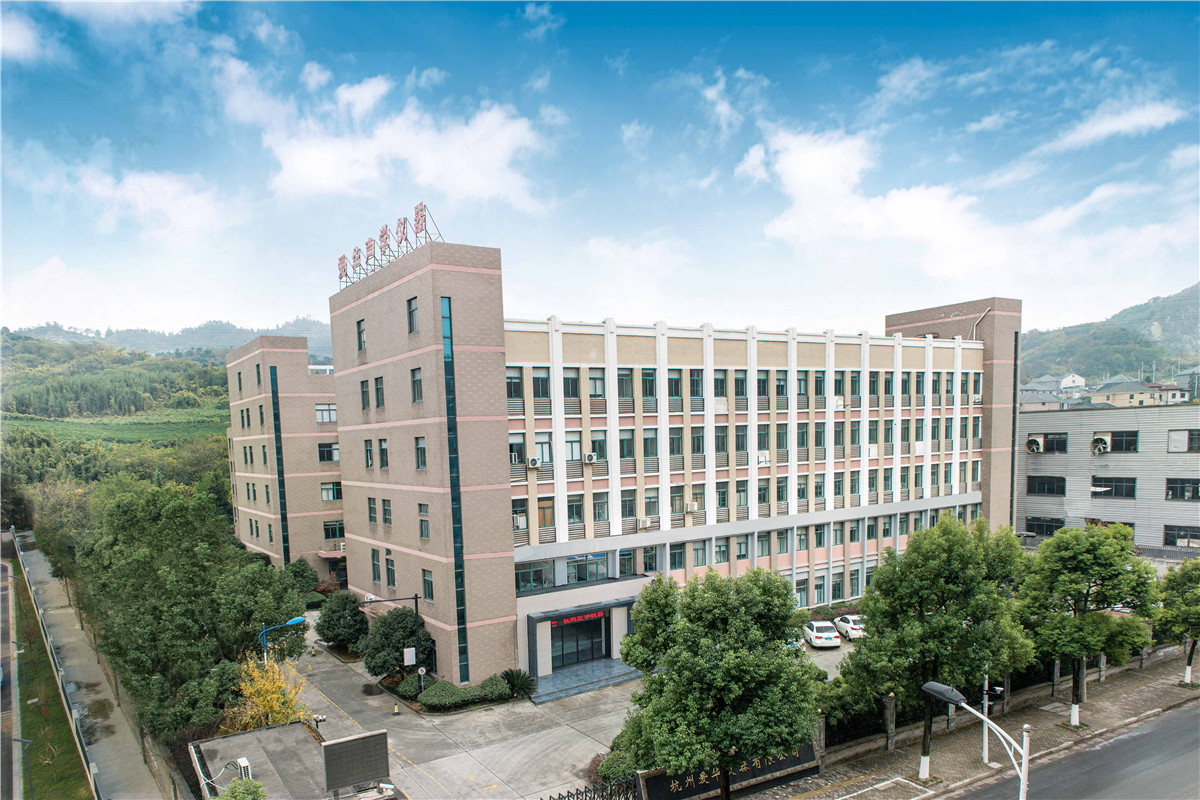
Founded in 1992, Aihua Instruments is a Hangzhou-based manufacturer specializing in precision acoustic testing and vibration measurement instrumentation. With over 30 years of unwavering dedication to the acoustic and vibration field, we have established ourselves as one of China's foremost high-tech enterprises in this domain. From our early days as a pioneering research institute to today's internationally recognized brand, our growth reflects a relentless commitment to technological excellence and customer satisfaction.
Our product range covers sound level meters, noise dosimeters, calibrators, audiometric calibration systems, microphones and accessories, software products, and acoustic test systems — over 60 varieties in total. We serve diverse application fields including environmental noise monitoring, building acoustics, occupational health and safety, vehicle noise testing, and audiometer calibration. Notably, we design and manufacture our own measurement microphones in-house — from cartridge development to automated performance testing — giving us a critical quality advantage that few competitors can match.
Your Trusted Partner in Acoustic & Vibration Measurement
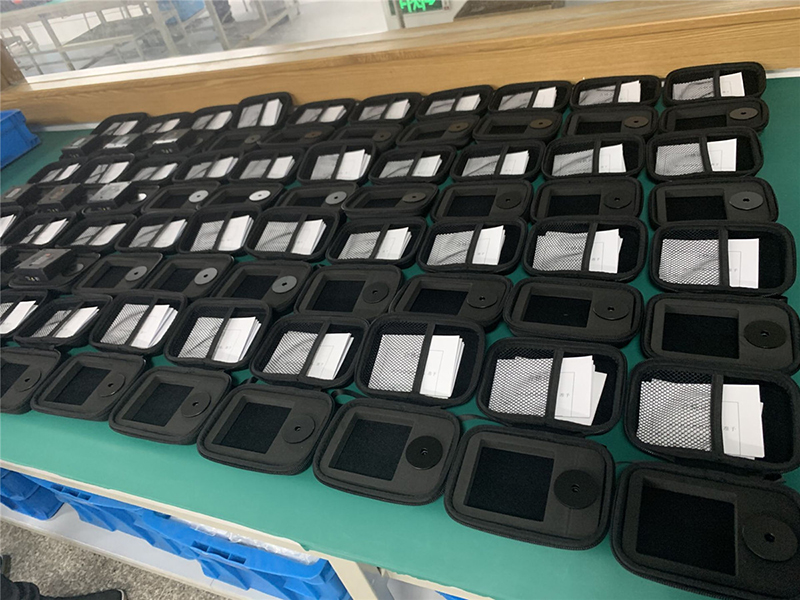
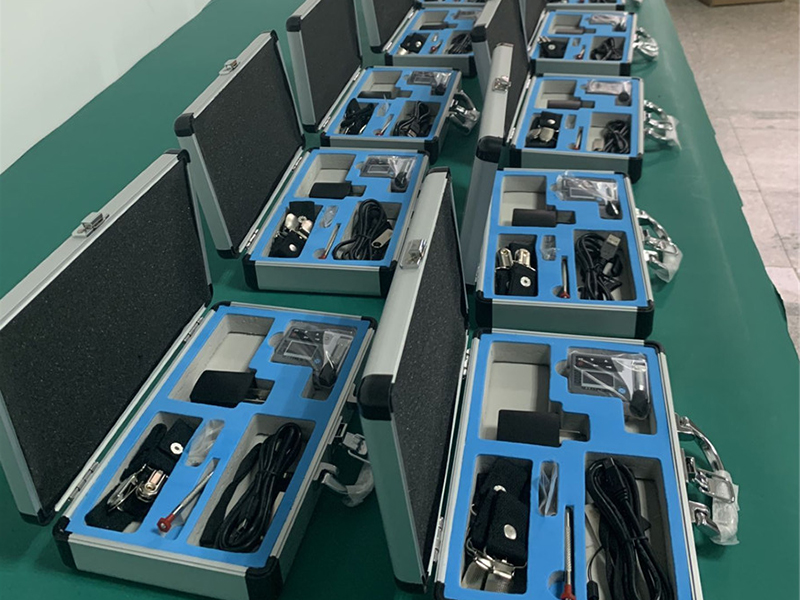
Our fully equipped manufacturing facility features advanced automated test systems, ensuring every product meets strict quality benchmarks before leaving the factory.
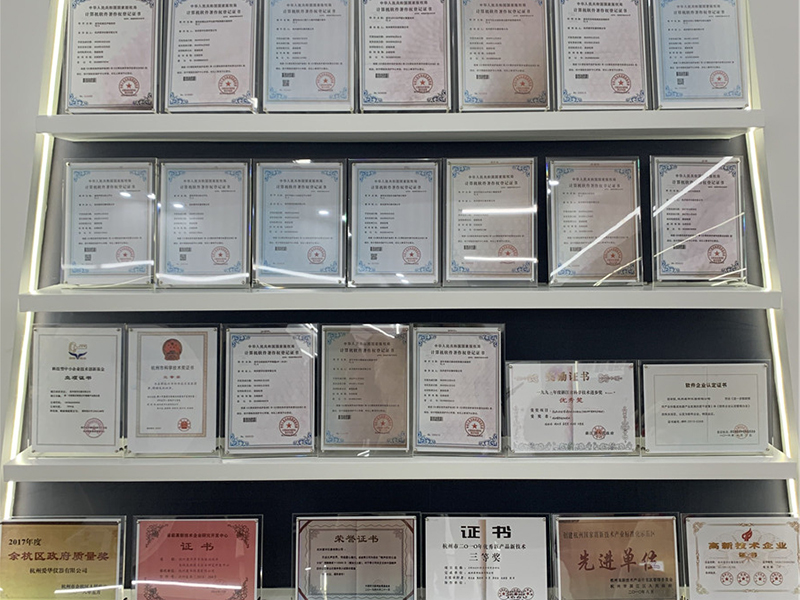
Identified as a provincial High-tech Enterprise R&D Center, our dedicated engineering team continuously drives innovation in digital detection, signal processing, and remote monitoring technologies, and supports OEM/ODM partnerships.
Our management systems and products hold ISO 14001, ISO 45001, CE, and RoHS certifications, demonstrating our commitment to environmental responsibility, workplace safety, and global compliance.
We export to over 40 countries across Europe, North America, South America, and Asia, with a strong reputation built on consistent quality and competitive pricing.
Backed by professional engineers, we deliver responsive, expert support throughout the entire product lifecycle, ensuring our customers always have the assistance they need.
Take a virtual tour inside our world-class production and testing facilities where acoustic precision is born.
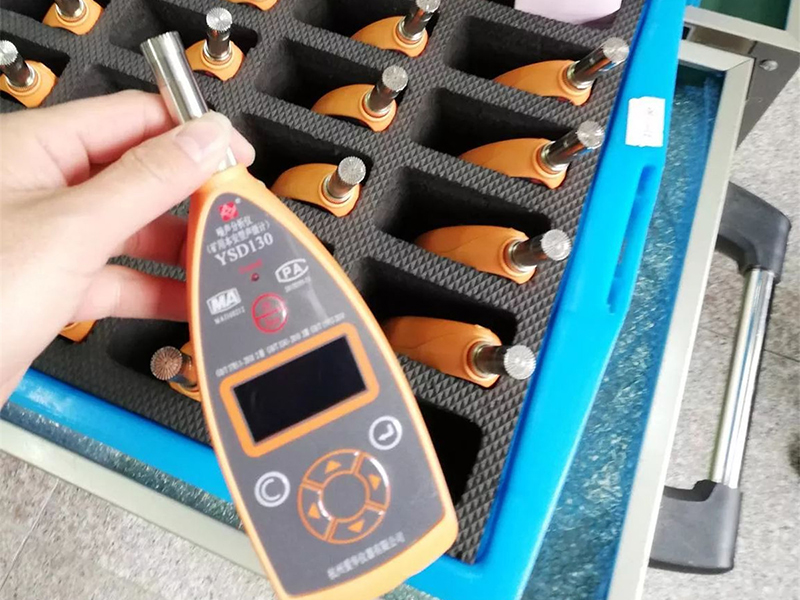
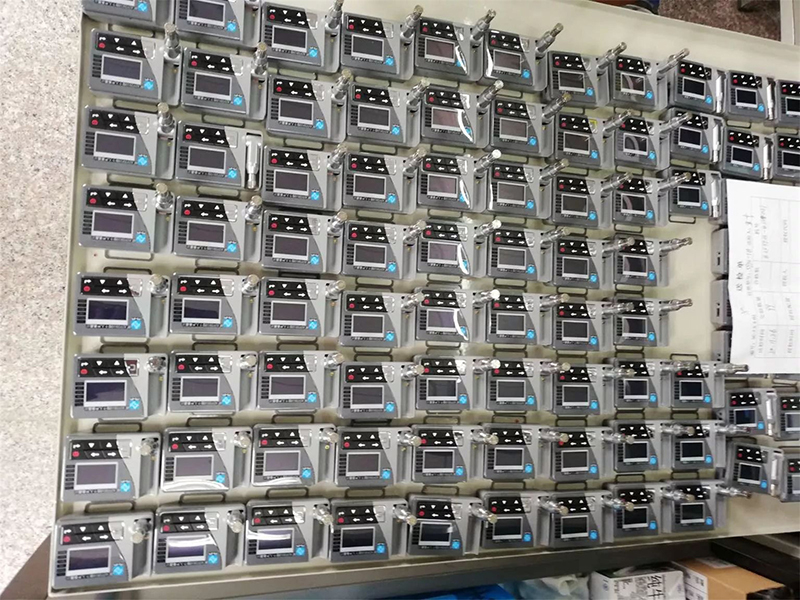
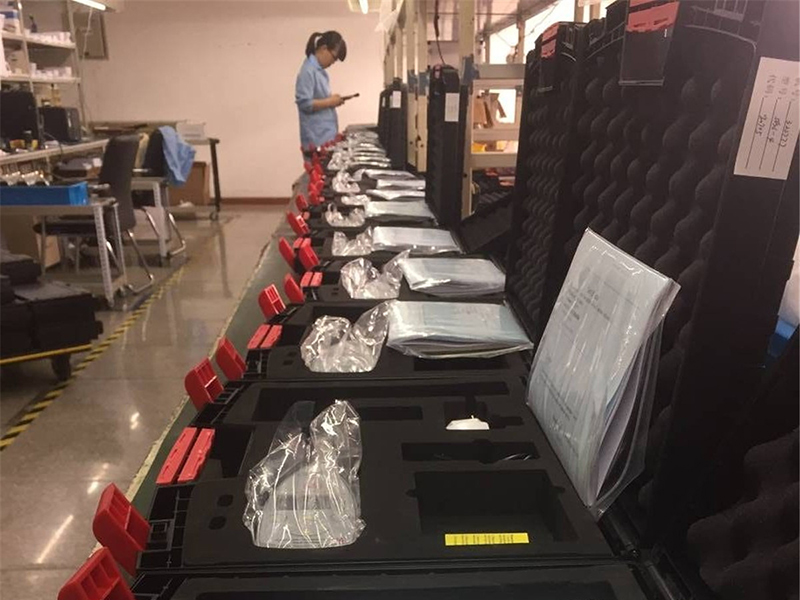
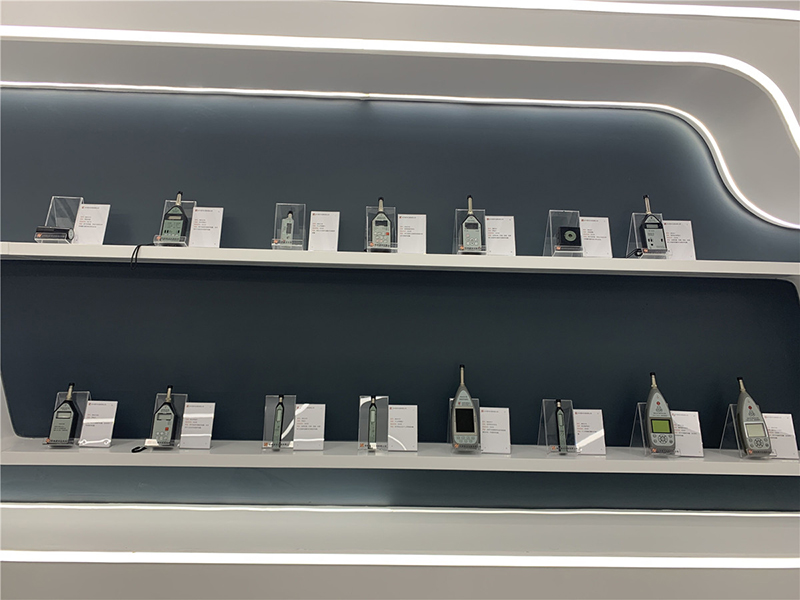
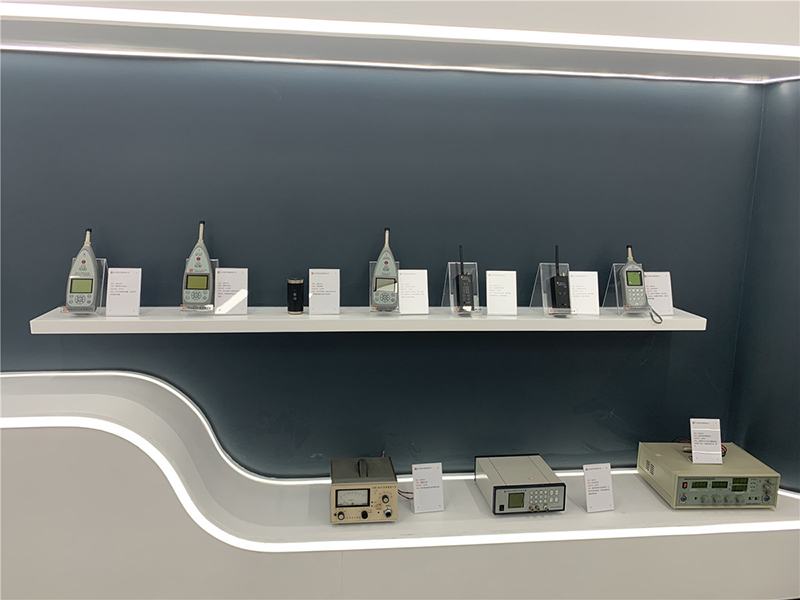
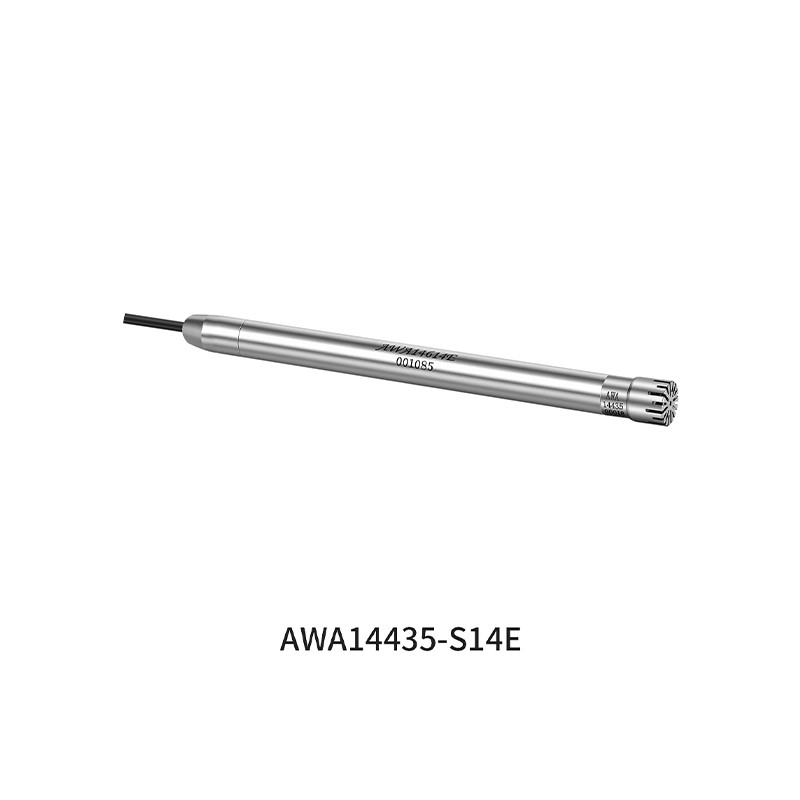
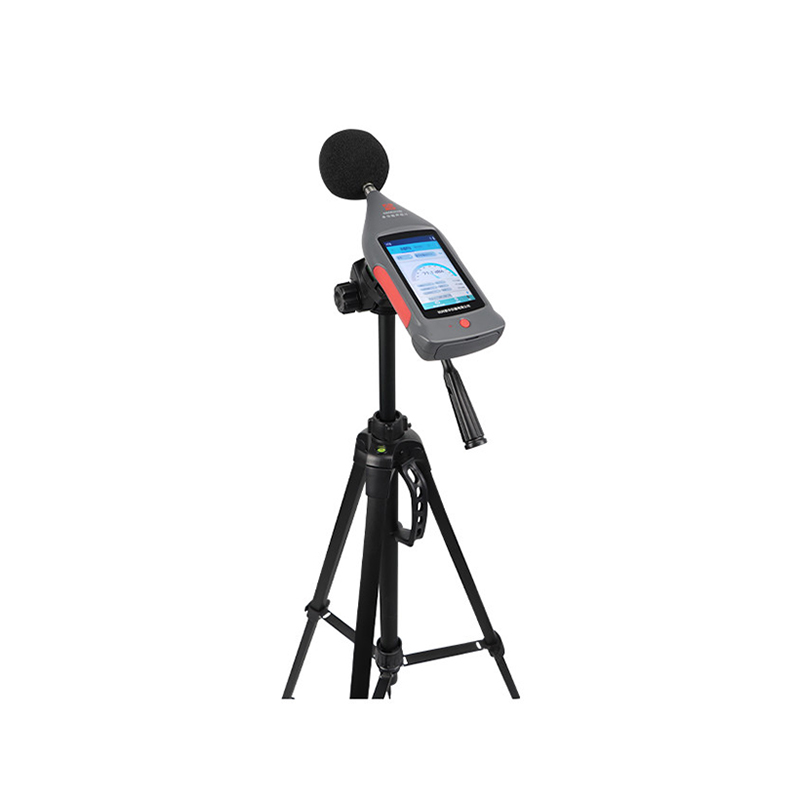
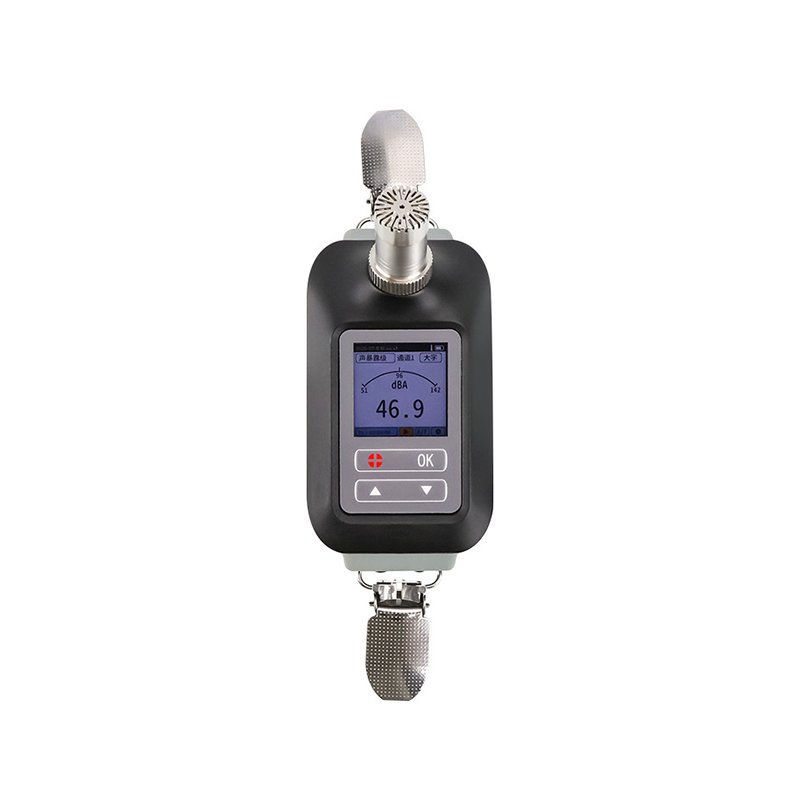
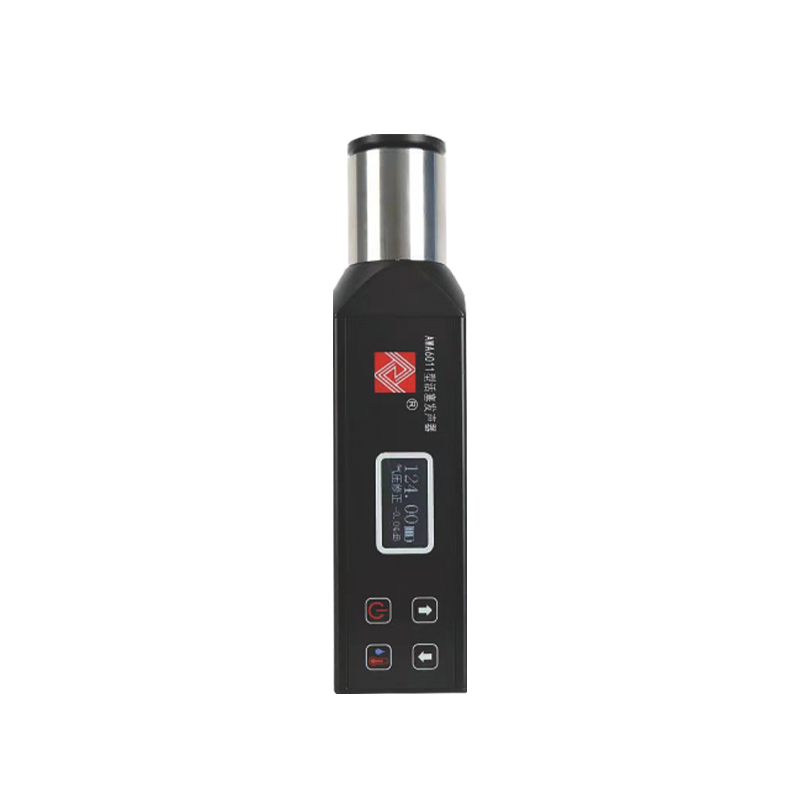
Explore our full catalog of professional sound level meters, low-noise preamplifiers, and sound generators.
30+ YEARS OF ACOUSTIC EXCELLENCE, BUILT IN CHINA, TRUSTED WORLDWIDE
Contact our technical sales team today to configure your bespoke audiometer calibration and diagnostic acoustic testing system.