- Home
- About Us
- Products
- Application
- Resource
- News
- Contact Us
Leave Your Message
Engineered for tool manufacturers, occupational health inspectors, and industrial safety managers monitoring high-vibration power tools and environmental noise emissions.
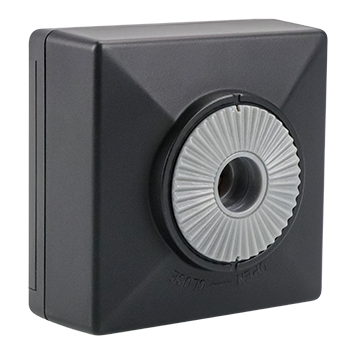
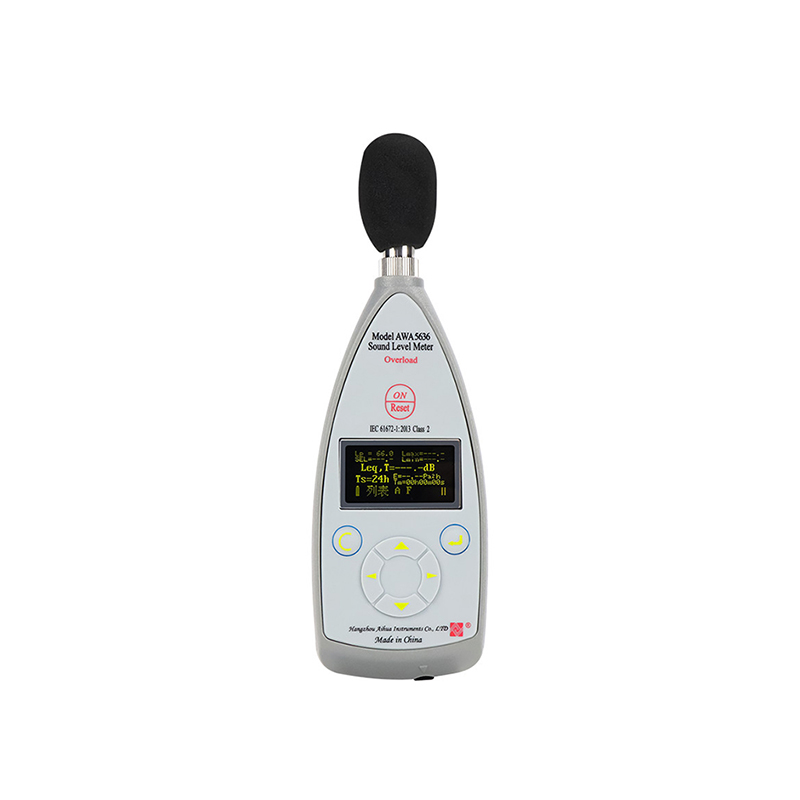
High-accuracy Class 1 reference generator for calibrating noise meters and acoustic dosimetry chains before and after intense hand-held tool testing.
Explore Specifications →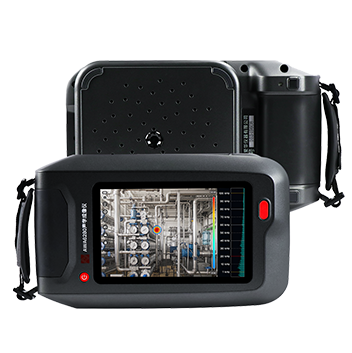
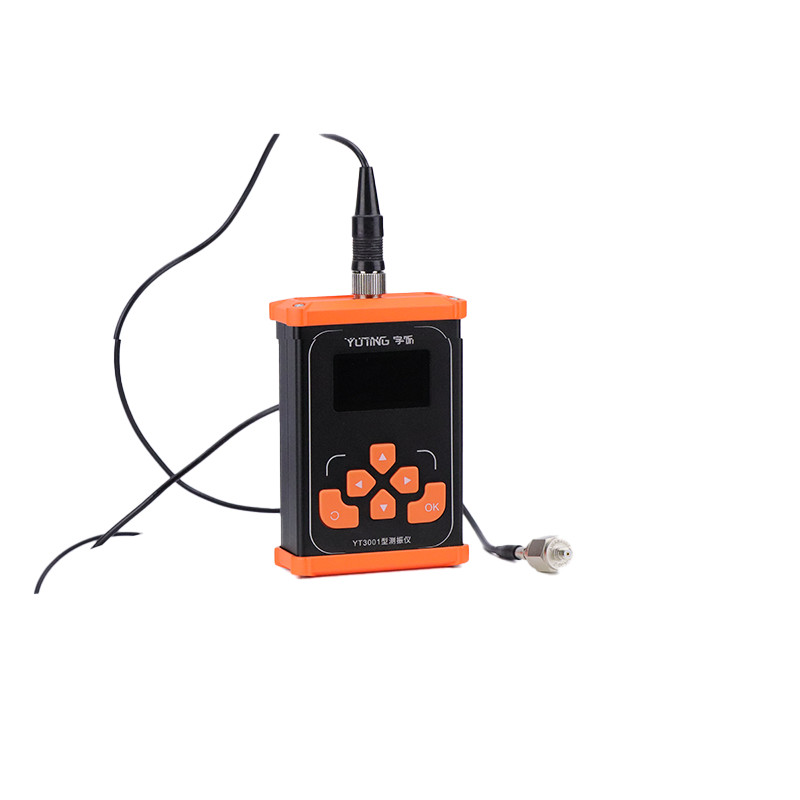
Visualizes tool mechanical friction, localized resonant casing vibrations, and air leak noise in pneumatic/electric power tools during continuous operator usage.
Explore Specifications →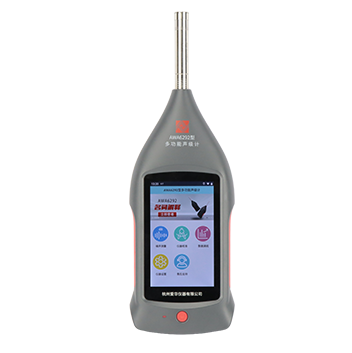
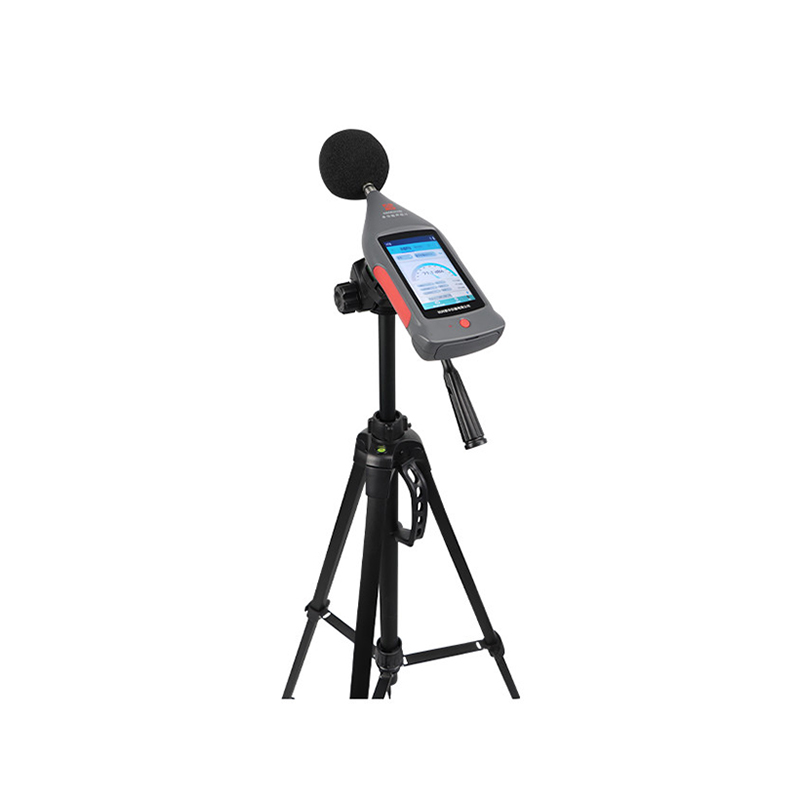
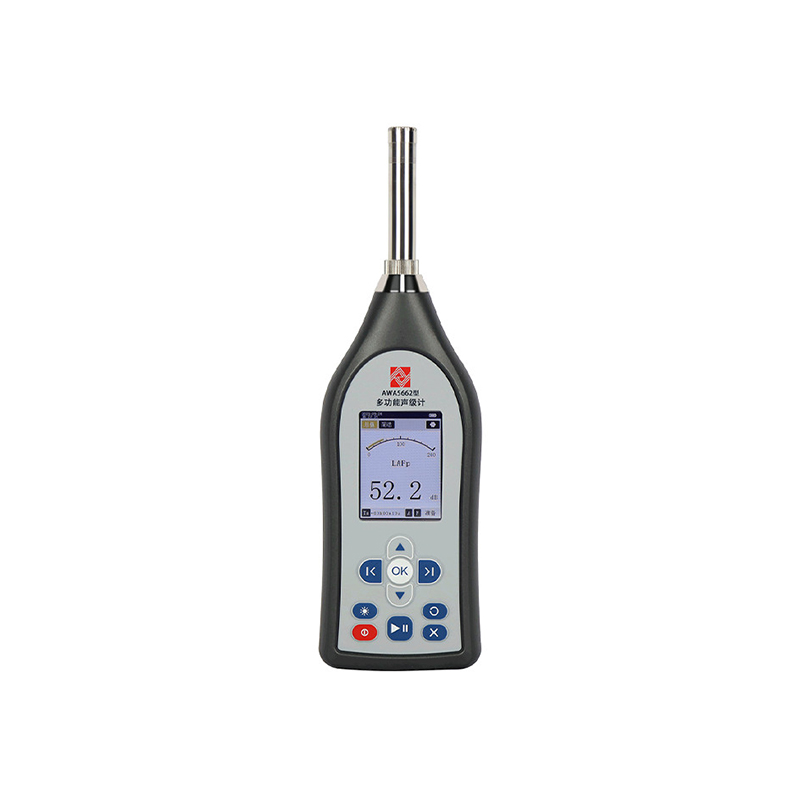
Flagship multifunctional sound analyzer featuring high dynamic range, real-time 1/1 and 1/3 octave analysis, and synchronous hand-arm vibration logging.
Explore Specifications →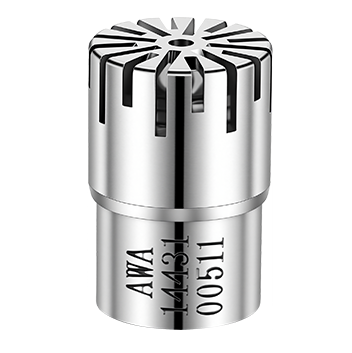
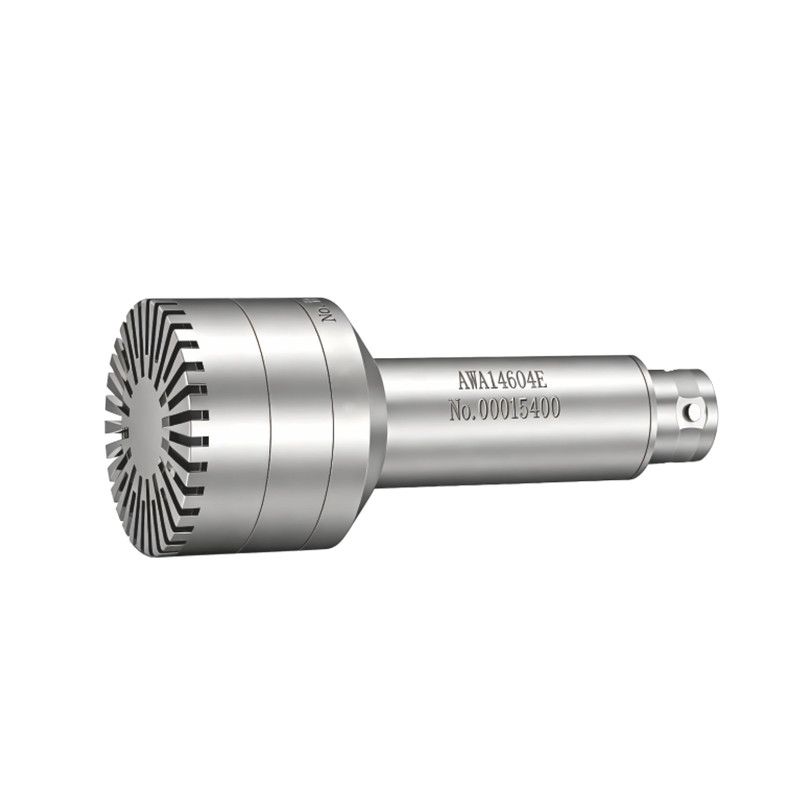
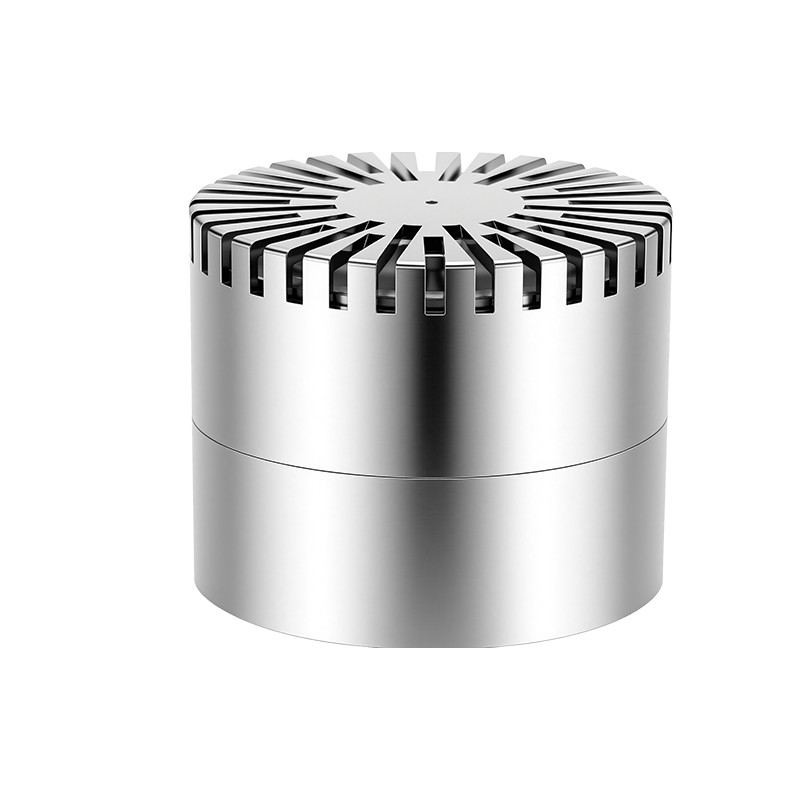
Ultra-low noise prepolarized free-field microphone cartridge developed in-house for close-field acoustic exposure evaluation around high-impact power machinery.
Explore Specifications →In heavy construction, metal fabrication, aerospace assembly, shipbuilding, and infrastructure demolition, operators of powered hand tools—such as pneumatic impact wrenches, angle grinders, rotary hammer drills, rivet guns, and reciprocating saws—are constantly exposed to aggressive physical stressors. Among these occupational hazards, Hand-Transmitted Vibration (HTV) and High-Intensity Acoustic Noise Pollution represent a catastrophic dual threat to human biomechanics and long-term worker health.
Historically, environmental noise monitoring and mechanical vibration testing were conducted using segregated, siloed instrumentation. Industrial hygienists would deploy personal noise dosimeters or sound level meters to calculate equivalent continuous sound pressure levels (LAeq), while mechanical engineers utilized tri-axial accelerometers to monitor frequency-weighted root-mean-square (RMS) acceleration values (ahw). However, contemporary epidemiological studies demonstrate that acoustic noise stress and vascular-neurological hand-arm degradation are deeply interrelated. Hand-Arm Vibration Syndrome (HAVS)—frequently manifesting as Vibration White Finger (VWF), carpal tunnel neuropathy, and skeletal bone cysts—is exacerbated by acoustic-induced vasoconstriction and systemic sympathetic nervous excitation.
Enforcing strict exposure limits is no longer merely an internal safety guideline; it is a legally binding mandate across global manufacturing hubs. Regulatory architectures such as the European Directive 2002/44/EC (Physical Agents - Vibration), the EU Directive 2003/10/EC (Noise at Work), the American Conference of Governmental Industrial Hygienists (ACGIH) Threshold Limit Values (TLVs), and OSHA 1910.95 establish uncompromising boundaries for worker exposure.
| Standard Code | Standard Scope & Focus | Core Metric Monitored | Mandatory Equipment Capability |
|---|---|---|---|
| ISO 5349-1 / 5349-2 | Measurement & evaluation of human exposure to hand-transmitted vibration | Frequency-weighted RMS acceleration ahv & A(8) Daily Exposure | Wh frequency weighting filter (6.3 Hz to 1250 Hz) |
| ISO 8041-1:2017 | Human response to vibration — Measuring instrumentation | Instrument accuracy, linearity, dynamic range validation | Tri-axial accelerometer calibration, crest factor > 9 |
| ISO 28927 Series | Hand-held portable power tools — Test methods for vibration emission | Vibration declaration under simulated actual load conditions | High-shock capability, handle adapter mechanical isolation |
| IEC 61672-1:2013 | Electroacoustics — Sound level meters specifications | A, C, Z frequency weightings, Fast/Slow/Impulse time averaging | Class 1 / Class 2 acoustic precision linearity down to 20 dB(A) |
| EU Directive 2002/44/EC | Occupational exposure action values (EAV) & limit values (ELV) | Daily Action: 2.5 m/s² | Daily Limit: 5.0 m/s² for A(8) | Trigger-time logging & automatic dose calculation alerts |
Deploying an integrated Noise Pollution Meter alongside Hand-Transmitted Vibration hardware requires understanding the unique mechanical characteristics of various power tools. Operating conditions, material hardness, tool wear, and operator ergonomics significantly influence the vibrational and acoustic spectrums.
Pneumatic rock drills, jackhammers, and breaker hammers generate intense low-frequency mechanical shocks accompanied by sound pressure levels routinely surpassing 110 dB(A). Operators experience severe recoil impulses that travel directly through the metacarpal bones into the forearm. Modern dual-purpose instrumentation captures the unweighted mechanical impulse spikes while applying the standard Wh weighting curve to quantify cumulative A(8) exposure, preventing tendon micro-trauma while verifying exhaust silencer attenuation.
In foundries and metal machining workshops, high-speed angle grinders (operating between 6,000 and 12,000 RPM) produce dominant high-frequency vibrational components between 500 Hz and 1250 Hz, precisely where tactile nerve receptors (Meissner's and Pacinian corpuscles) are most susceptible to irreversible necrosis. In conjunction, grinding disc contact generates abrasive, screaming noise with excessive high-frequency spectral density. Our acoustic and vibration meters enable real-time 1/3-octave band analysis, isolating unbalanced disc vibration from gear mesh whine.
Continuous fastening operations utilizing pneumatic and brushless DC pulse screwdrivers require tight ergonomic management. While individual fastening pulses last less than 200 milliseconds, an assembly technician executes thousands of cycles per shift. Integrated noise and micro-vibration dosimeters log the exact "trigger time" duration, automatically computing cumulative daily dose units and warning factory supervisors via telemetry when an operator reaches 80% of their permissible daily A(8) allowance.
Chainsaws, brush cutters, and hedge trimmers combine high combustion engine acoustics with multi-axis handle oscillation. The outdoor, variable-temperature environment necessitates instrumentation with IP65 environmental protection, broad temperature compensation (-20°C to +50°C), and ruggedized preamplifiers capable of maintaining Class 1 accuracy across prolonged field surveys.
The next generation of occupational safety instrumentation is transitioning toward distributed intelligent telemetry. Standalone, disconnected meters are being supplanted by IoT-enabled smart sensing ecosystems. Key technological vectors include:
1. Wearable MEMS Sensor Integration: Ultra-miniaturized tri-axial MEMS accelerometers mounted directly within anti-vibration operator gloves or handle straps, streaming uncompressed high-bandwidth data via low-latency industrial Bluetooth or Wi-Fi 6 directly to the master sound level meter.
2. AI-Driven Acoustic & Vibrational Pattern Dissection: Deep neural network classification models embedded in digital signal processors (DSPs) to automatically identify whether the measured acoustic spike is an ambient workshop collision or direct tool-workpiece interaction, eliminating false-positive exposure violations.
3. Cloud-Based Worker Digital Ergonomic Profiles: Centralized safety dashboards aggregating real-time dosimetric data from hundreds of active power tool operators across enterprise job sites, automating regulatory compliance reporting and dynamically reassigning task schedules to eliminate worker overexposure.
Founded in 1992, Aihua Instruments is a Hangzhou-based manufacturer specializing in precision acoustic testing and vibration measurement instrumentation. With over 30 years of unwavering dedication to the acoustic and vibration field, we have established ourselves as one of China's foremost high-tech enterprises in this domain.
From our early days as a pioneering research institute to today's internationally recognized brand, our growth reflects a relentless commitment to technological excellence and customer satisfaction. Our complete product ecosystem empowers industrial enterprises, metrology laboratories, research institutes, and health inspection agencies worldwide with uncompromised data precision.

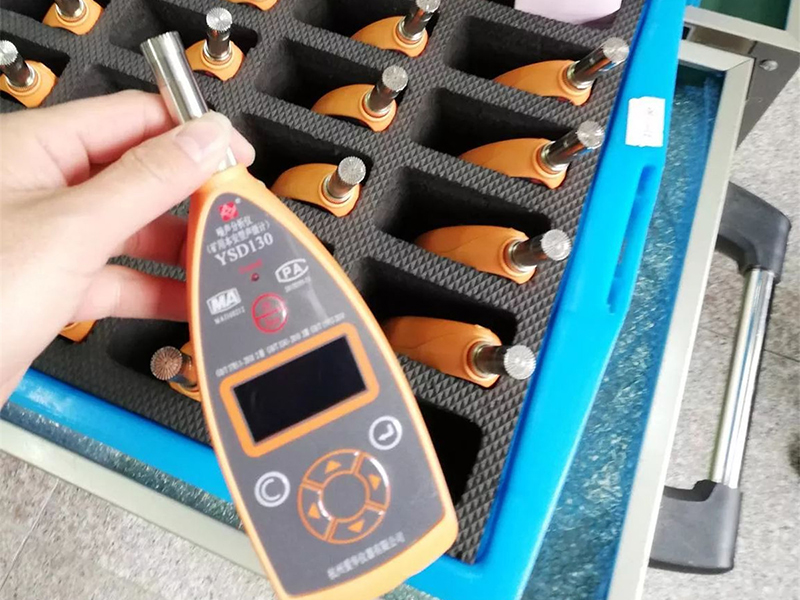
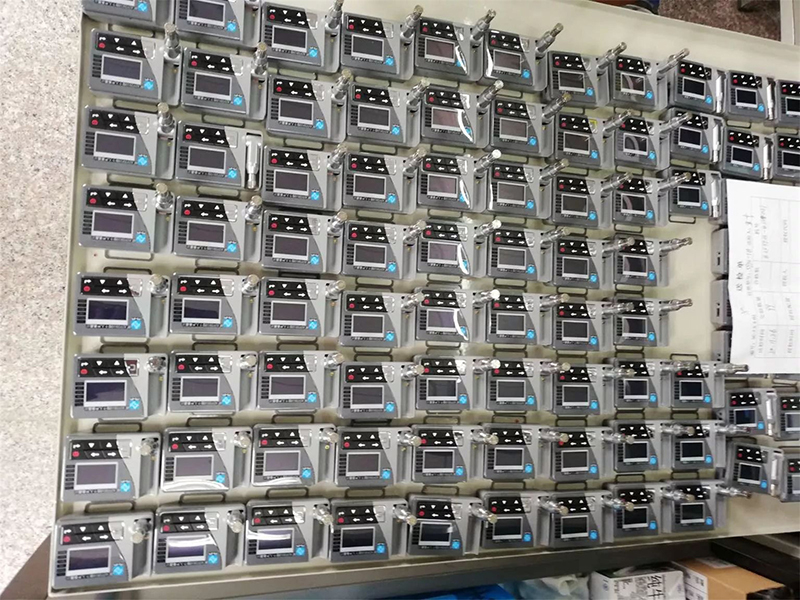
From cleanroom microphone diaphragm deposition to multi-axis shaker table calibration, every instrument undergo stringent metrological verification.
Your Trusted Global Partner in Precision Acoustic & Hand-Transmitted Vibration Measurement.
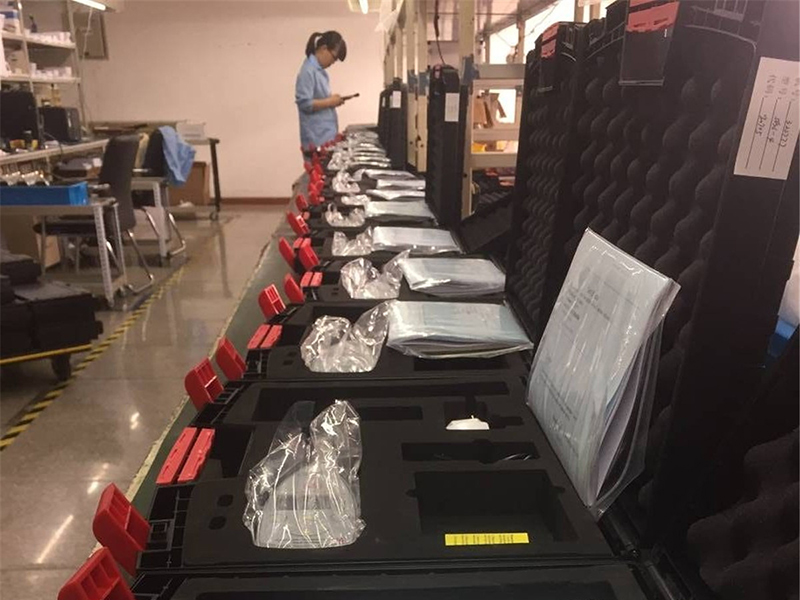
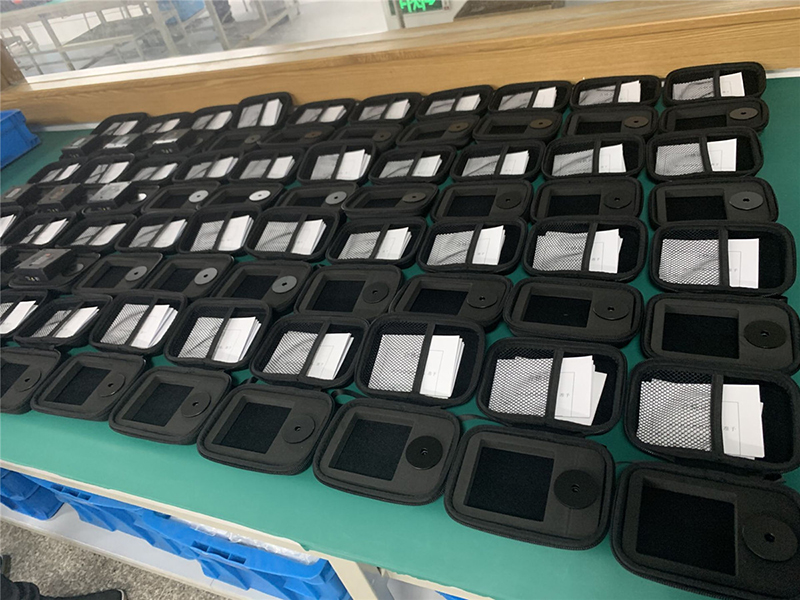
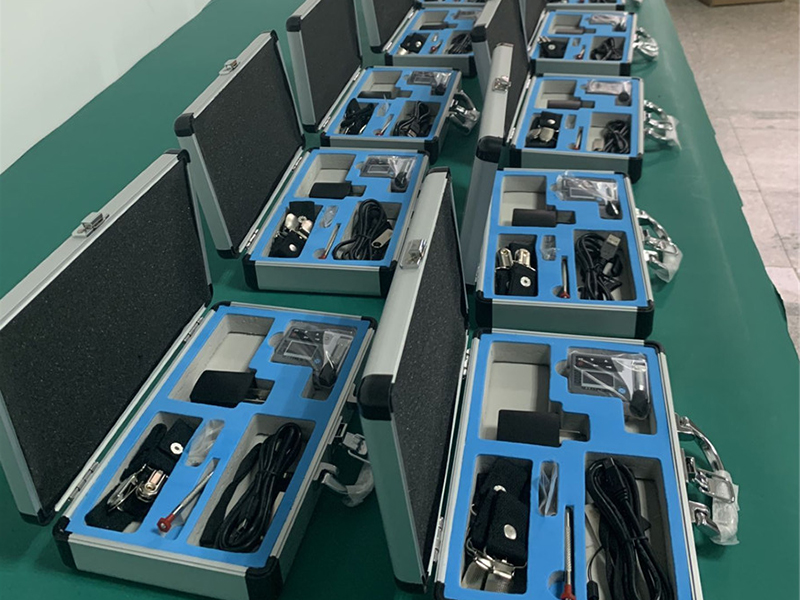
Our fully equipped manufacturing facility features advanced automated test systems, ensuring every product meets strict quality benchmarks before leaving the factory.
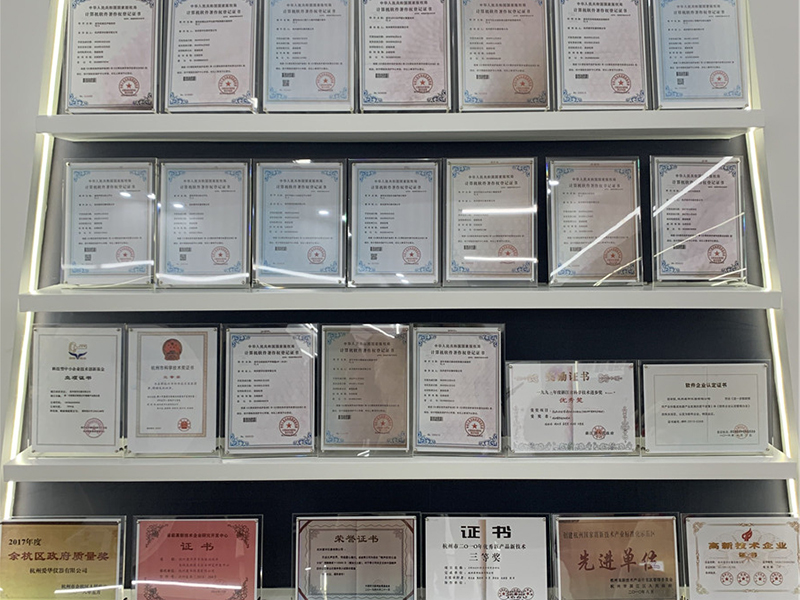
Identified as a provincial High-tech Enterprise R&D Center, our engineering team continuously drives innovation in digital detection, signal processing, and remote monitoring.
Our management systems and products hold ISO 14001, ISO 45001, CE, and RoHS certifications, demonstrating commitment to global safety and environmental compliance.
We export to over 40 countries across Europe, North America, South America, and Asia, with a strong reputation built on consistent quality and competitive value.
Backed by professional acoustic and vibration engineers, we deliver responsive, expert support throughout the entire product lifecycle.
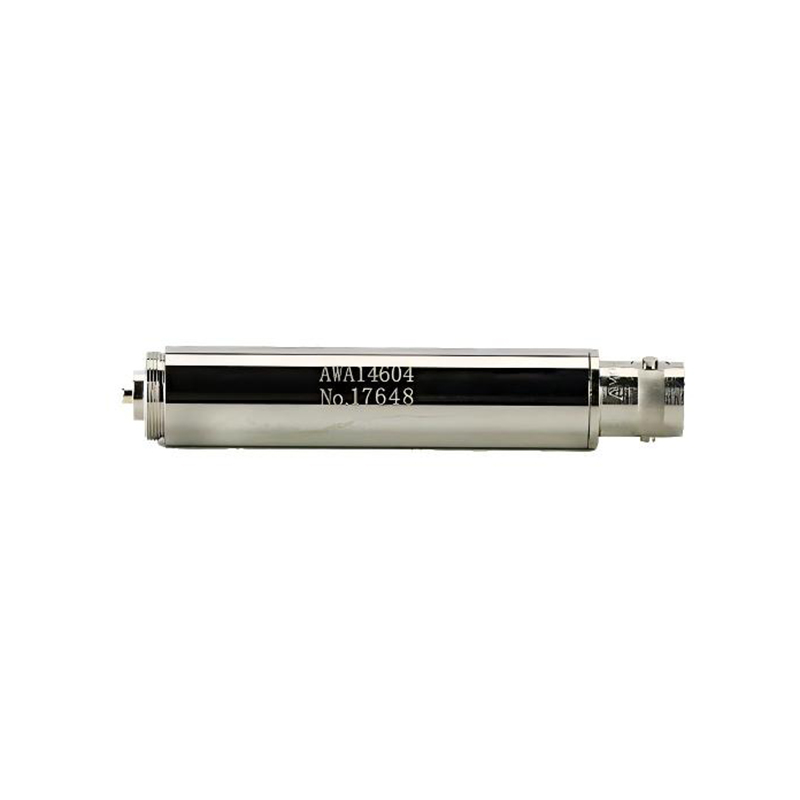
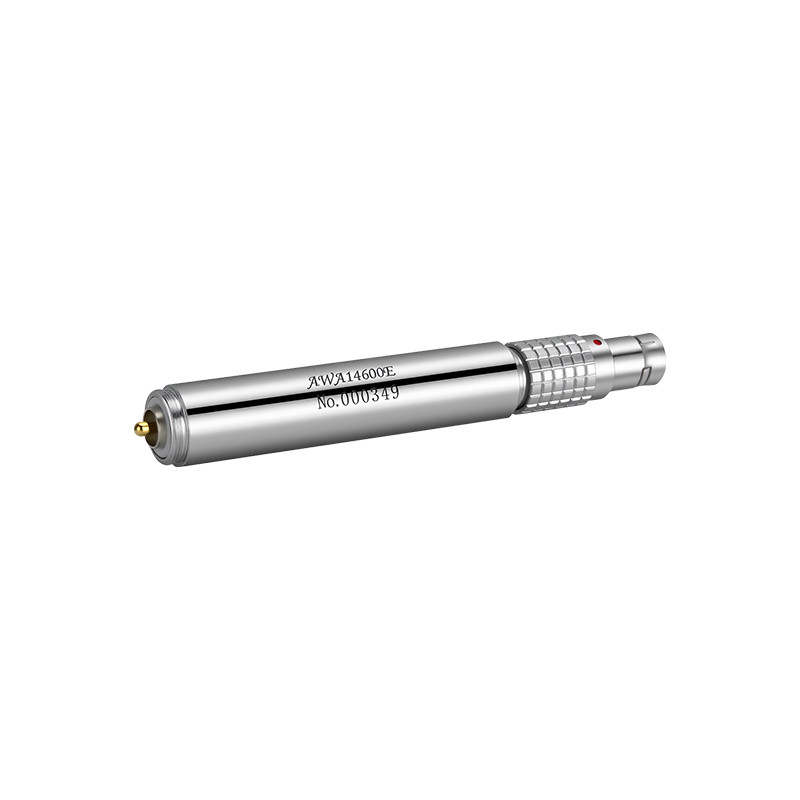
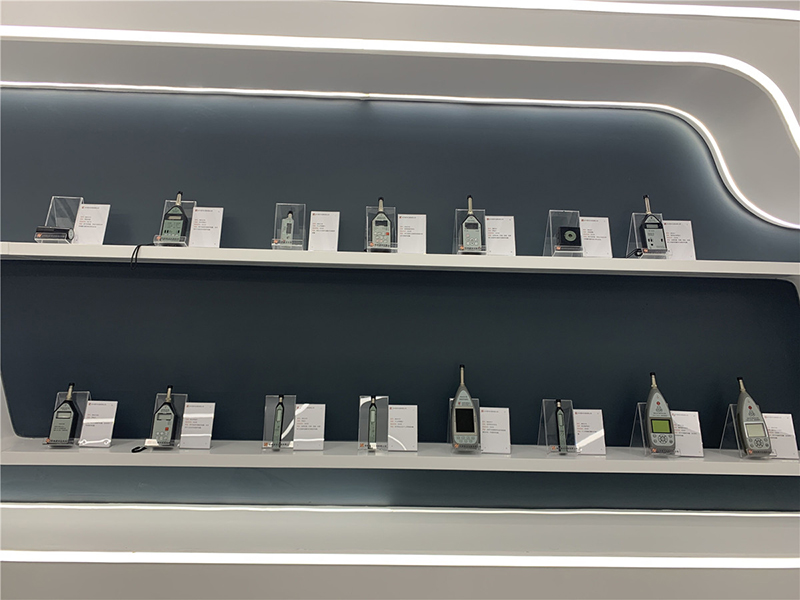
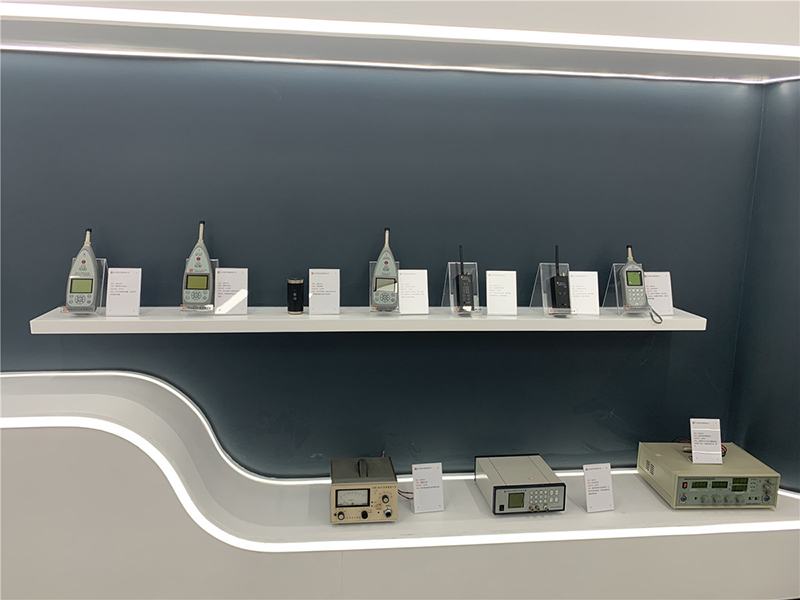
High-precision sound level meters, low-noise preamplifiers, multi-parameter vibration sensors, and measurement microphone sets.