
- Home
- About Us
- Products
- Application
- Resource
- News
- Contact Us
Leave Your Message
From primary acoustic calibration to real-time acoustic imaging, explore the specialized tools engineered to quantify sound hazards across severe factory conditions.
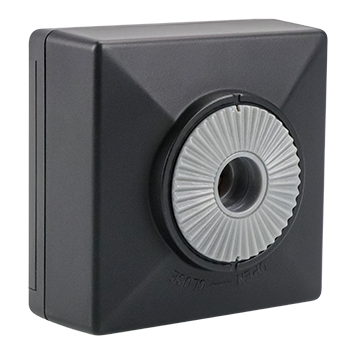
Essential Class 1 calibration benchmark ensuring daily precision verification before and after workplace noise surveys.
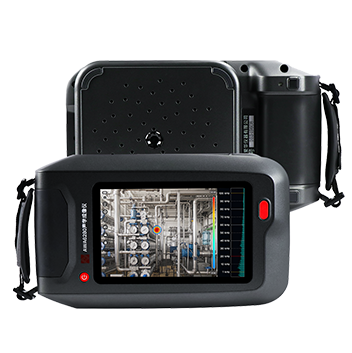
High-speed beamforming acoustic camera identifying root-cause machinery sound leakage in heavy industrial plant environments.
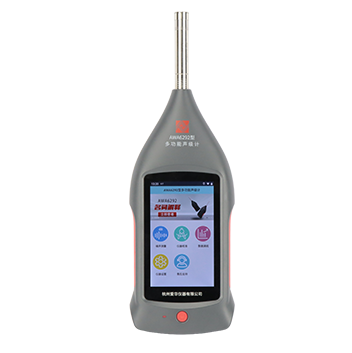
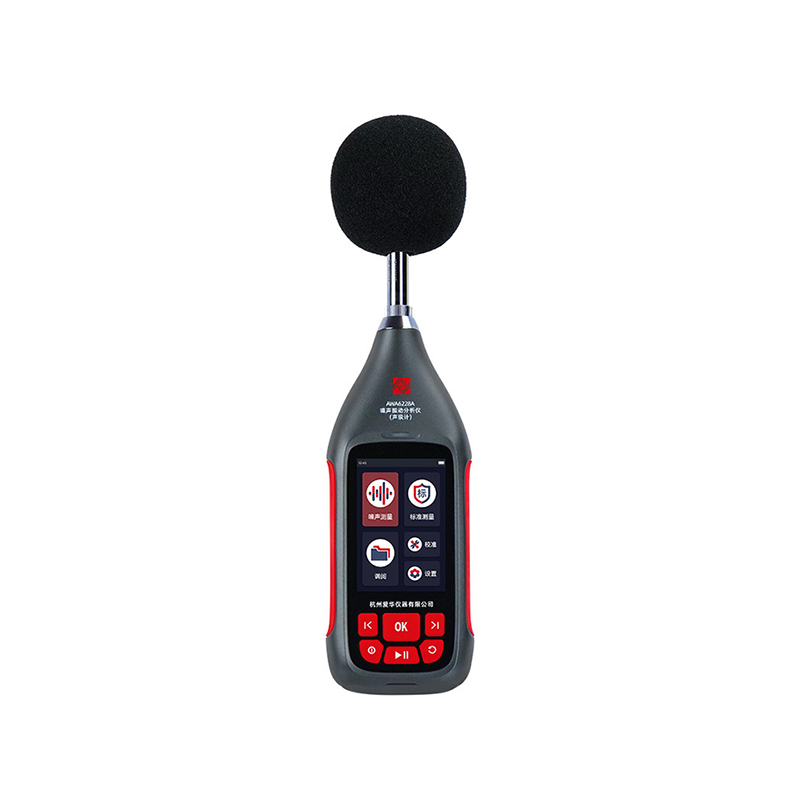
Smart touch-screen precision noise analyzer equipped with 1/1 and 1/3 real-time octave band filters for hearing protector ratings.
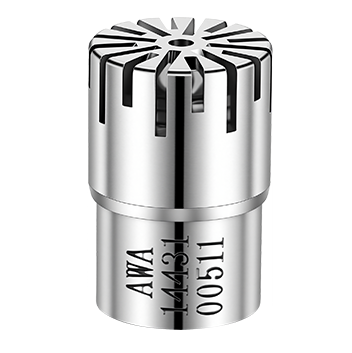
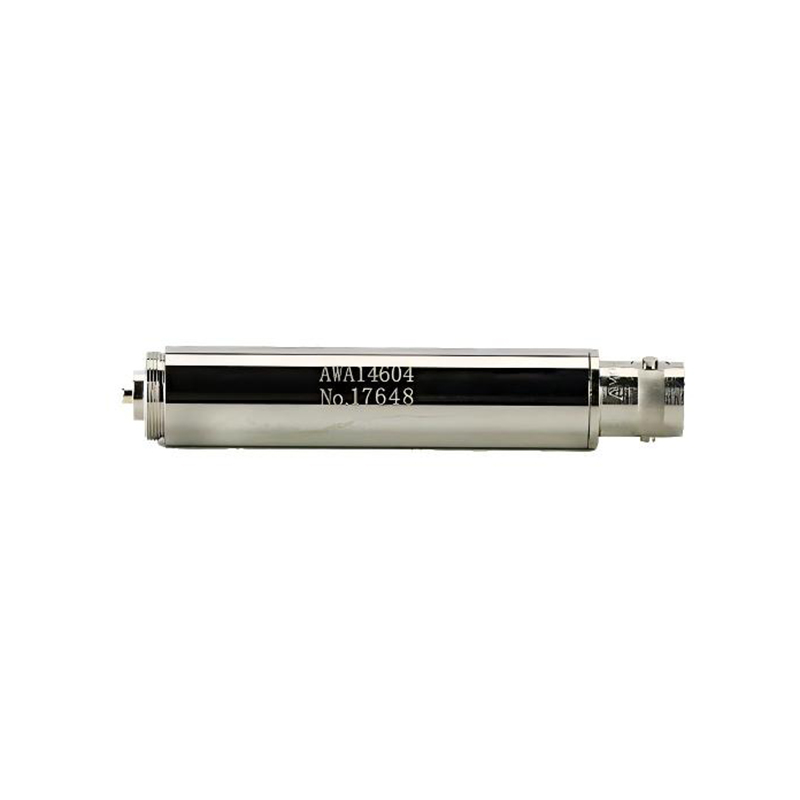
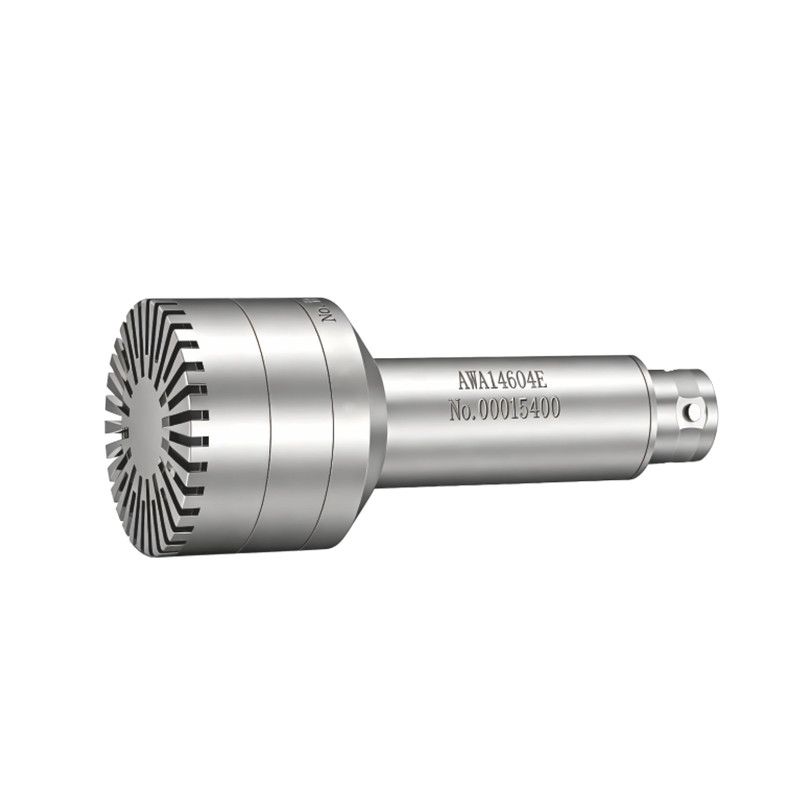
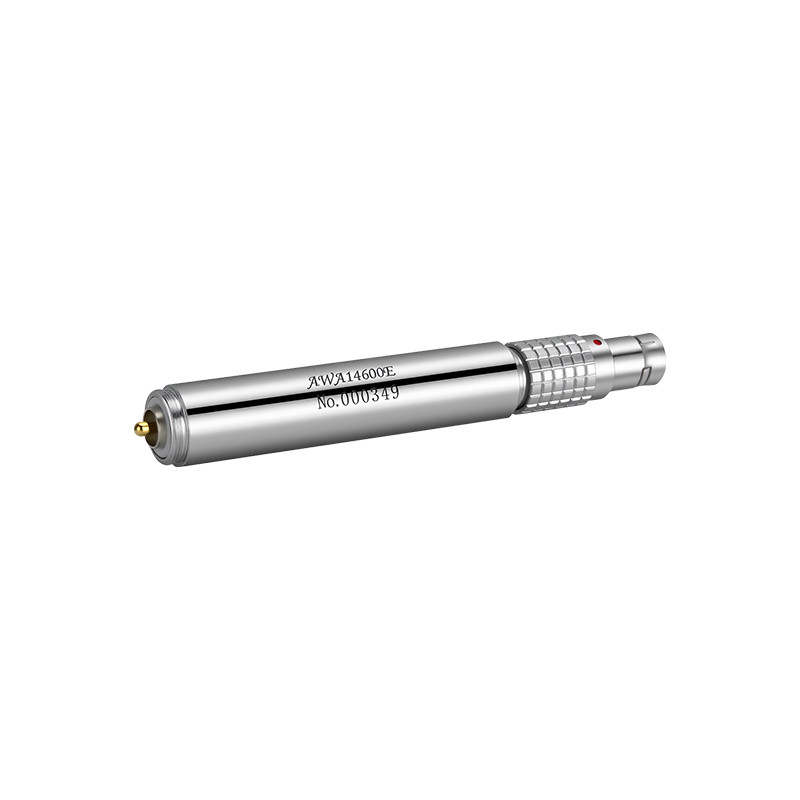
Prepolarized free-field measurement microphone delivering linear dynamic response under harsh factory environmental parameters.
Noise-Induced Hearing Loss (NIHL) remains one of the most widespread and irreversible occupational illnesses globally, compelling industrial hygienists and EHS leaders to adopt sophisticated digital acoustic metrology.
Across modern manufacturing facilities, oil refineries, metallurgical foundries, processing mills, and logistics hubs, excessive acoustic energy is not merely an occupational inconvenience—it represents a systemic regulatory liability and a primary determinant of worker health. Regulatory enforcement agencies such as the United States Occupational Safety and Health Administration (OSHA 29 CFR 1910.95), the European Union Physical Agents Directive (2003/10/EC), and the International Organization for Standardization (ISO 9612) impose stringent legal thresholds on Time-Weighted Average (TWA) noise exposure.
Failure to implement validated workplace noise meters exposes corporations to catastrophic financial consequences, including multi-million-dollar workers' compensation settlements, regulatory sanctions, and lost productivity. Consequently, the commercial demand for Class 1 and Class 2 sound level meters and personal wearable noise dosimeters has shifted from ad-hoc spot audits to continuous, data-driven acoustic surveillance frameworks integrated directly into Enterprise Health and Safety (EHS) dashboards.
Under international standard IEC 61672, acoustic meters are categorized into Class 1 and Class 2. While Class 2 meters provide acceptable precision (±1.4 dB tolerance) for broad industrial noise surveys and routine EHS walk-throughs, Class 1 meters (±0.7 dB tolerance across a wider 10 Hz–20 kHz frequency spectrum) are legally mandatory for formal litigations, boundary dispute arbitrations, low-frequency resonance diagnostics, and detailed octave-band selection of Hearing Protection Devices (HPD) via the HML and SNR methodologies.
The occupational acoustic instrumentation market is undergoing rapid technological evolution. Conventional stand-alone sound level meters are quickly giving way to intelligent acoustic sensors capable of onboard Fourier Transform (FFT) analysis, wireless Bluetooth mesh telemetry, and machine-learning audio pattern recognition. Three transformative trends are defining next-generation workplace noise mitigation:
1. Real-Time Spectral Decomposition & HPD Optimization: Rather than relying solely on global A-weighted decibels [dB(A)], safety engineers utilize instantaneous 1/1 and 1/3 octave band analyzers to isolate specific dominant peak frequencies. This data ensures that hearing protectors do not over-attenuate vocal communication frequencies (critical for situational awareness) while aggressively dampening destructive low-frequency humming or high-frequency valve hissing.
2. Beamforming Acoustic Cameras: Traditional noise meters indicate sound pressure magnitude at a specific coordinate, but fail to locate the precise mechanical origin. Acoustic imaging systems (such as the AWA6280) integrate multi-channel microphone arrays with optical video feeds to generate real-time heatmaps of acoustic radiation, drastically accelerating noise control engineering and enclosure retrofits.
3. Autonomous IoT Boundary Dosimetry: Permanent wall-mounted and pole-mounted noise stations with automated data-logging stream continuous Leq, Lmax, Lmin, and statistical Ln metrics directly to cloud servers, alerting safety officers via SMS or email the instant a machinery fault or structural resonance breaches occupational action limits.
Acoustic profiles differ radically between processing sectors. Discover how advanced noise analyzers resolve specific acoustic monitoring challenges across primary industries.
Acoustic Challenge: Metal fabrication, mechanical stamping presses, and drop-forges generate rapid, high-amplitude impulsive noise events exceeding 135–140 dB(C) Peak with microsecond rise times, easily saturating analog microphones and distorting conventional Leq computations.
The Solution: Utilizing dynamic sound level meters equipped with True Peak detectors, high-bandwidth preamplifiers, and ultra-fast dynamic response circuits compliant with IEC 61672 Class 1, enabling EHS teams to accurately evaluate both cumulative 8-hour TWA and instantaneous acoustic shock risks.
Acoustic Challenge: High-pressure gas let-down valves, high-speed centrifugal compressors, and massive steam turbine generators emit continuous broad-band noise combined with severe aerodynamic tonal spikes, often operating in corrosive, outdoor, and humid environments.
The Solution: Ruggedized, weather-protected microphone cartridges with pre-polarized condenser architecture and low-noise ICP preamplifiers operating over long signal cables, allowing remote continuous logging without exposing EHS technicians to hazardous process zones.
Acoustic Challenge: Subterranean drilling, continuous miners, and rock crushers operate within narrow, highly reflective stone chambers. Acoustic reverberation compounds direct sound pressure levels, creating diffuse-field sound fields that invalidate standard free-field calibrations.
The Solution: Deploying specialized random incidence/diffuse-field measurement microphones and intrinsically safe personal noise dosimeters worn in the worker's breathing zone, delivering true dosimetric exposure readings untouched by body-shadow reflection artifacts.
Acoustic Challenge: Auxiliary Power Units (APUs), jet engine ground runs, and pneumatic air starters subject baggage handlers and ramp maintenance technicians to intermittent sound fields swinging violently between 60 dB(A) idle and 125+ dB(A) taxiing levels.
The Solution: Multi-parameter analyzers boasting a single linear measurement range exceeding 110 dB to eliminate range-switching errors, integrated with automated GPS geotagging to map noise contours across expansive airport apron zones.
Founded in 1992, Aihua Instruments is a Hangzhou-based manufacturer specializing in precision acoustic testing and vibration measurement instrumentation. With over 30 years of unwavering dedication to the acoustic and vibration field, we have established ourselves as one of China's foremost high-tech enterprises in this domain. From our early days as a pioneering research institute to today's internationally recognized brand, our growth reflects a relentless commitment to technological excellence and customer satisfaction.
Our instruments are recognized across metrology institutes, universities, environmental protection bureaus, and Fortune 500 manufacturing plants globally. By integrating state-of-the-art sensor fabrication cleanrooms with high-capacity digital assembly lines, Aihua provides the entire value chain of occupational hygiene: from primary sound calibrators to modular sound analyzers and automated environmental noise terminals.
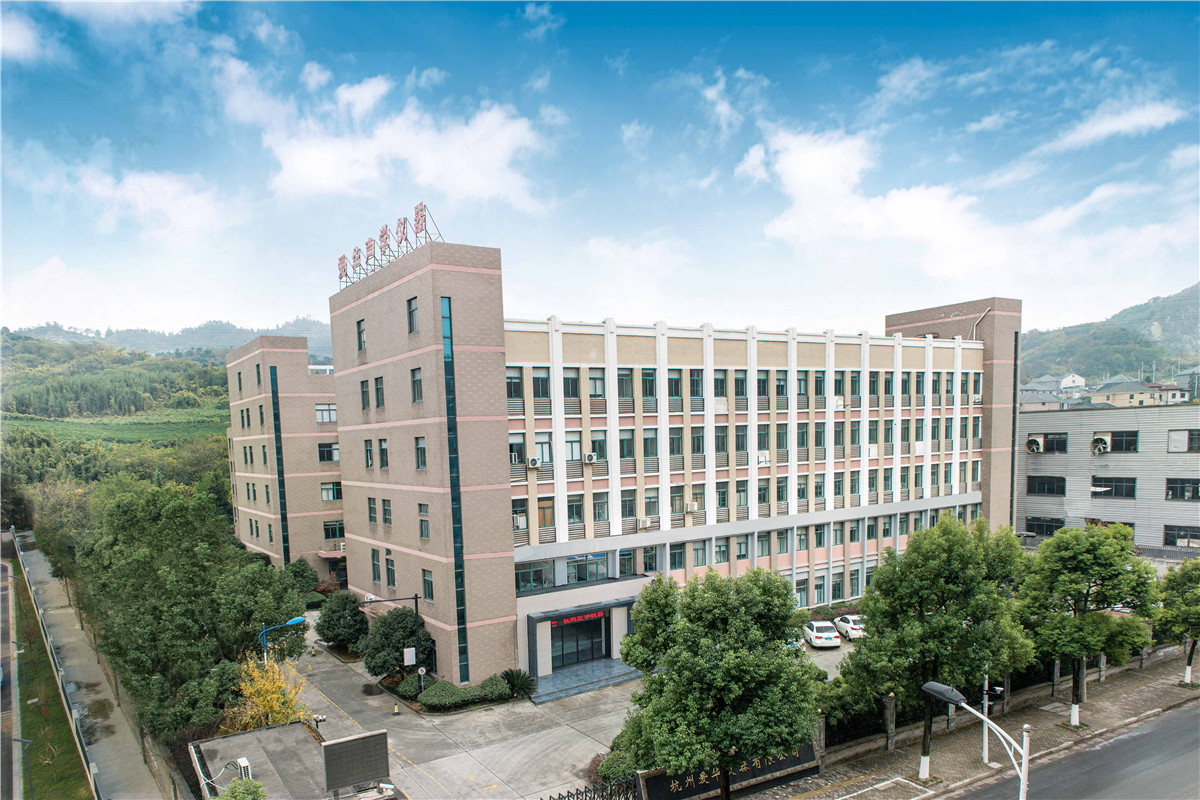
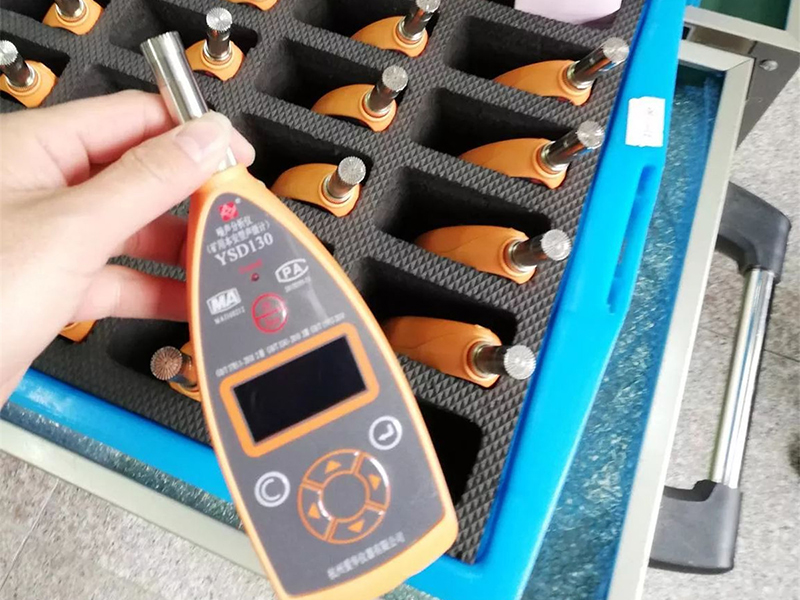
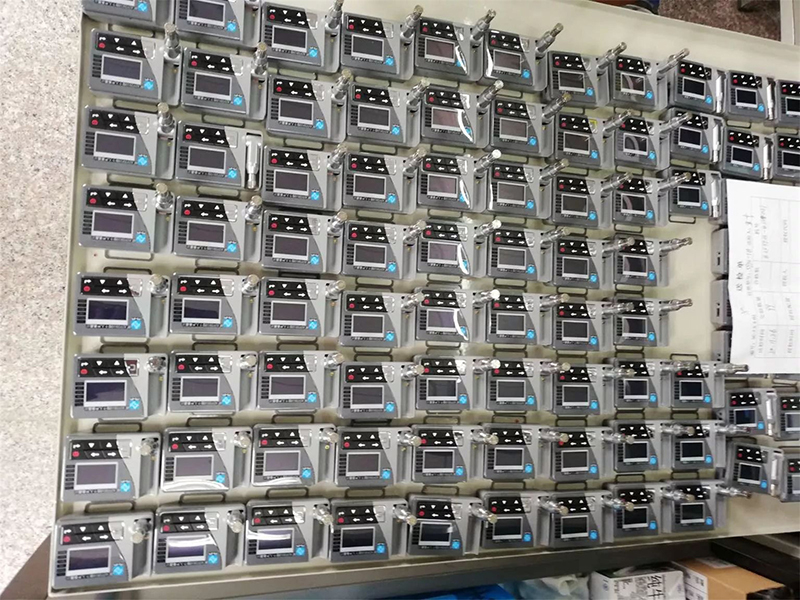
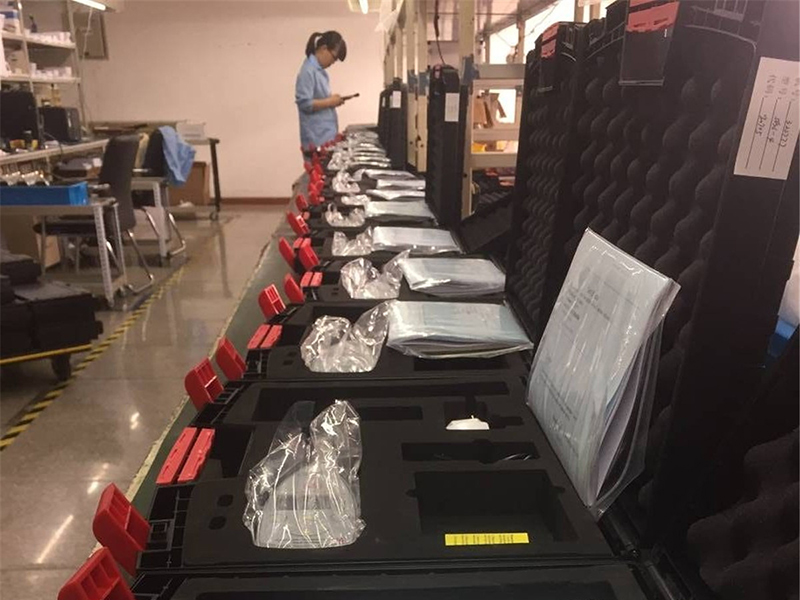
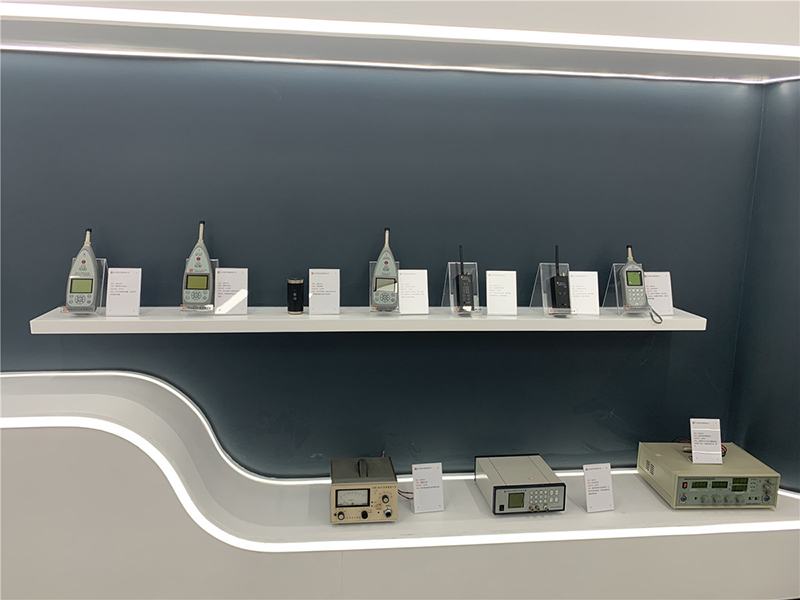
Your Trusted Partner in Acoustic & Vibration Measurement, delivering proven reliability across thousands of demanding industrial installations worldwide.
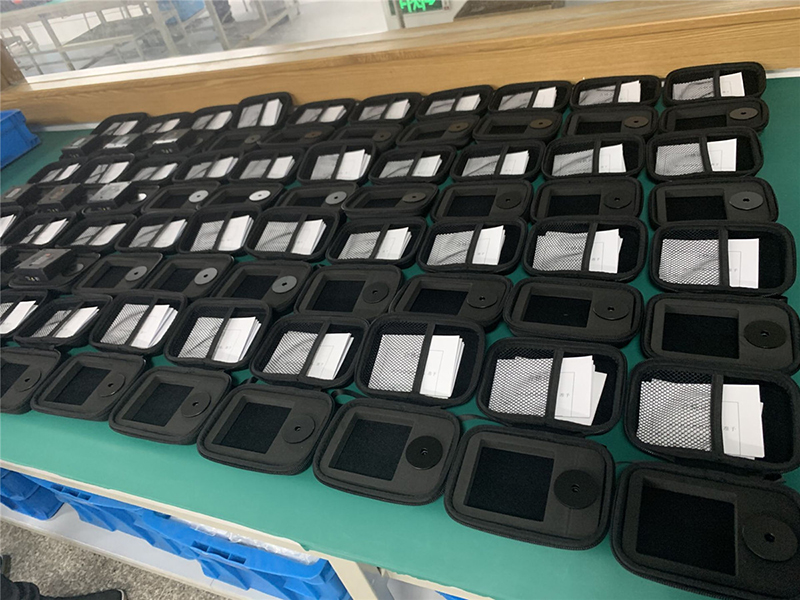
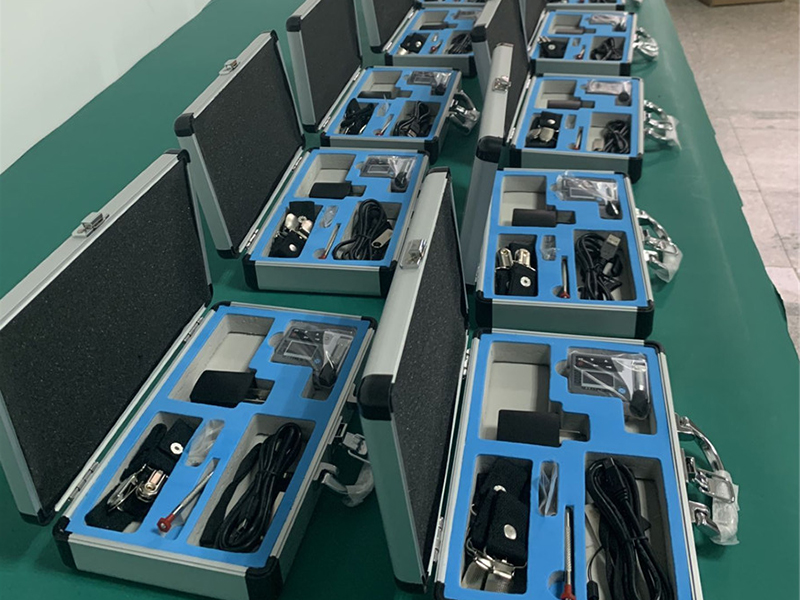
Our fully equipped manufacturing facility features advanced automated test systems, ensuring every product meets strict quality benchmarks before leaving the factory.
Identified as a provincial High-tech Enterprise R&D Center, our dedicated engineering team continuously drives innovation in digital detection, signal processing, and remote monitoring technologies, and supports OEM/ODM partnerships.
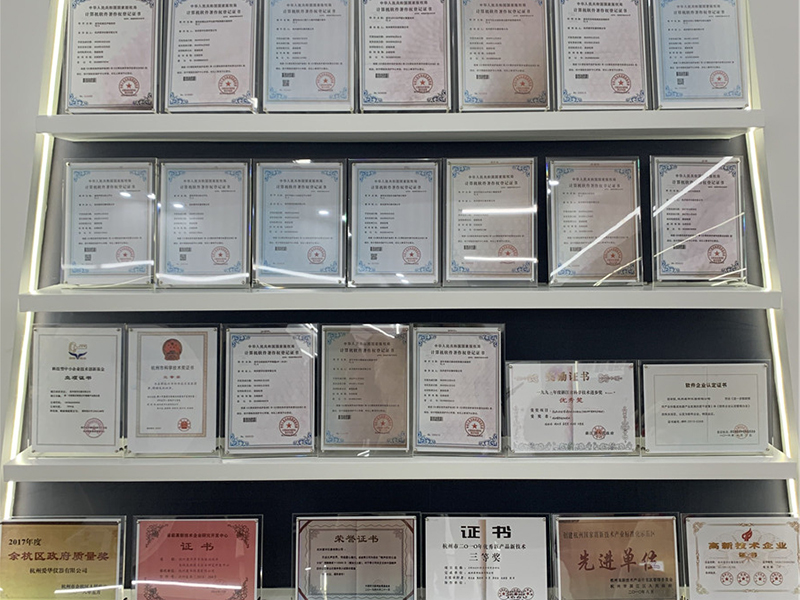
Our management systems and products hold ISO 14001, ISO 45001, CE, and RoHS certifications, demonstrating our commitment to environmental responsibility, workplace safety, and global compliance.
We export to over 40 countries across Europe, North America, South America, and Asia, with a strong reputation built on consistent quality and competitive pricing.
Backed by professional engineers, we deliver responsive, expert support throughout the entire product lifecycle, ensuring our customers always have the assistance they need.
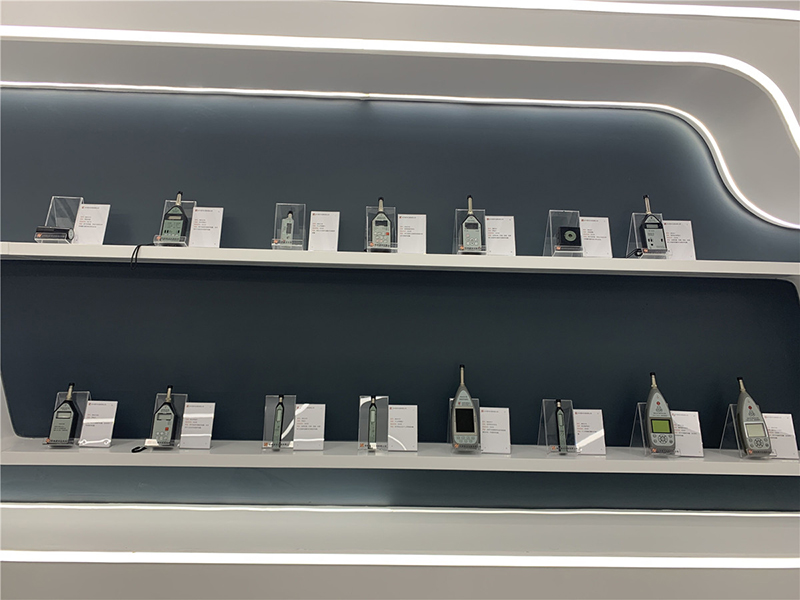
Explore our complete range of certified sound level meters, precision preamplifiers, measurement microphones, and vibration analyzers tailored for industrial safety compliance.
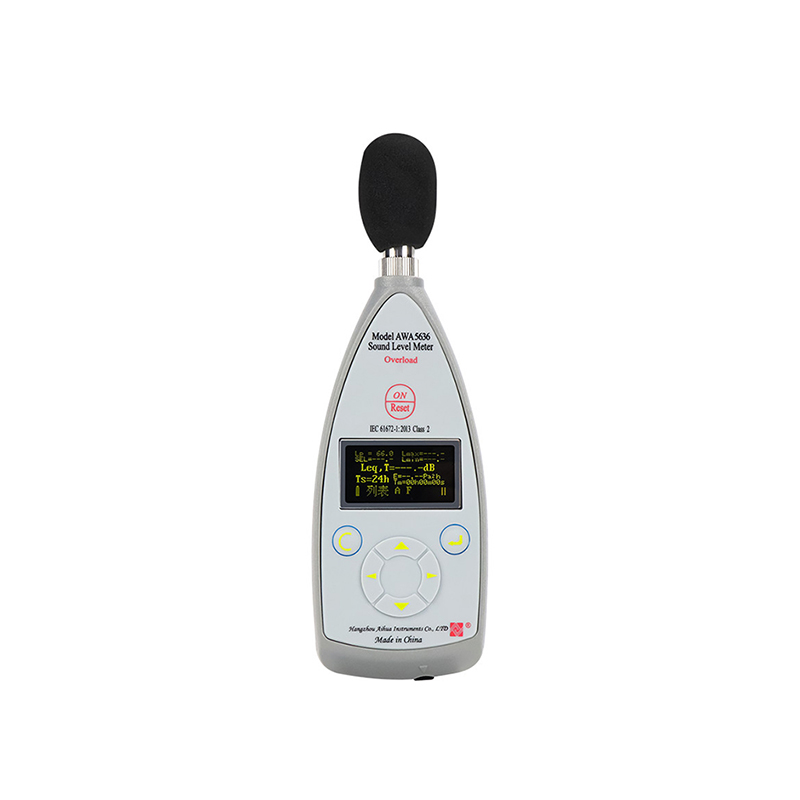
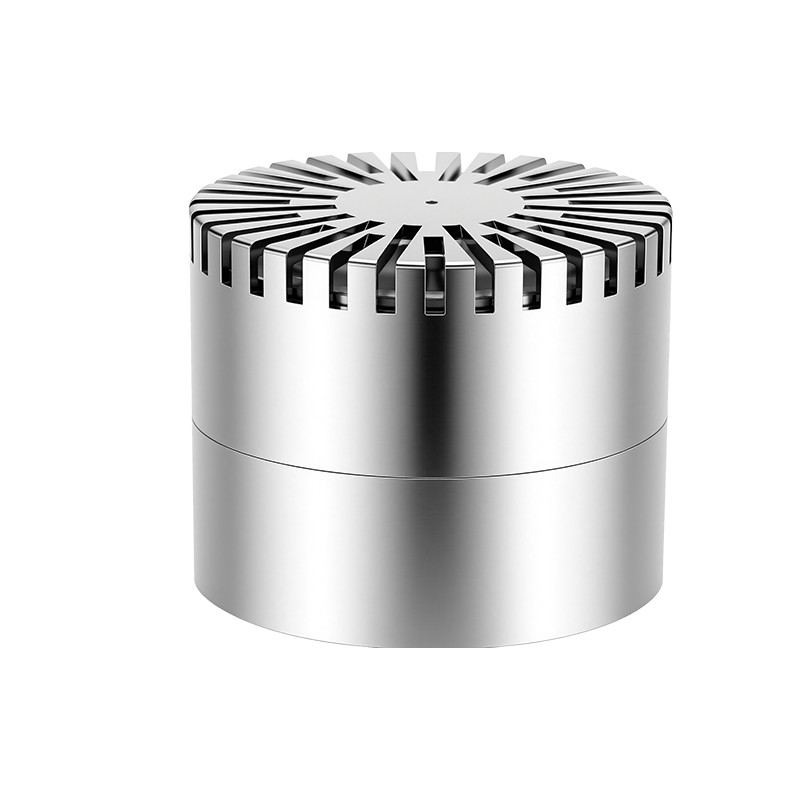
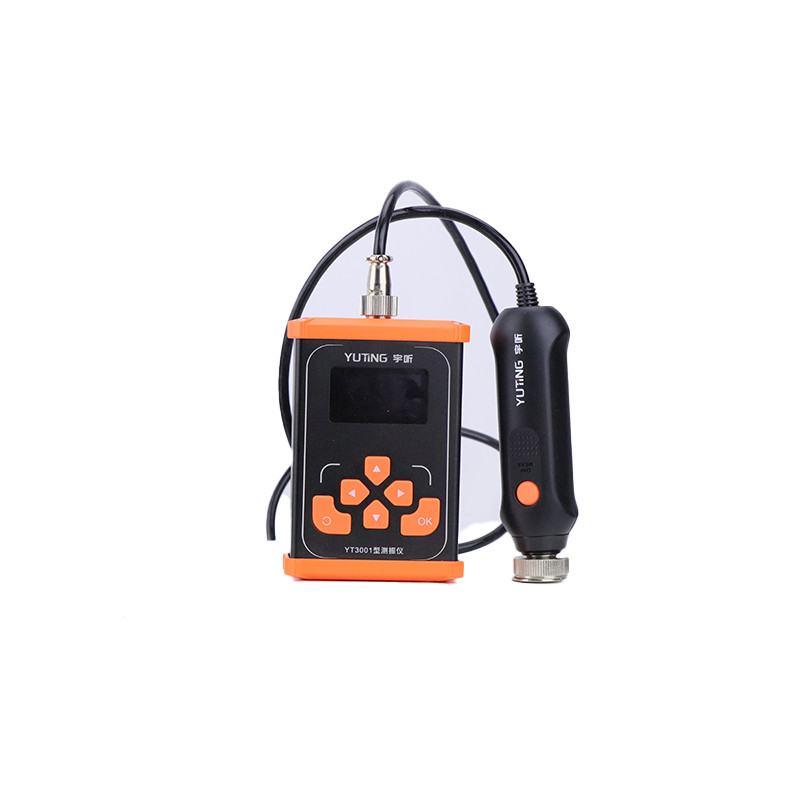
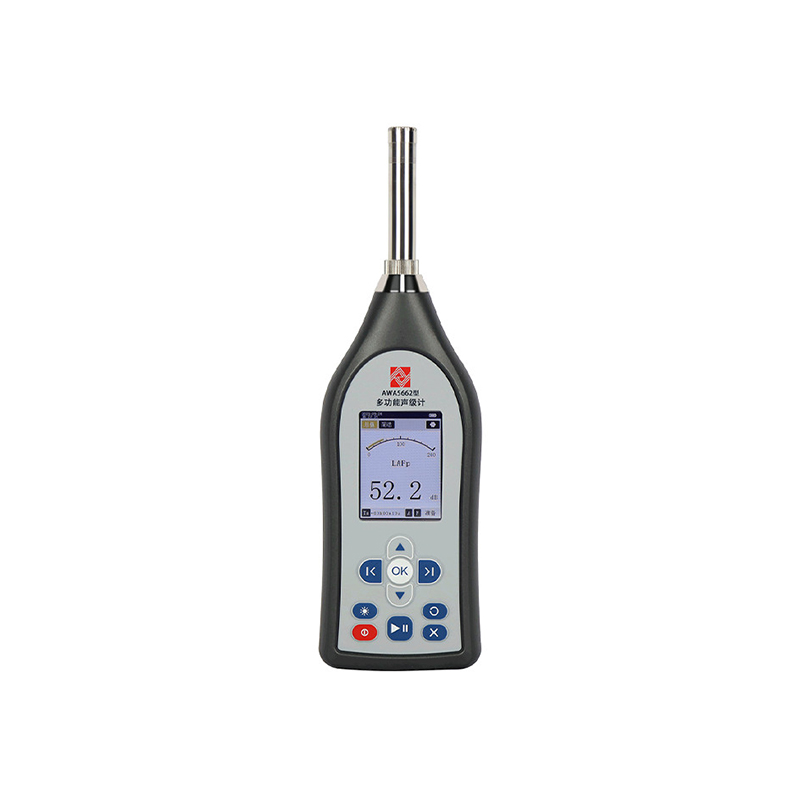
BUILT IN CHINA, TRUSTED WORLDWIDE — Delivering compliant occupational hygiene and acoustic testing solutions across 40+ countries.


