
- Home
- About Us
- Products
- Application
- Resource
- News
- Contact Us
Leave Your Message
Engineered for high-fidelity noise capture, precision spectral analysis, and instantaneous localization of early-stage mechanical anomalies before critical equipment failure occurs.
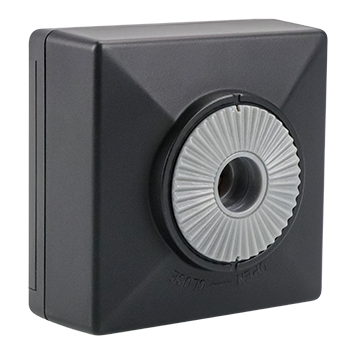
Precision field sound calibrator ensuring rigorous IEC 60942 Class 1 acoustic validation across demanding industrial operating environments.
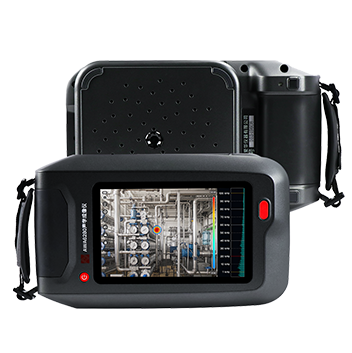
High-density microphone beamforming array that visualizes mechanical ultrasonic leaks, bearing friction hotspots, and partial discharge zones in real time.
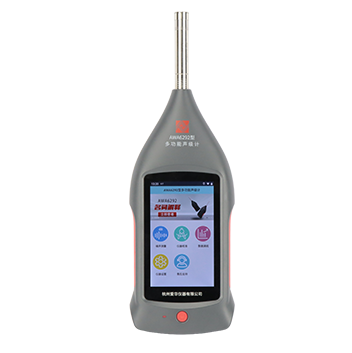
Class 1 sound analyzer equipped with 1/1 and 1/3 octave real-time filters and FFT algorithms for continuous asset health baselining.
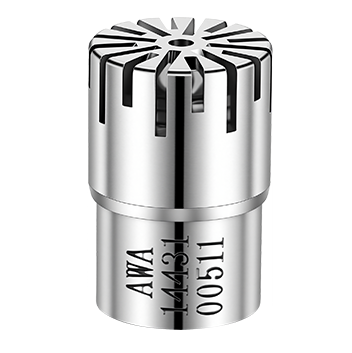
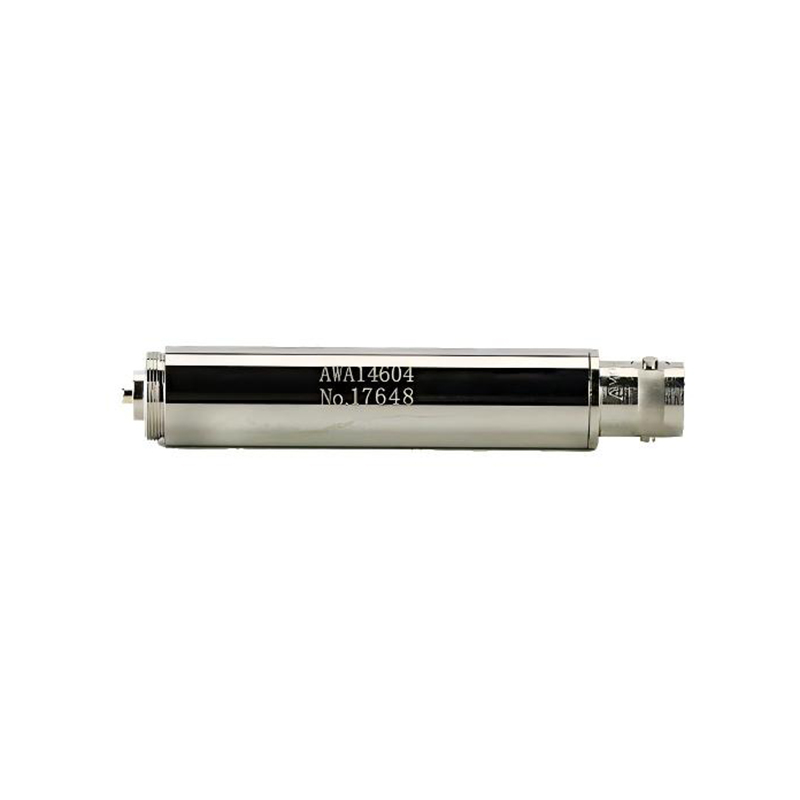
Proprietary in-house manufactured 1/2" prepolarized condenser microphone delivering ultra-flat frequency response and high dynamic range.
How precision noise meters are revolutionizing modern plant operations by bridging the critical temporal gap between microscopic surface stress and catastrophic mechanical breakdown.
In an era where unplanned industrial downtime incurs costs exceeding $260,000 per hour across automated manufacturing, petrochemical processing, and power generation facilities, predictive maintenance (PdM) has shifted from an operational luxury to a decisive commercial requirement. While contact vibration analysis and thermal imaging have long formed the bedrock of asset integrity programs, acoustic monitoring using Class 1 sound level meters and specialized acoustic sensors represents the next evolutionary leap in predictive metrology.
Acoustic emissions and airborne noise generated by industrial machinery act as an immediate, unfiltered reflection of mechanical thermodynamics. Long before a degraded bearing race produces detectable sub-harmonic housing vibrations or elevates component temperatures to thermally visible thresholds, it emits high-frequency micro-acoustic transients. By employing high-precision sound level meters configured for real-time 1/1 and 1/3 octave band logging alongside Fast Fourier Transform (FFT) signal decomposition, maintenance reliability engineers can isolate distinct sound power fluctuations caused by micro-frictional wear, structural looseness, aerodynamic turbulence, or hydraulic cavitation.
Enables accurate diagnostic data acquisition on ultra-high-speed spindles, red-hot rolling mill components, high-voltage energized transformers, and hazardous chemical enclosures where physical sensor mounting is structurally impossible.
Isolates high-frequency stress waves from benign baseline mechanical operational noise via digital 1/3-octave band filtering, exposing subsurface metallurgical shear before traditional accelerometers register elevated RMS vibration.
Combines multi-microphone sound pressure readings with computational imaging matrices to superimpose heatmaps of machine wear directly over live visual interfaces, dramatically cutting diagnostic localization times.
Every operational machine produces an acoustic footprint dictated by its rotational kinetic energy, structural natural resonances, and internal boundary fluids. Under ideal operating tolerances, this sound field remains stationary and statistically balanced. However, the inception of physical defects induces transient shock pulses that modulate the ambient acoustic signature.
In rotational rolling element bearings, when an inner or outer race sustains spalling or electrical pitting, each rolling element striking the defect creates an acoustic shock wave. This pulse exhibits sharp rise times and excites high-frequency resonances within the 2 kHz to 20 kHz audible spectrum and well into the ultrasonic band. Traditional vibration sensors mounted externally on machine casings must transmit this mechanical pulse across multiple mechanical impedances—oil films, bearing housings, mounting brackets, and structural interfaces—inevitably attenuating the signal. In contrast, precision sound meters capture the unobstructed airborne acoustic wave, providing immediate insight into fault excitation frequencies such as Ball Pass Frequency Outer (BPFO), Ball Pass Frequency Inner (BPFI), and Cage Frequency.
While vibration analysis remains indispensable, understanding the functional divergence between acoustic noise monitoring and contact accelerometers allows plant asset managers to construct resilient, complementary condition-based maintenance (CBM) architectures.
| Diagnostic Parameter | Precision Noise Meter / Acoustic Imager | Contact Accelerometer / Vibration Meter |
|---|---|---|
| Sensor Coupling Method | Non-contact; measures airborne sound pressure & intensity at stand-off distances. | Contact; requires magnetic stud, adhesive, or threaded mechanical mounting. |
| Accessibility Constraints | Unaffected by surface temperatures, rotating shafts, or inaccessible machine housings. | Restricted by physical contact safety limits, extreme heat, and moving geometries. |
| Earliest Detection Horizon | Detects airborne micro-friction and ultrasonic emission at fault inception (Stage 1). | Registers structural impact and casing oscillation during intermediate wear (Stage 2/3). |
| Fluid & Aerodynamic Faults | Superior; immediately captures valve bypass, gas leakage, cavitation, and turbulence. | Limited sensitivity to gaseous media and non-structural fluid turbulence. |
| Environmental Calibration | Governed by IEC 61672 Class 1 standards; requires traceable field acoustic calibration. | Governed by ISO 10816 standards; requires periodic laboratory shaker recalibration. |
Exploring how acoustic condition meters solve complex diagnostic dilemmas across heavy process industries, manufacturing hubs, and energy grids.
Cavitation inside heavy-duty chemical process pumps generates explosive micro-implosions of vapor bubbles, eroding impellers and compromising mechanical seals. While casing vibration often masks cavitation under background process noise, an acoustic sound analyzer identifies distinct high-frequency broadband noise peaks between 5 kHz and 16 kHz. Real-time acoustic threshold tracking alerts operators to adjust suction head pressure before destructive pitting ruins the hydraulic assembly.
Planetary and helical gear drives in mining mills and cement kilns produce characteristic Gear Mesh Frequencies (GMF). Subsurface pitting, scuffing, or micro-cracks alter gear tooth compliance, prompting sudden amplitude shifts in GMF harmonics and their associated sidebands. Utilizing high-fidelity sound level meters with FFT capabilities allows predictive teams to monitor acoustic energy distribution, spotting tooth fracture propagation weeks before catastrophic tooth shearing occurs.
In thermal and hydro power facilities, steam and gas turbine blade passing frequencies generate massive sound pressure fields. Imbalances or aerodynamic flutter produce discrete acoustic pulsations that degrade rotor bearings. Non-contact Class 1 sound level meters stationed strategically inside turbine enclosures capture continuous Equivalent Continuous Sound Level (Leq) and instantaneous peak levels (Lpeak), enabling remote detection of aerodynamic anomalies under fluctuating grid loads.
Industrial compressed air systems lose an average of 20% to 30% of their total energy consumption through micro-orifices and unsealed flange gaskets. These high-velocity gas escapes produce intense turbulent acoustic jet noise. Acoustic imaging meters visually isolate the precise spatial coordinates of leaks across sprawling overhead pipe networks, enabling rapid maintenance tagging without interrupting active production schedules.
The convergence of Industrial Internet of Things (IIoT) sensors, advanced micro-electromechanical systems (MEMS), and machine learning is reshaping the noise measurement landscape. Traditional noise surveys relied on intermittent manual data logging by reliability engineers carrying handheld meters. Today, the deployment of intelligent sound analysis systems with onboard digital signal processors enables continuous Edge computing directly at the sensor node.
Rather than streaming gigabytes of raw, uncompressed audio over industrial network backbones, modern smart acoustic meters compute real-time spectral metrics—including spectral centroid, spectral kurtosis, crest factors, and 1/3-octave band distributions—locally. These parametric acoustic features are fed into onboard inference models trained to distinguish standard operational noise from abnormal mechanical decay. When an anomaly is detected, the instrument transmits an encrypted MQTT telemetry payload to centralized SCADA or cloud-based asset performance management (APM) platforms, initiating targeted work orders inside enterprise ERP systems.
Furthermore, through acoustic beamforming technology (as exemplified by modern acoustic cameras), multi-channel phase delays across arrayed microphone elements calculate acoustic wave arrival differentials. This creates a synchronized visual heatmap of acoustic sound pressure overlaid on optical video streams, providing operators with undeniable photographic documentation of where, why, and how severely an asset is failing.
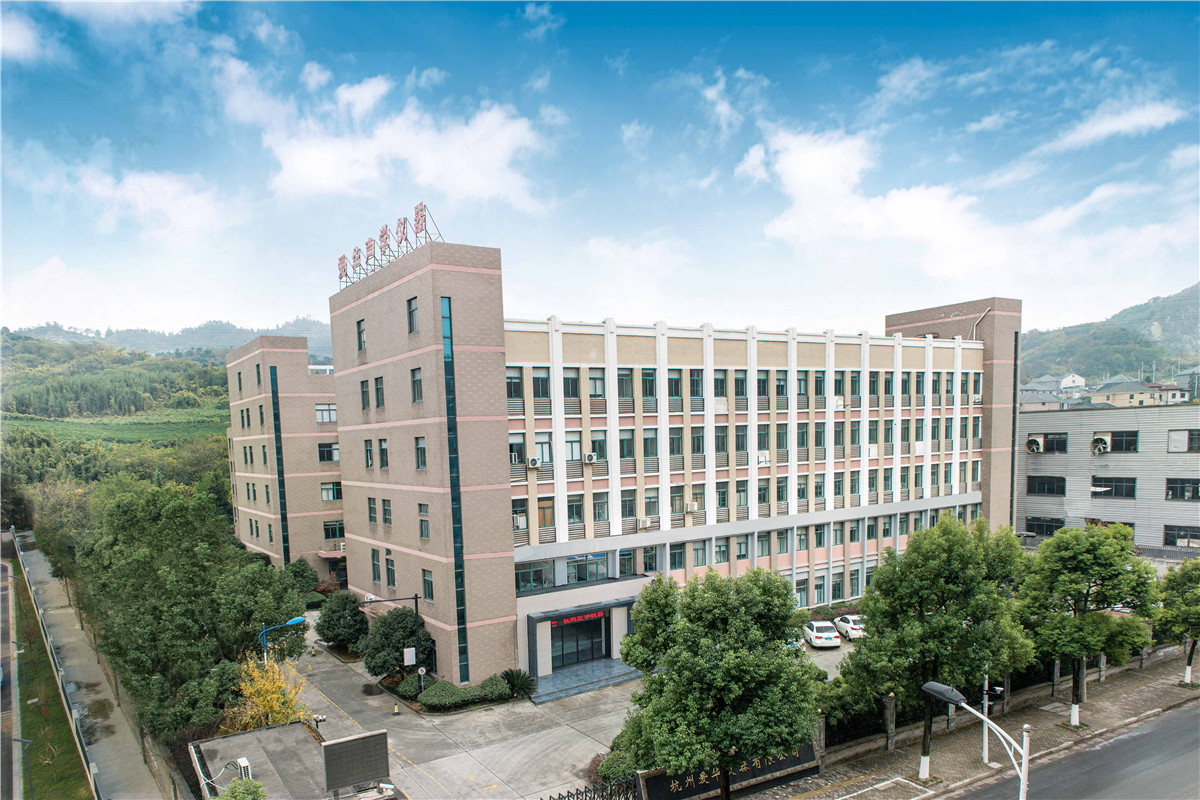
Founded in 1992, Aihua Instruments is a Hangzhou-based manufacturer specializing in precision acoustic testing and vibration measurement instrumentation. With over 30 years of unwavering dedication to the acoustic and vibration field, we have established ourselves as one of China's foremost high-tech enterprises in this domain.
From our early days as a pioneering research institute to today's internationally recognized brand, our growth reflects a relentless commitment to technological excellence and customer satisfaction. Notably, we design and manufacture our own measurement microphones in-house — from cartridge development to automated performance testing — giving us a critical quality advantage that few competitors can match.
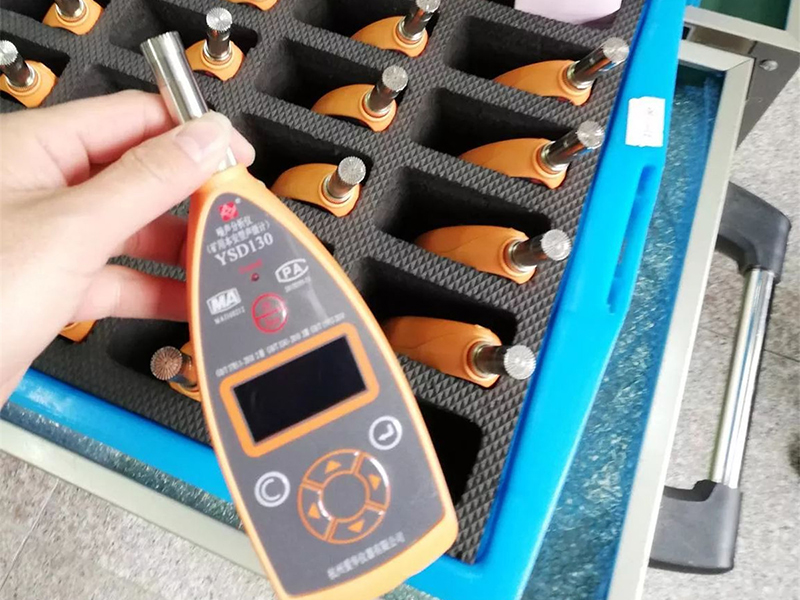
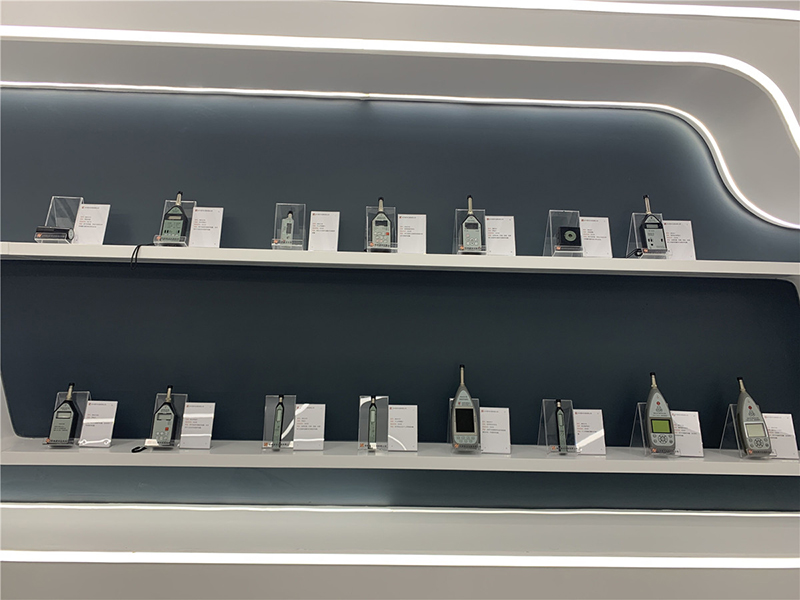
Our product range covers sound level meters, noise dosimeters, calibrators, audiometric calibration systems, microphones and accessories, software products, and acoustic test systems — over 60 varieties in total. We serve diverse application fields including environmental noise monitoring, building acoustics, occupational health and safety, vehicle noise testing, and machinery condition monitoring.
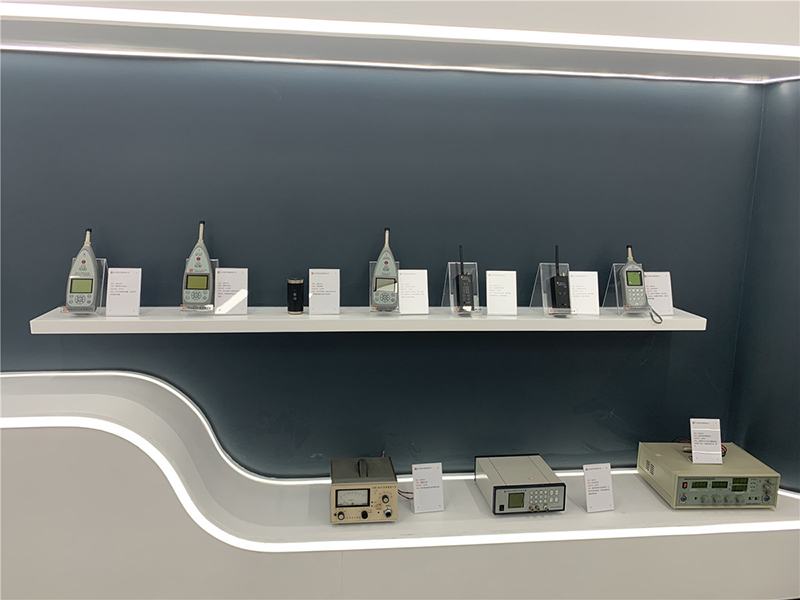
Your Trusted Partner in Acoustic & Vibration Measurement Solutions
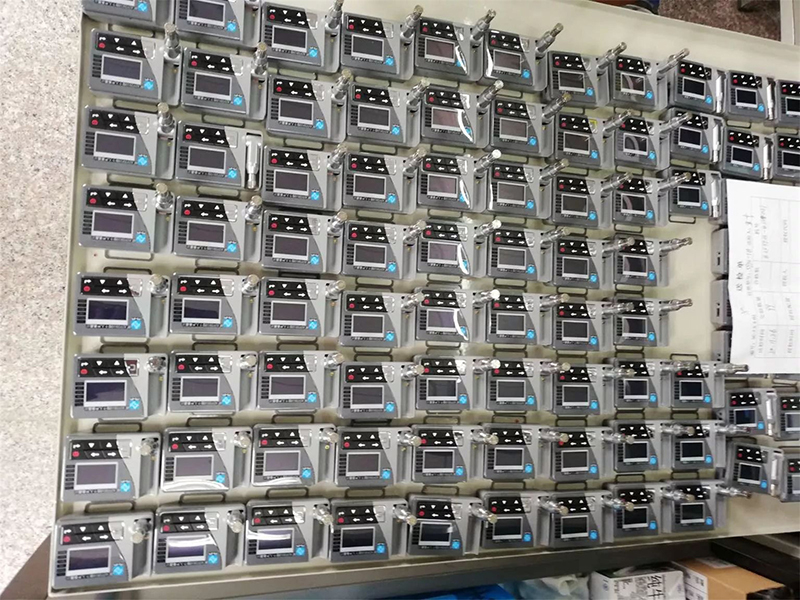
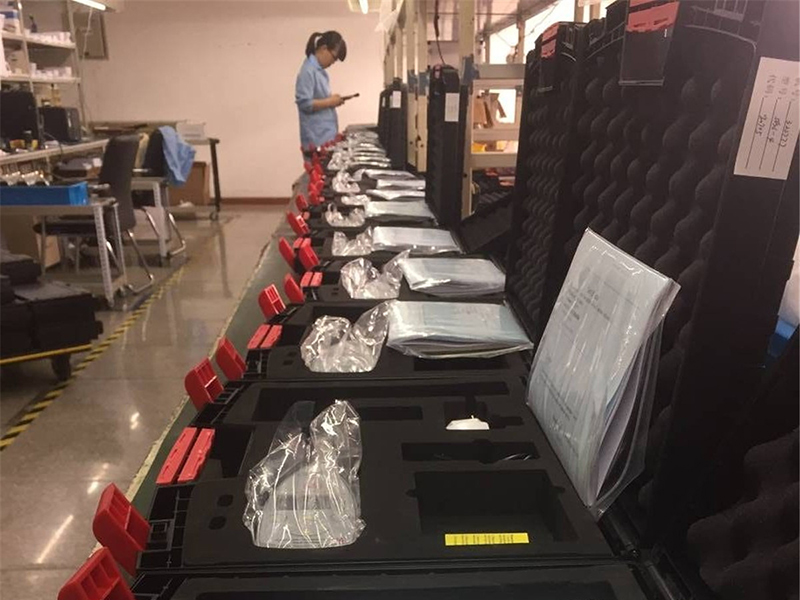
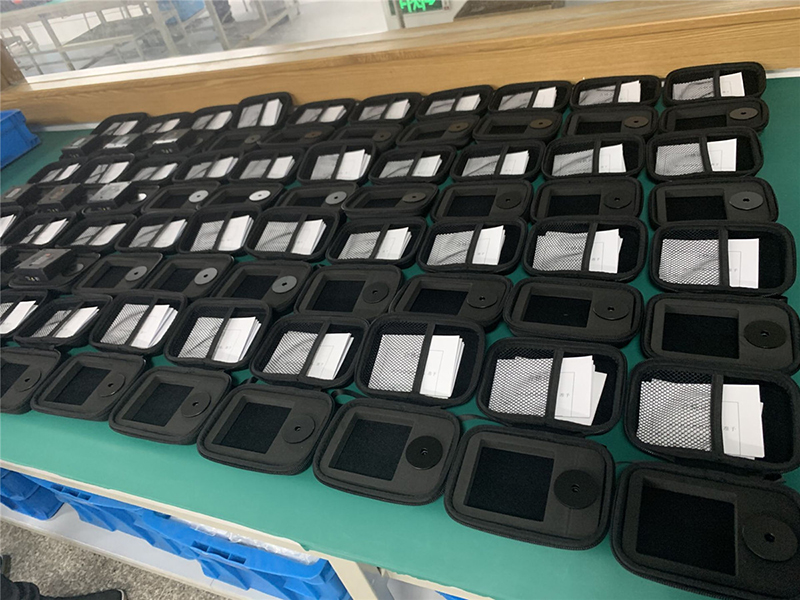
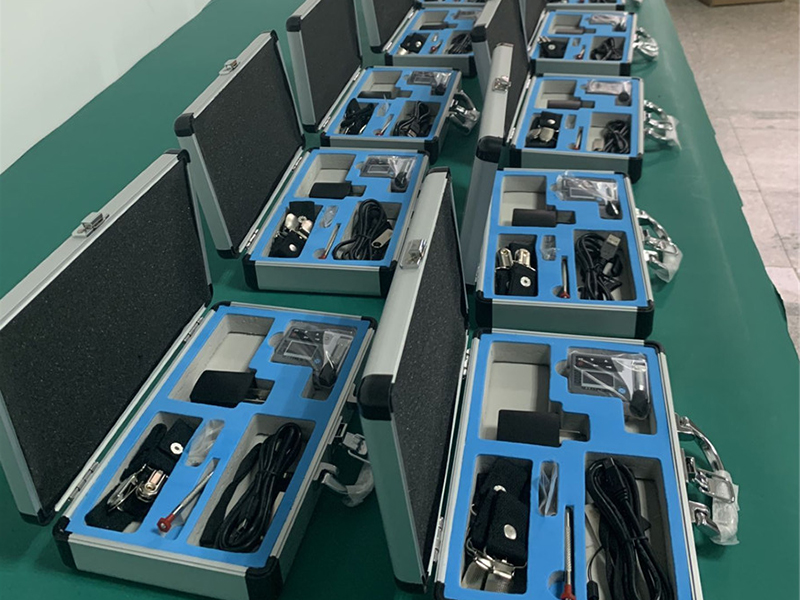
Our fully equipped manufacturing facility features advanced automated test systems, ensuring every product meets strict quality benchmarks before leaving the factory.
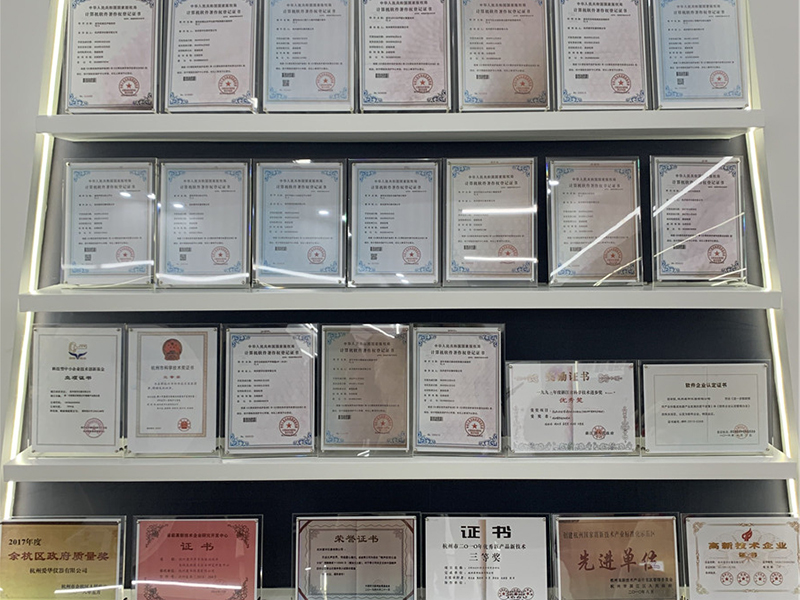
Identified as a provincial High-tech Enterprise R&D Center, our dedicated engineering team continuously drives innovation in digital detection, signal processing, and supports OEM/ODM partnerships.
Our management systems and products hold ISO 14001, ISO 45001, CE, and RoHS certifications, demonstrating our commitment to environmental responsibility, workplace safety, and global compliance.
We export to over 40 countries across Europe, North America, South America, and Asia, with a strong reputation built on consistent quality and competitive pricing.
Backed by professional engineers, we deliver responsive, expert support throughout the entire product lifecycle, ensuring our customers always have the assistance they need.
Explore our flagship family of sound level meters, multi-parameter vibration analyzers, preamplifiers, and personal dosimeters engineered to optimize plant uptime.
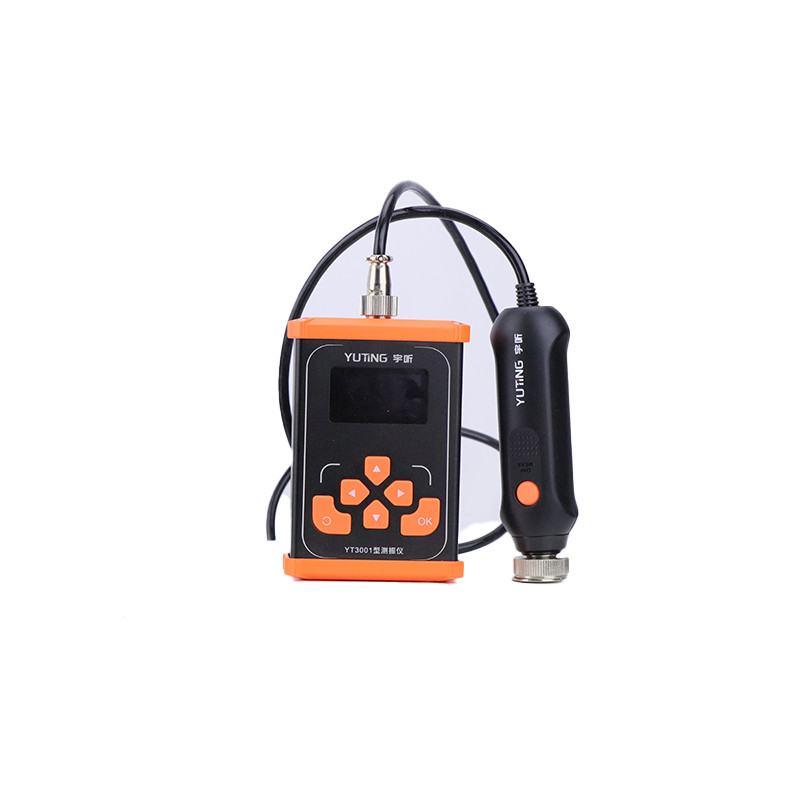
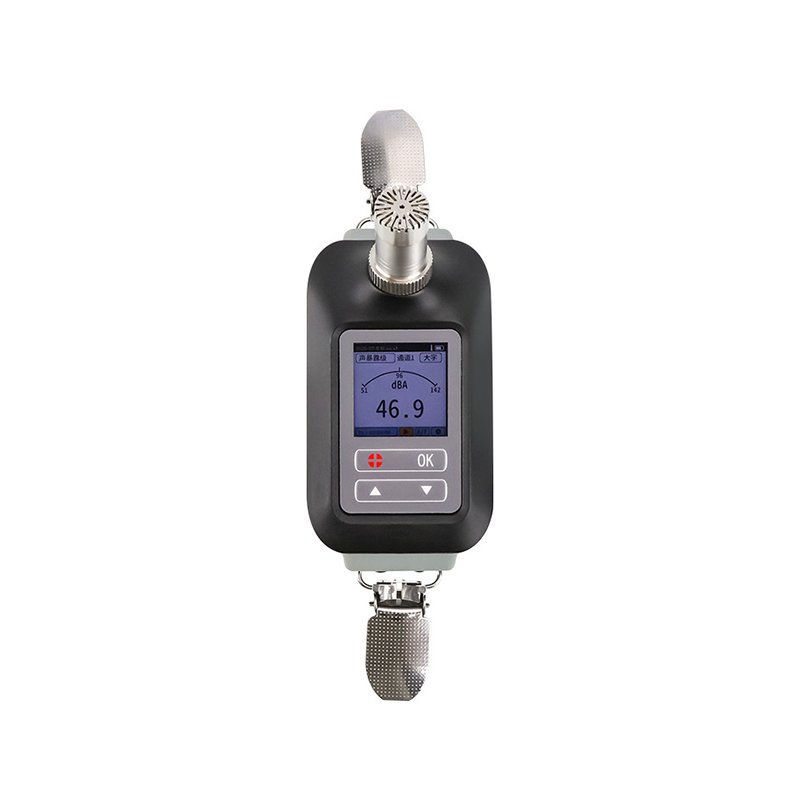
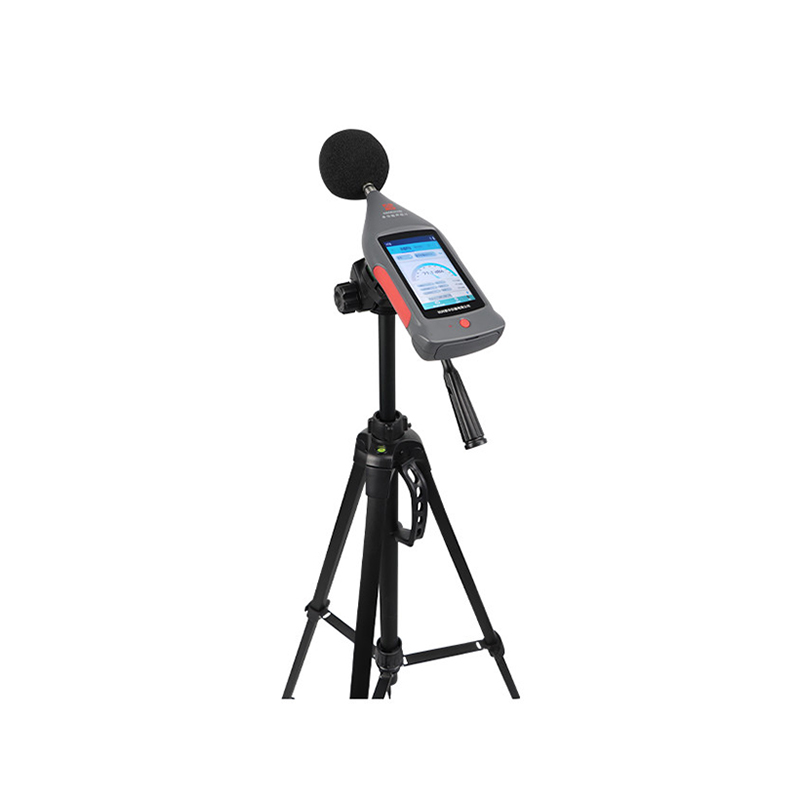
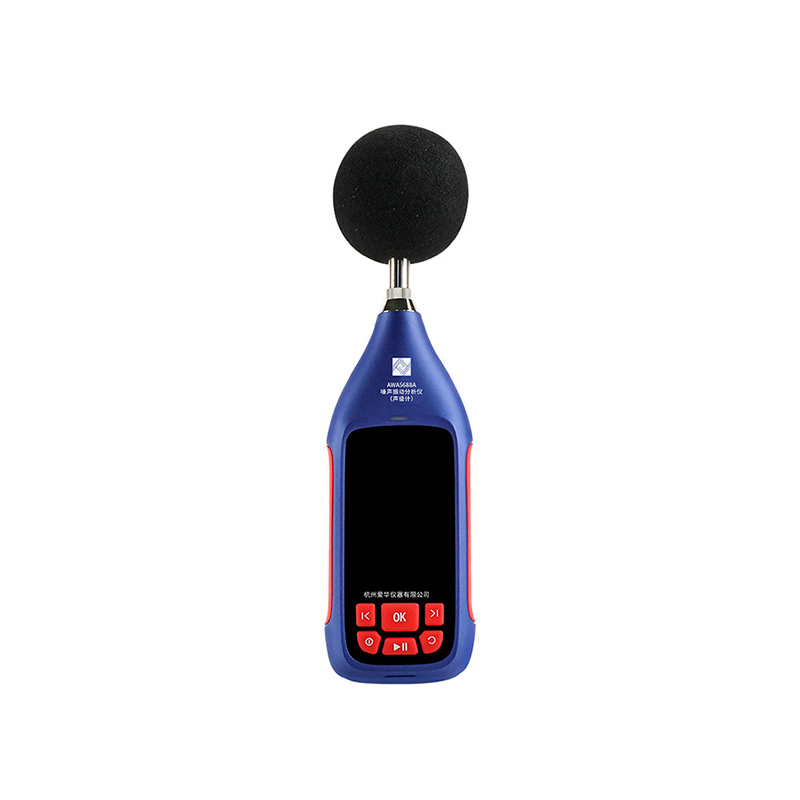
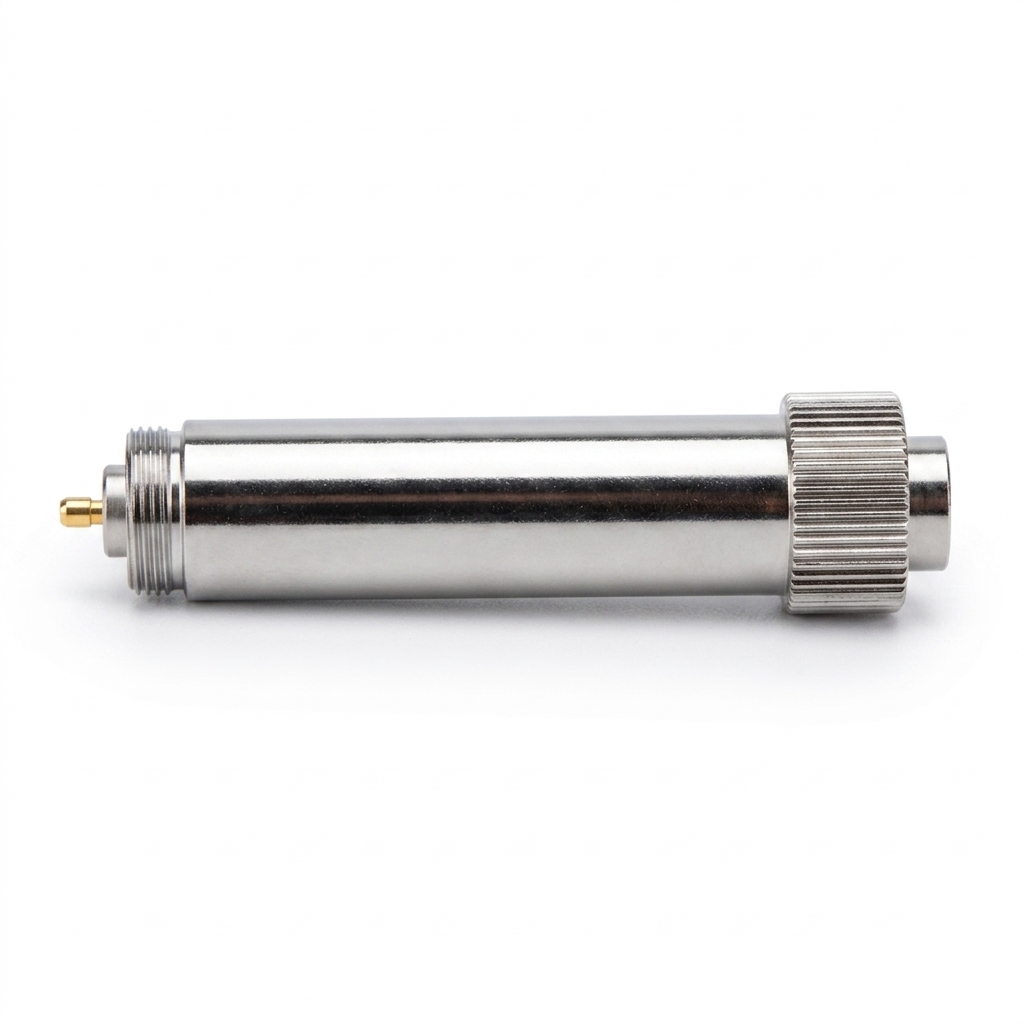
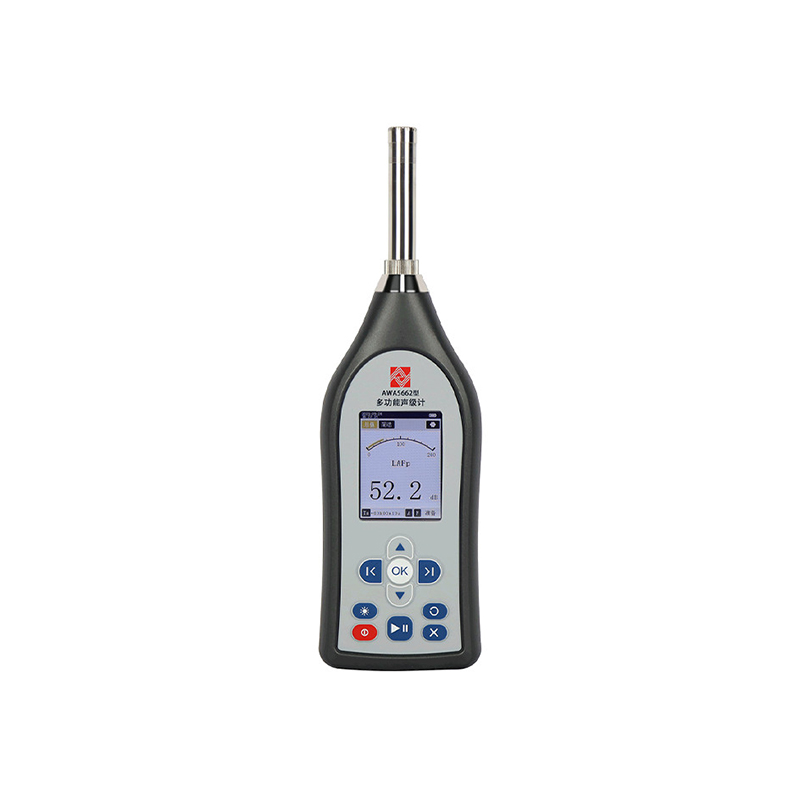
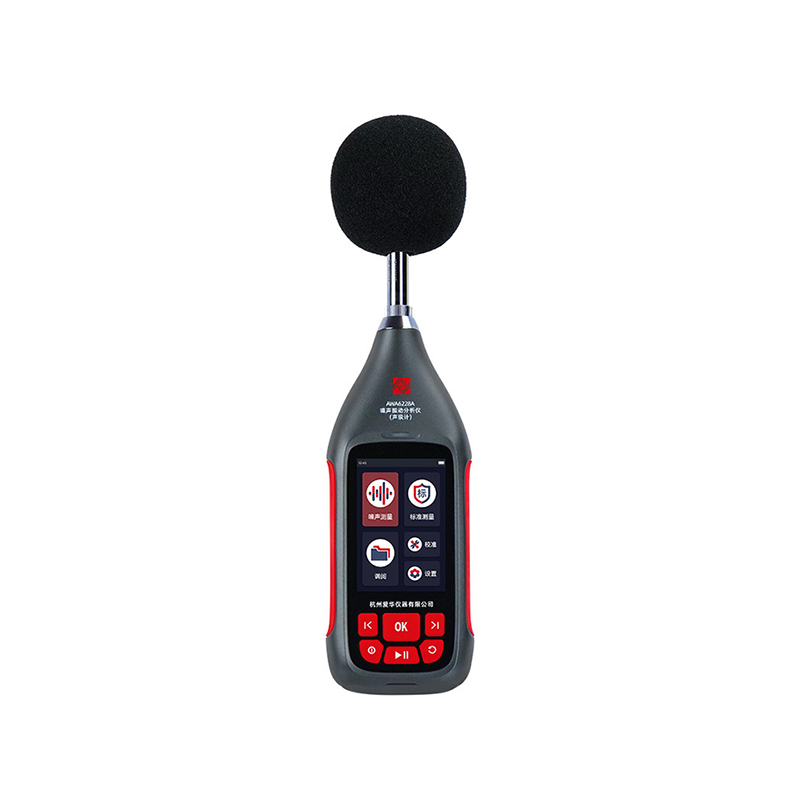
Empower your predictive maintenance engineering team with internationally certified Class 1 sound level meters, multi-parameter vibration sensors, and real-time acoustic analyzers. Connect with our technical application specialists today for customized equipment configurations and OEM/ODM engineering support.


