- Home
- About Us
- Products
- Application
- Resource
- News
- Contact Us
Leave Your Message
Laboratory-grade sound calibrators, acoustic imaging analyzers, and Class 1 measurement sensors engineered for aerospace testing environments.
Mitigating catastrophic acoustic fatigue and structural resonance through traceable, end-to-end sensor verification.
In modern aerospace engineering, structural components, satellite payloads, rocket fairings, and fuselage assemblies are subjected to extraordinarily severe acoustic and mechanical vibrations. During rocket liftoff, supersonic atmospheric flight, and stage separation, overall sound pressure levels (OASPL) inside launch vehicle fairings and reverberant acoustic chambers regularly exceed 140 dB to 165 dB SPL. These severe acoustic loads induce high-frequency random vibrations across lightweight thin-walled composite panels, antenna reflectors, and critical avionics brackets.
To safeguard structural integrity against acoustic fatigue failure and ensure mission survivability, aerospace qualification programs demand ultra-reliable data acquisition. A noise meter calibrator for aerospace structural vibration and acoustic testing serves as the fundamental metrological cornerstone, ensuring that high-intensity microphone arrays, piezoelectric transducers, and sound level meters deliver uncompromised precision without drift under fluctuating ambient pressures, humidity, and temperatures.
Aerospace vibro-acoustic testing operates under rigorous international test protocols, including MIL-STD-810H Method 515.8 (Acoustic Noise) and Method 514.8 (Vibration), RTCA/DO-160G Section 7 & 8, and European Space Agency ECSS-E-ST-10-03C. These demanding standards mandate that all acoustic and dynamic pressure transducers must undergo pre-test and post-test end-to-end calibration checkouts.
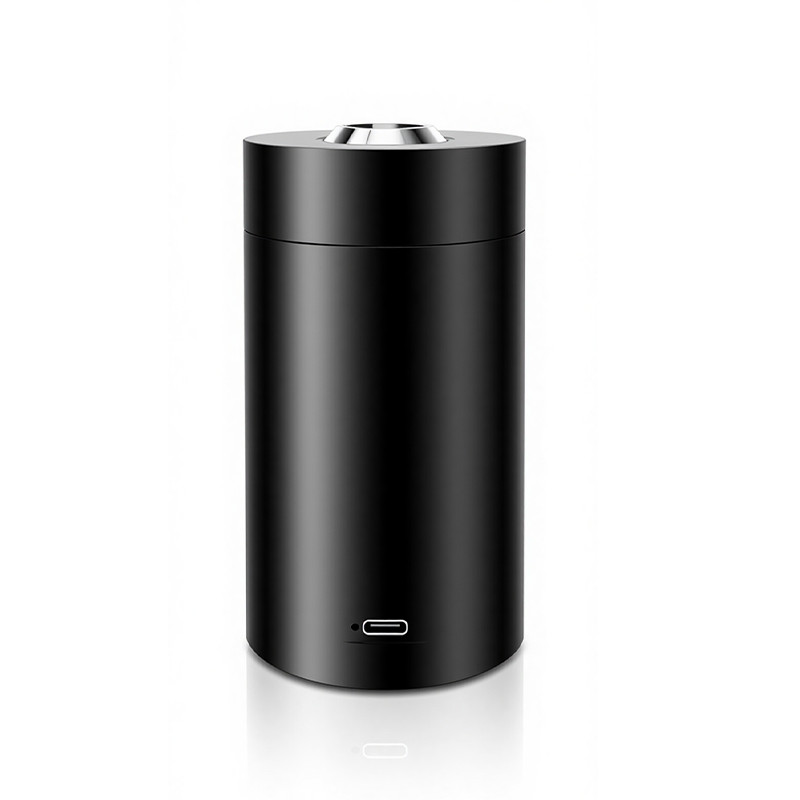
Calibrators complying with IEC 60942:2017 Class 1 and ISO 16063 standards generate standardized, ultra-stable reference sound pressure levels (typically 94.0 dB and 114.0 dB at 1000 Hz or multi-frequency settings). This eliminates amplitude ambiguity, compensates for environmental barometric variances, and guarantees absolute traceability to national metrology institutes (NIST, NIM, PTB) across multi-channel data acquisition arrays.
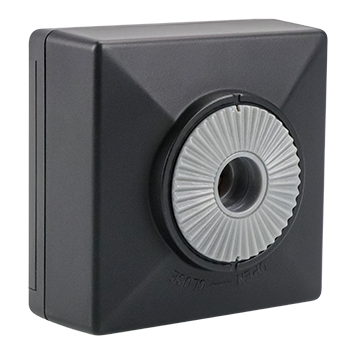
Strict adherence to IEC 60942 Class 1 specifications with minimal harmonic distortion (<1.0%) and precise sound pressure stability within ±0.2 dB for critical spaceflight payload verification.
Integrated digital sensors continuously monitor barometric pressure, ambient temperature, and relative humidity, executing real-time compensation algorithms for high-altitude test sites.
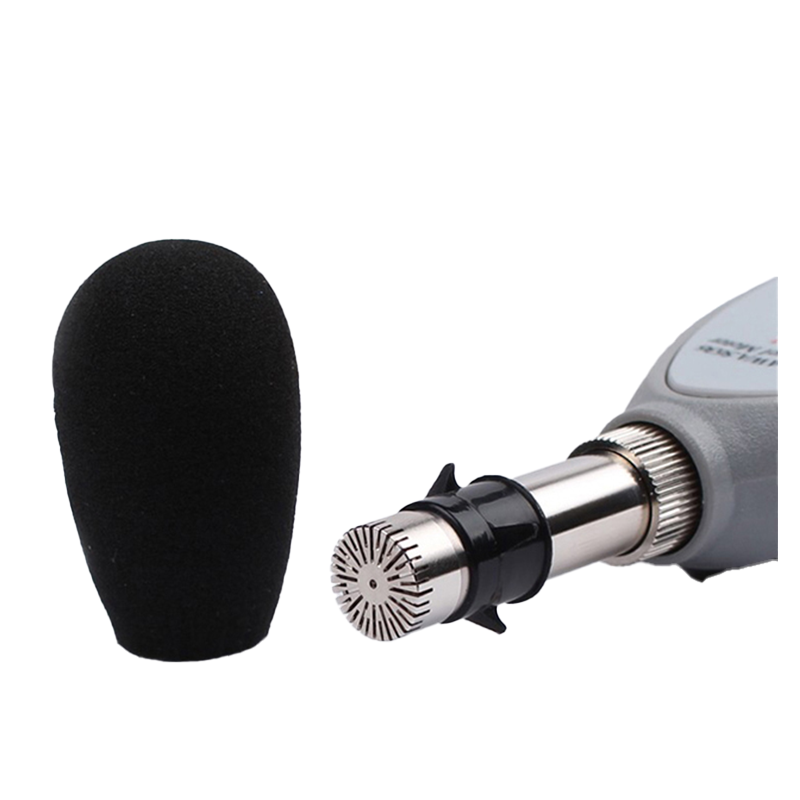
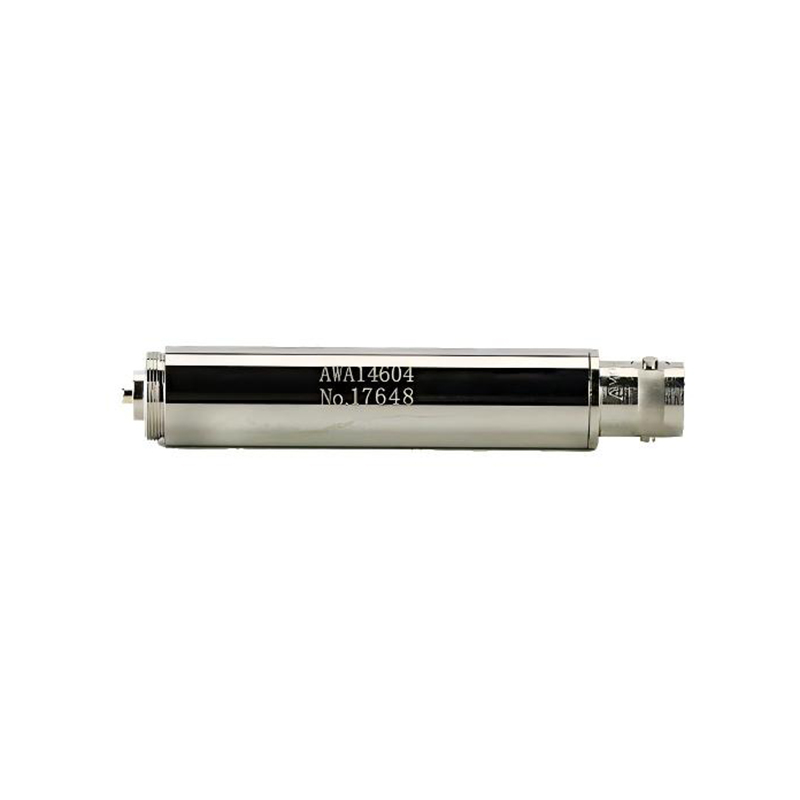
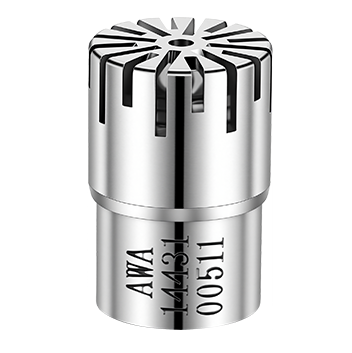
Compatible with 1-inch, 1/2-inch, and 1/4-inch aerospace instrumentation microphones, prepolarized free-field capsules, and high-intensity surface flush-mounted pressure sensors.
Exploration of structural vibration, acoustic fatigue, modal testing, and aeroacoustic noise validation.
During acoustic qualification of satellites and space telescopes in large reverberant acoustic chambers (using nitrogen-powered acoustic horns), acoustic fields reach up to 160 dB across the 25 Hz to 10 kHz frequency band. Precise pre-test calibration of wide-dynamic-range microphones and transient pressure sensors is mandatory. Class 1 calibrators ensure that every channel in the 64-channel array provides exact spectral power density (PSD) feedback, avoiding over-testing and preventing catastrophic micro-electronic failures.
Developing quiet turbofan engines and evaluating acoustic liners within engine nacelles requires microphone phased arrays to locate supersonic jet mixing noise and rotor-stator blade passage tones. Calibrators guarantee phase matching and amplitude accuracy across hundreds of acoustic sensors, enabling beamforming algorithms to accurately map noise source distributions during open-air static engine test bench runs.
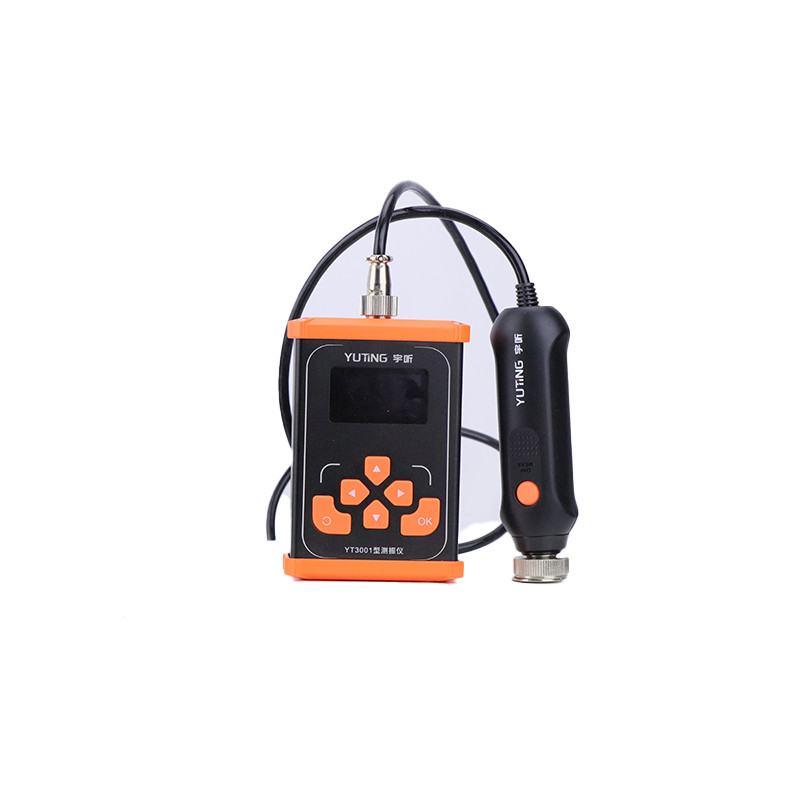
Prior to the maiden flight of any civil or military aircraft, full-scale Ground Vibration Testing (GVT) is conducted to identify modal frequencies, damping ratios, and mode shapes to prevent dangerous aeroelastic flutter. Handheld vibration calibrators and precision sound analyzers ensure that multi-axial accelerometers and dynamic pressure probes deliver synchronized, phase-calibrated modal inputs across wings, vertical stabilizers, and control surfaces.
In transonic and supersonic wind tunnel tests, shockwave-turbulent boundary layer interactions (STBLI) create intense surface pressure fluctuations, inducing localized structural buffeting on fuselage skins. Accurate field calibration of flush-mounted 1/4-inch dynamic pressure microphones and preamplifiers ensures reliable measurement of turbulent pressure spectra and helps optimize aircraft skin thickness and damping treatments.
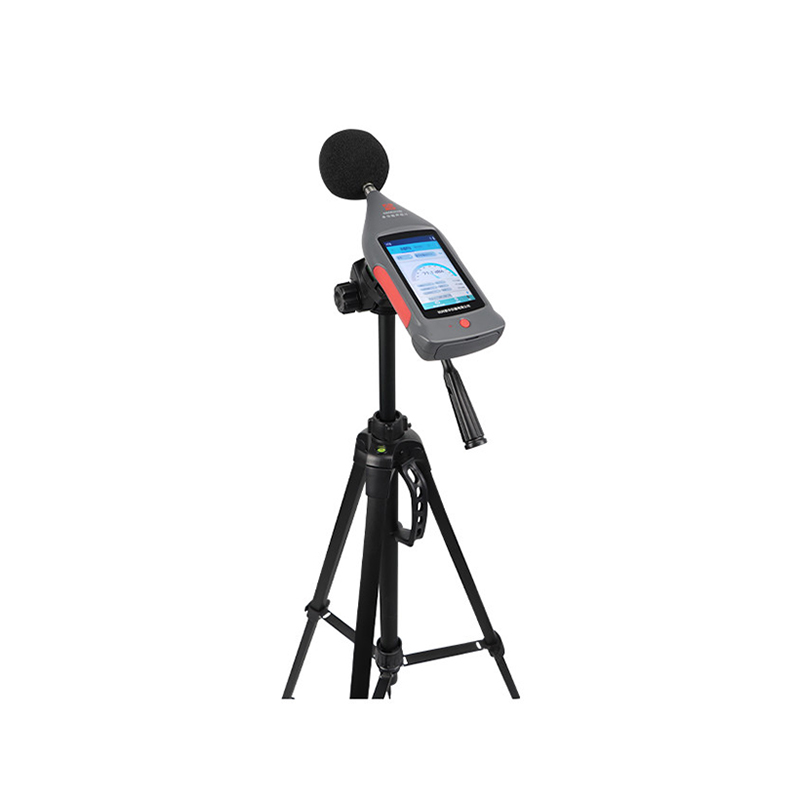
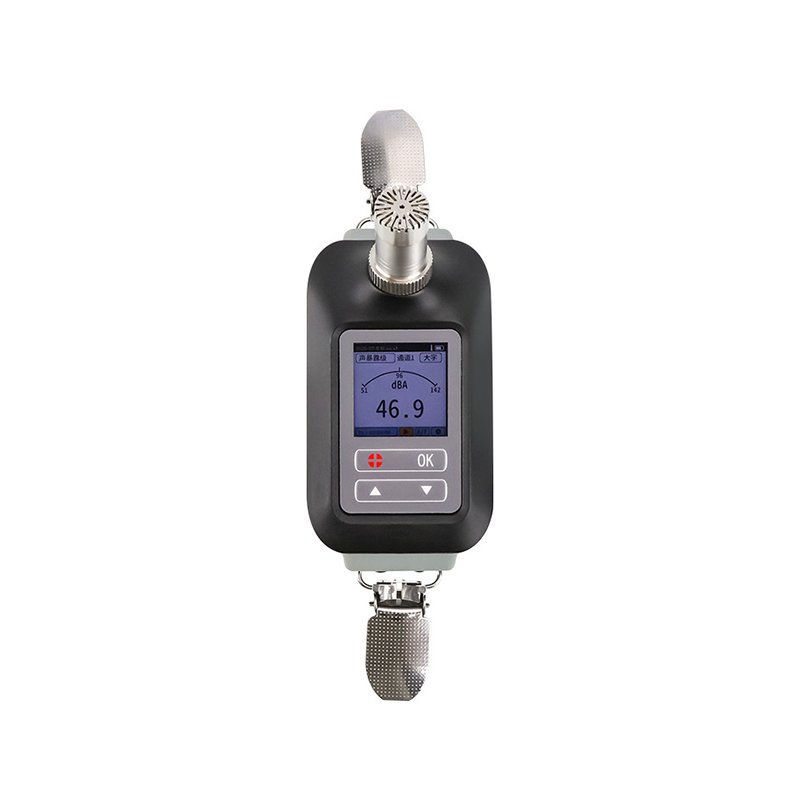
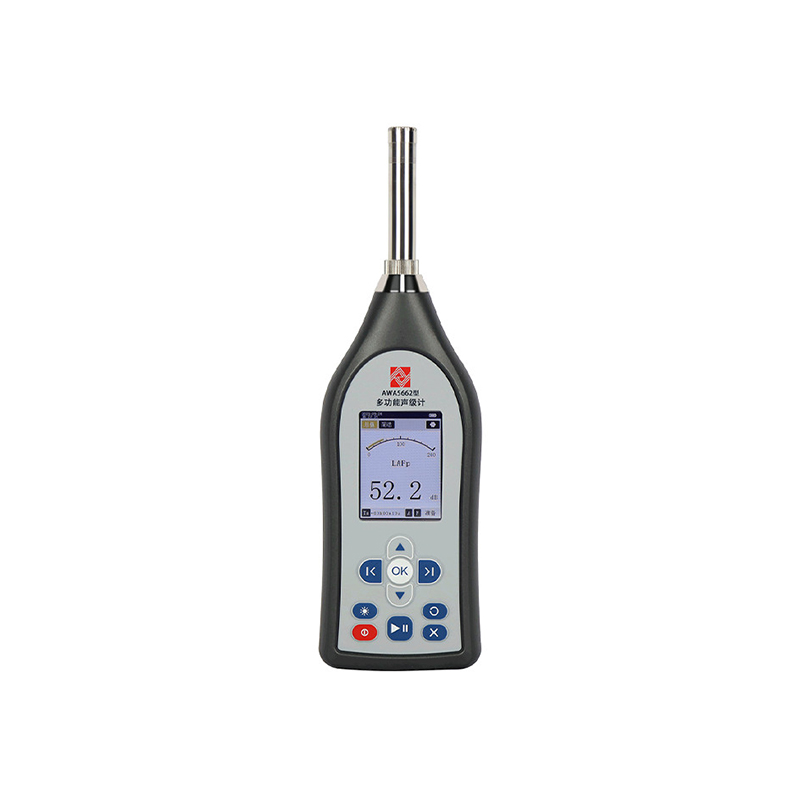
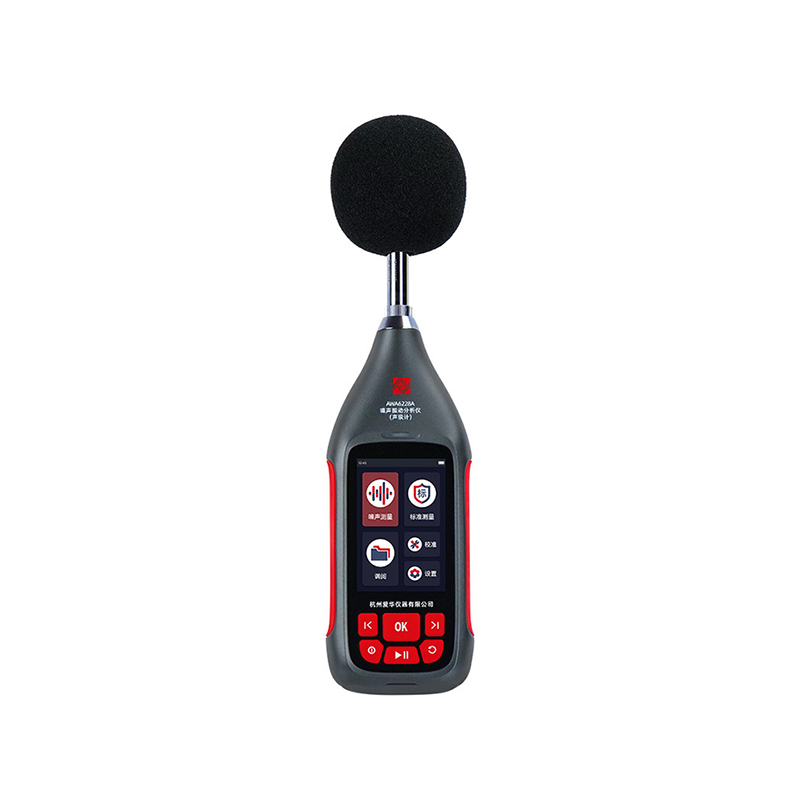
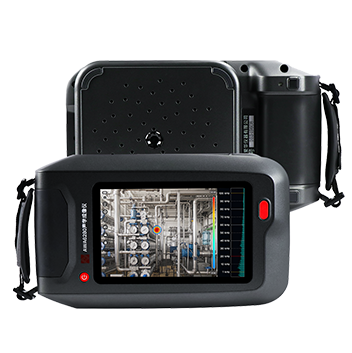
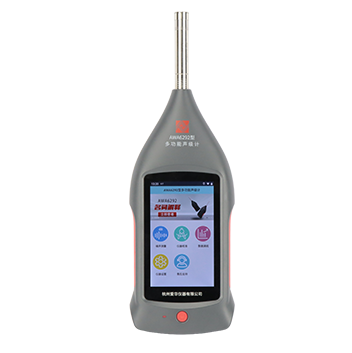
With the emergence of electric vertical takeoff and landing (eVTOL) aircraft and stringent ICAO Annex 16 noise certification requirements, urban air mobility vehicles demand rigorous internal and external acoustic characterization. Multifunctional sound level meters with acoustic imaging and speech transmission index (STI) analysis rely on Class 1 calibrators to benchmark propeller noise, inverter whine, and cabin acoustic comfort with precision.
Avionics, cockpit control modules, and radar assemblies undergo combined thermal and random vibration screening on electrodynamic shakers. Utilizing certified sound and vibration calibrators guarantees that test instrumentation accurately measures transfer functions without sensor sensitivity degradation over prolonged qualification cycles.
How digital transformation, AI-driven diagnostics, and intelligent sensor self-verification are reshaping the aerospace acoustic test ecosystem.
Modern aerospace test rigs integrate physical calibrator outputs directly with structural digital twins. Cloud-connected calibration metadata updates finite element models (FEM) in real-time, matching simulated aeroelastic flutter with physical wind tunnel telemetry.
Emerging noise meter calibrators transcend single-frequency 1000 Hz tones, providing user-selectable multi-frequency acoustic stimuli (125 Hz, 250 Hz, 500 Hz, 1 kHz, 2 kHz) and dual SPL levels (94 dB & 114 dB) for verifying linearity across non-linear high-amplitude regimes.
Integration of IEEE 1451.4 Transducer Electronic Data Sheet (TEDS) technology within sound level meters and calibrators automates sensor sensitivity writing, eliminating human error in multi-hundred-channel aerospace flight test installations.
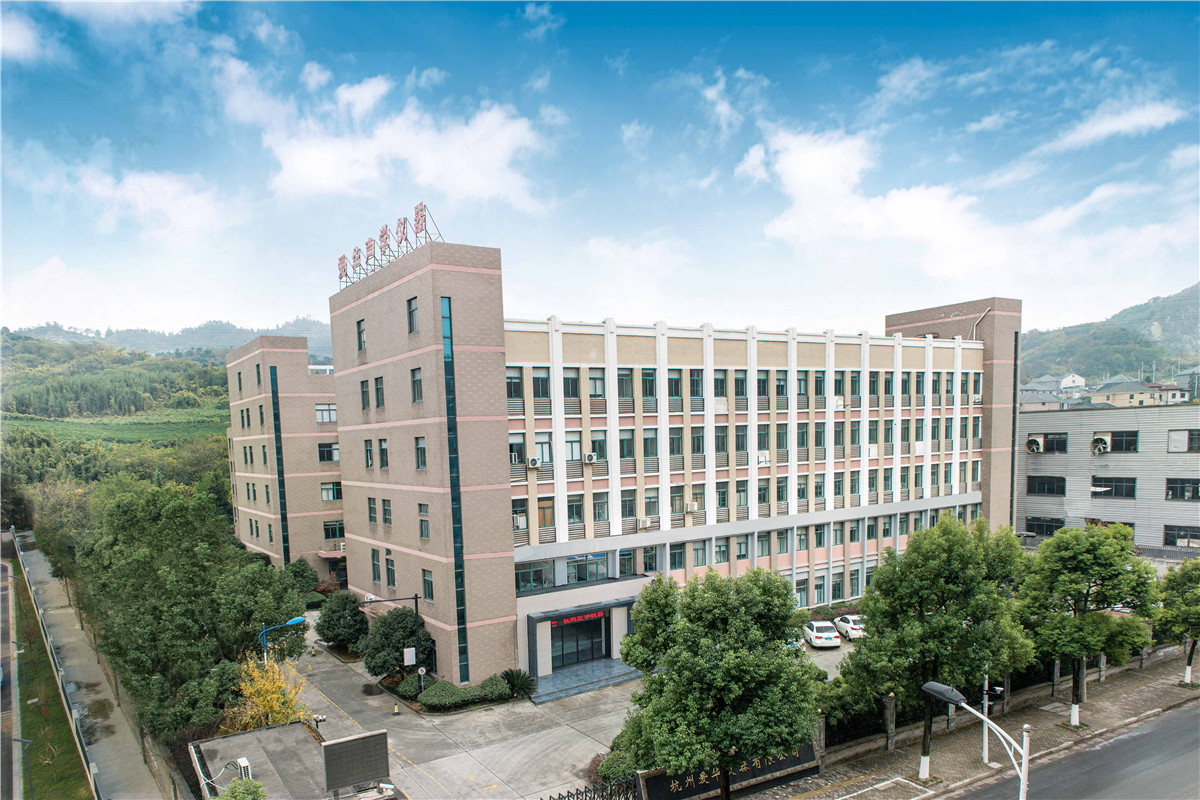
Founded in 1992, Aihua Instruments is a Hangzhou-based manufacturer specializing in precision acoustic testing and vibration measurement instrumentation. With over 30 years of unwavering dedication to the acoustic and vibration field, we have established ourselves as one of China's foremost high-tech enterprises in this domain. From our early days as a pioneering research institute to today's internationally recognized brand, our growth reflects a relentless commitment to technological excellence and customer satisfaction.
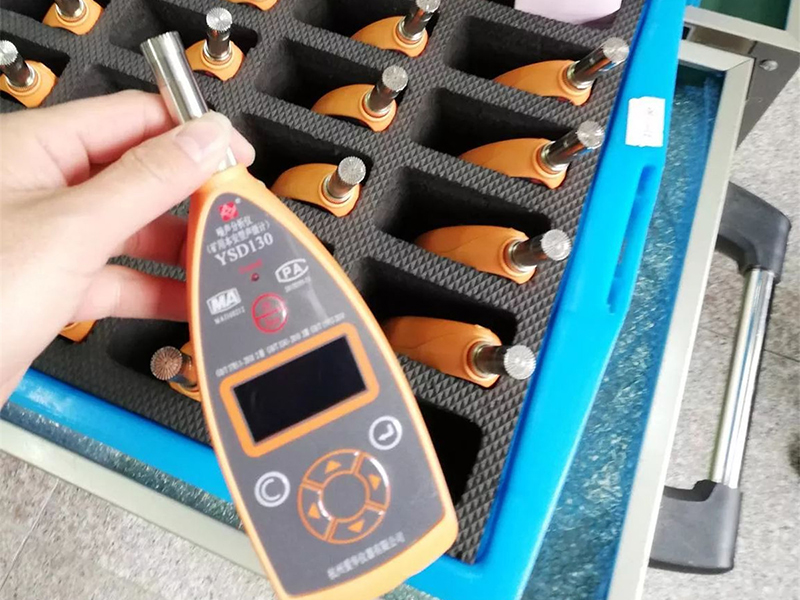
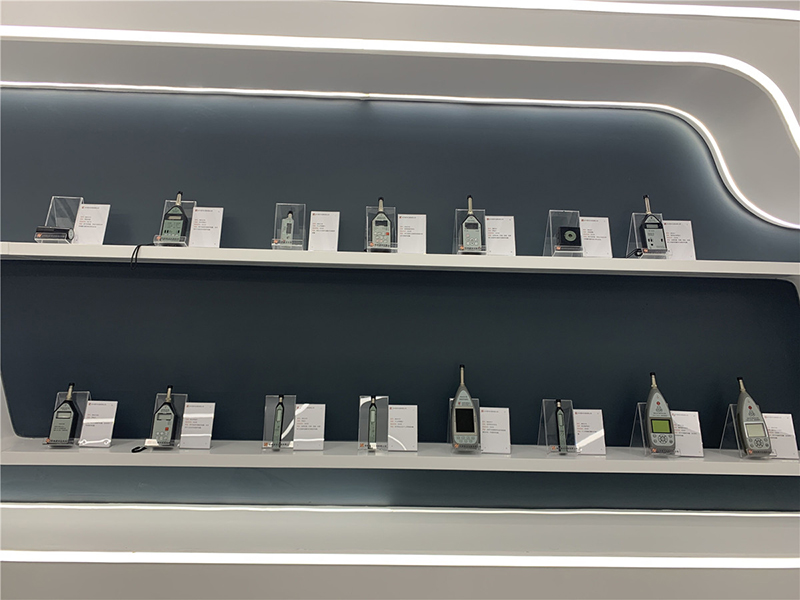
Our product range covers sound level meters, noise dosimeters, calibrators, audiometric calibration systems, microphones and accessories, software products, and acoustic test systems — over 60 varieties in total. We serve diverse application fields including aerospace vibro-acoustics, environmental noise monitoring, building acoustics, occupational health and safety, vehicle NVH testing, and audiometer calibration. Notably, we design and manufacture our own measurement microphones in-house — from cartridge development to automated performance testing — giving us a critical quality advantage that few competitors can match.
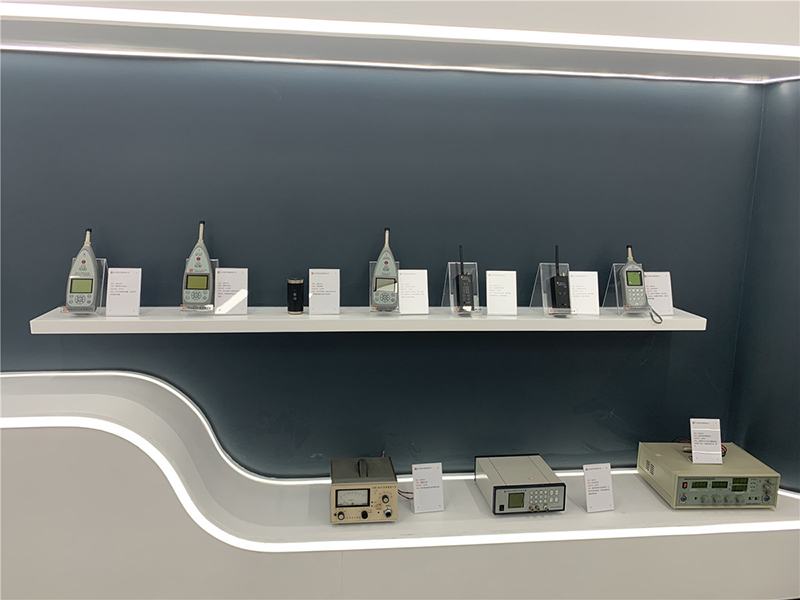
Your trusted global partner in high-reliability acoustic and vibration measurement instrumentation.
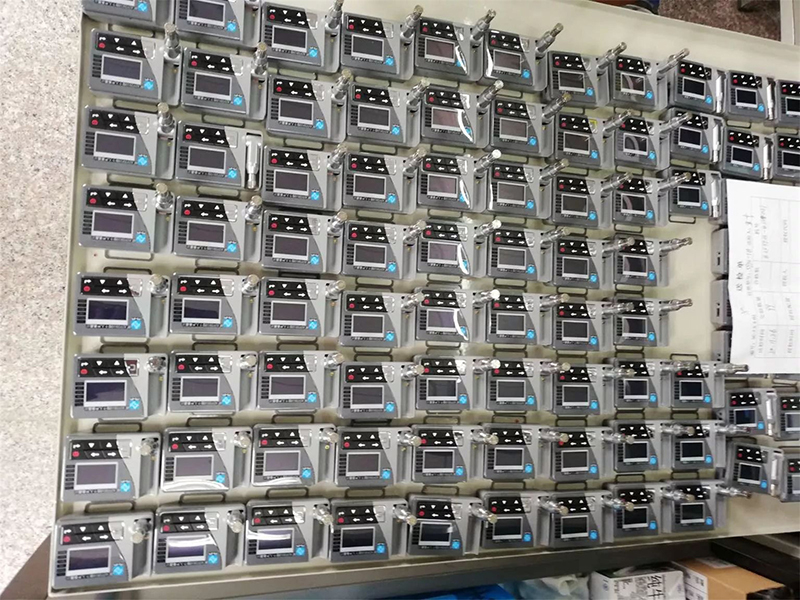
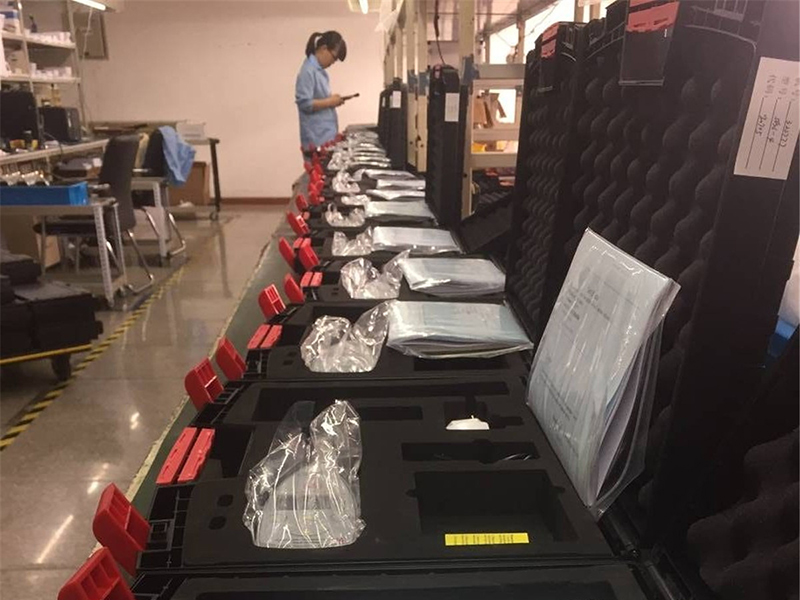
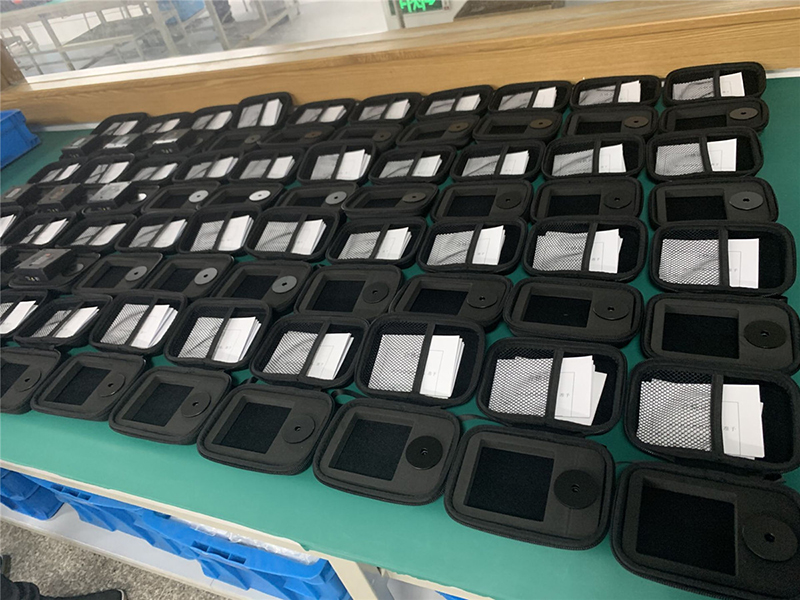
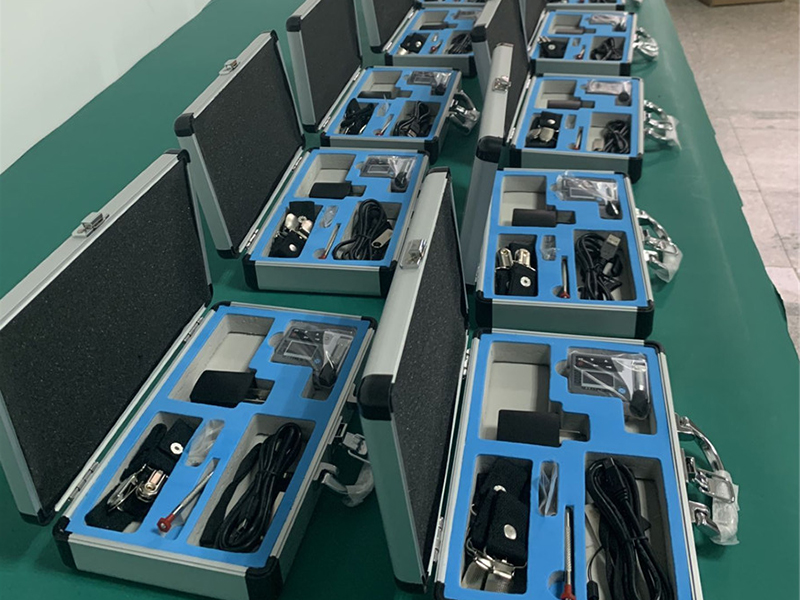
Our fully equipped manufacturing facility features advanced automated test systems, ensuring every product meets strict quality benchmarks before leaving the factory.
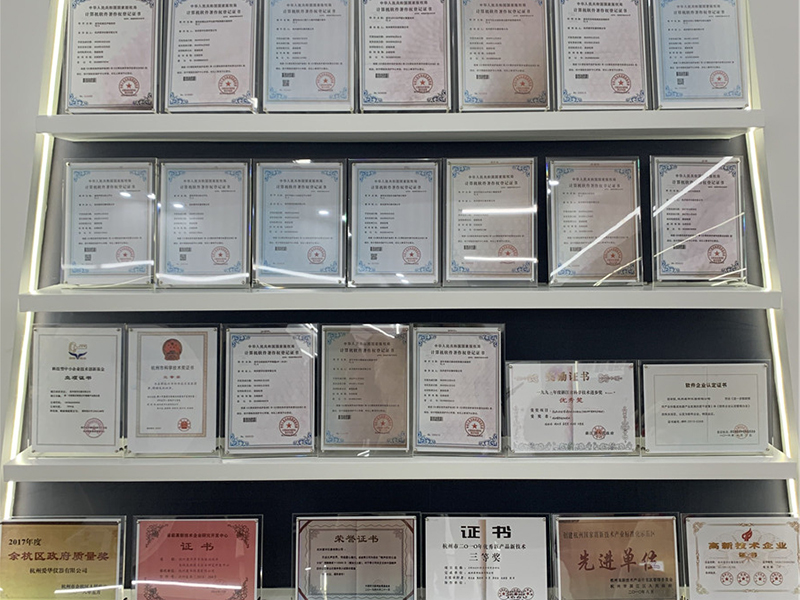
Identified as a provincial High-tech Enterprise R&D Center, our dedicated engineering team continuously drives innovation in digital detection, signal processing, and remote monitoring technologies, and supports OEM/ODM partnerships.
Our management systems and products hold ISO 14001, ISO 45001, CE, and RoHS certifications, demonstrating our commitment to environmental responsibility, workplace safety, and global compliance.
We export to over 40 countries across Europe, North America, South America, and Asia, with a strong reputation built on consistent quality and competitive pricing.
Backed by professional engineers, we deliver responsive, expert support throughout the entire product lifecycle, ensuring our customers always have the assistance they need.
Unique proprietary capability in precision microphone diaphragm fabrication, laser stabilization, and individualized calibration verification ensures peak structural longevity.
Explore our full line of sound level meters, vibration calibrators, low-noise preamplifiers, and acoustic accessories.
Delivering class-leading precision for aerospace laboratories, space research institutes, and flight certification facilities worldwide. Contact our engineering team today for technical consultations and calibration specifications.