
- Home
- About Us
- Products
- Application
- Resource
- News
- Contact Us
Leave Your Message
Engineered to endure severe weather, airborne dust, and high mechanical vibration, providing accredited baseline measurement and round-the-clock compliance intelligence on urban job sites.
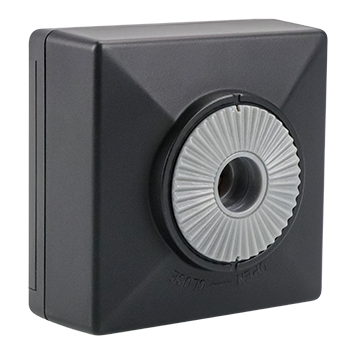
High-stability Class 1 acoustic reference source essential for pre- and post-measurement calibration verification during construction site boundary noise audits and pile-driving compliance assessments.
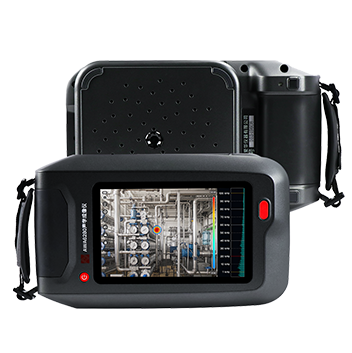
Visual acoustic camera utilizing high-resolution MEMS microphone arrays to instantly locate and visualize peak noise hotspots on heavy excavators, hydraulic power packs, and diesel generators.
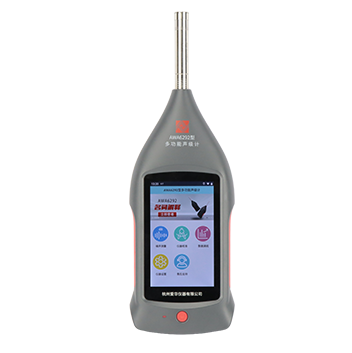
Intelligent touch-screen Class 1 sound level analyzer delivering simultaneous 1/1 and 1/3-octave band analysis, statistical noise parameters ($L_{eq}$, $L_{10}$, $L_{90}$), and automated event threshold triggering.
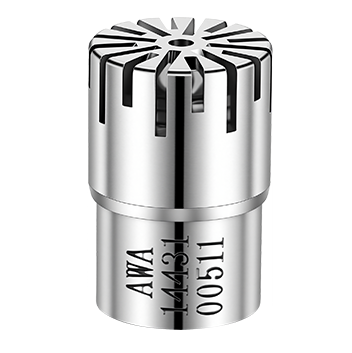
Precision prepolarized free-field measurement microphone equipped with rain and wind shielding, engineered for unattended 24/7 continuous perimeter noise telemetry in harsh outdoor construction conditions.
How rapid urban densification, stringent environmental mandates, and cutting-edge acoustic sensor technologies are transforming civil engineering site management from reactive dispute resolution to predictive structural compliance.
Direct compliance with ISO 1996, BS 5228, DIN 4150-3, and local municipal bylaws governing equivalent continuous noise ($L_{Aeq}$) and peak particle velocity (PPV) limits for sensitive zones.
Continuous triaxial ground vibration recording prevents structural micro-fractures, foundation settlement, and cosmetic damage in neighboring historical buildings, hospitals, and civil structures.
Real-time FFT algorithms and automated machine learning sound classification decouple authentic construction mechanical events from ambient traffic surges or biological background interference.
Contemporary civil engineering projects operate under intense environmental scrutiny. As major infrastructure initiatives—such as subway tunnel excavation, high-density residential high-rise erection, and deep foundation underpinning—encroach closer to existing residential settlements, hospital facilities, and heritage landmarks, the environmental footprint of construction operations has become a pivotal factor in project viability. Uncontrolled sound power emissions and persistent ground-borne vibration not only spark public hostility and costly legal disputes but can also trigger administrative injunctions, punitive financial sanctions, and catastrophic project suspensions.
Historically, environmental noise assessment at construction sites was handled retrospectively: hand-held sound level meters were dispatched only after residents filed complaints. This reactive approach is now considered wholly inadequate. Modern municipal environmental protection authorities across Europe, North America, and the Asia-Pacific region enforce stringent continuous monitoring protocols. Standards such as BS 5228 (Parts 1 & 2) in the United Kingdom, DIN 4150-3 in Germany, the United States FTA/FHWA Noise and Vibration Guidance manuals, and China's GB 12523-2011 mandate real-time baseline measurement, continuous statistical acoustic data recording ($L_{Aeq,T}$, $L_{10}$, $L_{90}$, $L_{max}$), and spectral analysis throughout both daytime and nocturnal work cycles.
A common pitfall in environmental site management is the isolated measurement of acoustic noise while disregarding soil and structural vibration. In heavy civil works—including vibratory sheet piling, drop-hammer driven piles, explosive rock blasting, and continuous tunnel boring machine (TBM) advancement—sound waves propagating through the atmosphere represent only half of the transmitted mechanical energy. The remaining energy couples into the surrounding geotechnical strata as Rayleigh waves, shear waves, and compressional waves.
When these subterranean waves encounter building foundations, they induce structural vibration. This manifests in two distinct hazards:
| Physical Parameter | Standard Metric | Primary Frequency Range | Typical Sensitive Thresholds | Critical Construction Activity |
|---|---|---|---|---|
| Airborne Sound Pressure | $L_{Aeq,T}$ (dBA), $L_{AFmax}$, $L_{den}$ | 20 Hz – 20 kHz (A-Weighted) | 65 – 75 dBA Day / 45 – 55 dBA Night | Excavators, Diesel Generators, Concrete Saws |
| Low-Frequency Airborne Rumble | 1/3 Octave $L_{Zeq}$ (Linear dB) | 10 Hz – 200 Hz (Z-Weighted) | Noise Rating (NR) / NC Curves | Heavy Vehicle Movements, Hydraulic Breakers |
| Structural Ground Vibration | Peak Particle Velocity (PPV, mm/s) | 1 Hz – 315 Hz (Triaxial) | 1.5 – 5.0 mm/s (Historic) / 10 – 30 mm/s (Modern) | Impact Piling, Heavy Dynamic Compaction, Blasting |
| Human Vibration Comfort | Vibration Dose Value (VDV, $m/s^{1.75}$) | 1 Hz – 80 Hz ($W_d$, $W_k$ weighted) | 0.1 – 0.4 $m/s^{1.75}$ (Residential Day/Night) | Continuous Tunnel Boring, Underground Rail Piling |
Driven piling generates intense, short-duration acoustic impulses coupled with massive ground acceleration shocks. Sound pressure levels regularly exceed 110 dBA at 10 meters, while ground vibration can compromise subterranean utilities.
TBM operations and subsurface drill-and-blast methods generate low-frequency vibration that travels upward through the soil column, entering residential living spaces as structural noise.
Extended-hour construction schedules in dense metropolitan zones require continuous perimeter noise auditing to verify that night-shift activities remain within municipal noise caps.
Demolition using hydraulic shears, rock breakers, and concrete crushers generates multi-source noise fields, complicating the identification of specific offending machinery.
Reliable noise and vibration measurement in rugged construction settings requires specialized instrument engineering. Off-the-shelf consumer sensors or uncalibrated digital logging modules quickly succumb to high humidity, temperature extremes, cement dust contamination, and mechanical overload.
At the core of an acoustic measurement system is the precision condenser measurement microphone cartridge. For construction perimeter assessment, prepolarized free-field 1/2-inch or 1/4-inch microphones are standard. The diaphragm—often fabricated from corrosion-resistant nickel alloys or titanium—must maintain mechanical compliance across wide temperature swings (-20°C to +50°C).
Instruments like the AWA1411 and AWA14424/14425 incorporate laser-welded stainless steel housings and gold-sputtered quartz backplates to achieve low internal electrical noise floors (<15 dBA) and flat frequency responses spanning 10 Hz to 20 kHz in accordance with IEC 61672-1 Class 1 standards. Integrated with specialized outdoor environmental kits—featuring hydrophobic open-cell foam windscreens, bird spikes, and mechanical rain deflectors—these transducers run continuously without acoustic calibration drift.
Construction sites exhibit extreme dynamic range requirements. Background noise levels during quiet night hours can drop below 35 dBA, while impact piling or pneumatic concrete busting can peak at over 135 dBA. Conventional single-gain analog-to-digital converters (ADCs) suffer from quantization noise at low levels or harsh clipping at high amplitudes, forcing manual range switching that can compromise compliance logs.
Modern instruments deploy dual-stage or 24-bit/32-bit delta-sigma ADCs coupled with low-noise ICP (IEPE) preamplifiers (such as the AWA14604 and AWA14600E). This architecture yields a single linear dynamic range exceeding 120 dB, eliminating range switching and capturing subtle acoustic nuances and high-energy transients with equal fidelity.
Broadband dBA metrics indicate regulatory compliance, but they fail to diagnose root causes or design targeted mitigation. Advanced analyzers implement digital signal processing (DSP) engines running real-time 1/1 and 1/3-octave band digital filter banks compliant with IEC 61260-1 Class 1. This allows acoustic engineers to determine whether site noise is dominated by low-frequency diesel engine rumble (63 Hz – 125 Hz), mid-frequency hydraulic pump whining (500 Hz – 1 kHz), or high-frequency metal-on-metal friction (2 kHz – 8 kHz), guiding precise acoustic baffle design and engine silencer retrofits.
The future of construction site environmental assessment lies in full sensor fusion and cloud automation. Standalone, isolated sound meters are being replaced by integrated wireless mesh networks combining Class 1 noise sensors, triaxial geophones, meteorological sensors (wind speed, wind direction, relative humidity, air temperature), and PM2.5/PM10 airborne particulate monitors into unified environmental monitoring stations.
These networks stream real-time telemetry over 4G/5G and LoRaWAN links to centralized cloud management platforms. Machine learning classifiers running directly on instrument edge processors can automatically differentiate between construction noise (such as an excavator bucket striking bedrock) and extraneous urban acoustic interference (such as emergency sirens or overhead commercial flights).
Furthermore, integration with Building Information Modeling (BIM) and Construction Digital Twins enables predictive noise and vibration simulation. By comparing real-time instrument data against acoustic propagation models (e.g., ISO 9613-2), site managers can simulate the acoustic impact of subsequent construction phases, optimizing heavy machinery schedules to keep neighborhood noise and structural vibration within permitted regulatory envelopes.
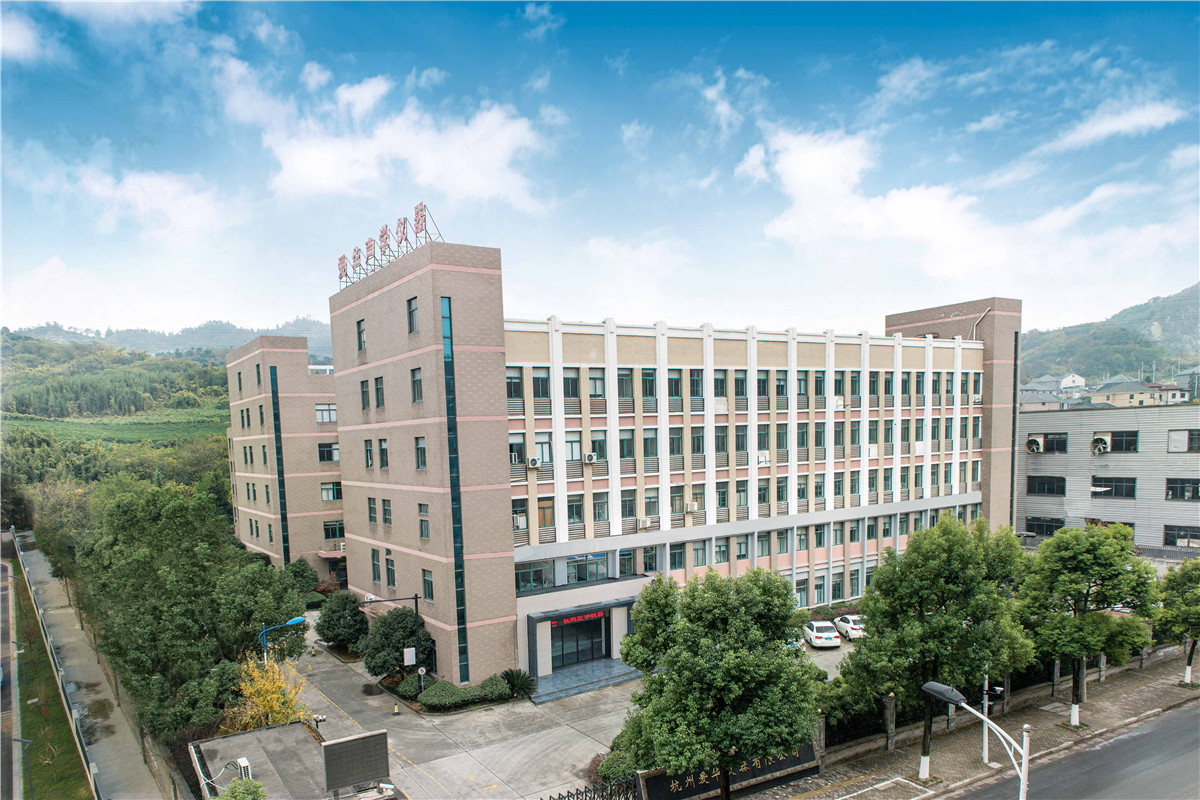
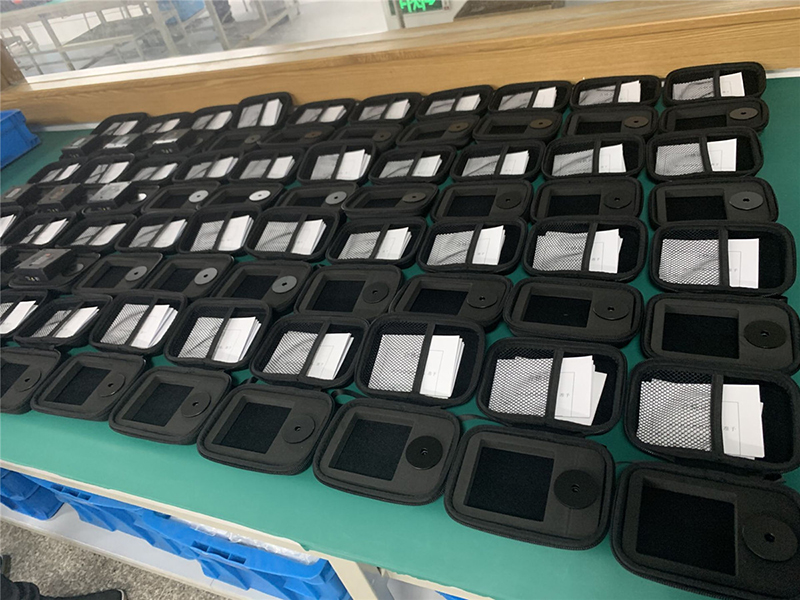
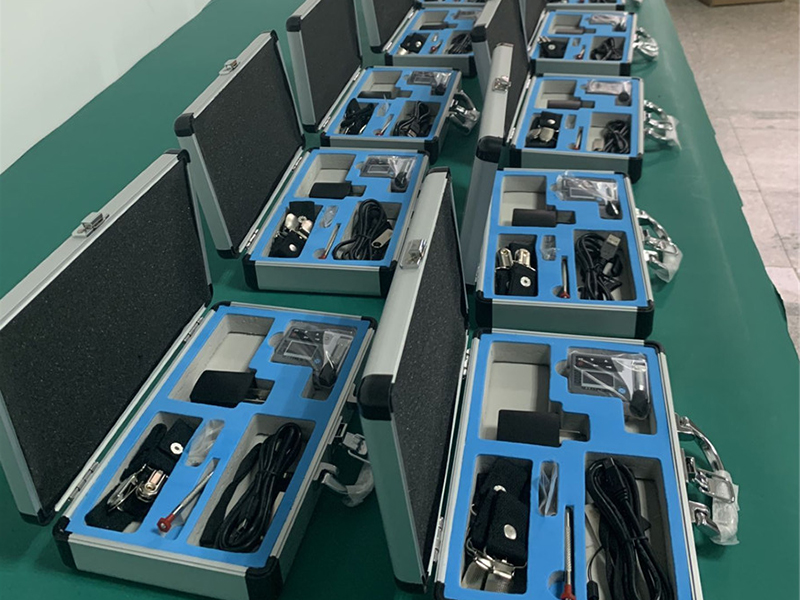
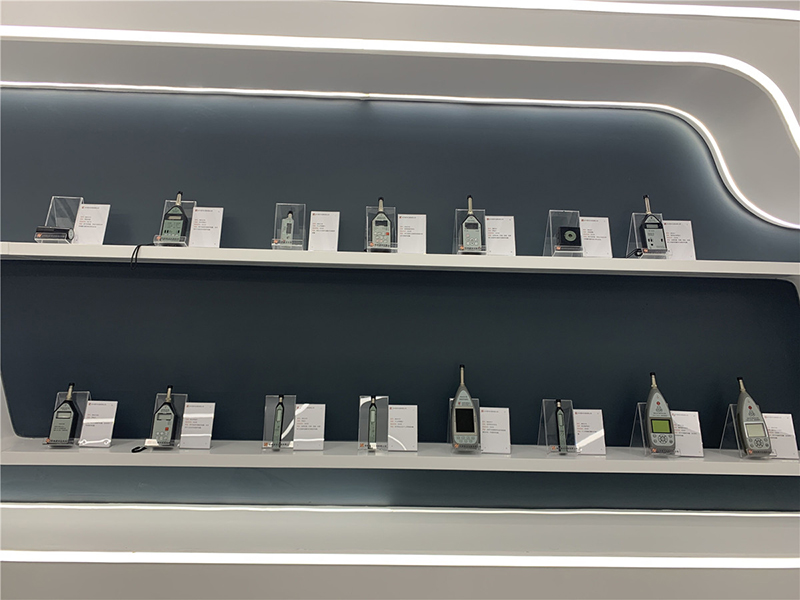
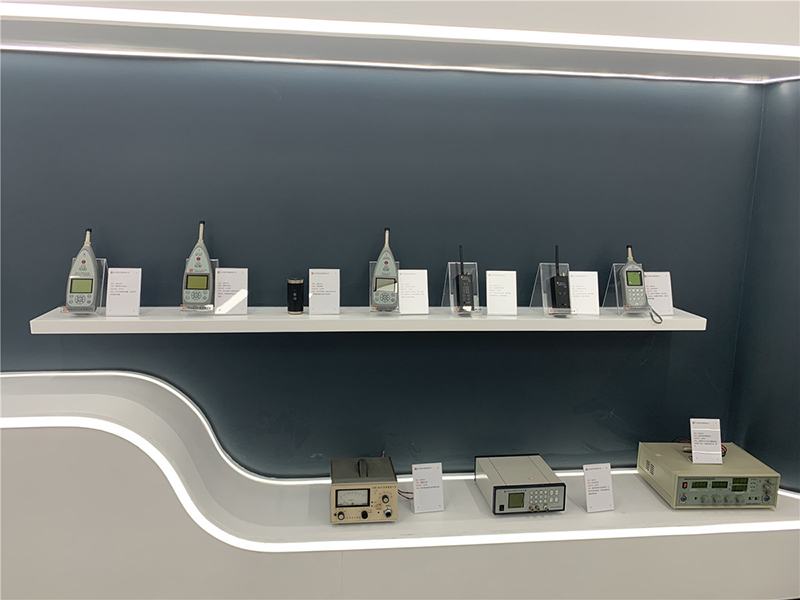
From micro-machined diaphragm stamping to automated acoustic wind-tunnel and anechoic chamber calibration, our Hangzhou industrial complex guarantees metrological precision.
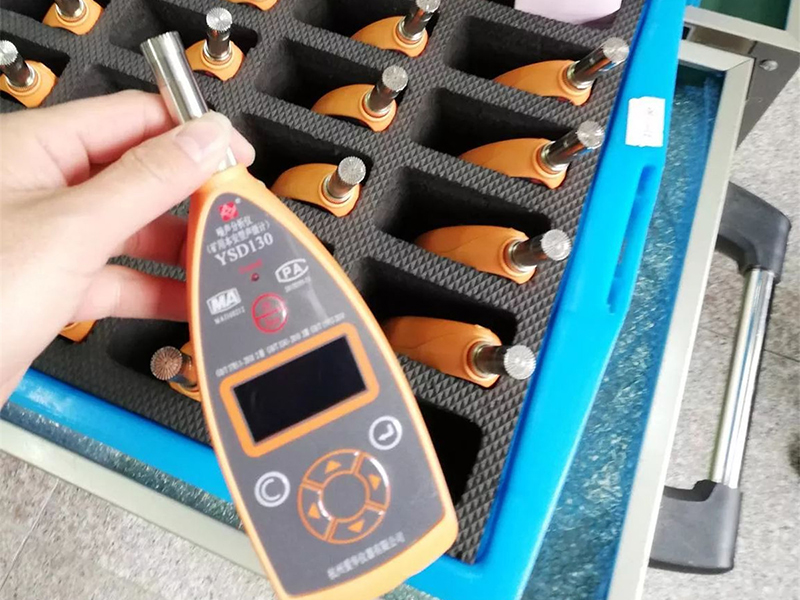
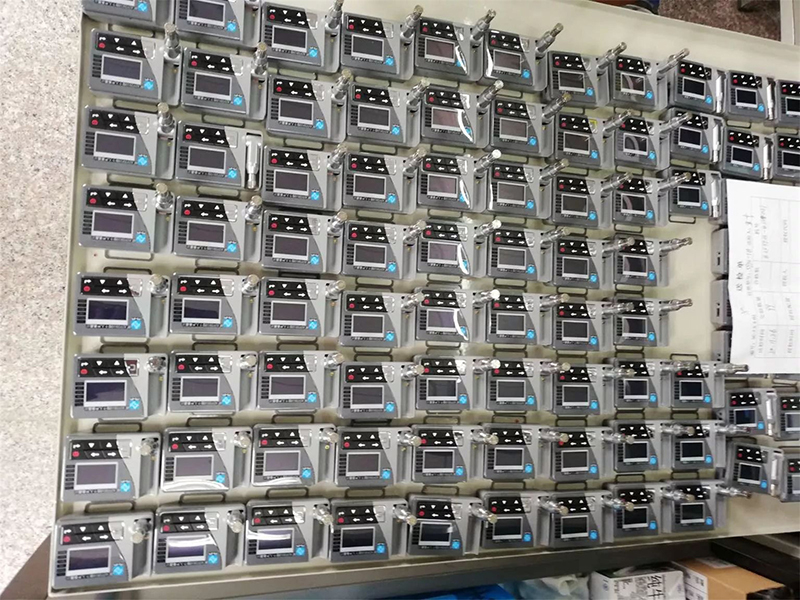
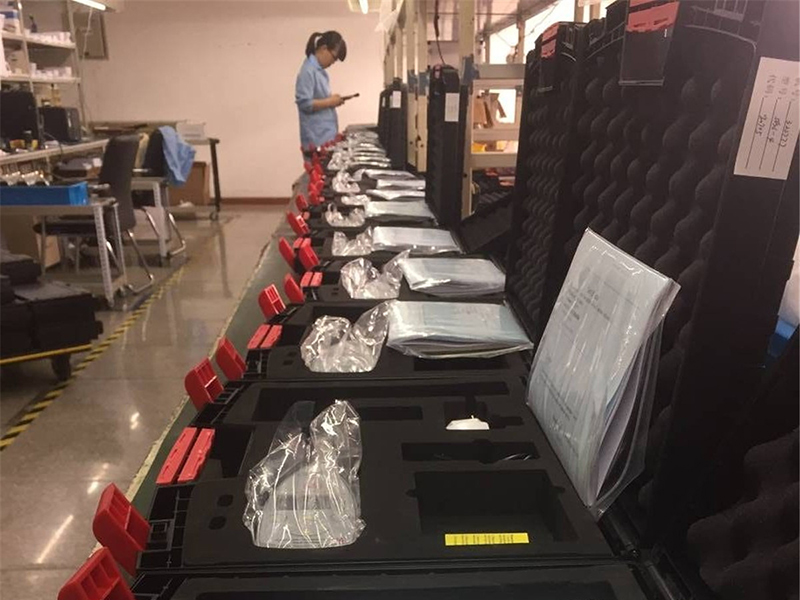

Your Trusted Partner in Acoustic & Vibration Measurement Instrumentation
Our fully equipped manufacturing facility features advanced automated test systems, ensuring every product meets strict quality benchmarks before leaving the factory. In-house development spans from cartridge assembly to final automated testing.
Identified as a provincial High-tech Enterprise R&D Center, our dedicated engineering team continuously drives innovation in digital detection, signal processing, and remote monitoring technologies, and supports OEM/ODM partnerships.
Our management systems and products hold ISO 14001, ISO 45001, CE, and RoHS certifications, demonstrating our commitment to environmental responsibility, workplace safety, and global compliance with IEC standards.
We export to over 40 countries across Europe, North America, South America, and Asia, with a strong reputation built on consistent quality, precise acoustic accuracy, and competitive manufacturer-direct pricing.
Backed by experienced acoustic engineers, we deliver responsive, expert support throughout the entire product lifecycle, offering annual recalibration services, firmware updates, and regulatory compliance consulting to ensure clients maintain seamless operational performance.
Precision measurement microphones, preamplifiers, sound level meters, and outdoor protection systems engineered for rugged construction and environmental monitoring.
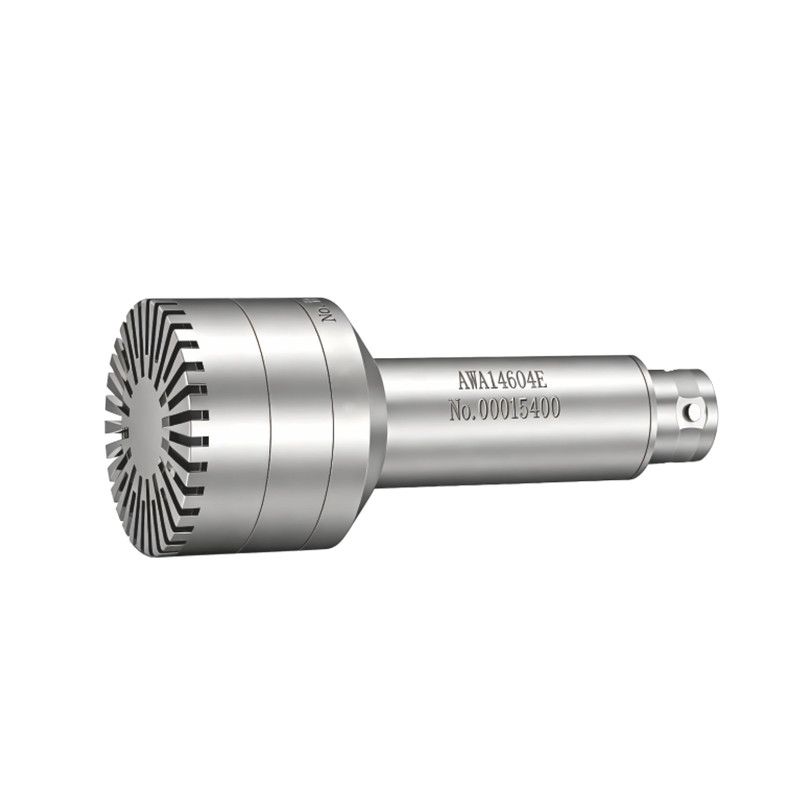
Ultra-low noise laboratory-grade free-field microphone set designed for establishing pristine pre-construction ambient acoustic baselines down to extreme low thresholds.
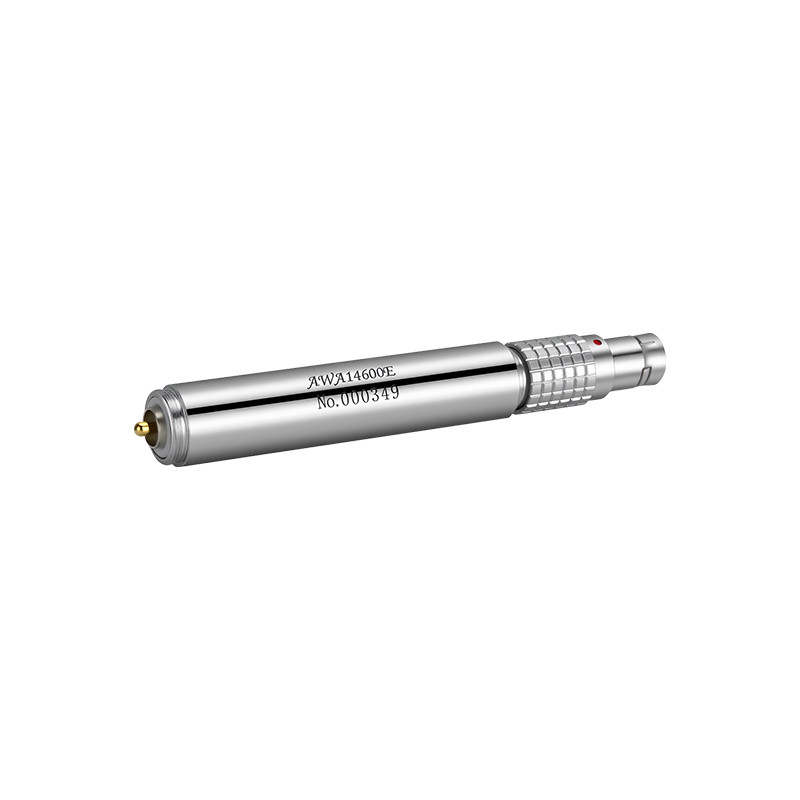
Universal dual-polarization microphone preamplifier providing high input impedance, ultra-low internal noise, and wide dynamic range for harsh field testing.
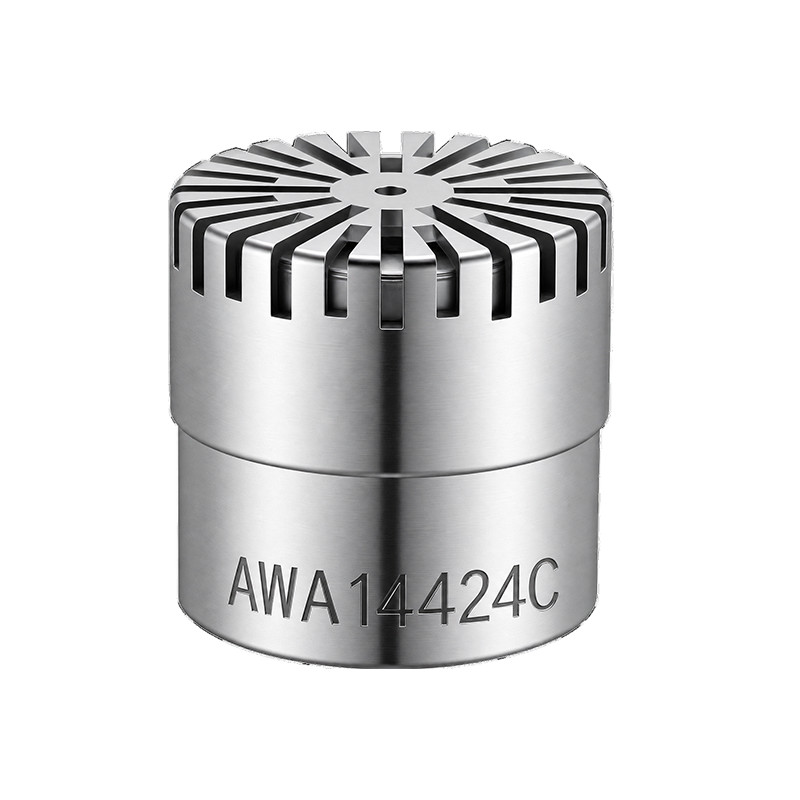
Rugged Class 1 prepolarized measurement microphone engineered for extended deployment in outdoor construction boundary noise monitoring terminals.
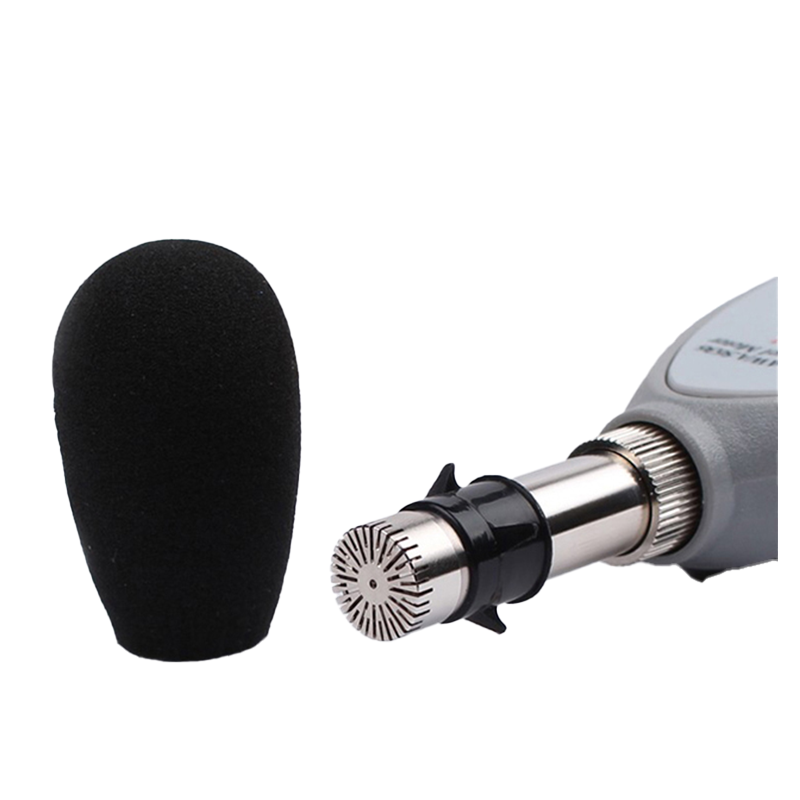
Specialized outdoor open-cell polyurethane foam windscreen engineered to suppress wind-induced turbulence noise without altering acoustic frequency response.
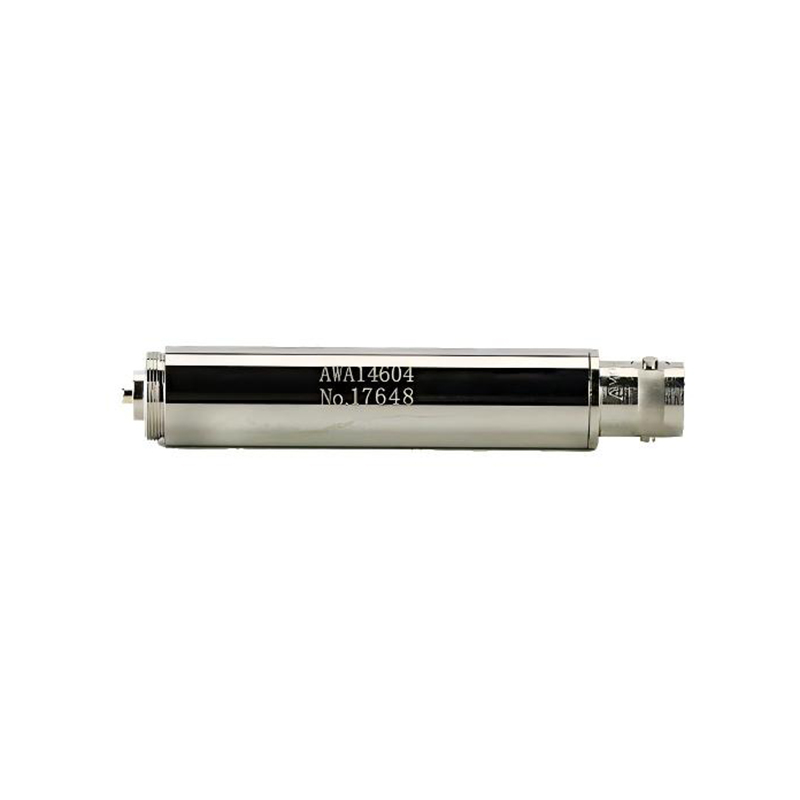
Constant-current ICP preamplifier optimized for high-capacitance long cable runs, ideal for elevated mast-mounted microphones at site boundaries.
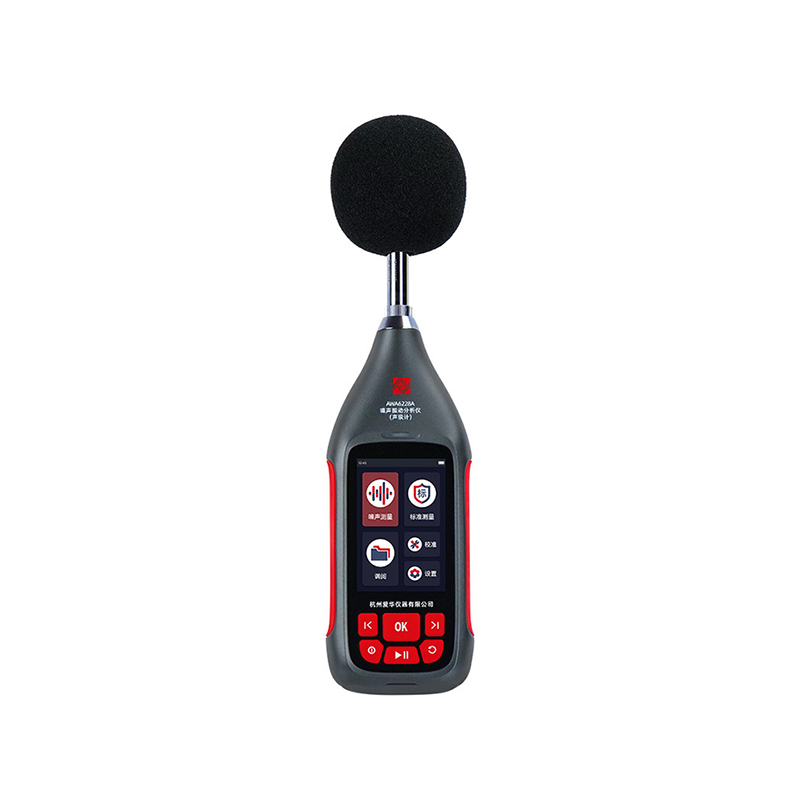
Multi-channel Class 1 flagship analyzer supporting synchronous acoustic sound pressure level and 3-axis building vibration evaluation according to international standards.
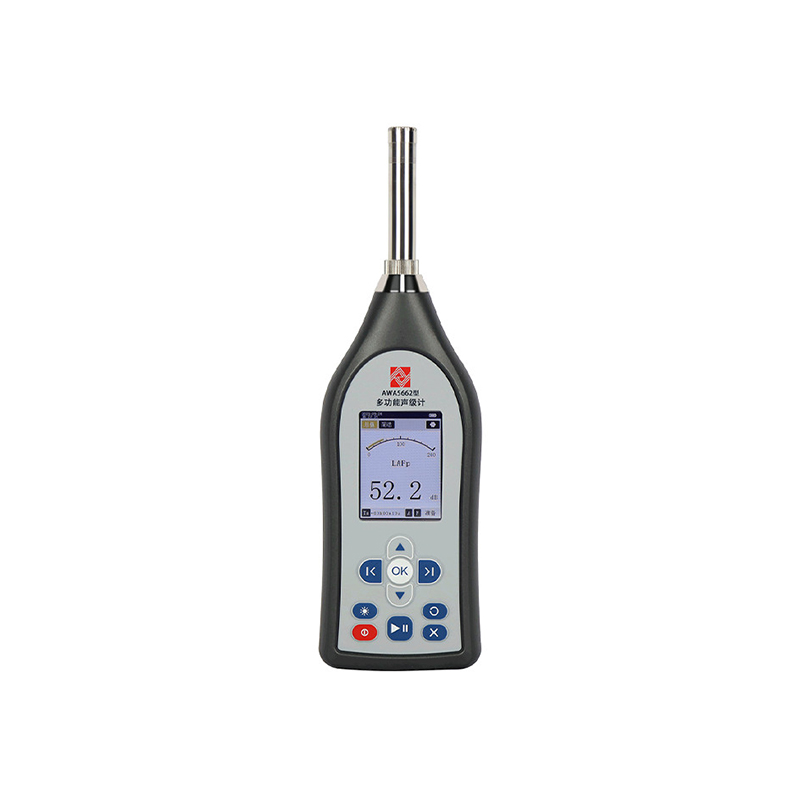
Compact, high-precision handheld Class 2/Class 1 sound level meter suited for mobile site safety compliance checks and occupational worker exposure assessments.
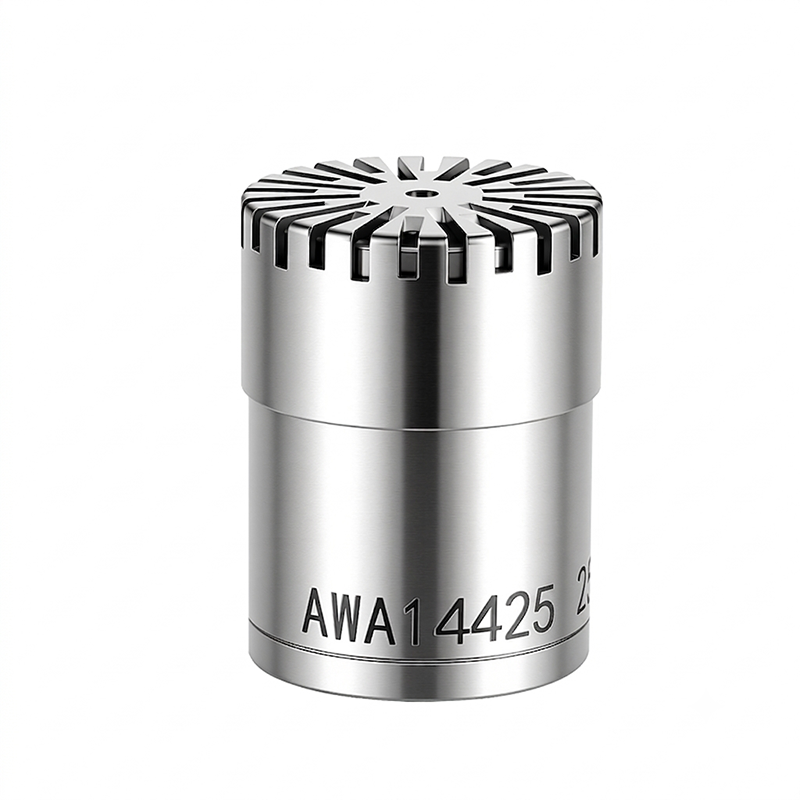
High-sensitivity prepolarized 1/2-inch free-field microphone cartridge engineered for precise low-level sound monitoring in quiet residential and institutional zones.


