- Home
- About Us
- Products
- Application
- Resource
- News
- Contact Us
Leave Your Message
High-performance measurement hardware engineered for extreme acoustic pressure field quantification, boundary-layer turbulence detection, and real-time flight telemetry vibration validation.
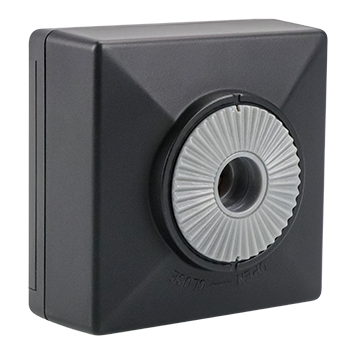
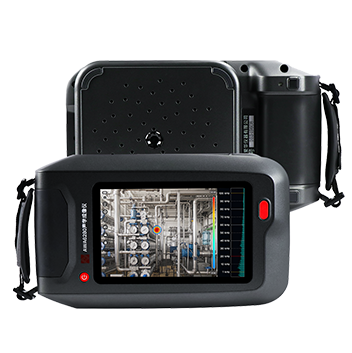
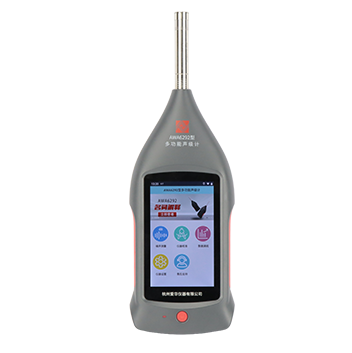
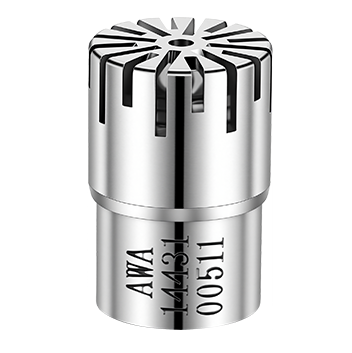
In modern commercial aircraft engineering, orbital launch rocket architecture, and advanced Urban Air Mobility (UAM/eVTOL) systems, structural vibration and severe vibro-acoustic environments represent fundamental design drivers. During atmospheric ascent, trans-sonic sprint, and re-entry, aerospace structures are subjected to complex, high-energy acoustic loads generating from turbulent boundary layers (TBL), supersonic jet exhaust turbulence, and mechanical engine oscillation. Without continuous, ultra-precise instrumentation to quantify acoustic pressure fields and mechanical resonances, aerospace airframes face substantial risks of acoustic fatigue failure, avionic delamination, and payload destruction.
The commercial aerospace instrumentation landscape is transitioning rapidly. Traditional post-flight evaluation methodologies are being systematically augmented by multi-channel synchronous acquisition systems, real-time beamforming acoustic camera arrays, and AI-accelerated frequency response estimation. High-precision noise measuring instruments are deployed not merely to ensure passenger cabin acoustic comfort, but to conduct environmental stress screening (ESS), ground vibration tests (GVT), launch acoustic environment simulation in reverberation chambers, and modal vibration testing on lightweight composite materials.
Quantifies high sound pressure levels (exceeding 140–165 dB OASPL) encountered inside launch vehicle fairings and near jet exhaust nozzles, preventing thin skin panels from micro-fracturing due to cyclic acoustic fatigue.
Synchronizes with dynamic accelerometers and high-sensitivity free-field measurement microphones to extract natural resonant frequencies, damping factors, and mode shapes, eliminating dangerous aeroelastic flutter risks.
Class 1 compliant acoustic precision instrumentation meeting FAA, EASA, and ICAO Annex 16 noise certification standards, crucial for supersonic transport and electric vertical takeoff and landing certification.
Aerospace vibration and acoustic testing demands specialized hardware capable of preserving signal fidelity across severe operating temperatures, low-frequency atmospheric fluctuations, and immense dynamic ranges. Below is a comprehensive breakdown of mission-critical applications:
During space payload qualification, satellites and launch vehicle fairings must survive reverberant acoustic sound pressure simulations inside chambers up to 150 m³ or higher. Prepolarized free-field and random-incidence microphones measure acoustic power spectral density (PSD) from 20 Hz to 10 kHz, ensuring that sensitive solar arrays, optical sensors, and micro-electronics withstand intense acoustic acoustic excitation without structural resonance amplification.
Wind tunnel testing on scale airframe models requires ultra-miniature, low-profile surface microphones and pressure sensors that measure unsteady pressure fluctuations without disturbing laminar or turbulent flow regimes. High-frequency digital sound and vibration analyzers process cross-spectral matrices in real time, isolating shock-wave buffet points and trailing-edge aerodynamic vortex shedding.
Commercial passenger aircraft require strict cabin interior noise optimization. Portable class 1 real-time 1/1 and 1/3 octave band sound level analyzers work in tandem with multi-channel sound intensity probes and acoustic imagers to trace noise transmission paths through composite sandwich panels, environmental control systems (ECS), and bleed-air ducts, minimizing structural-borne vibrations that compromise cockpit communication.
High-temperature, non-contact acoustic sensors and dynamic vibration meters capture transient acoustic signatures, bearing wear indicators, and combustion instabilities (such as thermo-acoustic humming or screech). Early identification of anomalous acoustic resonance prevents catastrophic rotor imbalances and blade-off events during high-thrust static test bench firings.
Founded in 1992, Aihua Instruments is a Hangzhou-based manufacturer specializing in precision acoustic testing and vibration measurement instrumentation. With over 30 years of unwavering dedication to the acoustic and vibration field, we have established ourselves as one of China's foremost high-tech enterprises in this domain. From our early days as a pioneering research institute to today's internationally recognized brand, our growth reflects a relentless commitment to technological excellence and customer satisfaction.
Our dedicated aerospace acoustic laboratories collaborate directly with aviation researchers and global testing facilities to formulate advanced sound level meters, low-noise measurement microphones, and structural vibration analyzers that conform to the most stringent international standards.
Specialized Innovation in Acoustic Sensors & Vibration Metrology

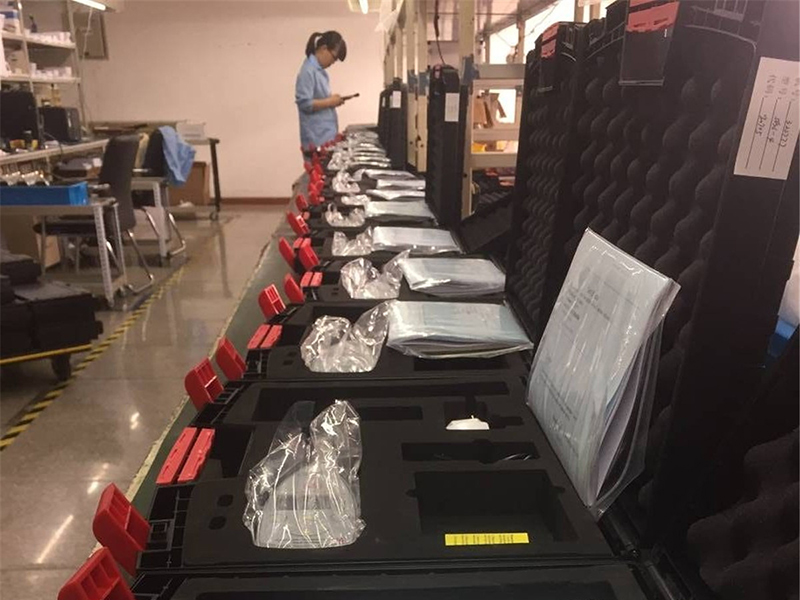
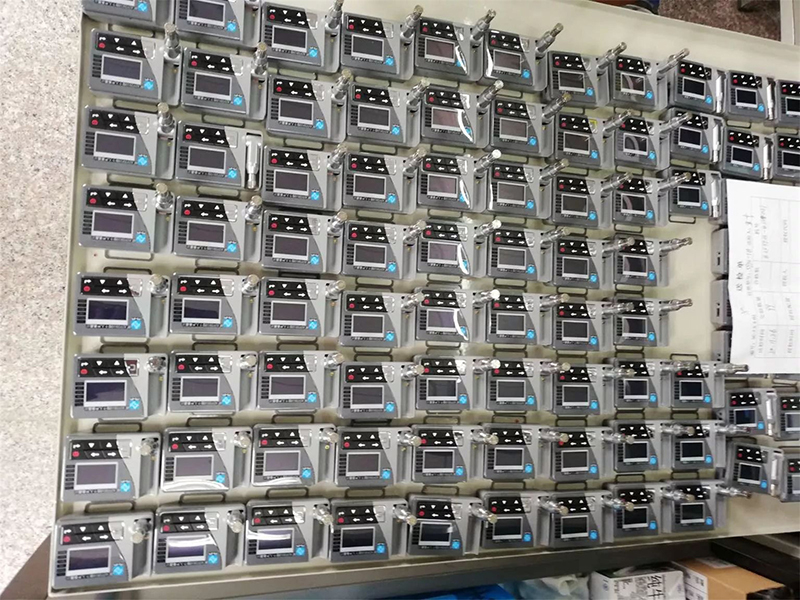
Tour our precision manufacturing lines, anechoic sound calibration suites, and automated microphone assembly chambers ensuring sub-decibel accuracy across the entire frequency range.
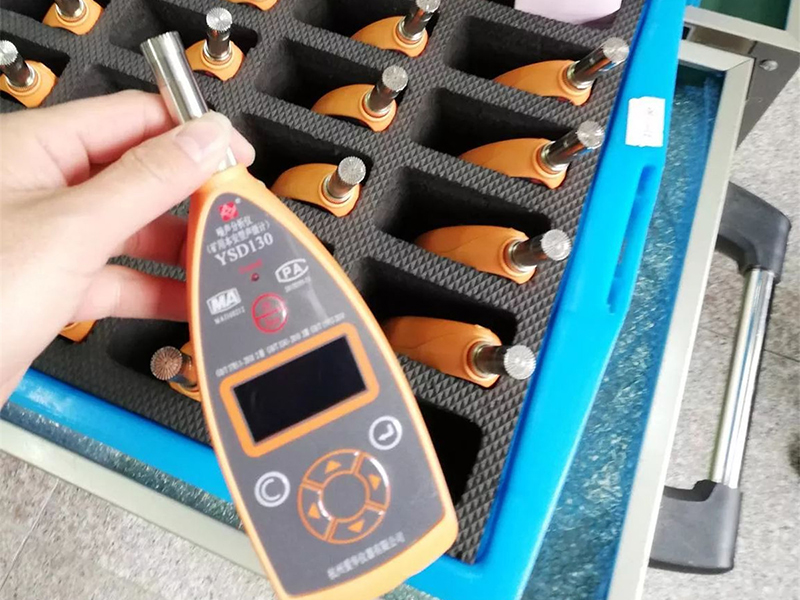
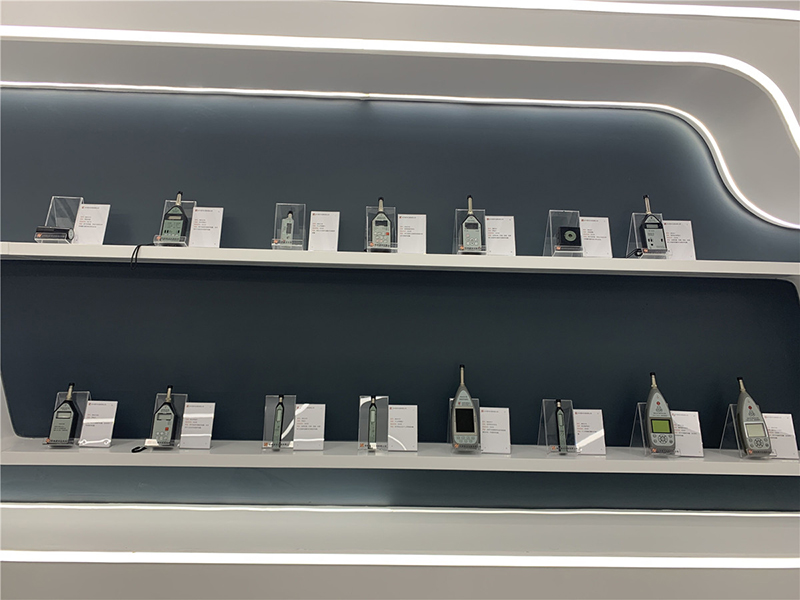
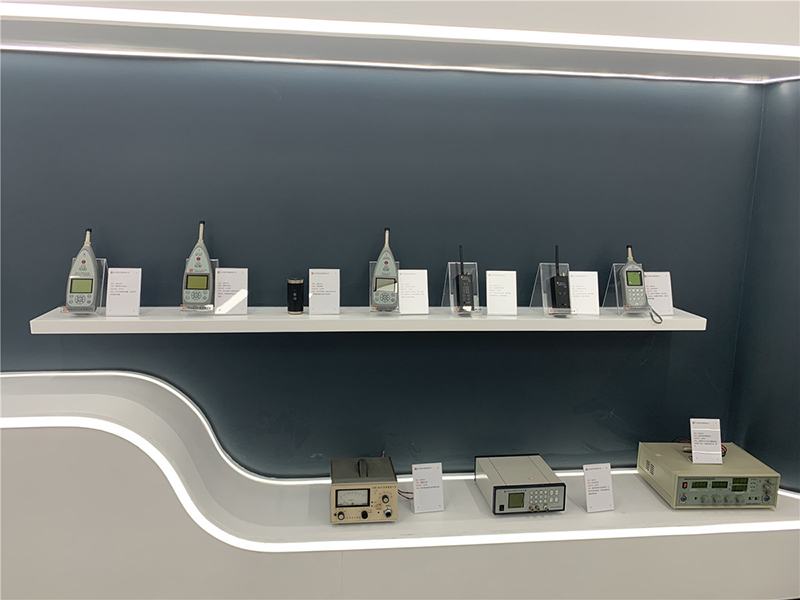
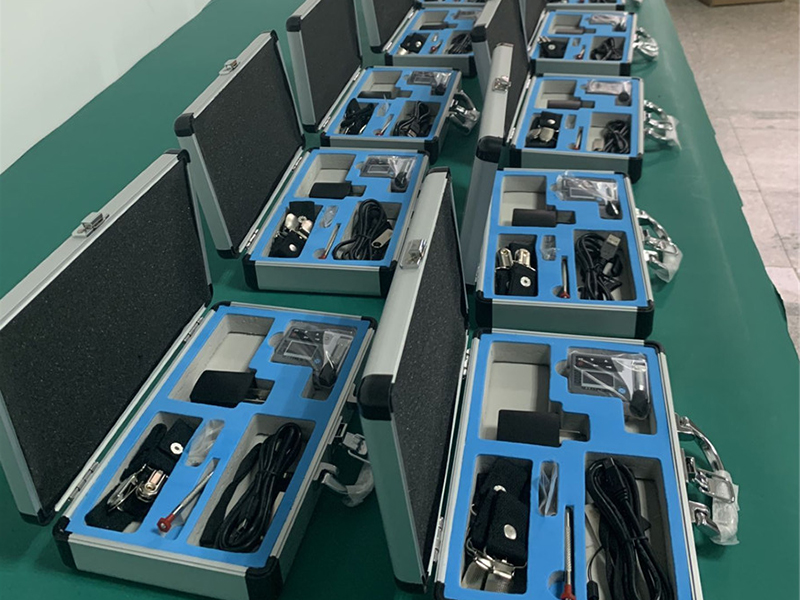
Our product range covers sound level meters, noise dosimeters, calibrators, audiometric calibration systems, microphones and accessories, software products, and acoustic test systems — over 60 varieties in total. We serve diverse application fields including environmental noise monitoring, building acoustics, occupational health and safety, vehicle noise testing, and audiometer calibration.
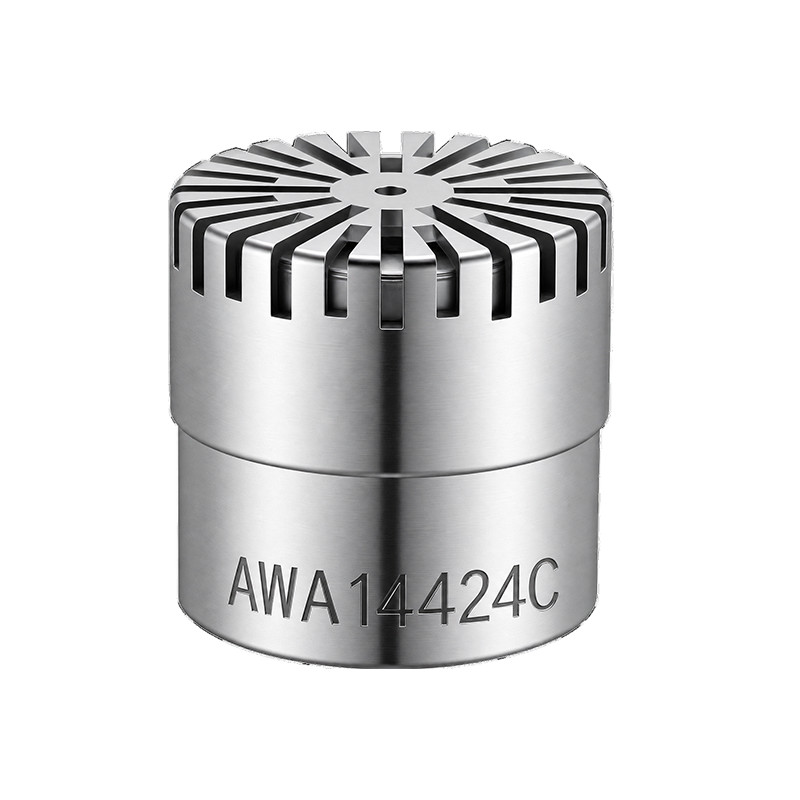
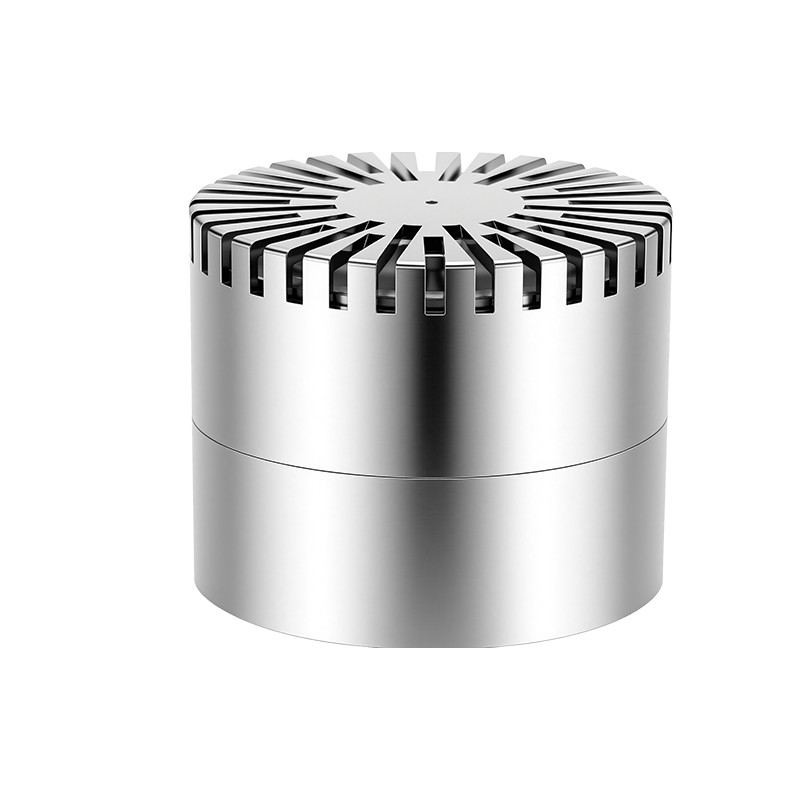
Notably, we design and manufacture our own measurement microphones in-house — from cartridge development to automated performance testing — giving us a critical quality advantage that few competitors can match. In the context of aerospace structural vibration and acoustic testing, this vertical integration enables custom tailoring of diaphragm damping, resonance suppression, prepolarization voltage stability, and extended frequency limits from infrasound (0.5 Hz) up to ultrasonic aeroacoustic regimes (100 kHz).
The aerospace sector is undergoing a profound paradigm shift driven by decarbonization, electrification, and hypersonic exploration. Acoustic and vibration testing systems are evolving rapidly along these technological axes:
Distributed electric propulsion (DEP) displays narrow-band, multi-tonal blade interaction noise unlike traditional turbofans. Modern sound level meters must leverage high-order FFT and continuous wavelet transformations to distinguish tonal blade passage frequencies (BPF) from aerodynamic broadband white noise.
Cable weight and signal loss in complex airframes during ground modal testing present logistics bottlenecks. Wireless, synchronized PTP (Precision Time Protocol) sensor nodes allow aerospace test engineers to map thousands of points across wings and empennages with microsecond-level synchronization.
Integrating deep learning acoustic beamforming algorithms with real-time acoustic cameras enables automatic identification of intermittent flutter modes, micro-cracks, and acoustic leakage in cabin pressurization seals long before conventional sensors detect failure.
Your Trusted Partner in Acoustic & Vibration Measurement Solutions Worldwide.
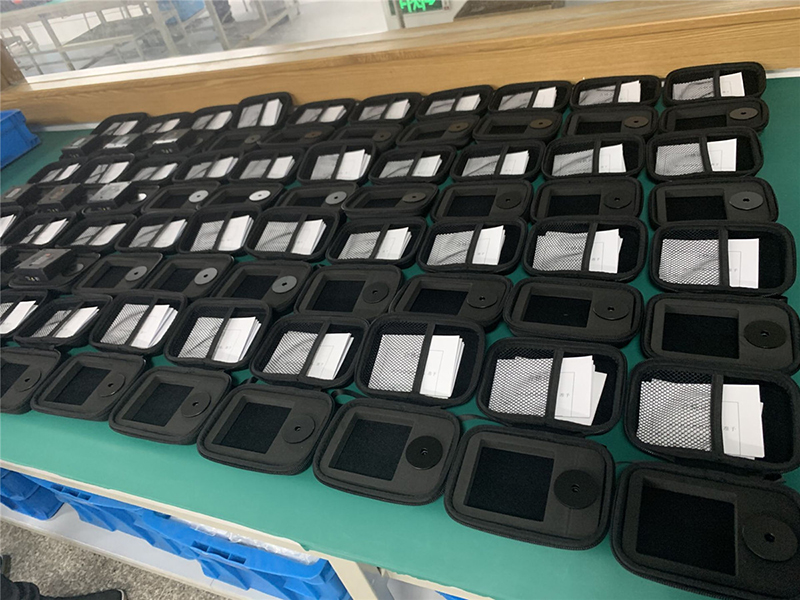
Our fully equipped manufacturing facility features advanced automated test systems, ensuring every product meets strict quality benchmarks before leaving the factory.
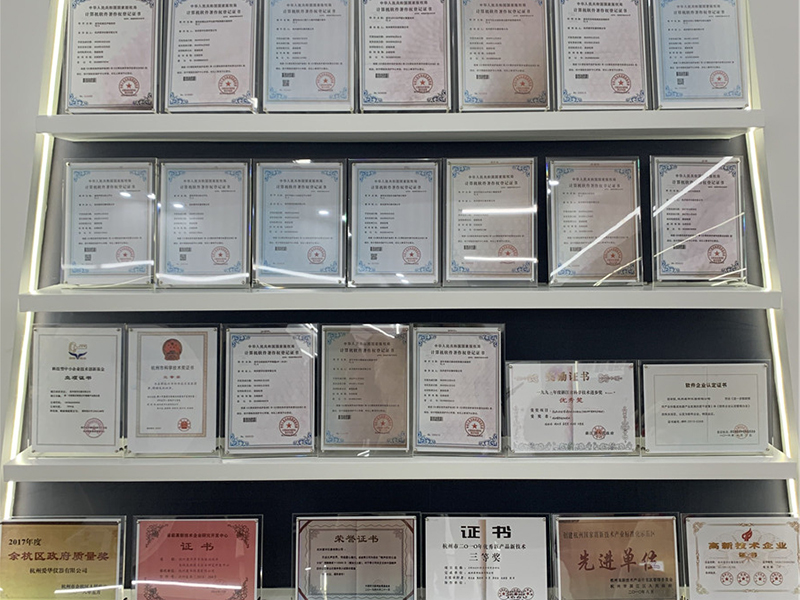
Identified as a provincial High-tech Enterprise R&D Center, our dedicated engineering team continuously drives innovation in digital detection, signal processing, and remote monitoring technologies, and supports OEM/ODM partnerships.
Our management systems and products hold ISO 14001, ISO 45001, CE, and RoHS certifications, demonstrating our commitment to environmental responsibility, workplace safety, and global compliance.
We export to over 40 countries across Europe, North America, South America, and Asia, with a strong reputation built on consistent quality and competitive pricing.
Backed by professional engineers, we deliver responsive, expert support throughout the entire product lifecycle, ensuring our customers always have the assistance they need.
Every vibration sensor and acoustic analyzer complies with IEC 61672 Class 1, IEC 61260, and international ISO metrological calibration standards, ensuring audit-ready aerospace data integrity.
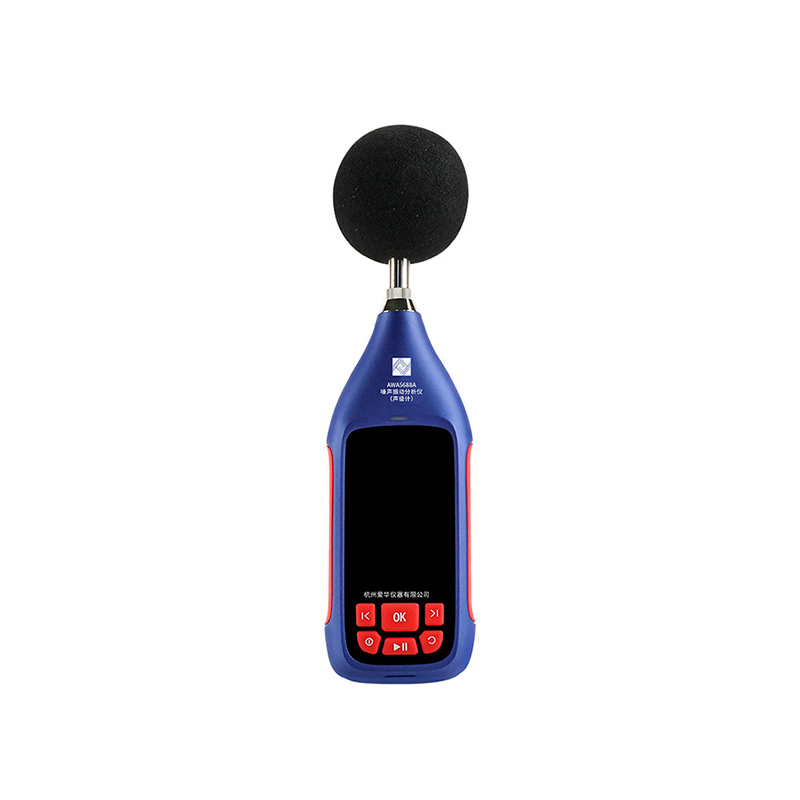
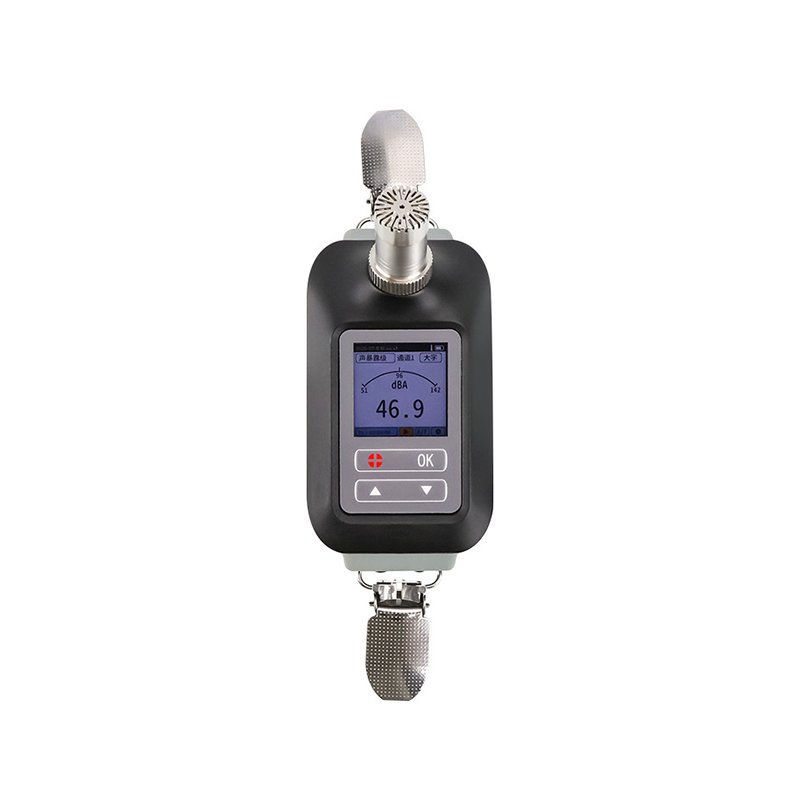
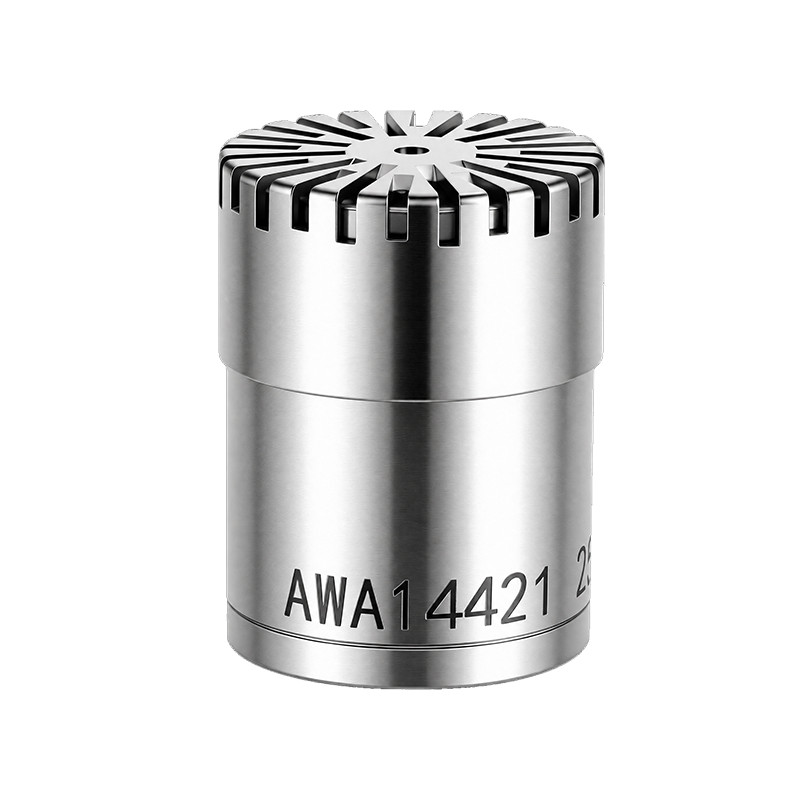
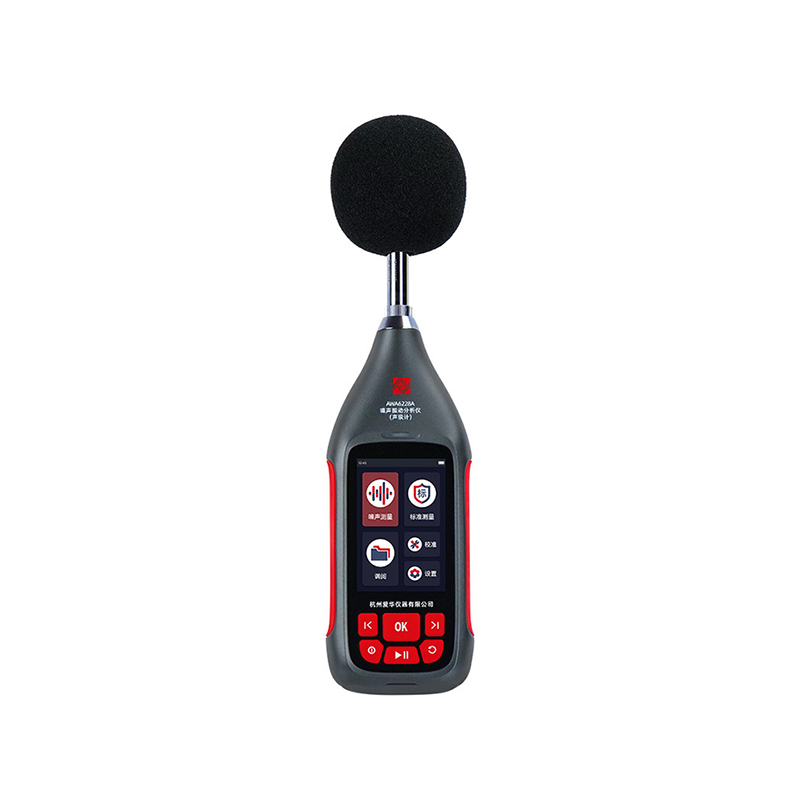
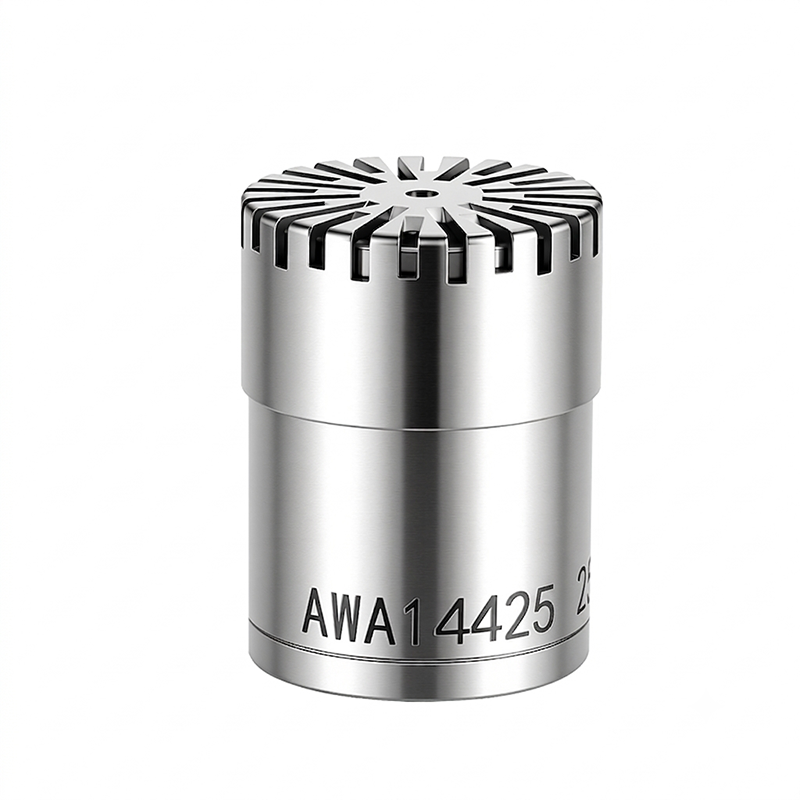
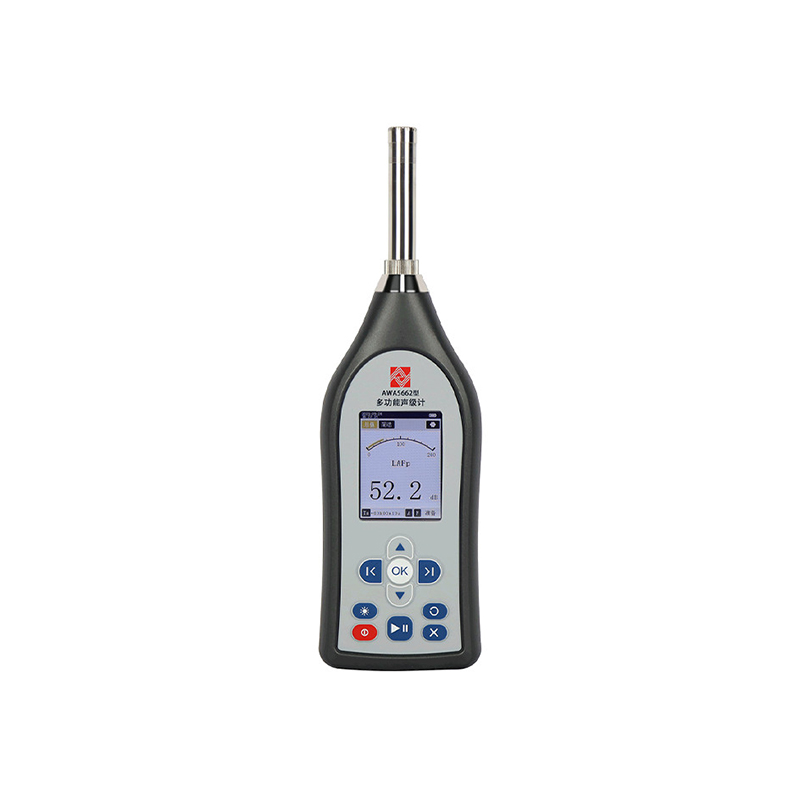
Select from our industry-proven analyzers and prepolarized free-field microphones optimized for structural modal testing, occupational launchpad dosimetric verification, and acoustic certification.
From rocket test benches and wind tunnel airfoils to aircraft passenger cabin acoustic certification, Aihua Instruments delivers precision noise measuring instruments and structural vibration analyzers that ensure critical safety, acoustic reliability, and aerospace regulatory compliance.