


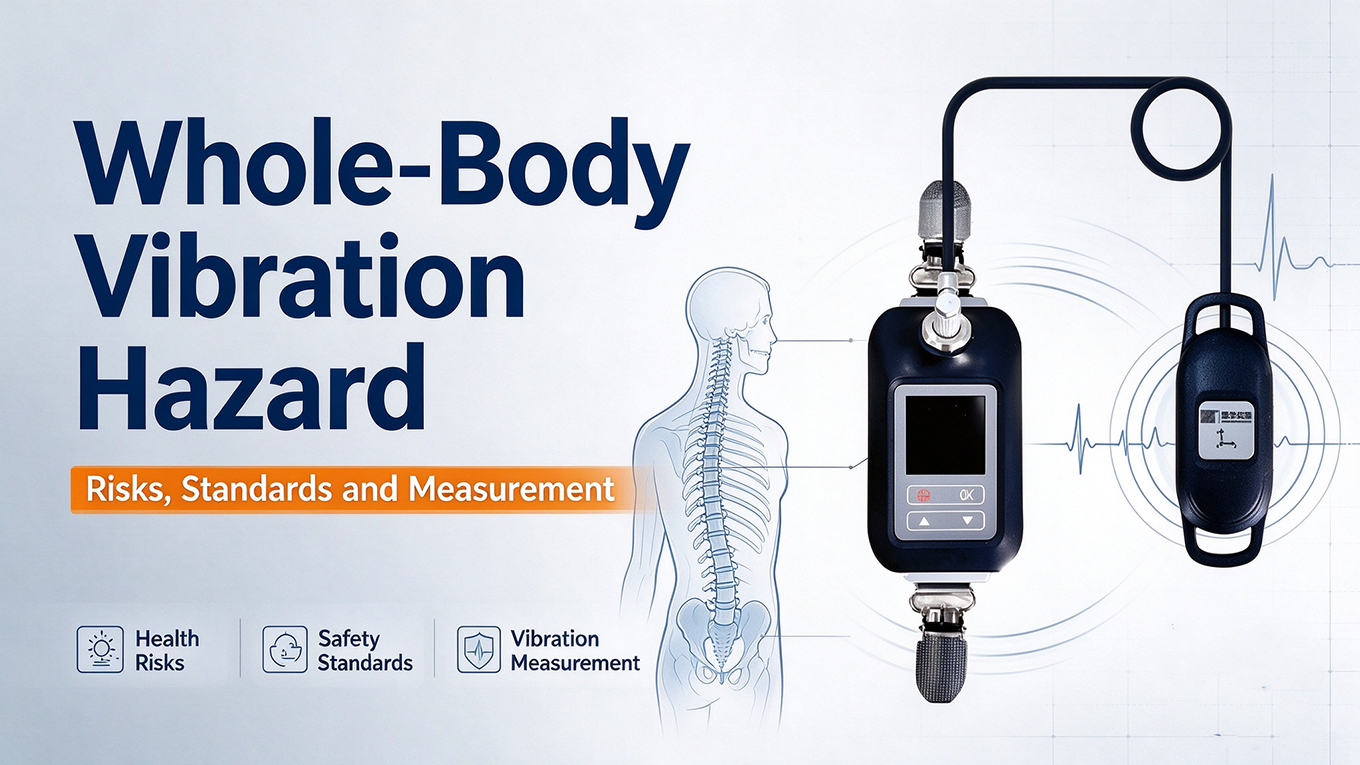
Whole-Body Vibration Hazard: Risks, Standards and Measurement
A forklift operator finishes a long shift with persistent lower back discomfort. A construction vehicle driver experiences similar symptoms after years on rough terrain. These problems may be associated with a workplace hazard that often receives less attention than noise: whole-body vibration (WBV).
Understanding the risks, measuring exposure and implementing effective controls can help employers protect workers and improve workplace safety.
What Is a Whole-Body Vibration Hazard?
A whole-body vibration hazard occurs when mechanical vibration enters the body through a supporting surface, such as a vehicle seat, platform or floor. Common sources include forklifts, tractors, trucks, loaders, mining equipment and construction machinery.
Exposure depends on vibration magnitude, frequency, direction and duration. Rough roads, poorly maintained suspension systems, unsuitable seating and prolonged operating hours can increase the risk.
Unlike an obvious equipment failure, excessive vibration may go unnoticed for months or years. Without workplace measurements, safety teams may struggle to identify high-exposure tasks or determine whether control measures are effective.
Health Effects of Whole-Body Vibration
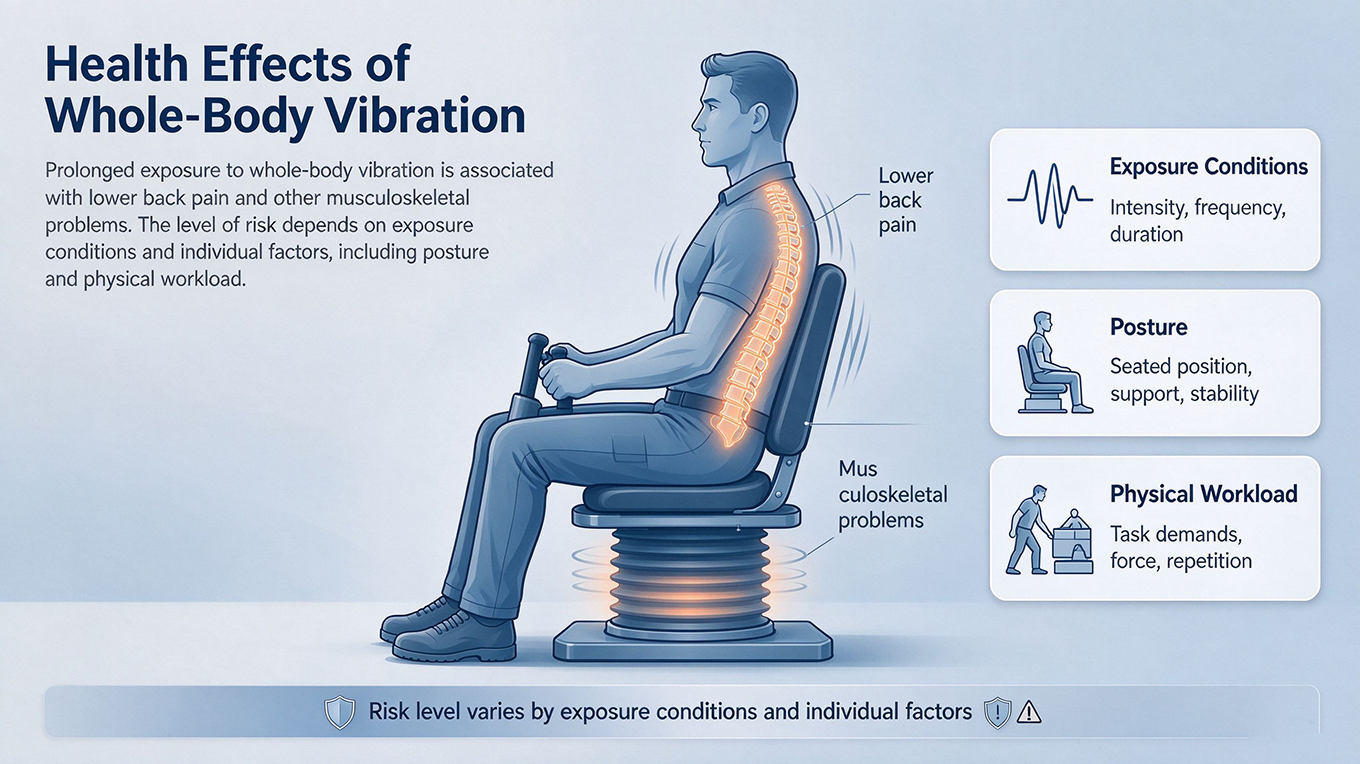
Prolonged exposure to whole-body vibration is associated with lower back pain and other musculoskeletal problems. The level of risk depends on exposure conditions and individual factors, including posture and physical workload.
Vibration can also cause discomfort and fatigue, potentially affecting concentration and operating performance. For workers who spend much of their day driving or operating heavy machinery, these effects can become an important occupational health concern.
Warning signs should not be ignored. Employers should assess vibration exposure alongside other risk factors, such as manual handling, awkward posture and long shifts.
ISO 2631-1 and Workplace Vibration Exposure Limits
ISO 2631-1 provides guidance for evaluating human exposure to whole-body vibration. In the European Union, Directive 2002/44/EC establishes daily exposure action and limit values for workplace vibration.
|
Exposure pathway |
Measurement standard |
EU daily action value A(8) |
EU daily limit value A(8) |
|
Whole-body vibration |
ISO 2631-1 |
0.5 m/s² |
1.15 m/s² |
|
Hand-arm vibration |
ISO 5349-1 |
2.5 m/s² |
5 m/s² |
These figures are EU regulatory values, not universal limits for every country. Employers should verify the applicable local legislation and assessment requirements before using them for compliance decisions.
How Is Daily Vibration Exposure Assessed?
A vibration assessment measures acceleration using an appropriate sensor and evaluates the results in relation to the exposure duration. Daily exposure is commonly expressed as A(8), normalized to an eight-hour working day.
Reliable results depend on representative measurements of actual working conditions. Machine specifications alone cannot establish an operator's daily exposure because terrain, speed, seating and work patterns can significantly affect vibration levels.
Whole-Body vs Hand-Arm Vibration: Know the Difference
Whole-body and hand-arm vibration are different exposure pathways, so they require different measurement setups.
Whole-body vibration: Enters through the seat, feet or supporting surface. Assessment generally follows ISO 2631-1 and requires a suitable whole-body vibration measurement system.
Hand-arm vibration: Enters through the hands when workers operate powered tools or hold vibrating equipment. Assessment generally follows ISO 5349-1.
A worker can experience both types during the same shift. For example, a construction equipment operator may receive vibration through the seat while also holding vibrating controls or tools. Each pathway should be assessed using the appropriate method and equipment.
AWA5937 Review: A Tool for Hand-Arm Vibration Assessment
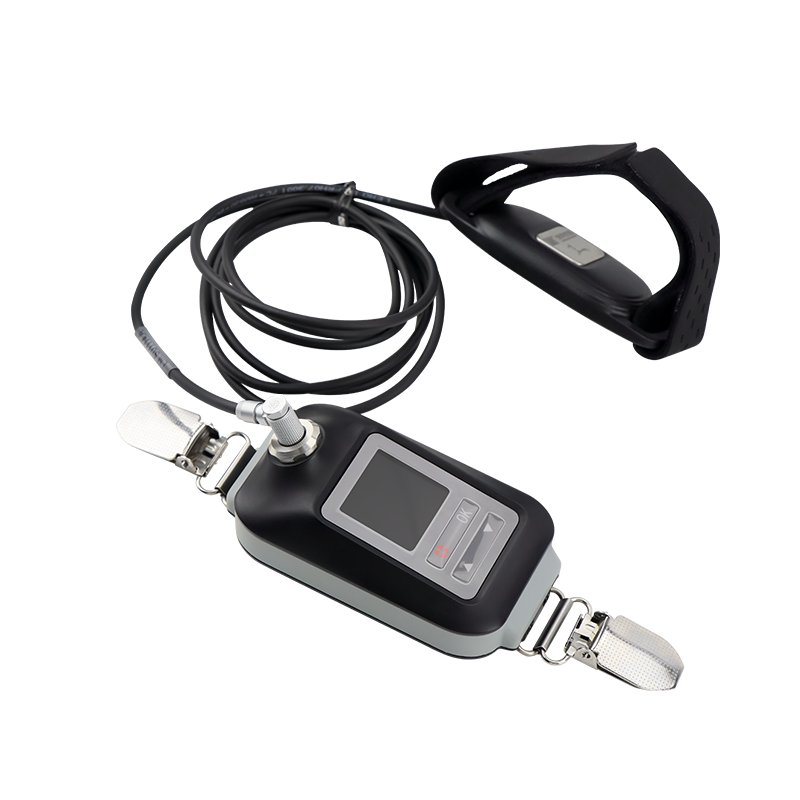
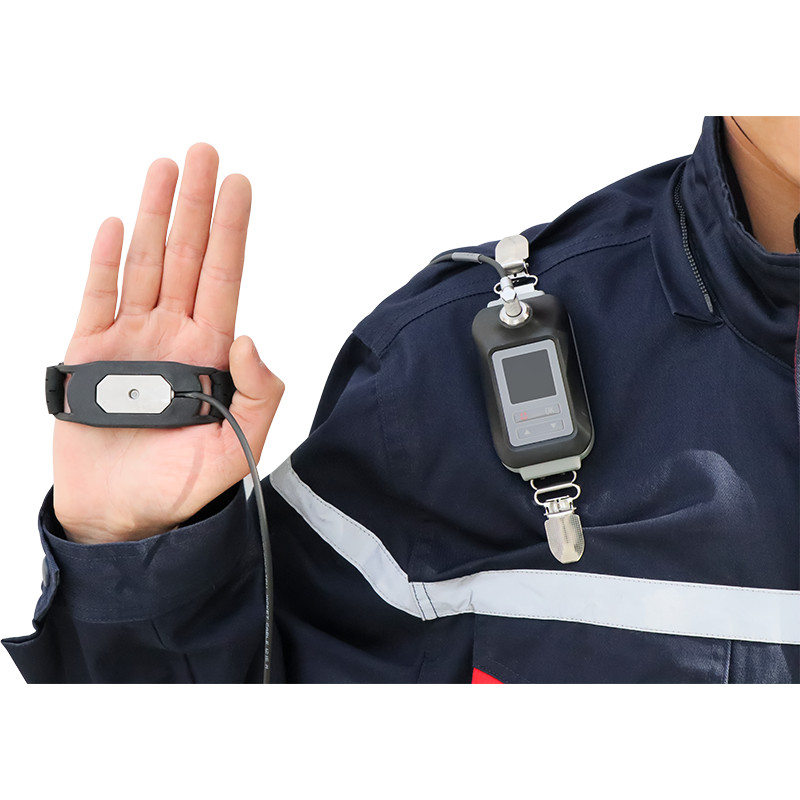
Although the AWA5937 does not replace a dedicated whole-body vibration measurement system, it can help occupational health teams assess hand-transmitted vibration from powered tools and equipment.
Key Features of the AWA5937
|
Feature |
Specification |
|
Measurement focus |
Hand-arm vibration |
|
Standard |
ISO 5349-1:2001, as specified for the instrument |
|
Measurement axes |
Triaxial |
|
Frequency range |
4 Hz to 2,000 Hz |
|
Exposure indicators |
Includes ahw and A(8) |
|
Data storage |
64 GB |
|
Connectivity |
USB Type-C, optional Bluetooth |
|
Display |
1.3-inch TFT color screen |
|
Dimensions |
Approximately 90 × 48 × 37 mm |
|
Weight |
Approximately 113 g |
Its compact design supports on-site measurements in manufacturing, maintenance and occupational health applications. Optional 1/3-octave analysis can provide additional frequency information where required.
The AWA5937 can help users document hand-arm vibration exposure, compare tasks and evaluate whether changes to tools or work practices improve measured conditions. Confirm the selected configuration and reporting functions against your assessment requirements.
Frequently Asked Questions
Q: What is a whole-body vibration hazard?
A: It is the potential health risk associated with vibration transmitted through a seat, floor or other supporting surface into the body.
Q: Which standard covers whole-body vibration?
A: ISO 2631-1 provides guidance for evaluating whole-body vibration. Applicable workplace regulations determine the exposure criteria employers must follow.
Q: Can the AWA5937 measure whole-body vibration?
A: The AWA5937 is designed for hand-arm vibration assessment. Whole-body vibration requires a dedicated measurement setup suitable for ISO 2631-1 assessments.
Take the Next Step in Workplace Vibration Assessment
Effective vibration management starts with identifying the exposure pathway, measuring real working conditions and choosing controls based on the results.
For hand-arm vibration assessment, explore the AWA5937 Hand-Transmitted Vibration Meter.
Contact Aihua Instruments for product specifications and technical guidance on selecting the right vibration measurement solution.
Contact us
blog latest news

Any questions? We look forward to hearing from you.
 Tel: +86-19012832378