


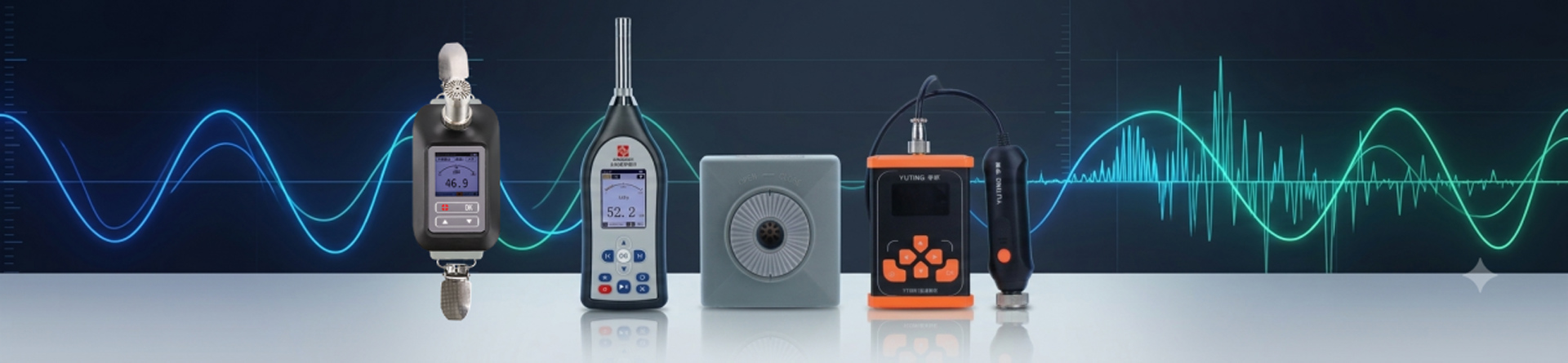
What Does SPL Mean for Sound? Full Guide & Best Meter Pick
If you've ever wondered what does SPL mean for sound, you're not alone. SPL, or sound pressure level, is the standard way engineers, safety officers, and acousticians describe how loud a sound actually is. Whether you're monitoring machinery noise or protecting workers' hearing, understanding SPL — and having the right tool to measure it — is the first step toward a safer, quieter workplace.
What Does SPL (Sound Pressure Level) Mean?
Sound pressure level, abbreviated SPL, measures the local pressure deviation caused by a sound wave, expressed in decibels (dB). Because the human ear detects an enormous range of pressures, SPL uses a logarithmic dB scale rather than a linear one, referenced against 20 micropascals (µPa) — roughly the threshold of human hearing.
SPL vs. Loudness vs. Volume — What's the Difference?
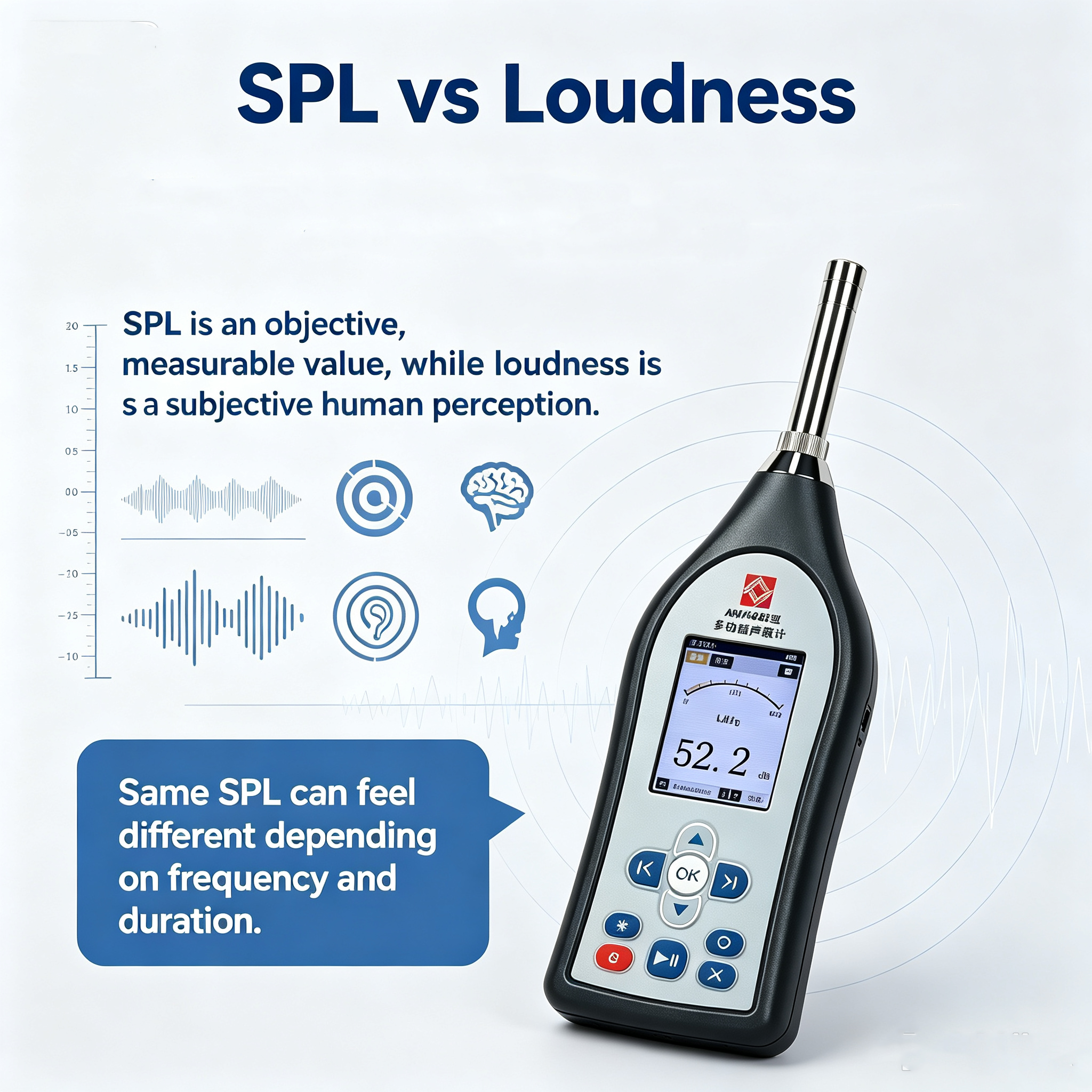
SPL is an objective, measurable value, while "loudness" is a subjective human perception. Two sounds with the same SPL can feel differently loud depending on frequency and duration — which is why proper measurement tools matter more than the ear alone
How Is Sound Pressure Level Actually Measured?
A decibel meter captures fluctuating air pressure through a microphone and converts it into a dB reading. Most instruments apply frequency weighting — A-weighting for general environmental and occupational noise, and C-weighting for peak or impulse sounds — to match how humans actually perceive sound.
Prolonged exposure to high SPL levels causes irreversible hearing damage, which is why regulators track indicators like Leq, Lmax, TWA, and LEX,8h. Accurate industrial noise measurement isn't optional — it's essential for compliance and worker protection.
The Best Sound Level Meter to Measure SPL Accurately: AWA5662
If you need dependable, professional-grade industrial noise measurement, the AWA5662 Multifunctional Sound Level Meter is built to solve real workplace challenges:
- No more guesswork on range settings— its 115 dB ultra-wide linear range measures everything from quiet ambient noise to loud machinery without manual range switching, saving time on every reading.
- Confidence in compliance— certified to IEC61672-1:2013 Class 1 accuracy, so your data holds up for audits, regulatory reporting, and worker safety documentation.
- See results instantly— the 2.4-inch color display shows multiple parameters at once, so technicians can make decisions on the spot instead of processing data later.
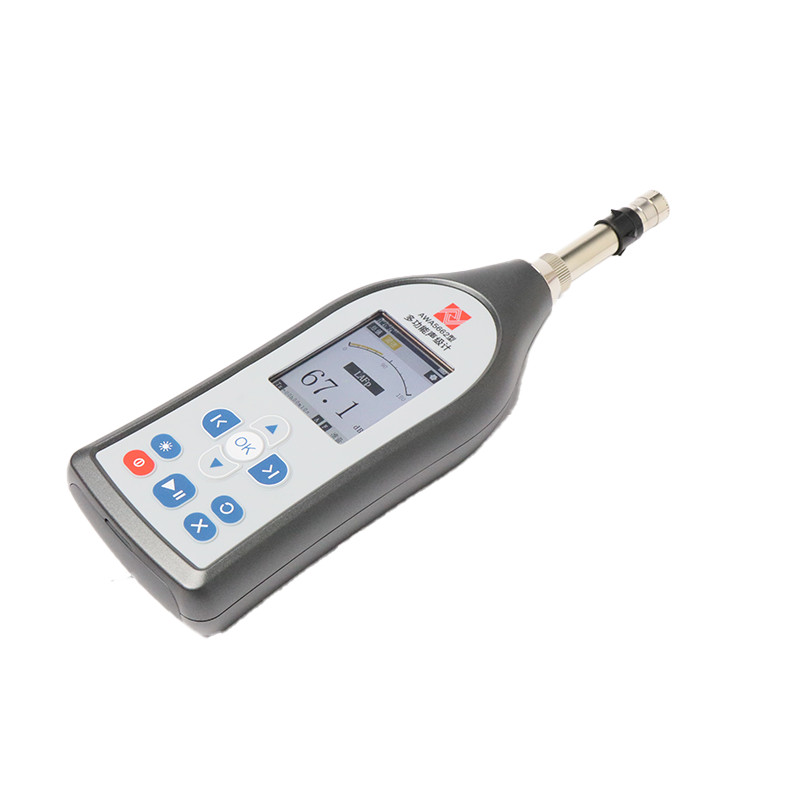
- Never lose a measurement— built-in WAV/MP3 recording and data storage let you export readings for PC analysis, creating a reliable audit trail.
- The right tool for your exact job— available in four configurations (Basic, Integral, Sound Exposure/Dose, and Statistical) so factories only pay for the functionality they actually need, from simple machinery checks to full occupational dose
- Deeper diagnostics when you need them— optional 1/1 and 1/3 octave real-time spectrum analysis helps pinpoint noise sources for engineering fixes.
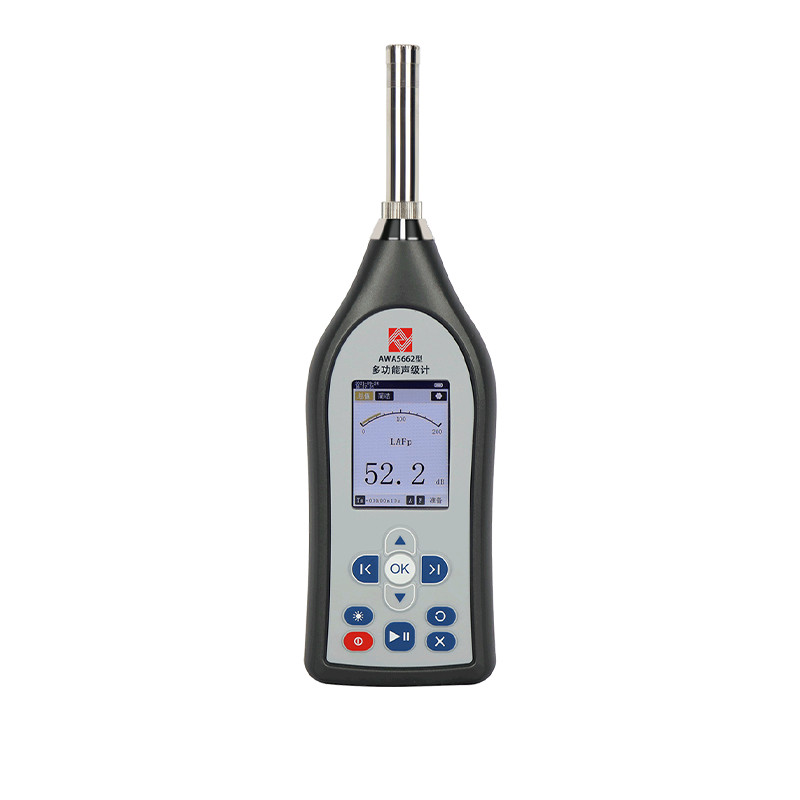
- Built for the field— compact at just 340g, with battery or 5V external power, so it goes wherever your inspection route takes you.
FAQs: What Does SPL Mean for Sound?
Is SPL the same as decibels?
Yes — decibels are the unit used to express sound pressure level.
What SPL level is dangerous?
Sustained exposure above 85 dB can cause hearing damage over time.
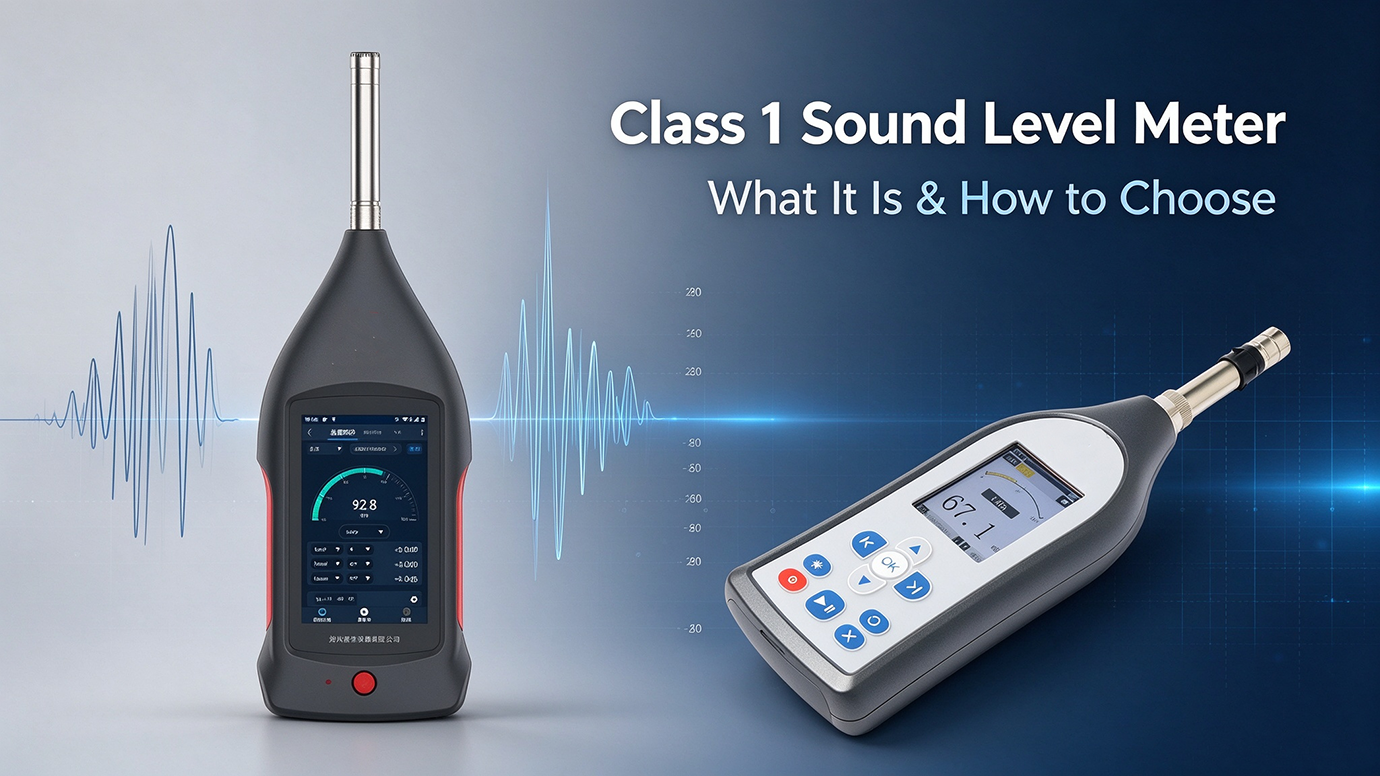
What is a Class 1 sound level meter?
It's the highest accuracy grade under IEC61672-1, suited for legal and industrial measurements.
Summary — Measure Sound the Right Way
Now that you know what does SPL mean for sound, the next step is accurate measurement. The AWA5662 sound level meter delivers Class 1 precision, flexible configurations, and field-ready design — explore it at hzaihua.com to find the right solution for your facility.
blog latest news

Any questions? We look forward to hearing from you.
 Tel: +86-19012832378