


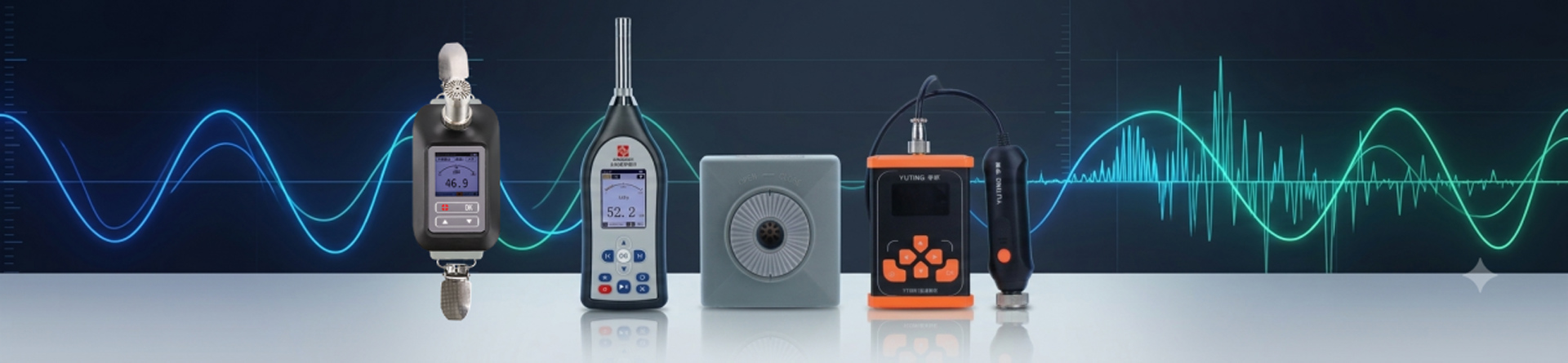
Noise Control Measures in the Workplace: Reduce Exposure and Protect Hearing
Excessive workplace noise can cause permanent hearing loss, increase fatigue and interfere with communication. For manufacturers and industrial facilities, effective noise control measures in the workplace are essential for protecting employees and maintaining a safer working environment.
The first step is to identify noise sources and assess occupational exposure. The next is to implement suitable controls and verify their effectiveness through reliable measurements. This guide explains practical noise reduction methods and how the Aihua AWA5920 wearable noise dosimeter supports personal noise exposure monitoring.
Identify Workplace Noise Hazards
Common sources of occupational noise exposure include industrial machinery, compressors, ventilation systems, pneumatic tools and metal stamping equipment.
A workplace noise assessment should identify noisy equipment, map high-noise areas and determine which employees face the greatest exposure. However, area measurements alone may not reflect individual exposure when workers move between different locations.
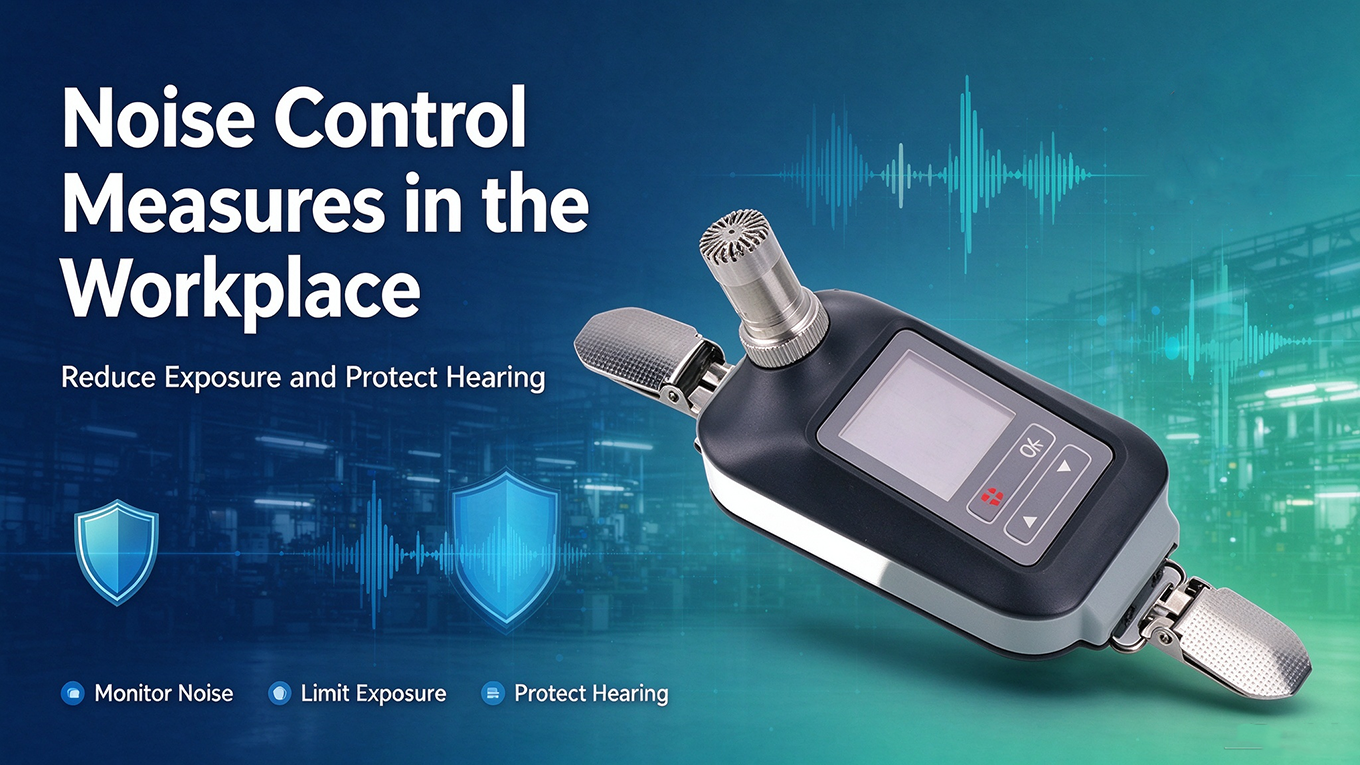
A noise dosimeter helps monitor personal exposure over a working shift, providing valuable data for evaluating occupational noise risks.
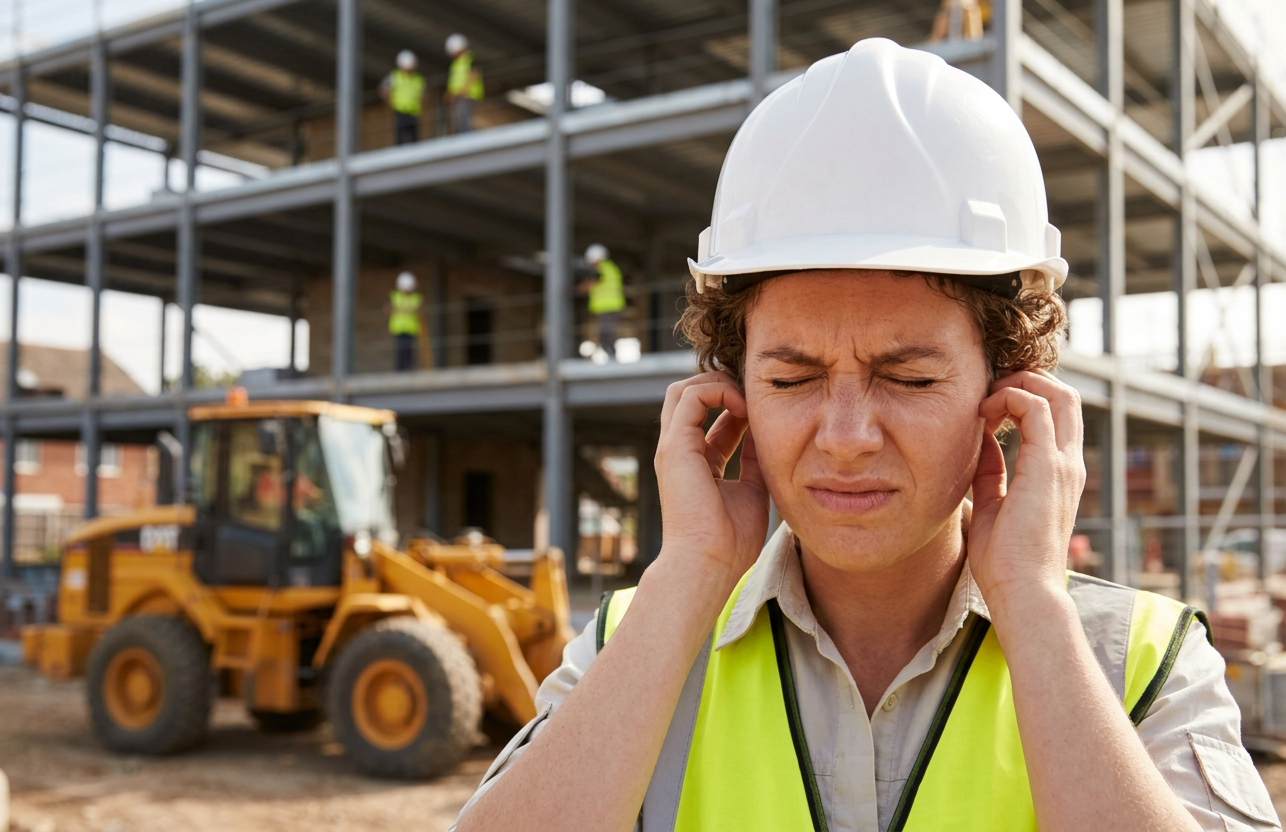
Five Effective Noise Control Measures in the Workplace
The hierarchy of controls prioritizes reducing noise at its source before relying on administrative measures or hearing protection.
1. Eliminate or Replace Noisy Equipment
Where practical, replace noisy machinery with quieter alternatives or adopt production processes that generate less noise. Including noise emission specifications in purchasing decisions can prevent future problems.
2. Apply Engineering Controls
Engineering controls for noise reduce sound generation or transmission. Common solutions include:
Acoustic enclosures and barriers
Vibration isolation and damping materials
Silencers for compressed-air exhausts
Regular equipment maintenance
Sound-absorbing treatments for reflective surfaces
The best solution depends on whether noise originates from machinery, vibration or sound transmission through the surrounding environment.
3. Improve Workplace Layout
Position noisy equipment away from occupied workstations where possible. Acoustic partitions and suitable sound-absorbing materials can also help reduce noise exposure in production areas.
Remember that sound absorption reduces reflections, while barriers and enclosures help limit sound transmission.
4. Reduce Exposure Duration
Administrative controls include scheduling noisy operations during quieter periods, restricting access to high-noise areas and organizing work to limit unnecessary exposure.
Under an equal-energy exposure model using a 3 dB exchange rate, halving exposure duration at a constant sound level reduces accumulated exposure by approximately 3 dB in equivalent exposure terms. Actual compliance calculations must follow the applicable regulations.
5. Provide Appropriate Hearing Protection
Earplugs and earmuffs provide additional protection when hazardous exposure remains. Employers should select suitable protectors, ensure correct fitting and train employees in proper use.
Hearing protection should complement engineering controls rather than replace feasible noise reduction measures.
AWA5920 Wearable Noise Dosimeter: Key Features
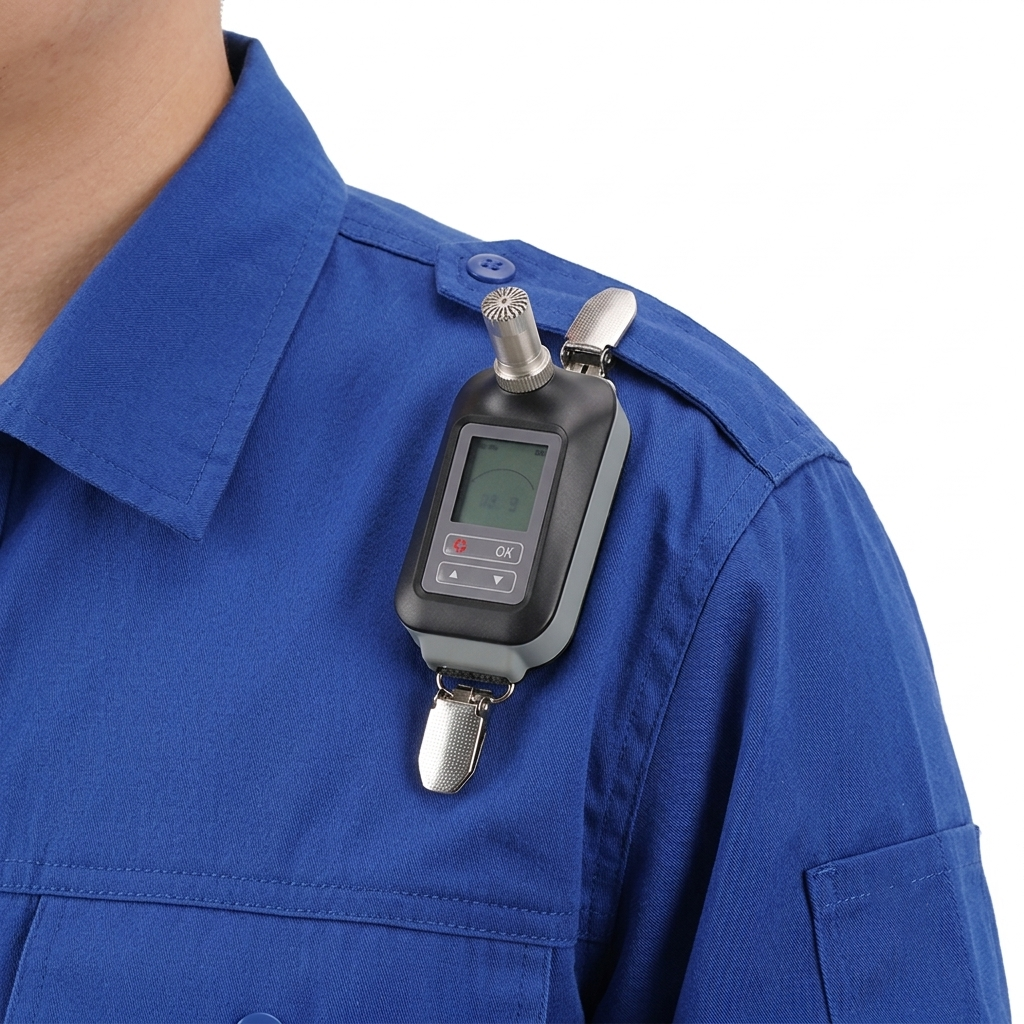
The Aihua AWA5920 Wearable Noise Exposure Dosimeter is designed for personal noise monitoring in industrial and occupational environments.
Key features include:
Measurement range: 51–142 dB(A), with a specified 145 dB(C) peak capability.
Environmental protection: IP65-rated protection.
Noise dose assessment: Supports 3 dB and 5 dB exchange-rate settings.
Data storage: 64 GB storage capacity.
Connectivity: USB, with optional Bluetooth and 4G.
Frequency analysis: 1/1 octave and 1/3 octave analysis.
Peak event assessment: Peak counts above 120, 130 and 140 dB.
These functions help safety professionals collect exposure data, investigate noise characteristics and document workplace assessments.
The instrument's exact accuracy class, hazardous-area certification and available options should be confirmed against the required configuration before purchase.
Practical Application: Monitoring Noise Reduction
Consider a metalworking plant where stamping machines generate excessive noise. The company installs acoustic enclosures and adjusts work procedures to reduce employee exposure.
First, selected workers wear the AWA5920 during representative shifts to establish baseline exposure. After the controls are implemented, follow-up measurements are conducted under comparable working conditions.
The safety team then compares the results, reviews differences in work activities and determines whether further action is necessary.
This approach helps turn workplace noise control into a measurable improvement process rather than relying on subjective observations.
Frequently Asked Questions
What Are the Most Effective Workplace Noise Control Measures?
Prioritize quieter equipment and engineering controls such as acoustic enclosures, vibration isolation and silencers. Administrative controls and hearing protection help manage remaining risks.
What Noise Level Requires Action at Work?
Requirements vary by jurisdiction. For example, US OSHA's general-industry standard uses an 85 dBA eight-hour time-weighted average as the threshold for a hearing conservation program. Always check the regulations applicable to your workplace.
When Should I Use a Noise Dosimeter?
A noise dosimeter is particularly useful when employees move between different work areas or perform multiple tasks during a shift. It helps assess personal noise exposure over time.
Conclusion: Make Workplace Noise Control Measurable
Effective noise control measures in the workplace combine risk assessment, engineering improvements, appropriate hearing protection and follow-up measurements.
The Aihua AWA5920 wearable noise dosimeter supports personal noise exposure monitoring and helps safety professionals evaluate workplace noise control programs.
Looking for a noise dosimeter for occupational exposure monitoring?
Contact Hangzhou Aihua Instruments Co., Ltd. for product specifications, configuration advice and quotations.
Contact us
Explore the AWA5920 Wearable Noise Exposure Dosimeter to find a solution for your workplace noise assessment needs.
blog latest news

Any questions? We look forward to hearing from you.
 Tel: +86-19012832378