


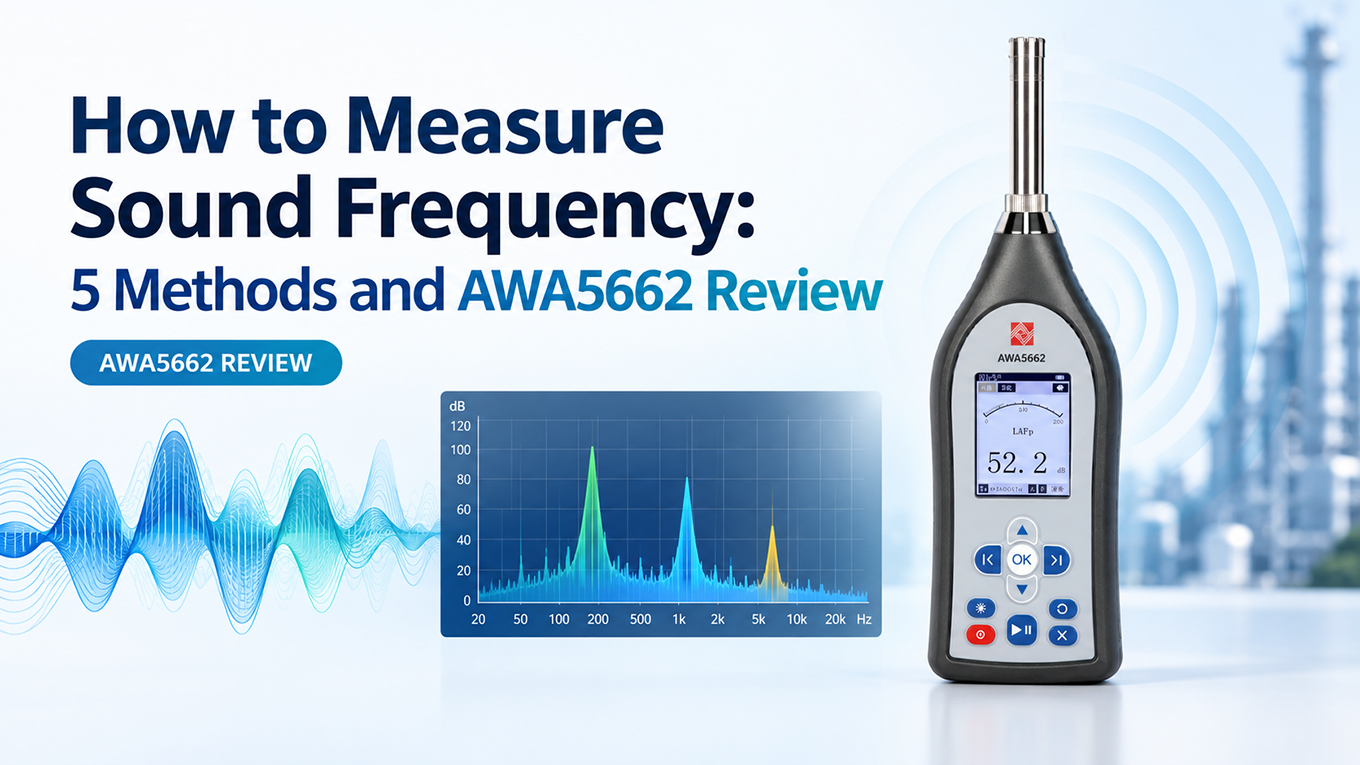
How to Measure Sound Frequency: 5 Methods and AWA5662 Review
A noise reading of 85 dB tells you how loud a sound is, but not which frequencies dominate it. Understanding how to measure sound frequency helps identify tonal noise, investigate machinery problems and select effective noise control measures.
This guide introduces five measurement methods and reviews the AWA5662 multifunctional sound level meter for professional noise analysis.
What Is Sound Frequency and Why Does It Matter?
Sound frequency is the number of vibration cycles per second, measured in hertz (Hz). It determines the pitch of a sound. Low frequencies may sound like a rumble, while high frequencies often produce a whistle or squeal. Human hearing typically covers approximately 20 Hz to 20 kHz.
Frequency measurement helps engineers identify noise sources, investigate abnormal machinery sounds and determine which frequency bands require attention. Combined with sound pressure level measurements, it provides a more complete understanding of noise problems.
How to Measure Sound Frequency: 5 Methods
1. Use a Sound Level Meter
A calibrated Class 1 sound level meter measures sound pressure levels using a precision microphone. A, C and Z frequency weightings describe different frequency responses, but they do not identify exact frequency peaks. For frequency distribution, choose a meter with spectrum analysis functions.
2. Use Octave-Band Analysis
Octave-band analysis divides sound into frequency bands and reports the level in each band. 1/1-octave analysis provides an overview, while 1/3-octave analysis offers finer detail for noise assessment and troubleshooting.
3. Use FFT Analysis
Fast Fourier Transform (FFT) analysis converts sampled audio into a frequency spectrum, helping identify dominant frequency peaks. Record the sound with a suitable microphone, process the signal using FFT software and examine the spectrum.
4. Use an Oscilloscope
For a simple periodic signal, measure the time required for one cycle and calculate frequency using:
Frequency (Hz) = 1 ÷ Period (seconds)
This method works best for relatively clean signals rather than complex environmental or machinery noise.
5. Use a Smartphone App
Smartphone apps can provide preliminary checks, but phone microphones are not generally calibrated for professional acoustic measurements. For compliance assessments and technical reports, use appropriate measurement equipment.
|
Method |
Best Application |
|
Class 1 sound level meter |
Professional noise surveys |
|
Octave-band analysis |
Noise assessment and control |
|
FFT analysis |
Identifying frequency peaks |
|
Oscilloscope |
Simple periodic signals |
|
Smartphone app |
Preliminary checks |
AWA5662 Review: Professional Sound Frequency Measurement
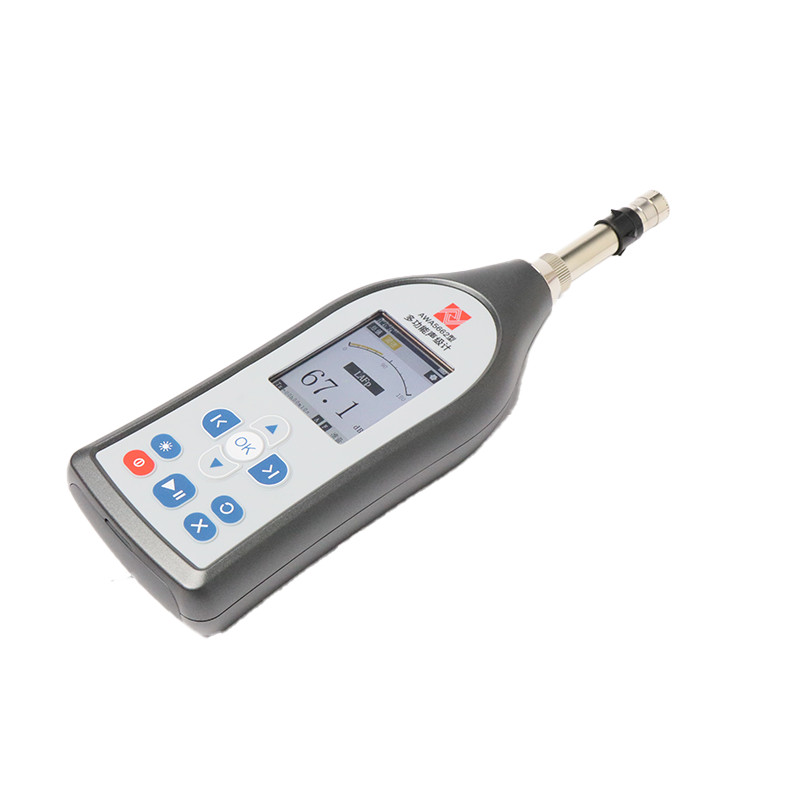
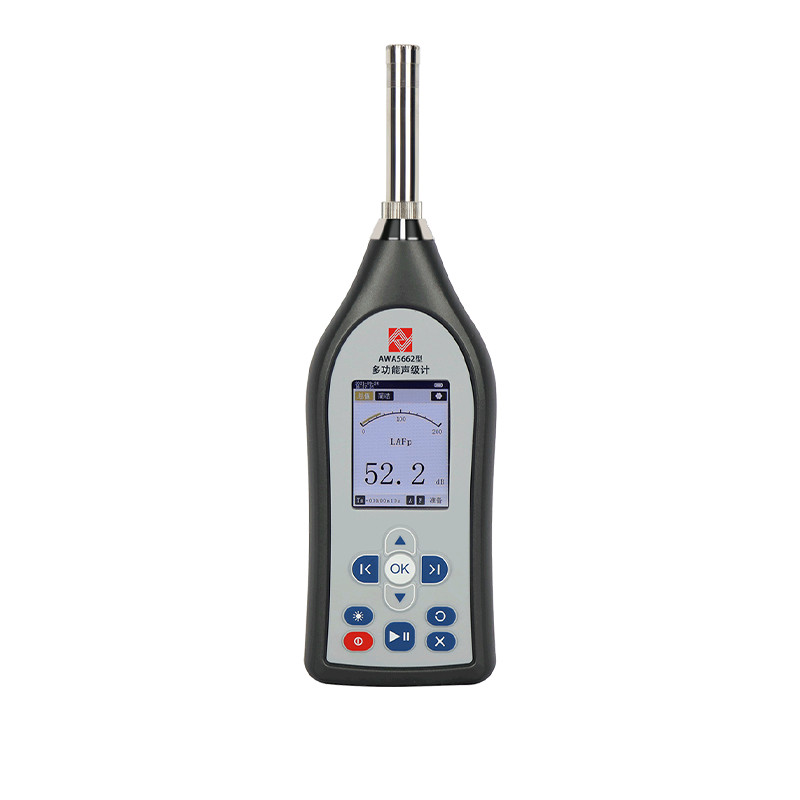
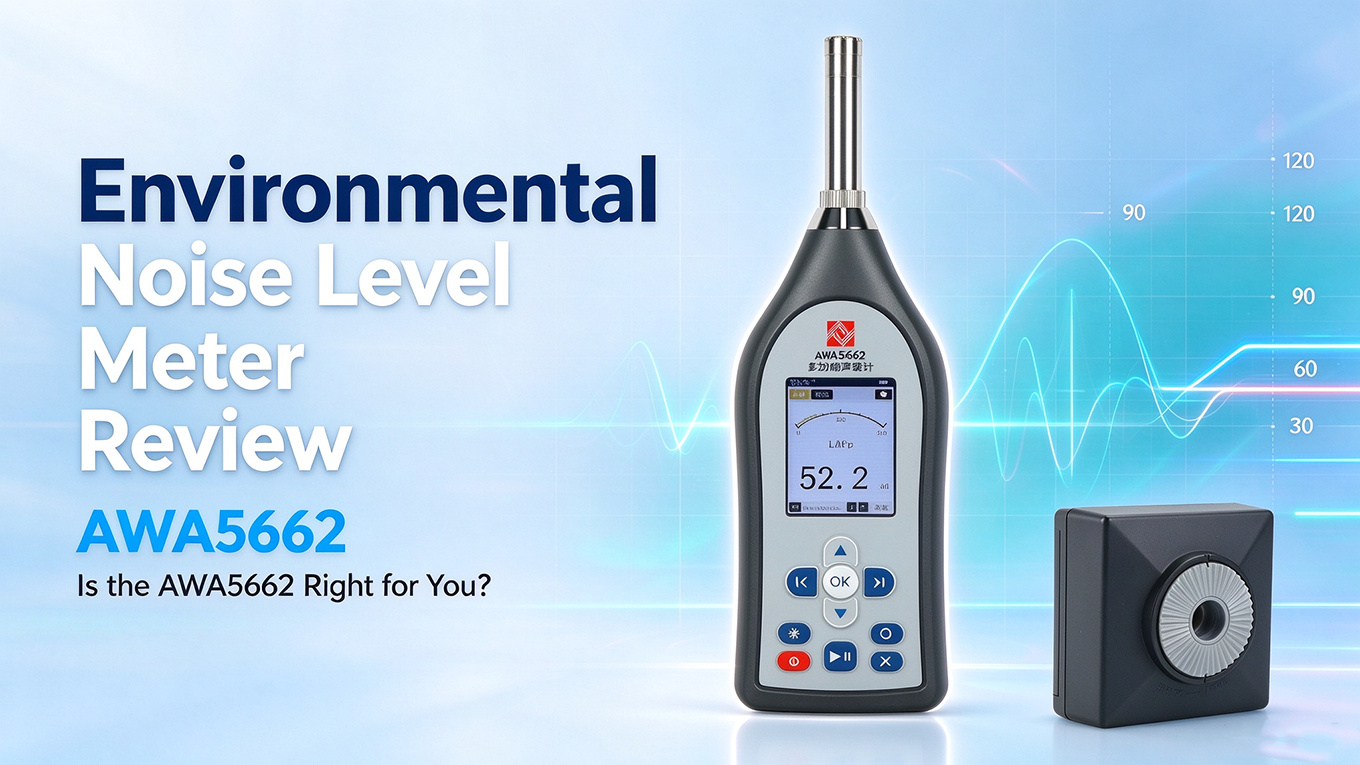
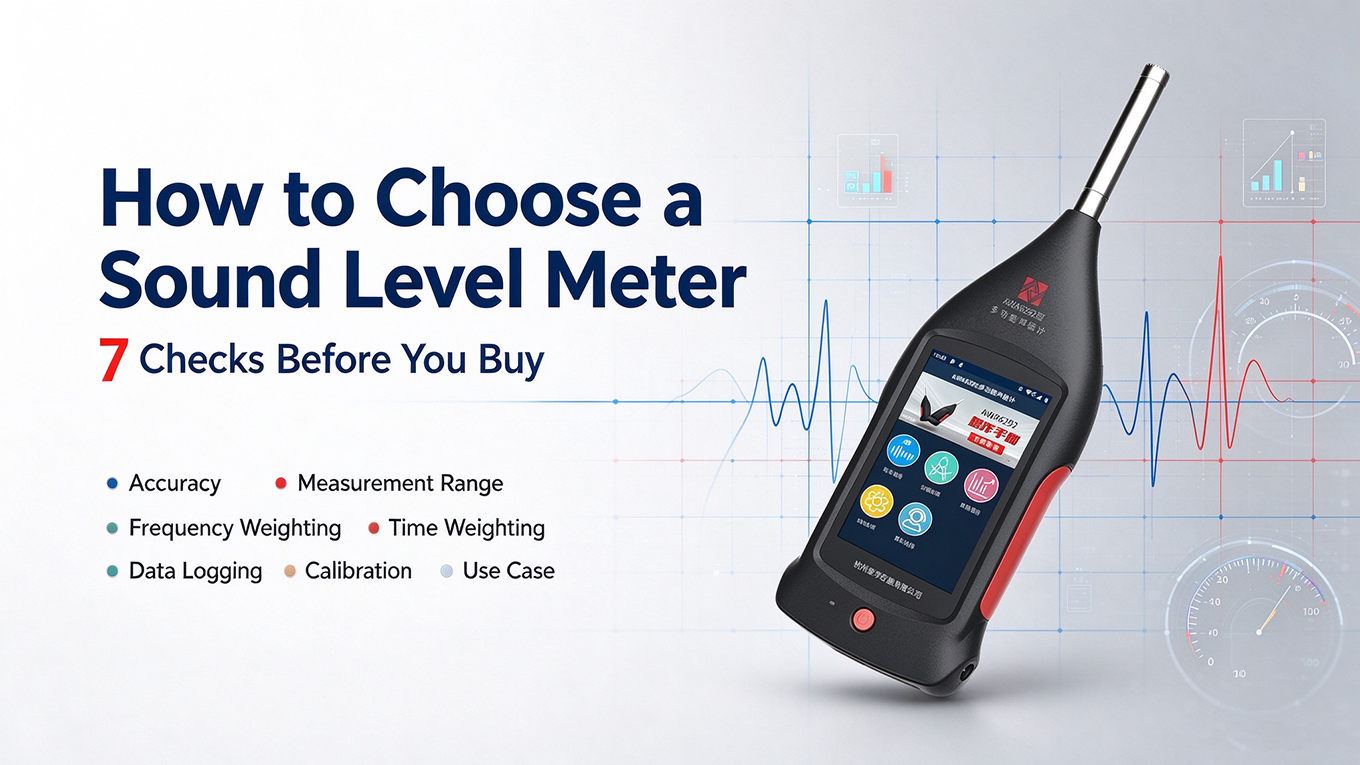
The AWA5662 Class 1 sound level meter is designed for industrial and environmental noise measurement. With optional octave-band analysis and recording, it supports routine sound level surveys and more detailed frequency investigations.
Key Specifications
|
Specification |
AWA5662 |
|
Measurement range |
25–140 dB(A) |
|
Linear range |
115 dB |
|
Frequency range |
10 Hz–20 kHz |
|
Frequency weighting |
A, C, Z |
|
Spectrum analysis |
Optional 1/1- and 1/3-octave filters |
|
Display |
2.4-inch color screen |
|
Weight |
Approximately 340 g |
|
Power supply |
Four AA batteries or external 5 V |
The AWA5662 complies with IEC 61672-1:2013 Class 1 and IEC 61260-1:2014 Class 1 for the relevant functions.
Its 115 dB linear range without manual range switching simplifies measurements when sound levels fluctuate. Optional octave-band filters display frequency-band levels in real time, while supported recording functions allow signals to be transferred to a computer for further analysis.
Which AWA5662 Configuration Should You Choose?
|
Model |
Configuration |
Typical Application |
|
AWA5662-0 |
Basic |
General sound level checks |
|
AWA5662-1 |
Integral measurement |
Fluctuating noise and Leq assessments |
|
AWA5662-2 |
Sound exposure |
Occupational noise exposure |
|
AWA5662-3 |
Statistical |
Environmental noise studies |
Available functions vary by configuration. Confirm octave-band analysis, recording and storage options when ordering.
Microphone Options
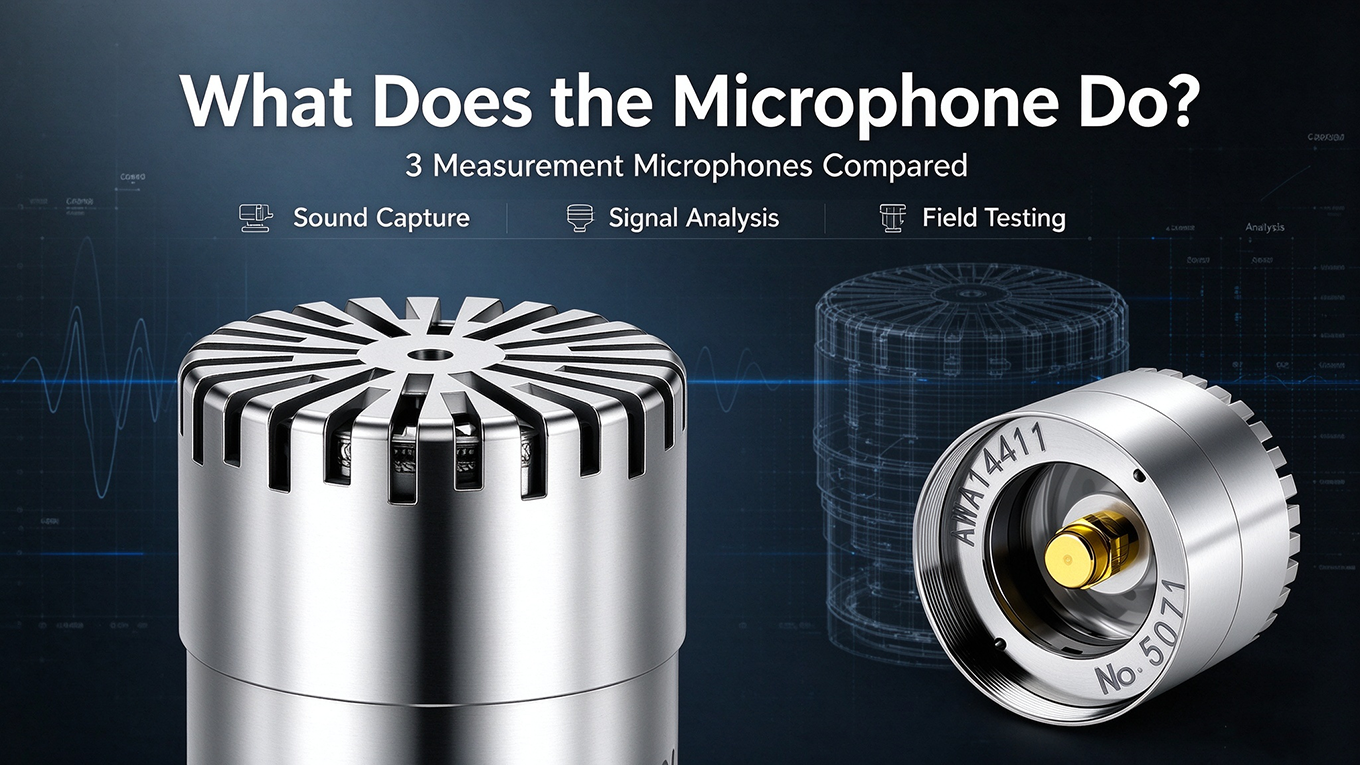
Microphone selection affects measurement range and system performance. The AWA14411 is designed for low-noise measurements, while compatible high-level microphone options, such as the AWA14521 and AWA14434, may suit louder environments. Confirm the frequency response, maximum sound pressure level and compatibility for your application.
Where Can You Use the AWA5662?
Factory machinery: Investigate tonal noise and compare frequency-band levels.
Industrial boundaries: Measure fluctuating noise and evaluate integrated levels.
Construction sites: Monitor changing noise from equipment and operations.
Workplace assessments: Measure occupational noise exposure using the appropriate configuration.
Environmental surveys: Collect data for noise assessment and reporting.
Tips for Accurate Sound Frequency Measurement
Check the instrument using a suitable sound level calibrator before and after measurement.
Use a windscreen outdoors when appropriate and avoid reflective surfaces near the microphone.
Select the analysis method and frequency resolution required for your task.
Record variable noise when supported by your instrument configuration.
For FFT analysis, check sampling rate and frequency resolution.
Frequently Asked Questions
Q: What unit measures sound frequency?
A: Hertz (Hz), equivalent to one cycle per second.
Q: Can a sound level meter measure frequency?
A: A meter with octave-band analysis can show sound levels across frequency bands. Identifying exact frequency peaks generally requires FFT or another suitable spectral analysis method.
Q: What is 1/3-octave analysis?
A: It divides sound into narrower frequency bands than 1/1-octave analysis, providing more detailed information for noise investigation.
Q: Is the AWA5662 suitable for frequency analysis?
A: The AWA5662 supports optional 1/1- and 1/3-octave analysis. For precise frequency peaks, recorded signals can be analyzed using suitable FFT software when the selected configuration supports recording.
Choose the Right Tool for Sound Frequency Measurement
Effective frequency measurement depends on matching the method to the application. Octave-band analysis helps identify problematic frequency bands, while FFT analysis reveals individual frequency peaks.
The AWA5662 combines Class 1 sound level measurement with optional spectrum analysis and recording in a portable instrument for industrial and environmental noise surveys.
Contact Aihua Instruments for technical advice and the right AWA5662 configuration.
Contact us
blog latest news

Any questions? We look forward to hearing from you.
 Tel: +86-19012832378