


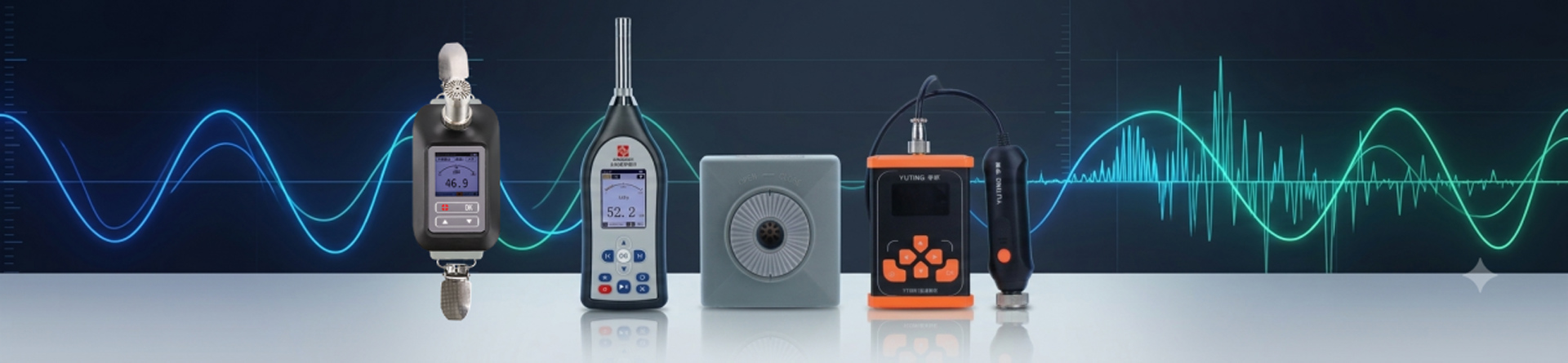
How to Calibrate an Accelerometer Fast: ACE5003 Review
Vibration data is only as trustworthy as the sensor behind it. If you need to know how to calibrate an accelerometer without sending every sensor back to a lab, this guide compares the main methods, walks through a quick on-site procedure, and reviews the ACE5003 handheld vibration calibrator.
Why Accelerometer Calibration Matters
Accelerometer calibration sets a sensor's sensitivity (mV/g or pC/g), so its electrical output corresponds to real vibration. Age, shock and cable damage can shift that sensitivity. The result is false alarms, or faults that go unnoticed in condition monitoring. Most teams run a lab calibration about once a year and add quick on-site accelerometer calibration checks in between.
How to Calibrate an Accelerometer: 4 Proven Methods
Static six-position method. Place the sensor in ±X, ±Y and ±Z orientations and compare each reading with 1 g to find bias and scale. It suits MEMS and embedded projects, but it cannot verify vibration performance.
Back-to-back comparison. The sensor under test is mounted to a traceable reference accelerometer on a shaker. It works across a wide frequency range, but it needs a shaker, a controller and a lab.
Absolute (laser) methods. Primary calibration under the ISO 16063 series is done by metrology labs and gives the highest accuracy.
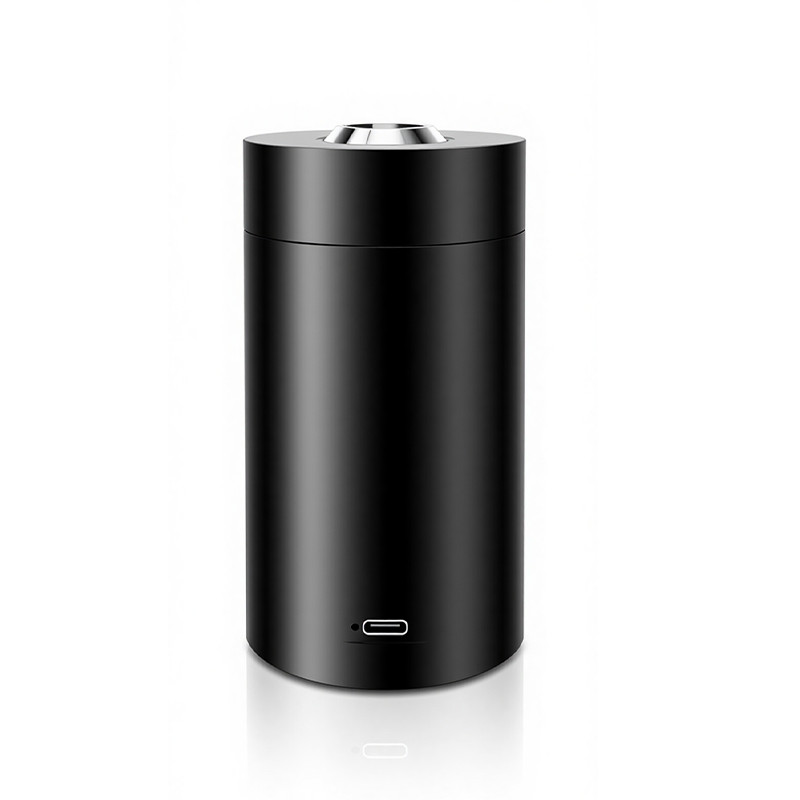
Portable vibration calibrator. A handheld exciter produces a known reference level, so you can verify accelerometer sensitivity calibration right at the machine.
|
Method |
Best for |
Equipment |
Limitation |
|
Static six-position |
MEMS, DIY, embedded |
Level surface or jig |
No dynamic check |
|
Back-to-back |
Lab calibration |
Shaker, reference sensor |
Costly, not portable |
|
Absolute (laser) |
Metrology labs |
Interferometer |
Specialist only |
|
Handheld calibrator |
Field verification |
Portable calibrator |
Fixed reference point |
For routine checks of industrial sensors, the handheld route is usually the fastest.
How to Calibrate an Accelerometer with the ACE5003: 5 Easy Steps
- Charge the calibrator and gather your sensor, cable and vibration meter. Work between 0 and 40 °C.
- Fix the sensor to the platform with the M5 bolt or a magnetic mount. Keep the load at or below 100 g.
- Power on.The unit is ready in under 20 seconds.
- The reference is 159.2 Hz at 10 m/s² RMS, which is also 10 mm/s velocity and 0.01 mm displacement.
- Compare and record.Check your meter against the reference, adjust sensitivity if needed, and log the date.
ACE5003 Review: What Problems Does It Solve?
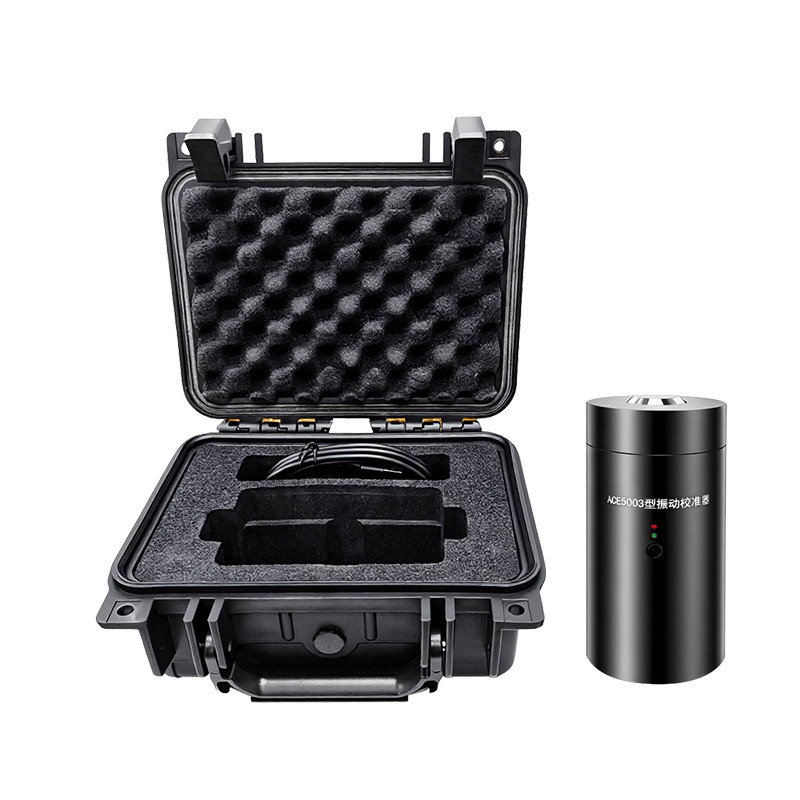
You need to check sensors without leaving the plant. At about 510 g with more than 2.5 hours of battery life, the ACE5003 goes to the machine instead of the sensor going to the lab.
You use different sensor types. M5 and magnetic mounting cover most small accelerometers.
|
Specification |
Value |
What it means for you |
|
Reference output |
159.2 Hz, 10 m/s² RMS |
Stable, repeatable check point |
|
Total distortion |
Under 3% |
Cleaner vibration sensor calibrator signal |
|
Lateral vibration |
Under 5% |
Less error from off-axis motion |
|
Warm-up |
Under 20 s |
Fast field use |
|
Weight |
About 510 g |
Easy to carry |
One limitation: it is a single-point sensitivity check, not a full frequency-response calibration. Keep your periodic lab calibration if you need accredited certificates.
Real-World Applications & Use Cases
Plant Maintenance Teams: Instantly troubleshoot suspicious readings on critical rotating equipment without uninstalling sensor cables back to a lab.
Sensor Manufacturers & Distributors: Conduct rapid end-of-line quality checks and pass/fail testing prior to shipment.
Vibration Analyzer Users: Periodically verify the accuracy of handheld meters and human-body vibration monitoring devices to avoid instrument drift.
FAQ
Can I calibrate an accelerometer without a shaker?
Yes. Static tilt tests give bias and scale. For vibration sensitivity, a handheld calibrator is the practical alternative.
Why 159.2 Hz?
At this frequency, acceleration converts easily to velocity and displacement, so one reference serves all three measurements.
How often should I check my sensors?
Calibrate in a lab about yearly, and run quick on-site checks more often for critical measurements.
Summary
Choose the method that fits your risk: static tests for hobby sensors, shaker comparison for lab work, and a handheld unit for fast field verification. The ACE5003 gives maintenance teams and sensor makers a portable, standards-compliant way to confirm accelerometer calibration on the spot.
Ready to calibrate on site?
Contact us
blog latest news

Any questions? We look forward to hearing from you.
 Tel/ Whatsapp: +86-19012832378