


How to Calculate Sound Pressure Level: Formula & Tools (2026)
Ever stood next to a roaring machine on the factory floor and wondered just how loud it actually is? Calculating sound pressure level is the key to turning that guesswork into a precise, actionable number — and it matters whether you're protecting workers' hearing or meeting environmental noise regulations.
What Is Sound Pressure Level (SPL) and How Is It Measured?
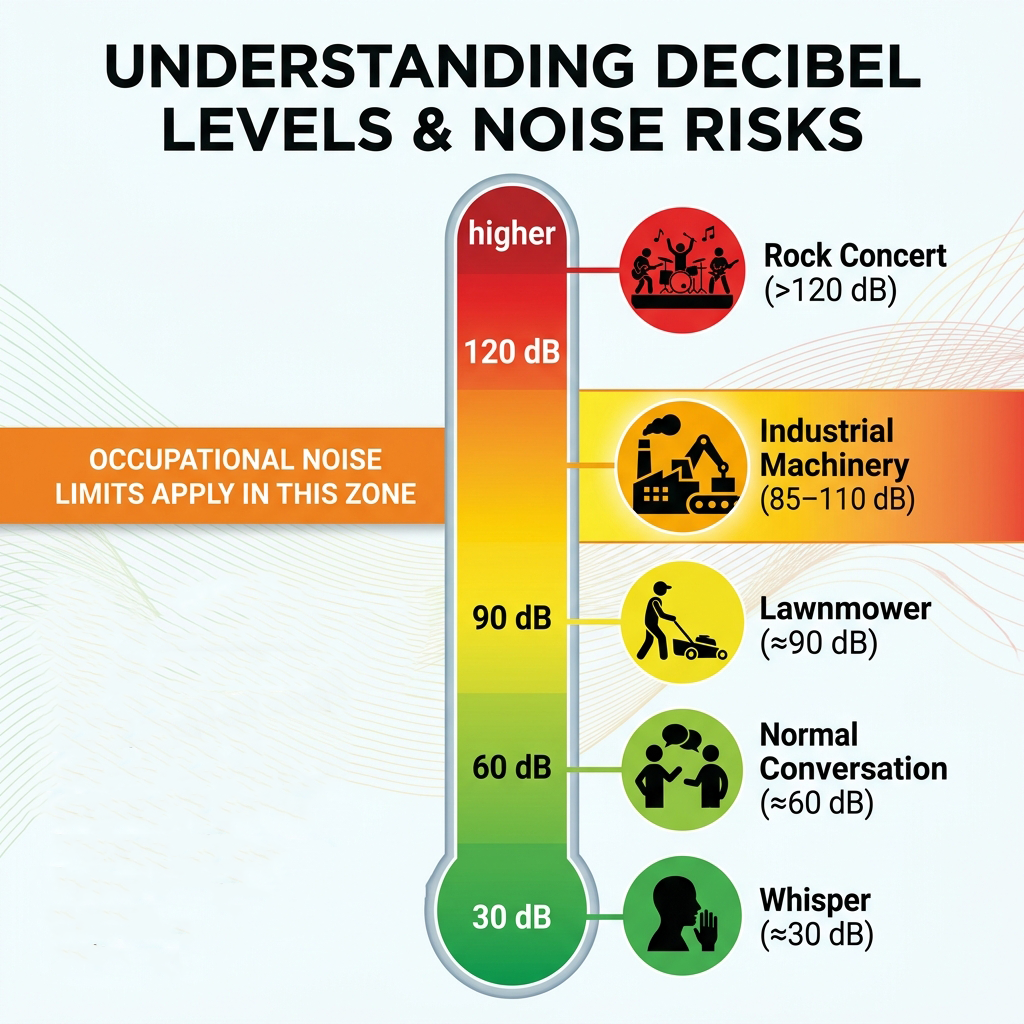
Sound pressure level describes how loud a sound is relative to a fixed reference point — the quietest sound the human ear can detect. It's expressed in decibels (dB), a logarithmic unit that compresses a huge range of physical pressures into numbers we can easily compare.
The 20 µPa Reference Point
Every SPL formula starts from the same benchmark: 20 micropascals (μPa), the approximate hearing threshold at 1 kHz. This reference value is what all other sound pressure readings are measured against.
How to Calculate Sound Pressure Level Step by Step
The Sound Pressure Level Formula
The standard sound pressure level formula is:
Lp = 20 × log₁₀(p / p₀)
Where Lp is the sound pressure level in dB, p is the measured sound pressure (in pascals), and p₀ is the reference pressure (20 µPa).
A Worked Example:
Say a machine produces a sound pressure of 2 Pa. Plugging that into the formula: Lp = 20 × log₁₀(2 / 0.00002) ≈ 100 dB. That single calculation tells you instantly how this noise compares to the hearing-damage threshold.
Combining Multiple Noise Sources:
Factory floors rarely have just one noise source. When a pump measures 88 dB(A) and a nearby motor adds 85 dB(A), you can't simply add the numbers — decibels combine logarithmically, typically producing a combined level only 1–2 dB higher than the louder source alone.
Common Sound Pressure Levels: A Quick Reference
A whisper sits around 30 dB, normal conversation around 60 dB, a lawnmower around 90 dB, and a rock concert can exceed 120 dB. Industrial machinery frequently falls in the 85–110 dB range — squarely in the zone where occupational noise limits apply.
Why Accurate SPL Calculation Matters for Industrial Compliance
Manual calculations are useful for understanding the theory, but real workplaces need continuous tracking of metrics like Leq (equivalent level), Lmax, TWA (time-weighted average), and LEX,8h — figures that are impractical to compute by hand across an 8-hour shift. This is where dedicated sound level meter instruments become essential for both worker safety and regulatory compliance.
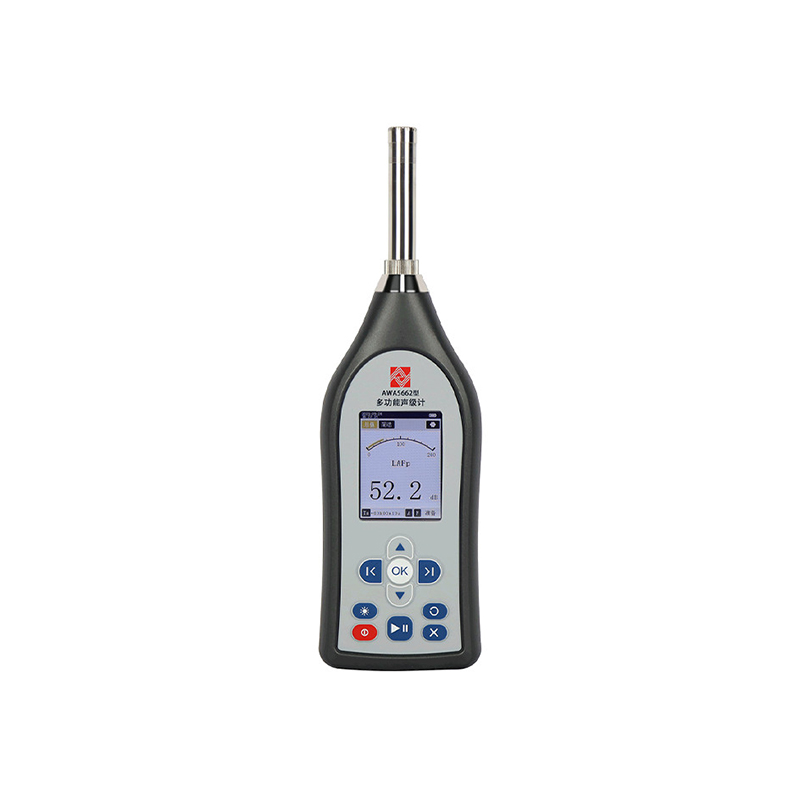
Skip the Manual Math: Measure SPL Instantly With the AWA5662
If your job means tracking noise on a factory floor, at a plant boundary, or across a full work shift, doing the SPL formula by hand every time isn't realistic — you need an instrument that does the industrial noise measurement for you, accurately and on demand.
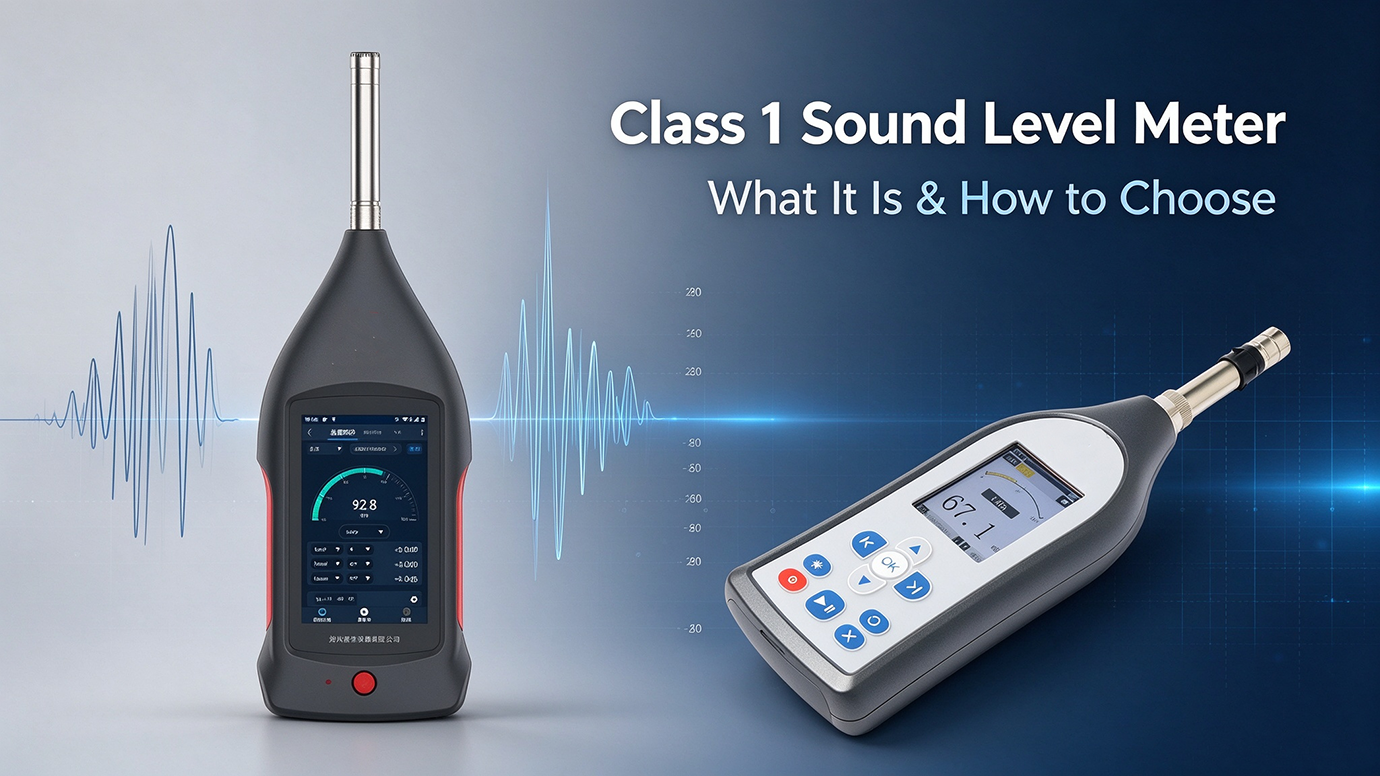
The AWA5662 multifunctional sound level meter is built exactly for that. Its 115 dB ultra-wide linear range means you never have to stop and manually switch ranges mid-measurement — whether you're checking a quiet office or a screaming compressor. With Class 1 accuracy compliant to IEC61672-1:2013, your readings hold up for official compliance reporting, not just informal checks.
Different jobs need different data, so the AWA5662 comes in four configurations: the Basic Type for straightforward machinery noise, the Integral Measurement Type for fluctuating boundary noise with full data logging, the Sound Exposure (Dose) Type for tracking worker exposure against Leq, TWA, and LEX,8h limits, and the Statistical Type for deeper environmental and equipment noise research. Add optional 1/1 and 1/3 octave real-time spectrum analysis, and you can pinpoint exactly which frequencies are driving a noise problem — not just how loud it is overall.
Read moreBuilt-in WAV/MP3 recording and data export let you document evidence for audits or engineering reports, while the compact 340 g body and 2.4-inch color display make it easy to carry and read on the move.
3 Tips for Reliable Sound Pressure Level Readings
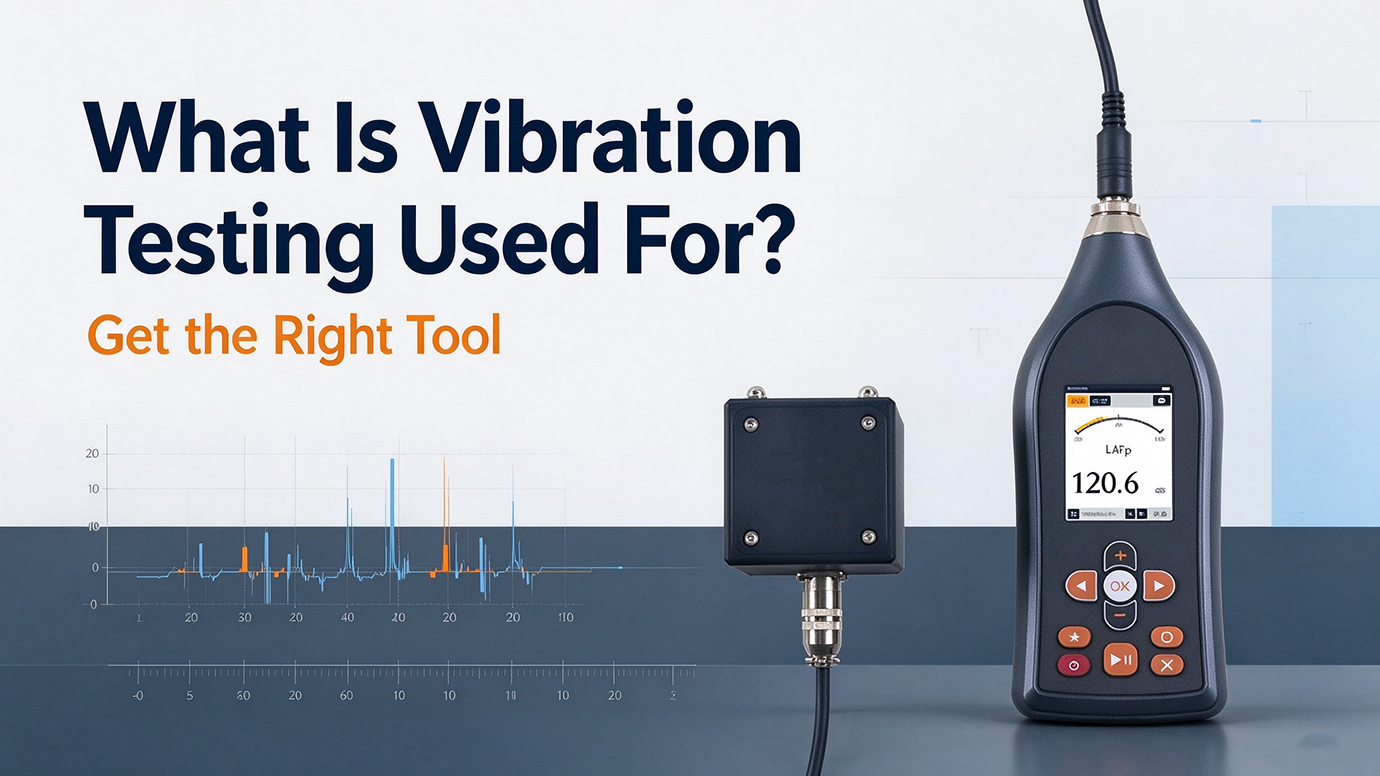
Calibrate your meter before every measurement session to keep results trustworthy. Match your microphone to the sound range you're measuring — low-level ambient noise and high-level machinery noise need different microphone sensitivities for accurate decibel calculation.
Final Thoughts
Calculating sound pressure level starts with a simple logarithmic formula, but real industrial environments demand more than manual math — they demand precision, compliance, and reliable data logging. The AWA5662 delivers all three in one portable device.
Explore the AWA5662 Sound Level Meter at hzaihua.com and get accurate, compliant noise measurements every time.
Contact us
blog latest news

Any questions? We look forward to hearing from you.
 Tel: +86 19012832378