


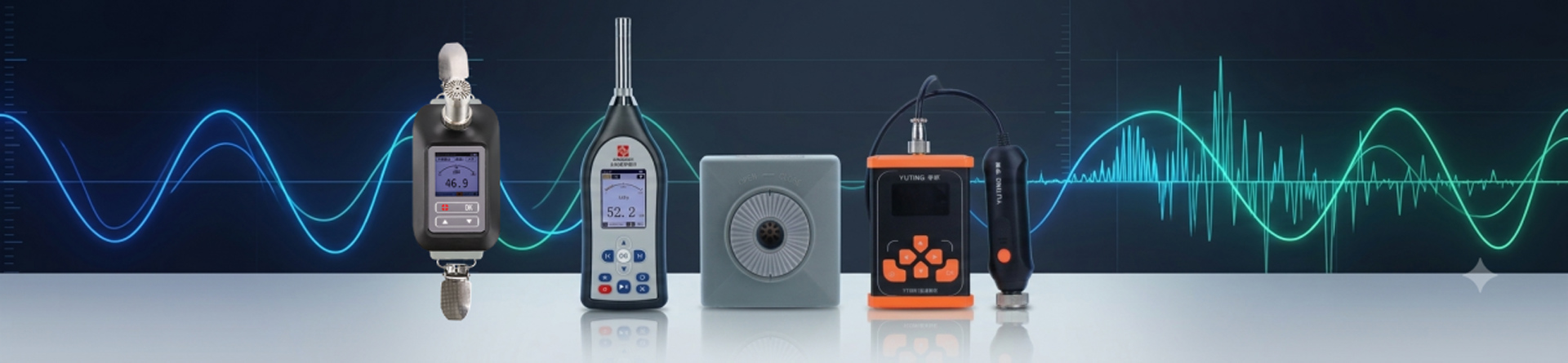
How Do You Test for Vibration? Best Equipments & Methods
Vibration testing is an essential part of industrial equipment maintenance. It helps technicians identify abnormal machine behavior, monitor equipment condition, and detect potential problems before they lead to costly downtime. But how do you test for vibration effectively? The right approach combines consistent measurement points, suitable instruments, and meaningful data analysis.
For routine inspections, a handheld vibration meter can quickly show whether a machine's condition is changing. When a reading requires further investigation, an FFT vibration analyzer can help identify the frequency components behind the problem. This guide explains the main vibration testing methods and introduces two practical solutions from Aihua Instruments.
How Do You Test for Vibration? 5 Core Steps
Step 1 — Choose the Right Measurement Points
Select consistent measurement locations close to bearing housings or other relevant structural points. Use the same locations for repeat measurements so that changes can be compared meaningfully.
Step 2 — Select a Vibration Sensor or Analyzer
Choose a sensor and instrument according to the equipment, frequency range, expected vibration level, and purpose of the test. A simple meter is suitable for routine screening, while a portable analyzer is more useful when investigating a suspected fault.
Step 3 — Set Up and Configure the Instrument
Check the sensor connection, mounting condition, measurement direction, and frequency settings. For reliable results, perform vibration sensor calibration according to the instrument's requirements before measurement.
Step 4 — Capture RMS, Peak, and FFT Data
Measure the relevant vibration values and record the operating conditions. RMS is useful for overall vibration assessment, while peak and peak-to-peak values help describe larger impacts or changes in the signal. FFT data provides a frequency-domain view for deeper diagnosis.
Step 5 — Analyze Results and Diagnose Faults
Compare readings with a baseline, previous measurements, or applicable evaluation criteria. If vibration is increasing, use spectrum analysis and other evidence to identify the likely cause before deciding on corrective action.
What Parameters Should a Vibration Meter Measure?
A useful vibration meter should measure the parameters that match the machine and the maintenance question.
Acceleration, Velocity, and Displacement
Acceleration is particularly useful for higher-frequency vibration, such as early bearing or gear-related faults. Velocity is widely used for assessing overall machine condition. Displacement is more relevant to low-frequency movement and large, slow-moving equipment. A multi-parameter instrument lets technicians switch between these views rather than relying on one measurement alone.
Why Crest Factor Matters
Crest factor compares the peak value with the RMS value of a signal. A rising CF can indicate stronger impacts in the waveform, making it a useful warning indicator for early bearing damage. It should be interpreted together with other measurements rather than used as a standalone diagnosis.
Best Portable Vibration Analyzer: YT3002 FFT Vibration Analyzer
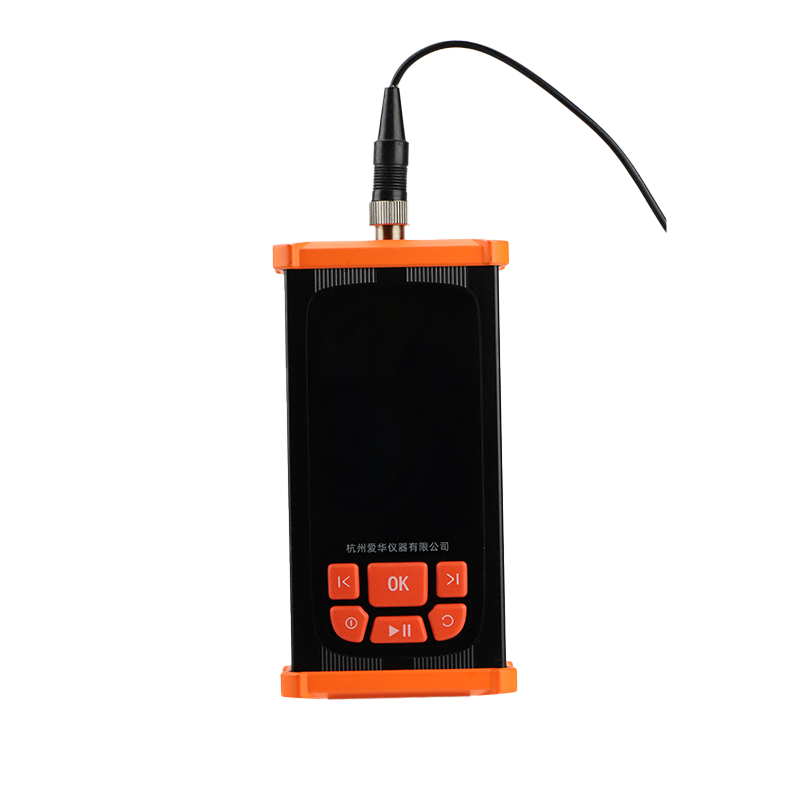
TheYT3002Portable FFT Vibration Analyzer is designed for maintenance teams that need to move beyond a simple “pass or fail” reading. It combines routine vibration measurement with frequency-domain analysis, helping users investigate abnormal machine behavior without immediately sending every measurement to a laboratory.
Real-Time FFT Spectrum Analysis
When a motor, pump, or fan begins to vibrate abnormally, overall vibration level alone may not explain why. The YT3002's real-time FFT spectrum analysis helps technicians examine frequency components and investigate likely mechanical faults. This is especially useful when a routine measurement identifies a change but the maintenance team needs more evidence before scheduling a repair.
48 kHz Sampling and WAV Recording
For teams that need to review data after a field visit, the YT3002 supports 48 kHz sampling and WAV waveform recording. Recorded signals can be played back on the instrument or a PC, making it easier to preserve measurement evidence, compare results, and carry out further analysis.
Built for Field Measurements
The YT3002 combines a 3.5-inch color touchscreen with physical buttons, providing flexible operation for on-site measurements. Its handheld design is suited to industrial enterprises, equipment monitoring, and mechanical fault diagnosis.
Read more
Need Something Simpler? YT3001A Handheld Vibration Meter
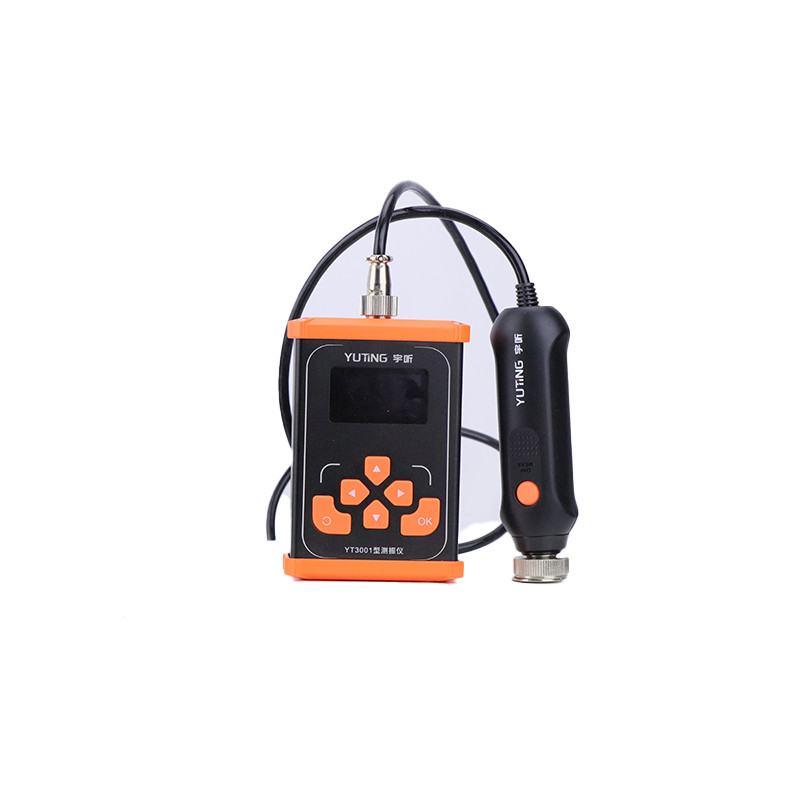
The YT3001A Handheld Multi-Parameter Vibration Meter is a practical choice for technicians who need fast, repeatable measurements during routine equipment checks. It supports one-key switching between acceleration, velocity, and displacement, with simultaneous RMS, peak, and peak-to-peak analysis.
Instead of carrying separate instruments for different vibration quantities, technicians can switch between the three parameters on one device. This is useful when checking motors, pumps, fans, and other mechanical equipment during regular maintenance rounds.
YT3002 vs. YT3001A: Which Vibration Tester Fits Your Application?
|
Your need |
Recommended tool |
Why |
|
Routine machine checks |
YT3001A |
Fast multi-parameter readings for regular monitoring |
|
Investigating abnormal vibration |
YT3002 |
Real-time FFT analysis for deeper diagnosis |
|
Recording signals for later review |
YT3002 |
48 kHz sampling and WAV waveform recording |
|
Building a flexible diagnostic setup |
YT3002 |
Modular, software-expandable design |
Both instruments support practical vibration measurement, but they serve different levels of diagnostic work. Choose the YT3001A when speed and simplicity are the priority; choose the YT3002 when you need to understand the frequency components behind a problem.
Final Verdict — How to Choose Your Vibration Testing Tool
The best answer to how do you test for vibration depends on your application. Start with consistent measurement points, the right sensor, and the parameters that matter to your equipment. For routine screening, the YT3001A provides a straightforward workflow. For deeper industrial vibration diagnostics, the YT3002 adds FFT analysis and waveform recording to help turn abnormal readings into useful maintenance decisions.
If you are looking for a portable vibration analyzer for your plant, explore the YT3002 FFT Vibration Analyzer or contact Aihua Instruments for help selecting the right solution.
Contact us for application advice.
Contact usblog latest news


Any questions? We look forward to hearing from you.
 Tel: +86 190 1283 2378