


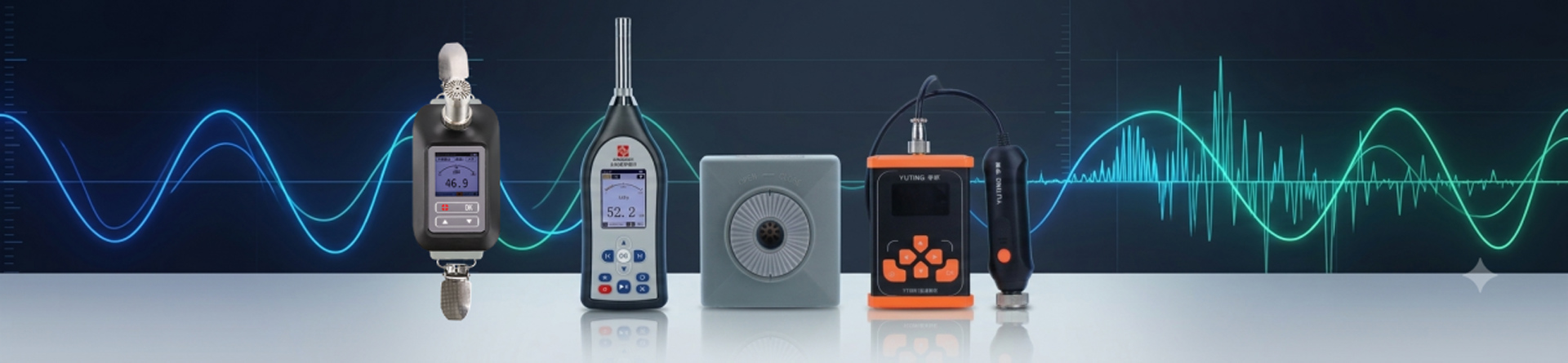
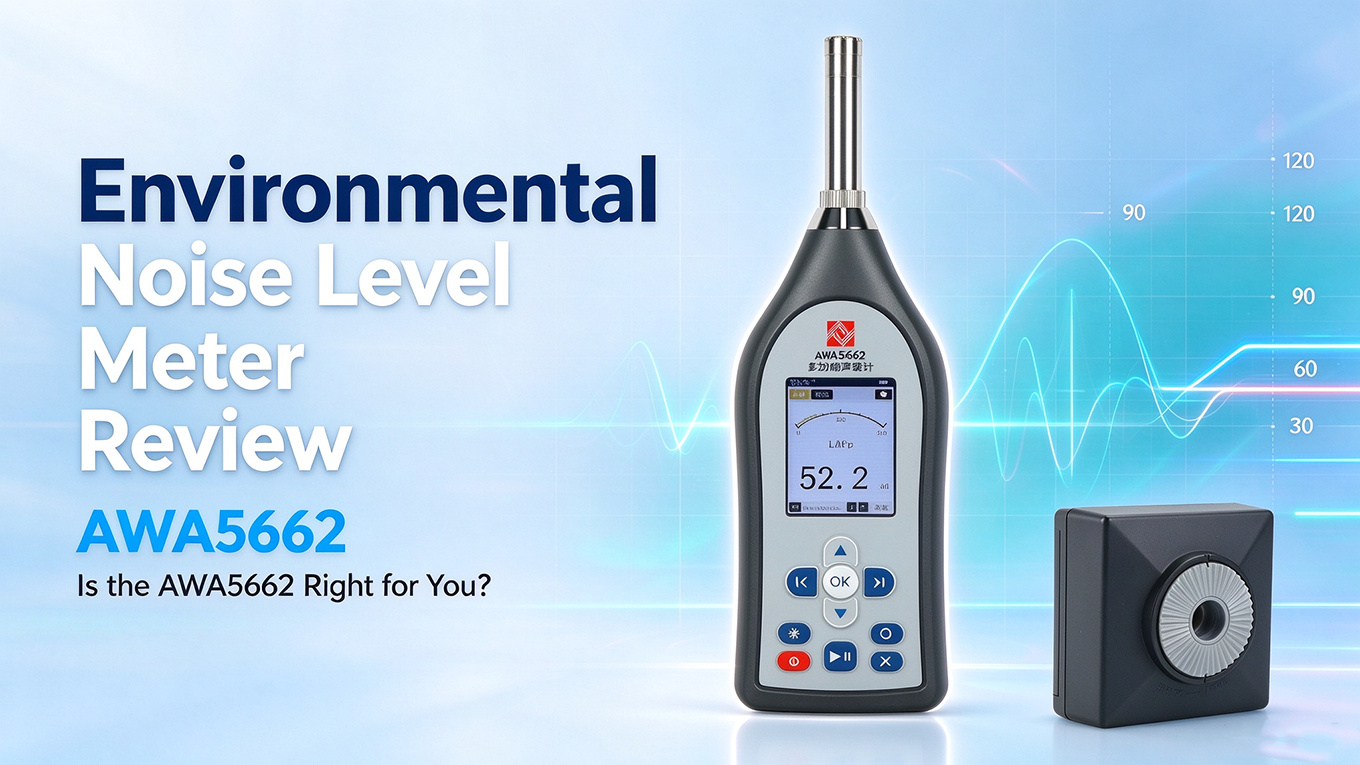
Environmental Noise Level Meter Review: Is the AWA5662 Right for You?
From construction site complaints to factory boundary assessments, environmental noise measurements need to be accurate, consistent and easy to document. A smartphone app may provide a quick decibel reading, but professional noise surveys require an instrument designed for reliable measurement and reporting.
In this review, we examine the AWA5662 Class 1 sound level meter, including its key specifications, available configurations and applications in environmental noise monitoring.
What Is an Environmental Noise Level Meter?
An environmental noise level meter measures sound pressure levels using a microphone and signal-processing system. Depending on its configuration, it can calculate parameters such as equivalent continuous sound level (Leq), maximum sound level (Lmax) and statistical noise levels.
These measurements help environmental consultants, industrial facilities and construction teams evaluate noise from machinery, traffic and other sources.
For formal assessments, instrument accuracy and measurement procedures both matter. A suitable meter should comply with the relevant standards, support the required measurement parameters and allow results to be recorded for subsequent analysis.
Class 1 vs Class 2 Sound Level Meters
Under the IEC 61672 framework, sound level meters are classified according to their performance tolerances. Class 1 instruments generally offer tighter tolerances than Class 2 instruments.
|
Feature |
Class 1 |
Class 2 |
|
Measurement tolerance |
Tighter |
Wider |
|
Typical applications |
Environmental surveys, traffic noise and acoustic investigations |
General noise surveys and screening |
|
Cost |
Generally higher |
Generally lower |
For environmental noise assessments, Class 1 is often preferred, particularly when measurement uncertainty is important. However, the required class depends on the applicable regulations, project specifications and measurement method.
AWA5662 Review: Key Features and Specifications
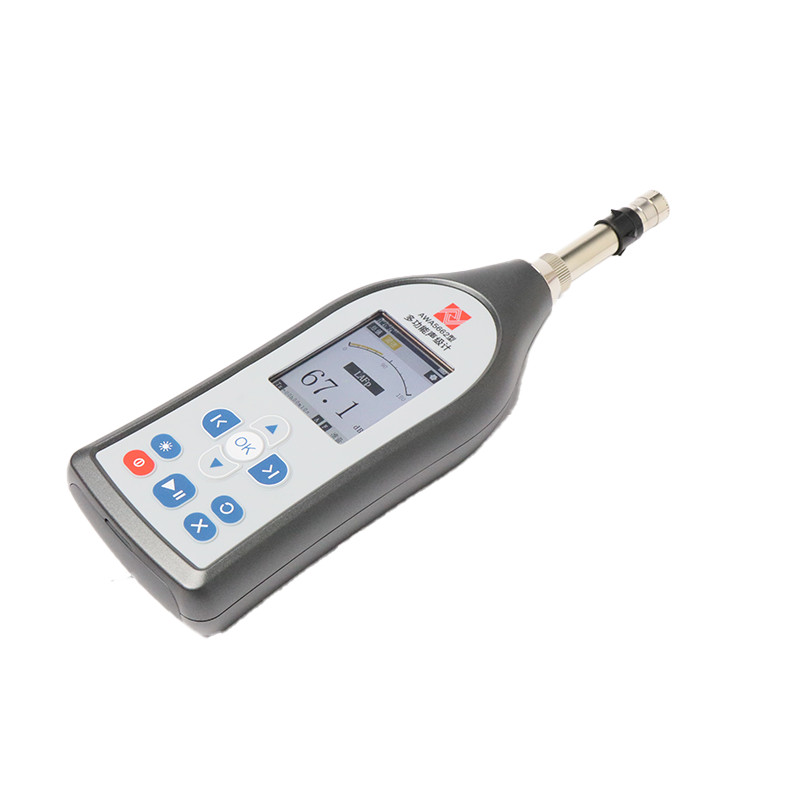
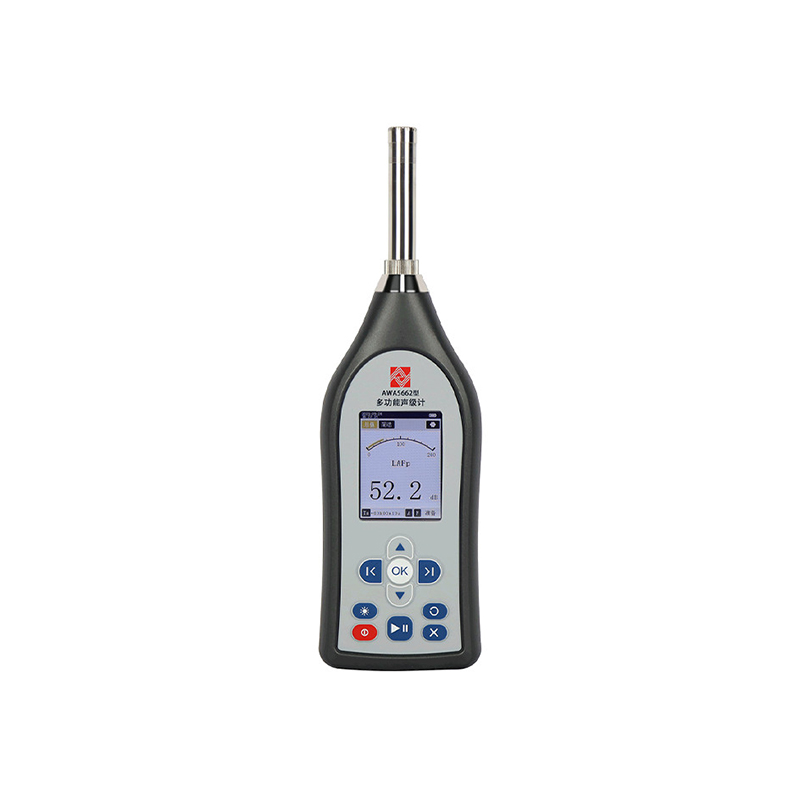
The AWA5662 is a multifunctional Class 1 sound level meter designed for industrial and environmental noise measurement. It complies with IEC 61672-1:2013 Class 1 and IEC 61260-1:2014 Class 1. IEC 61252:2025 compliance is configuration-dependent and should be confirmed for the selected model.
Key Specifications
|
Specification |
AWA5662 |
|
Measurement range |
25 dB(A) to 140 dB(A) |
|
Linear range |
115 dB |
|
Frequency range |
10 Hz to 20 kHz |
|
Display |
2.4-inch color screen, 240 × 320 |
|
Weight |
Approximately 340 g |
|
Operating temperature |
-20°C to 60°C |
|
Power supply |
Four AA batteries or external 5 V power |
Its 115 dB linear range without manual range switching helps simplify measurements when sound levels fluctuate. The handheld design also makes the instrument convenient for field surveys at industrial facilities, construction sites and traffic monitoring locations.
Data Logging, Recording and Frequency Analysis
For projects that require more than a spot reading, the AWA5662 offers optional 1/1-octave and 1/3-octave band analysis to help identify the frequency components of a noise source.
Selected configurations also support internal data storage, optional TF card expansion, WAV or MP3 recording and USB data transfer to a computer. These functions help users review measurements, investigate noise characteristics and prepare technical reports.
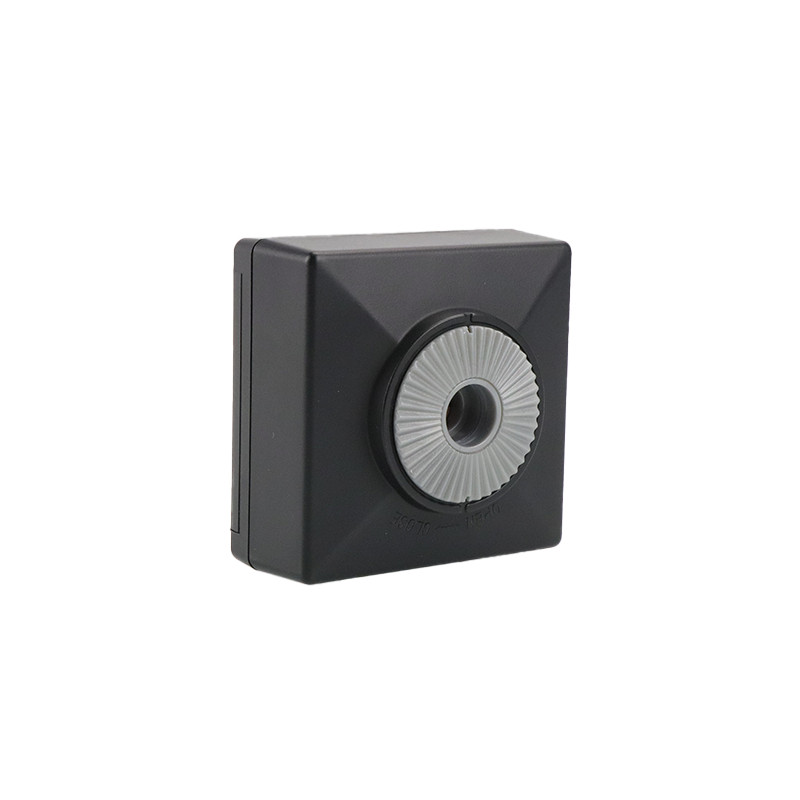
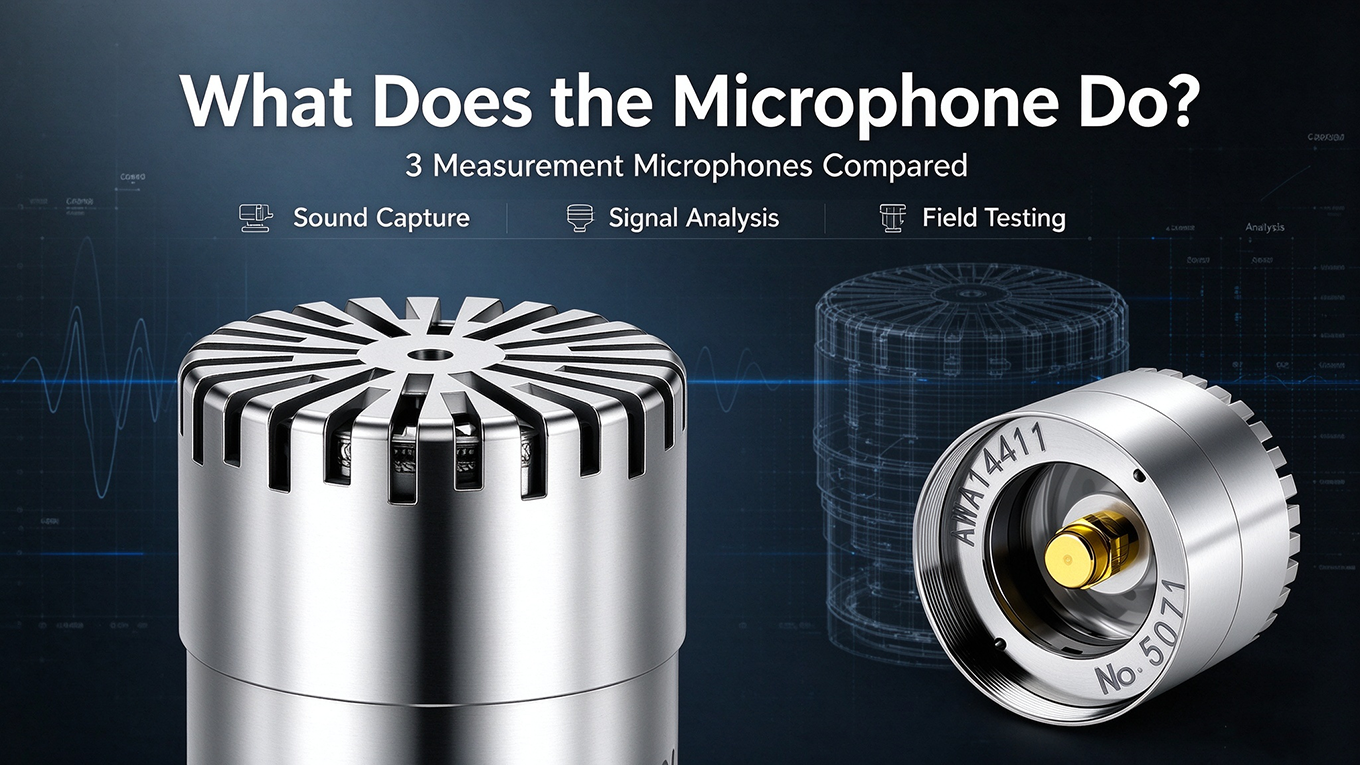
Microphone selection is another important consideration. Compatible options can support different measurement requirements, including low-noise environments and higher sound pressure levels. Check the microphone's frequency response, measurement range and compatibility before choosing a setup.
Where Can the AWA5662 Be Used?
Industrial boundary monitoring: Record and evaluate noise from factories and production facilities.
Construction noise surveys: Measure changing sound levels from equipment and site activities.
Traffic noise assessment: Capture fluctuations caused by passing vehicles.
Urban environmental surveys: Collect data for investigations across different functional areas.
Industrial noise diagnostics: Use optional frequency analysis to help identify dominant noise components.
The best configuration depends on whether your priority is basic measurement, integrated sound levels, statistical analysis or occupational exposure.
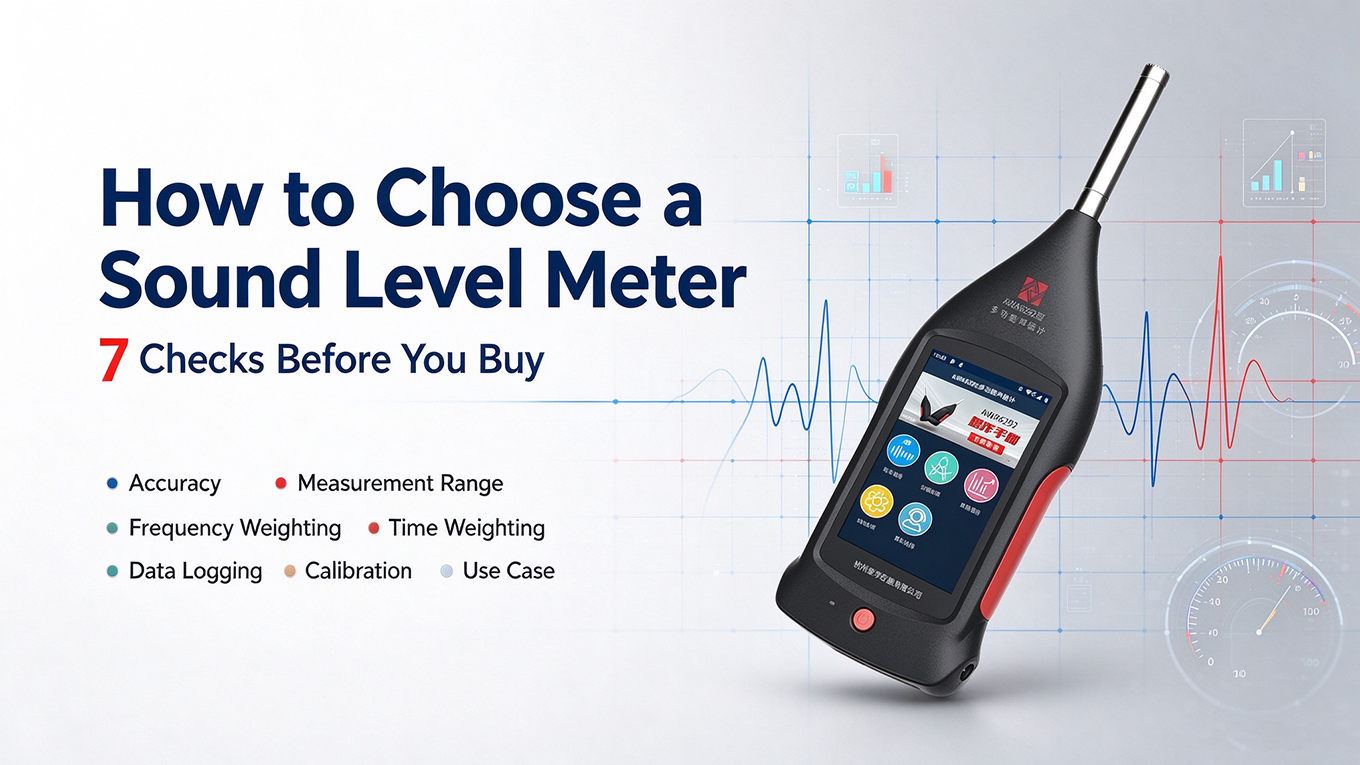
How to Choose an Environmental Noise Meter
Before purchasing, check five essentials:
Accuracy class: Confirm the standards required for your project.
Measurement parameters: Identify whether you need Leq, statistical levels or exposure data.
Data management: Check storage, recording and computer-export options.
Microphone compatibility: Match the microphone to the expected sound levels and frequency range.
Calibration: Use a suitable sound level calibrator for field checks and arrange periodic calibration according to the manufacturer's guidance and applicable requirements.
Frequently Asked Questions
Q: Is the AWA5662 suitable for environmental noise monitoring?
A: Its Class 1 performance, measurement functions and optional data-recording capabilities make it a candidate for professional environmental noise surveys. Confirm that the selected configuration meets your project's requirements.
Q: Do I need a Class 1 sound level meter?
A: Class 1 is often preferred for environmental assessments, but the required class depends on local regulations, project specifications and the applicable measurement method.
Q: How often should a sound level meter be calibrated?
A: Perform field checks with a suitable acoustic calibrator as required by your measurement procedure. Periodic laboratory calibration should follow the manufacturer's recommendations and applicable standards.
Find the Right AWA5662 Configuration for Your Project
The AWA5662 combines Class 1 measurement performance, a wide linear range and configurable functions in a portable instrument. It is worth considering for environmental consultants, industrial EHS teams and professionals conducting construction or traffic noise surveys.
Contact Aihua Instruments to discuss your measurement requirements and select the appropriate AWA5662 configuration.
Contact us
blog latest news

Any questions? We look forward to hearing from you.
 Tel: +8619012832378