Choosing the best China-made Acoustic Calibrator isn’t just about comparing prices, digital displays, or quick delivery promises. You need a model that really delivers—a stable reference sound, the right microphone size, and the capacity to support the required sound pressure level. Oh, and don’t forget, it should also come with clear calibration records and solid technical support. Sometimes, it’s the little things that matter. For example, a loose adapter can totally mess up your results.
V. Brüel, co-founder of Brüel & Kjær, once said something that still holds true today: “A measurement is only as trustworthy as the method and instrument behind it.” That really hits home when you're looking at acoustics calibrators. Sure, a calibrator might look super precise on a website, but how it actually performs depends on things like frequency stability, output accuracy, how the batteries behave over time, and whether it can repeat results consistently. So, it’s crucial to dig into the specs and ask how they verified each one.
Based on experience in factories, labs, and on-the-spot inspections, I’ve learned one thing for sure—going for the cheapest thing isn’t always the smart move. It might seem like a good deal at first, but often it’ll mean rechecking, repairs, or even having to replace the thing pretty soon. That said, just because a model is pricey doesn’t automatically mean it’s the best either. It’s worth giving it some thought. When choosing, consider stuff like whether it suits your microphone, how often you’ll need calibration, whether it’s easy to carry around, the environment you’ll be working in, and whether it’s traceable to recognized standards. Having proper certificates helps a lot, and so does getting good support from the manufacturer.
This guide aims to cover the key technical points and what to look for when buying a China Acoustic Calibrator. We focus on real evidence, not just eye-catching claims. The main goal? To help professionals pick a device that’s reliable, keeps good records, and actually works well for their measurement needs. Good calibration starts with asking the right questions—not just flipping through a fancy brochure.
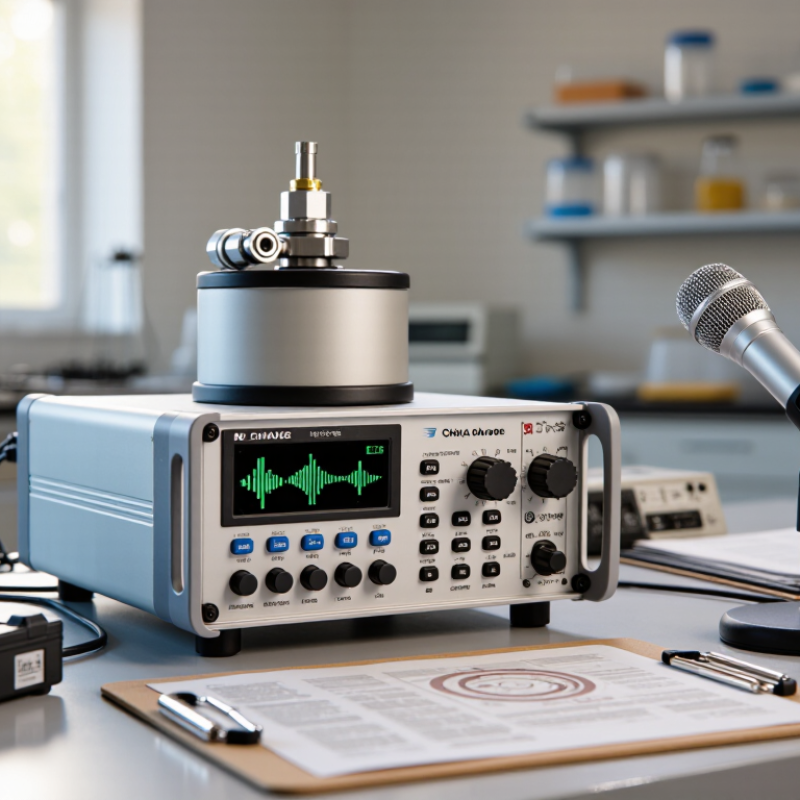
Choosing the best China acoustic calibrator starts with understanding its purpose. An acoustic calibrator checks whether a microphone and sound level meter respond accurately. It produces a known sound pressure level, often 94 or 114 dB at 1 kHz. Technicians place it over the microphone before and after field measurements. This simple check can reveal drift, loose connections, or a damaged microphone. A reliable Spl Calibrator should provide stable output, clear controls, and documented calibration results.
Different calibrators suit different working conditions. A single-level model supports routine noise surveys and basic laboratory checks. A dual-level model offers more flexibility when measuring quiet and loud environments. Multi-frequency calibrators help test frequency response, while pistonphone designs provide high precision for specialist applications. Check the microphone diameter, operating temperature, battery condition, and compatibility with your measurement system. Certification should be traceable to a recognized laboratory. Do not trust a certificate without checking its date and scope.
Tips: Calibrate in a quiet area. Keep the microphone upright. Watch for loose adapters. Record the reading before testing. Repeat the check afterward. One practical lesson is easy to miss: a perfect calibrator cannot correct poor measurement habits. I have seen teams focus on impressive specifications while ignoring field handling. That choice can weaken reliable data. A short training session and a written inspection routine may matter more than an extra feature.
Choosing the required accuracy is the practical core of selecting a Sound Calibrator. A field technician may need a Class 2 calibrator for routine workplace checks, while laboratory measurements often require Class 1 performance. The choice should match the microphone and sound level meter, not only the purchase budget.
Check whether the calibrator complies with IEC 60942 and carries a current calibration certificate. A reliable certificate should show measurement uncertainty, test conditions, equipment traceability, and the calibration date. ISO/IEC 17025 accreditation adds confidence because a competent laboratory verifies the instrument against controlled standards. Do not guess.
Common reference levels include 94 dB and 114 dB at 1 kHz. Confirm that the output level suits your meter before testing. I have seen users overlook microphone diameter, creating a poor acoustic seal and unstable readings. Small details matter. Temperature, humidity, and battery condition can also affect performance, especially during outdoor work. Keep the calibrator away from wind, vibration, and loud machinery.
Accuracy is not only the number printed on the housing. It includes stability, repeatability, frequency performance, and uncertainty. A device rated at ±0.3 dB may be unsuitable if the complete measurement chain introduces greater uncertainty.
I would record pre-use and post-use checks, although this adds time. That inconvenience can reveal drift before it affects a formal report. A careful buyer should also request service intervals and correction procedures.
How to Choose the Best China Acoustic Calibrator?
Comparing China acoustic calibrator specifications requires more than checking the lowest price. Start with calibration accuracy, reference sound levels, and operating frequency. Common options provide 94 dB or 114 dB at 1 kHz. Confirm whether the stated tolerance is ±0.3 dB or wider. Small differences matter when testing sensitive microphones. Check compatibility with 1/2-inch and 1-inch microphones. A loose fit can create an unstable reading. Also review battery life, display clarity, temperature range, and calibration certificate details.
Performance should be tested under realistic working conditions. Place the calibrator firmly over the microphone, then observe the reading for several seconds. A reliable unit should produce a stable tone without obvious fluctuation. Compare results before and after repeated use. My earlier comparisons focused too heavily on specifications. I later noticed that handling noise and weak battery contacts affected field results. That experience changed my evaluation process. A Vibration Calibrator may also be useful when your work includes vibration monitoring, but it should not replace an acoustic reference.
Tips: Ask for recent test data, not only a product sheet. Check measurement uncertainty and recommended calibration intervals. Test the unit across different temperatures when possible. Keep a simple record of readings, batteries, and microphone types. This exposes small performance changes. It also reveals whether the device suits daily field work, rather than looking impressive only on paper.
Comparing China Acoustic Calibrator Specifications and Performance
A practical acoustic calibrator should provide a stable reference tone, commonly 1 kHz, with output levels of 94 dB SPL and/or 114 dB SPL. When selecting a model, compare IEC 60942 compliance class, sound-pressure-level accuracy, frequency stability, microphone compatibility, and battery performance. Class 1 models are generally preferred for higher-accuracy measurement work, while Class 2 models are suitable for routine field checks.
When choosing an acoustic calibrator, check microphone compatibility before comparing prices. The cavity must match your microphone diameter, such as 1/2-inch or 1/4-inch. Some models require a suitable adapter. A loose seal can create unstable readings. Check the microphone type, connector, and adapter dimensions in the technical specifications. In practical testing, even a small gap around the microphone can produce a noticeable calibration error.
Frequency matters. Many calibrators provide a 1 kHz reference tone, which suits common sound level measurements. However, some instruments need another frequency for specific testing procedures. Confirm the required frequency in your meter’s manual. Measurement microphones also differ in sensitivity and operating range. Do not assume every calibrator works with every microphone. That assumption is risky.
Sound level selection is equally important. Common reference levels include 94 dB and 114 dB at 1 kHz. Choose a level that fits your workplace and instrument range. The calibrator’s stated accuracy should be clear, preferably with test records or conformity information based on IEC 60942.
Keep the calibrator and microphone clean. Dust can affect the acoustic seal. I once underestimated storage temperature, and the reading drifted more than expected. That mistake changed my checking routine.
Maybe the specification looked reliable, but field conditions were not. Allow the calibrator to stabilize before use, and record the date, frequency, level, and result.
Choosing the best China acoustic calibrator requires more than comparing specifications. Build quality affects stability, repeatability, and service life in daily measurement work. Inspect the housing for clean seams, firm buttons, and a protected microphone opening. A Sound Meter Calibrator should sit securely on the instrument without excessive force. Keep it simple. A loose adapter can create leakage and produce misleading readings, even when the display appears normal. Fit matters. Metal construction may improve durability, but weight alone does not prove engineering quality. Ask for documented calibration procedures, test records, and a clear tolerance statement.
Usability matters when technicians work outdoors, in workshops, or under time pressure. Controls should be readable, responsive, and usable with gloves. A bright display helps in dim rooms, yet excessive brightness can drain batteries quickly. Check whether the calibrator provides a stable reference signal and indicates low battery conditions. The operating instructions should explain setup, verification, and error handling without vague translations. A practical trial is valuable: attach it to several compatible microphones and observe the fit. If the process feels awkward, field consistency may suffer. This is easy to underestimate.
Environmental resistance deserves careful attention. Look for stated operating temperature, humidity limits, dust protection, and resistance to minor impacts. Test it outdoors. Do not assume a sealed case survives condensation or sudden temperature changes. After moving equipment from a cold vehicle into a warm room, allow it to stabilize before calibration. I would also examine battery contacts after repeated use, because corrosion can quietly affect output. Published environmental claims may not reflect every workplace. Request supporting test methods and verify performance periodically against a trusted reference. Reliable results depend on solid construction and disciplined handling.
Certification should be your first filter, not the product photograph. Check compliance with IEC 60942 and request the certificate’s scope, issue date, and serial number. A credible calibration report should show reference standards, test points, measurement uncertainty, and pass or fail results. It should also identify an ISO/IEC 17025-accredited laboratory when applicable. Missing uncertainty data is a warning sign. The document may look official, but it may not support reliable traceability.
Calibration frequency depends on usage, transport, and environmental exposure. NIOSH reports that about 22 million U.S. workers face potentially hazardous noise each year. That figure shows why small measurement errors can affect real workplace decisions.
Choose a calibrator with stable output at your microphone’s required level and frequency. Check whether its stated accuracy covers your field conditions. Lab performance is not always field performance. I have seen specifications look excellent until temperature changes entered the test routine.
Warranty terms deserve careful reading. Look for coverage length, excluded damage, repair turnaround, and international service arrangements. A useful support team can explain report anomalies without hiding behind technical language. Ask whether spare batteries, adapters, and recalibration services remain available. Keep service records with the instrument’s serial number. This simple habit prevents confusion during audits. Price still matters, but cheap support can become expensive downtime. Even experienced buyers sometimes overlook that detail.
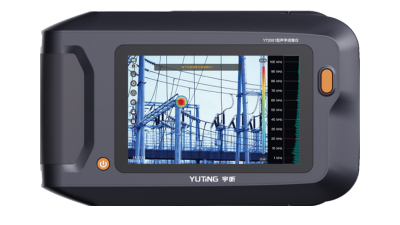
The acoustic camera market is gaining momentum as manufacturers prioritize predictive maintenance, energy efficiency, and safer industrial operations. Recent market research forecasts sustained high-single-digit annual growth for acoustic imaging through the next five years, driven by demand for non-contact inspection, automated diagnostics, and Industry 4.0 integration. Against this backdrop, the YT2001 Advanced Acoustic Imager offers a practical solution for locating and analyzing sound sources in real time. Its 25 FPS refresh rate captures both steady-state and transient events, helping maintenance teams track moving or short-lived acoustic signals as they occur.
Equipped with a 136-channel MEMS digital microphone array, the system delivers accurate sound-source localization in complex environments. Adjustable frequency-band filtering reduces background interference on noisy factory floors, while intelligent auto-focusing and real-time leak-rate calculation enable users to locate and quantify gas leaks within seconds. These capabilities support the growing industrial emphasis on reducing compressed-air losses and improving operational efficiency.
For electrical maintenance, built-in real-time PRPD spectrum analysis helps identify partial-discharge activity and potential insulation faults before they develop into equipment failures. A dedicated sound-source recognition mode further simplifies diagnostics by presenting identification results directly, reducing dependence on specialist interpretation. Together, these functions position advanced acoustic imaging as an increasingly valuable tool for condition monitoring, quality control, and workplace noise management.
Match the calibrator class to your measurement work. Routine workplace checks may need Class 2, while laboratory work often needs Class 1. Budget alone should not decide.
Request a current calibration certificate. It should list uncertainty, test conditions, traceability, and calibration date. Accreditation to ISO/IEC 17025 adds useful confidence.
Common levels include 94 dB and 114 dB at 1 kHz. Confirm that the selected level suits your sound level meter. Do not guess.
The calibrator must fit the microphone securely. A loose adapter can leak sound and create unstable readings. Fit matters.
Temperature, humidity, wind, vibration, and battery condition can change performance. Keep the calibrator away from loud machinery. Allow cold equipment to stabilize indoors.
Check clean housing seams, firm buttons, a protected microphone opening, and secure adapters. Metal construction may improve durability, but weight proves little.
Controls should remain readable and responsive with gloves. A bright display helps in dim rooms, but it can drain batteries quickly. Low-battery warnings are useful.
Record pre-use and post-use checks. These records may reveal drift before it affects a formal report. It takes extra time, admittedly.
Review its temperature range, humidity limits, dust protection, and impact resistance. Do not assume a sealed case prevents condensation damage. Test claims against real workplace conditions.
Request service intervals, correction procedures, test methods, and supporting records. Inspect battery contacts for corrosion. Small faults can quietly affect output.
Choosing the best China Acoustic Calibrator requires more than comparing prices. First, determine whether you need a pistonphone or an electronic calibrator, and clarify the measurement tasks it must support. Select the required accuracy according to your testing environment and applicable calibration standards. Then compare specifications such as reference sound pressure levels, frequency options, stability, response time, and overall performance. Confirm that the calibrator is compatible with your microphone size and type, especially if you use different measurement systems.
Build quality and practical usability are also important. A reliable unit should be easy to operate, durable, portable, and resistant to dust, humidity, temperature changes, and regular field use. Before purchasing, review certification documents, calibration reports, traceability information, warranty terms, and technical support. A supplier that provides clear documentation, responsive service, and dependable after-sales assistance can help maintain measurement accuracy over time. By evaluating performance, compatibility, durability, and service together, you can choose an Acoustic Calibrator that fits both professional requirements and long-term testing needs.