Leave Your Message
0%

When you're sourcing Spl Meters globally, it's not just about comparing prices, ranges, or display features. If you want measurements you can actually trust, recognized standards are where it starts. IEC 61672-1 sets the performance requirements for sound level meters, while ANSI/ASA S1.4 is a common go-to reference for meter accuracy. If you're buying, ask for recent calibration certificates, what accuracy class it's declared as, the frequency weighting options, and any test records. Sure, a clean screen can be a nice sign—but it doesn't actually prove the thing is accurate.

We’re seeing a growing need for reliable noise measurement. According to the WHO’s 2021 World Report on Hearing, more than 1.5 billion people around the world are living with hearing loss — and that number could top 2.5 billion by 2050. NIOSH’s Criteria for a Recommended Standard: Occupational Noise Exposure makes a similar point: if we want to assess risk in the workplace, we need solid, controlled ways to measure noise. Honestly, these findings kind of turn product selection into a technical and procurement decision—not just some simple catalog exercise.

Global sourcing can get messy in practice. Say you buy a meter for a factory in Vietnam—that same unit might need totally different paperwork if it's headed to buyers in Germany, Canada, or Brazil. Before you order, it's worth checking the local conformity rules, what language the software comes in, power adapters, data-export formats, and whether service is actually available there. Also ask if the supplier can handle recalibration after all the shipping, vibration, and humidity it'll go through. And watch out: some vendors promise lab-grade results at prices that seem way too good to be true. So yeah, be careful.

In the real world, hidden costs have a way of showing up. Batteries die, firmware gets stale, and good calibration labs might be nowhere near you. A cheaper model can still work fine for screening—just don't count on it for compliance evidence. And honestly? No checklist covers everything. So before you sign off on a global supplier, buyers should test units that actually represent what they'll get, dig into the uncertainty data, and look at the total cost of ownership.
How to Choose SPL Meters for Global Sourcing?

Defining the Measurement Needs for Global SPL Meter Sourcing

How to Choose SPL Meters for Global Sourcing?

Defining the Measurement Needs for Global SPL Meter Sourcing

Choosing Sound Meters begins with the measurement task, not the product catalog. Decide whether you need workplace surveys, machinery checks, event monitoring, or laboratory testing. Each application demands different accuracy, durability, and recording functions. A factory inspection may require an integrating meter, while a short equipment check may need only basic readings.

Specify the required measurement standard before contacting suppliers. IEC 61672 performance classes are useful references for comparing accuracy. Class 1 instruments suit demanding technical work, while Class 2 models often support general field surveys. Define frequency weightings, time weightings, measurement range, and uncertainty limits. Do not overlook calibration. A meter should support traceable calibration before and after important measurements.

Global sourcing adds practical questions. Can the supplier provide clear test reports and calibration records? Are manuals available in suitable languages? Check battery types, charging requirements, data formats, and replacement parts. A reliable supplier should explain environmental limits, such as temperature, humidity, and wind exposure. Ask for sample data files.

Small details matter.

I once underestimated cable length during a noisy-site assessment. The meter worked, but positioning became awkward and less consistent. That experience changed my specifications. Now I request accessory lists, software details, and warranty procedures early. Still, no checklist is perfect. Field conditions often reveal needs that laboratory comparisons miss. Test one sample in realistic conditions before placing a larger order.

Comparing SPL Meter Types and Measurement Standards

How to Choose SPL Meters for Global Sourcing?

Comparing SPL Meter Types and Measurement Standards

Choosing an SPL meter starts with the measurement task, not the product appearance. A basic sound level meter suits quick checks in workshops, offices, and equipment rooms. An integrating-averaging meter records changing sound levels over time. It is more useful for traffic, construction, and environmental surveys.

Personal noise dosimeters serve a different purpose. They measure an individual’s exposure during a work shift. Do not replace one with a standard meter without checking the assessment method. That mistake can produce neat data with the wrong meaning. In practical testing, microphone placement often affects results more than small display differences.

Measurement standards also require close attention. IEC 61672-1 defines Class 1 and Class 2 performance. Class 1 supports tighter accuracy for formal surveys and laboratory-related work. Class 2 is suitable for many routine field measurements. Some regions reference ANSI S1.4, which uses Type 1 and Type 2 terms. These systems are comparable, but not identical in every detail.

Check A, C, and Z frequency weightings before global sourcing. A-weighting reflects common hearing-related assessments. C-weighting captures stronger low-frequency content. Z-weighting remains essentially flat across the specified range. Fast and Slow time weightings show different sound behavior.

Calibration matters too. Select a meter compatible with a calibrator meeting IEC 60942 requirements. Request traceable calibration records, stated uncertainty, and environmental operating limits. Supplier documents can look complete while omitting microphone response data. That omission deserves a question, not an assumption.

SPL Meter Selection: Comparing Standardized Frequency Weightings

This chart compares approximate frequency-weighting corrections used in sound-level measurements. A-weighting is commonly used for environmental and occupational noise assessments, C-weighting retains more low-frequency energy for loud or low-frequency sound, and Z-weighting is designed for a flat response. When sourcing SPL meters, also verify compliance with IEC 61672-1 and select Class 1 for tighter laboratory and regulatory tolerances or Class 2 for general-purpose field measurements.

Evaluating Accuracy, Frequency Weighting, and Response Settings

How to Choose SPL Meters for Global Sourcing?

When sourcing globally, select an SPL meter by measurement purpose, not screen size. Accuracy starts with compliance to IEC 61672-1. Class 1 meters suit precision surveys, while Class 2 models fit general field checks. Ask suppliers for a current calibration certificate and stated uncertainty. A certificate without traceability is weak evidence. Check the microphone type, operating temperature, and calibration interval. These details affect readings in a hot workshop or near an open loading bay.

Frequency weighting changes the meaning of every reading. A-weighting reflects human hearing and supports occupational noise assessments. NIOSH’s Criteria for a Recommended Standard: Occupational Noise Exposure uses 85 dBA over eight hours, with a 3 dB exchange rate.

C-weighting captures more low-frequency energy, which matters near compressors and heavy machinery. Z-weighting provides a flatter response for broader acoustic analysis. Choose deliberately.

Response settings matter during changing sound events. Fast response uses a 125 millisecond time constant, while Slow uses one second under IEC guidance. Fast can reveal short production peaks. Slow produces steadier readings. Do not compare them casually.

In a pilot inspection, record weighting, response, range, and calibration status beside each result.

Vibration Meters can support machinery checks, but they do not replace SPL instruments. A common sourcing mistake is trusting one attractive specification. I still question readings that look perfectly stable in a noisy room. Check the setup again.

Checking Certification, Calibration, and Compliance Requirements

How to Choose SPL Meters for Global Sourcing?

When sourcing Sound Level Meters internationally, certification should match the destination market. Ask suppliers which standards their instruments meet, such as IEC 61672 for sound level meters. Check whether the stated class or type suits your application. Type 1 meters support demanding measurements, while Type 2 models often fit general workplace checks. Requirements can differ between countries. Do not guess.

Request the original conformity documents, test reports, and product safety declarations. Confirm the model number, serial range, issuing laboratory, and test date. A copied certificate is not enough.

For calibration, look for traceability to a recognized national measurement standard. An ISO/IEC 17025 accredited laboratory adds useful confidence. Check calibration uncertainty, environmental conditions, and the recommended recalibration interval. That detail matters.

Before placing a large order, test a sample unit under realistic conditions. Use an acoustic calibrator and record the reading before and after a short field test. Review battery behavior, microphone response, data storage, and software language. Compliance may also involve electromagnetic compatibility, electrical safety, chemical restrictions, and local import documentation. These obligations should be confirmed for each destination, not assumed from one market.

The uncomfortable part is that paperwork can look complete while practical performance remains unclear. A supplier may provide a valid report for an older revision or different configuration. Build serial-number checks into your inspection plan. Keep every certificate with the purchase record. It is slower, but one missing document can delay deployment.

Assessing Suppliers, Manufacturing Quality, and Product Reliability

When sourcing Noise Level Meters globally, supplier assessment should begin with evidence, not polished catalogs. Ask for calibration records, uncertainty values, and test procedures linked to IEC 61672-1. A serious factory can show how microphones are tested, sealed, and matched to each meter. Inspect a production line personally when possible. Look for controlled assembly areas, stable reference sources, and traceable instruments.

Manufacturing quality affects readings in quiet rooms and crowded workshops. NIOSH recommends an 85 dBA exposure limit over eight hours, using a 3 dB exchange rate. Small measurement errors can therefore change workplace decisions. Request sample data at 70, 85, and 100 dBA. Compare displayed values with a calibrated acoustic source. Record drift after temperature and humidity exposure. The result may be less attractive than the brochure.

Reliability also depends on firmware control, battery protection, connector strength, and service support. The WHO World Report on Hearing (2021) estimates that over 1.5 billion people live with hearing loss, making dependable noise assessment increasingly important. Ask suppliers for failure-rate data, warranty returns, and accelerated life-test conditions. Some factories provide excellent first samples but inconsistent later batches. That weakness is easy to miss. Require batch inspections and retain sealed samples for comparison. A perfect audit is unlikely, and that is worth admitting. Supplier promises still need measurement.

Reviewing Costs, Logistics, Support, and Long-Term Value

How to Choose SPL Meters for Global Sourcing?

Purchase price rarely shows the real cost of an SPL meter. IEC 61672-1 compliance matters more than a low listing price. Class 1 suits laboratory and regulatory work, while Class 2 often fits workplace screening. NIOSH recommends an 85 dBA limit for an eight-hour exposure, using a 3 dB exchange rate. A meter must therefore record weighting, range, and measurement duration clearly. Cheap hardware can become expensive when reports lack traceable calibration.

Logistics also shape long-term value. UNCTAD’s Review of Maritime Transport reports that ships carry over 80% of global merchandise trade by volume. Delays, customs documents, batteries, and replacement microphones deserve early attention. Ask suppliers for calibration certificates, firmware procedures, spare-part availability, and response times across regions. A practical sourcing check includes a real test: compare readings in a workshop, at 85 dBA, and near a variable machine. Small differences become important over repeated surveys. I would not rely on one impressive specification sheet.

Tips:

Request sample reports before ordering. Confirm the included calibrator. Check whether calibration follows ISO/IEC 17025 procedures. Keep transport cases dry and labeled. Record serial numbers at receipt. Recheck calibration annually, or sooner after impact. This is often forgotten. Total cost should include training, software, batteries, shipping, recalibration, and downtime. A 2023 Deloitte supply-chain survey found that visibility and resilience remain major investment priorities, supporting a simple rule: choose measurable support, not promises.

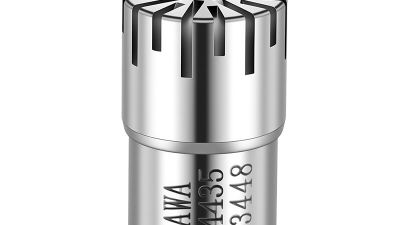
Grand View Research & MarketsandMarkets Insights: High-SPL Trends and AWA14435 1/4" Free-Field Microphone Applications

As high-SPL testing becomes increasingly important in automotive, industrial, consumer electronics, and acoustic research, accurate free-field measurement is essential. The AWA14435 1/4-inch free-field microphone is designed for reliable acoustic testing in reflection-free environments, including anechoic and semi-anechoic chambers. Its precision response supports the evaluation of loudspeakers, vehicle noise, machinery, and other sound sources where controlled, repeatable data is required. With a dynamic range of 40–167 dB, it can capture both subtle acoustic signals and extremely high sound pressure levels without limiting measurement flexibility.

Built around a stable 1/4-inch engineering structure compliant with SJ/T 10724 Class 2 requirements, the microphone combines compact dimensions with strong environmental adaptability. Its design is well suited to high-SPL applications while maintaining dependable measurement performance during extended testing. For broader system integration, it can work with 1/2-inch adapters and compatible 1/4-inch preamplifiers, allowing users to configure measurement systems according to different instruments and test conditions. After appropriate phase processing, the setup can also be expanded for sound intensity measurement, supporting more comprehensive analysis of acoustic energy distribution and noise sources.

FAQS

Which standard should an international sound level meter meet?

Check whether it meets IEC 61672. Match the meter’s class to the destination market and measurement purpose.

When should I choose a Class 1 or Class 2 meter?

Class 1 suits demanding laboratory or regulatory measurements. Class 2 usually fits general workplace screening.

What documents should I request from a supplier?

Request original conformity documents, test reports, safety declarations, and calibration certificates. Verify model numbers, serial ranges, laboratories, and dates.

How can I confirm calibration quality?

Look for traceability to a recognized national measurement standard. An ISO/IEC 17025 accredited laboratory adds useful confidence.

What should a sample test include?

Test the meter with an acoustic calibrator before and after field use. Check readings around 70, 85, and 100 dBA.

Which practical features deserve inspection?

Review microphone response, battery behavior, connectors, data storage, software language, and measurement duration. Small faults become expensive later.

How can I evaluate manufacturing consistency?

Compare sealed samples from different batches. Inspect assembly controls, reference sources, firmware procedures, and recorded failure rates.

What extra costs should global buyers calculate?

Include training, software, batteries, transport, spare microphones, recalibration, customs paperwork, and possible downtime. The listing price is incomplete.

How often should the meter be recalibrated?

Follow the recommended interval, often annually. Recheck sooner after impact, moisture exposure, or unusual readings.

Can complete paperwork guarantee reliable performance?

No. A report may cover an older revision or different configuration. Verify serial numbers and test a real unit. Perfect assurance is unlikely.

Conclusion

Choosing Spl Meters for global sourcing begins with clearly defining the intended measurement environment, sound levels, frequency range, portability needs, and reporting requirements. Buyers should compare available meter types and relevant measurement standards, then evaluate essential features such as accuracy, frequency weighting, time response, display readability, data storage, and connectivity. The right combination ensures that measurements are consistent and useful across different workplaces, facilities, and operating conditions.

Before placing an order, purchasers should verify certification, calibration procedures, compliance documentation, and the supplier’s quality-control system. Manufacturing consistency, component reliability, inspection processes, warranty terms, and technical support are also important indicators of long-term performance. A complete sourcing assessment should include unit price, minimum order quantities, packaging, shipping arrangements, lead times, spare parts, and after-sales service. Selecting a supplier based on total value rather than initial cost helps reduce measurement errors, replacement expenses, and operational disruptions over the product lifecycle.
Sophie

Sophie

Sophie is a dedicated marketing professional with a deep expertise in acoustic measurement solutions, effectively bridging the gap between technology and customer needs. With an extensive understanding of the diverse product range offered by the company, which includes sound level meters, noise......
Previous Top Sound Testing Meter Suppliers for Global Buyers?