Leave Your Message
0%

When it comes to choosing a reliable noise dosimeter — especially for global buyers — it’s not just about comparing prices or checking out product photos. You really want a device that can accurately measure a worker’s noise exposure in real-world conditions. Think about it: it should stay stable and reliable even in the thick of things—next to drilling rigs, stamping presses, compressors, or busy construction sites. After all, if it can’t handle the hustle, what’s the point?

Dr. William J. Murphy, a well-respected expert in occupational acoustics, explains it simply: “A noise dosimeter measures a worker’s personal noise exposure over time.” That’s the main idea driving this review. The best brands out there combine well-calibrated microphones, clear and easy-to-understand exposure reports, rugged housings that won’t break easily, and user-friendly software. They also back it up with good technical support, spare parts, and straightforward training materials—because, let’s face it, tech issues happen.

This guide takes a close look at China’s top ten noise dosimeter manufacturers for folks around the world. We look at how well they measure sound, the design of their products, their factory experience, quality control, export strength, and after-sales support. We’re giving special attention to wearable models, like the Wearable Noise Dosimeter, because, honestly, comfort plays a big role—if workers don’t find it comfortable or easy to wear, they might not use it properly throughout a whole shift. Little details matter here—say, a loose clip or a confusing interface can really mess things up when you’re out in the field.

Now, no list is perfect. Things change—manufacturer info can get outdated, and lab test results don’t always tell the full story of what works in different workplaces. So, before you buy, it’s smart to check calibration records, the standards they meet, warranty details, and whether local support is available. Price is important too, but don’t let it be the only factor—sometimes a cheaper device can end up costing you more, if it gives unreliable data or has lousy support.

The companies featured here each have their own strengths—some focus on compact, wearable designs, while others offer more sophisticated monitoring platforms. Some seem quite experienced; others might still need more documentation or broader international support. That difference is worth noting. Our goal is to give safety professionals, distributors, and industrial buyers a real-world, practical comparison so they can make more confident, informed decisions.
China Top 10 Noise Dosimeter Manufacturers for Global Buyers

Noise Dosimeters: Definition, Functions, and Key Applications

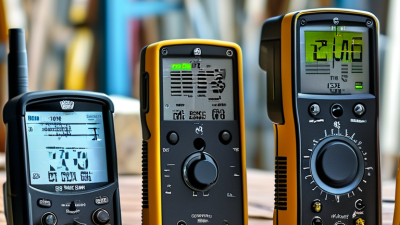
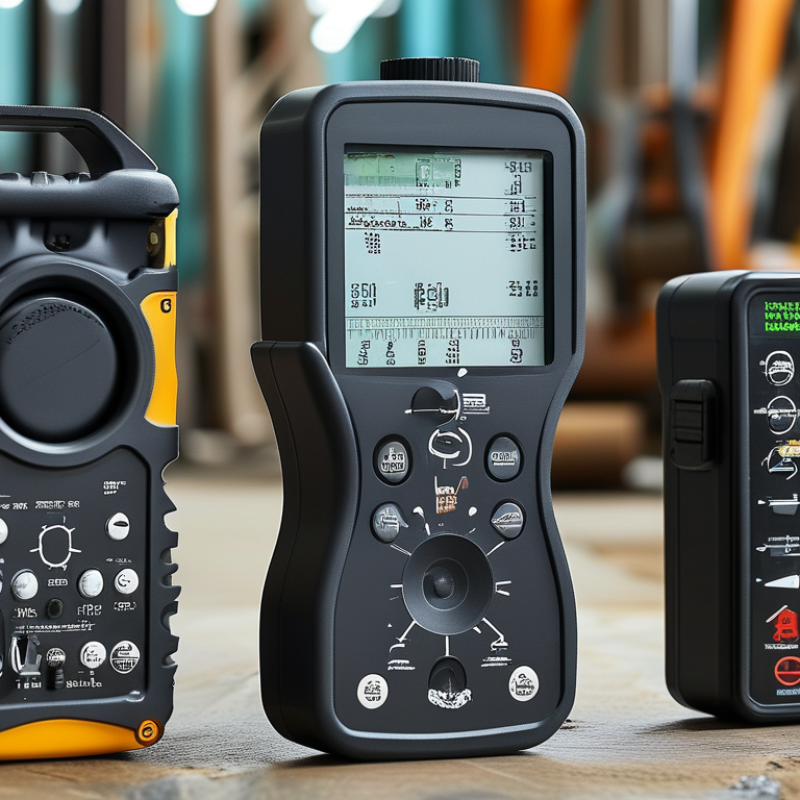
A noise dosimeter is a compact personal instrument that measures sound exposure over time. Unlike a handheld sound level meter, it follows the worker’s actual acoustic environment. The device is usually worn near the ear, often on the shoulder or collar. It records changing sound levels during a complete work shift.

Its main function is calculating cumulative exposure, often through time-weighted averages, peak levels, and dose percentages. A practical unit should have a clear display, secure mounting clip, and sufficient battery life for long shifts. Data storage also matters. Engineers can review exposure patterns after work instead of relying on brief spot measurements. Calibration before and after use improves confidence, although it does not remove every measurement error.

Noise dosimeters are common in factories, construction areas, workshops, airports, and entertainment venues. In a metalworking shop, the reading may rise sharply when a press starts. In a warehouse, forklifts and alarms can create short but repeated peaks. I have found that wearing position affects results more than many users expect. Loose clothing, helmets, or incorrect microphone placement can distort the record. Not every high reading indicates the same risk, either. The task, exposure duration, equipment condition, and surrounding surfaces all require professional judgment. Regular training helps buyers select suitable instruments and interpret results responsibly. Calibration logs should remain with the measurement records.

How to Evaluate Noise Dosimeter Manufacturers in China

China Top 10 Noise Dosimeter Manufacturers for Global Buyers

When evaluating noise dosimeter manufacturers in China, inspect their production process, not only their product catalog. Ask how microphones are tested, matched, and protected during assembly. A reliable supplier should provide calibration records with traceable instruments. Request sample reports, including measurement range, frequency weighting, and time-history data. Small details matter.

Test a Personal Noise Dosimeter in realistic conditions. Wear it near machinery, inside a workshop, and during vehicle movement. Check whether the display remains readable under harsh lighting. Examine battery life, charging stability, data storage, and software export formats. A sample may perform well in a quiet office but fail beside vibrating equipment. That gap deserves attention.

Review the manufacturer’s quality system and technical team. Confirm whether calibration support, replacement sensors, manuals, and remote training are available after purchase. Ask about production consistency across several units, not just one sample. Export experience is useful, but documentation quality still needs verification. Some suppliers answer quickly yet provide vague technical evidence. That is a warning sign. No factory is perfect. An honest discussion of measurement limits can be more valuable than polished promises. Also check packaging, serial-number tracking, and response times for service questions before placing a large order.

China’s Top 10 Noise Dosimeter Manufacturers for Global Buyers

China’s top 10 noise dosimeter manufacturers for global buyers serve factories, construction sites, laboratories, and occupational health teams. Their instruments commonly track personal noise exposure across a full work shift. A practical unit should record sound levels, peak values, dose percentages, and time history. The Dosimeter Sound function must remain stable when clothing, helmets, or moving workers affect microphone placement.

Experienced buyers should inspect calibration procedures, microphone quality, battery endurance, and software compatibility. A device that lasts only six hours may fail during a night shift. Check whether the manufacturer provides calibration certificates, user training, firmware support, and replacement accessories. Compliance with recognized measurement standards also matters. Ask for test reports rather than relying on polished product descriptions.

No ranking is perfect. Some suppliers communicate well before payment but respond slowly after delivery. Others offer strong hardware with confusing software. That difference appears during real fieldwork. Test sample files on your own computer, review data export formats, and confirm whether technical support covers your region. A clear warranty, traceable production records, and responsive engineers can reduce costly measurement errors. Small details matter. A loose clip or weak cable may distort readings in a busy workshop.

Product Features and Technologies Offered by the Top Manufacturers

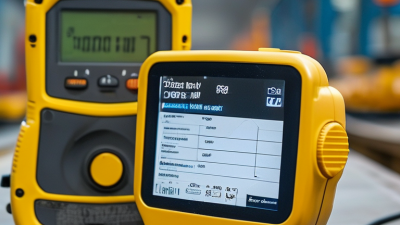
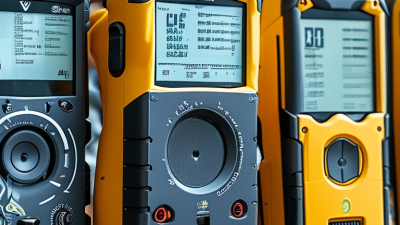
Noise dosimeters from leading manufacturers now combine compact designs with precise workplace sound monitoring. Most units use a calibrated microphone, digital signal processing, and adjustable frequency weightings. A worker can wear one on the shoulder, close to the ear, without restricting movement. Clear color screens show sound level, exposure percentage, peak values, and remaining measurement time.

Modern models often support simultaneous measurement settings, such as different exchange rates and threshold levels. This helps safety professionals compare internal policies with international assessment practices. Some devices record time-history data at short intervals, revealing noise changes from machinery starts, alarms, or production cycles. Bluetooth and USB connections simplify data transfer, while cloud-ready software can organize reports across multiple work areas. However, wireless features may add configuration steps. Not every site needs them.

Reliable manufacturers also emphasize field calibration before and after each survey. Acoustic calibrators, automatic status checks, and overload warnings reduce avoidable errors. Several products include large memory capacity, rechargeable batteries, and dust-resistant housings for demanding industrial environments. A well-designed clip matters too; if the dosimeter shifts during a shift, the results may become less representative. No instrument is perfect. Microphone placement, clothing friction, battery condition, and worker behavior still influence the final record. Experienced technicians review unusual graphs instead of accepting software results without question. That small pause often separates useful evidence from a misleading number.

Comparing Quality, Certifications, Pricing, and Export Capabilities

China Top 10 Noise Dosimeter Manufacturers for Global Buyers

When comparing the China top 10 noise dosimeter manufacturers, buyers should examine quality beyond product photos. A reliable Sound Dosimeter should provide stable readings, clear menus, and a durable microphone cable. Test records should show repeated measurements under similar workplace conditions. Small details matter. A loose connector can damage an otherwise useful instrument.

Certification claims require careful checking. Ask for current documents covering applicable standards, calibration procedures, and electrical safety requirements. Independent laboratory reports are more convincing than generic compliance statements. Factory quality systems, incoming component checks, and final inspection records also reveal manufacturing discipline. Some suppliers offer calibration certificates, but the certificate’s traceability and issuing laboratory deserve review.

Pricing should include software, accessories, calibration, training, warranty support, and replacement microphones. The lowest quote is not always a bargain. Sometimes, it is. Export capability also affects the real cost. Confirm packaging quality, shipping experience, technical English, customs documents, and response times across different time zones. Request a sample order before purchasing at scale. In my experience, suppliers often describe delivery as simple, yet small delays expose weak coordination. Buyers should compare total ownership cost, not only the unit price, while allowing room for their own testing mistakes.

How Global Buyers Can Select the Right Chinese Manufacturer

Selecting a Chinese noise dosimeter manufacturer requires more than comparing prices. The CDC/NIOSH occupational noise criteria recommend an 85 dBA exposure limit over eight hours, using a 3 dB exchange rate. A suitable Dosimeter Device should therefore support adjustable exchange rates, peak measurements, time-weighted averages, and clear exposure-dose reports. Ask for test records, calibration procedures, and evidence of compliance with IEC 61252 or equivalent standards.

Check the factory, not only its website. Request a production sample and inspect the microphone, clip strength, display readability, battery endurance, and software export functions. ISO 9612 emphasizes reliable workplace noise assessment, so the supplier should explain microphone placement and measurement workflows. Calibration certificates from an ISO/IEC 17025-accredited laboratory add credibility. Small details matter.

The WHO World Report on Hearing (2021) estimates that over 1.5 billion people live with hearing loss globally. This makes measurement quality a serious purchasing issue. A supplier should provide firmware controls, multilingual manuals, training, spare microphones, and responsive technical support. Ask how failed units are analyzed. A low quote can hide expensive recalibration and delayed replacements. I would also compare three real noise environments, such as a workshop, construction site, and quiet office. Marketing claims often look perfect. Field performance may not. A useful weakness to examine is data management; some devices record accurately but produce confusing reports. Require a trial period, written acceptance criteria, and secure export files before placing a larger order.

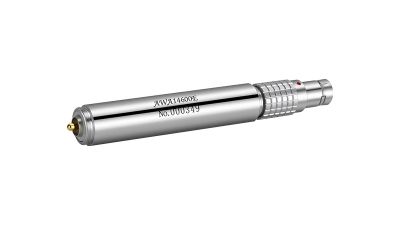
RF & Microwave Test Equipment Outlook 2025 (MarketsandMarkets): AWA14600E for Precision Measurements

The RF and microwave test equipment market is moving toward greater measurement precision, broader bandwidth, and improved signal integrity. In this environment, the AWA14600E offers a practical solution for laboratories and engineering teams requiring reliable amplification during precision acoustic and high-frequency measurements. Its self-noise is as low as ≤3 μV (A-weighted), helping preserve weak signals with minimal interference. With a frequency response extending to 200 kHz, the amplifier supports accurate signal reproduction across a wide range of advanced testing applications.

Designed with an ultra-high input impedance of ≥10 GΩ, the AWA14600E minimizes signal loading and helps maintain measurement stability, even when connected to sensitive instrumentation. Its low-distortion output, with total harmonic distortion of ≤0.1%, provides high linearity and faithful signal amplification. The system also supports both 1/2-inch prepolarized microphones and 200V polarized microphones, enabling flexible integration into different measurement configurations. These capabilities make it suitable for demanding laboratory setups where clean transmission, dependable performance, and compatibility with diverse sensing systems are essential.

FAQS

: How should I evaluate a noise dosimeter manufacturer?

: Inspect the production process, not only the product catalog. Ask how microphones are tested, matched, and protected during assembly. Request calibration records using traceable instruments. Small details matter.

What should I check in a product sample?

Test the unit near machinery, inside a workshop, and during vehicle movement. Check microphone placement, clip strength, display readability, and vibration resistance. A quiet office test is not enough. That gap matters.

Which measurement functions are important?

Look for peak levels, time-weighted averages, exposure dose, and adjustable exchange rates. The device should support an eight-hour, 85 dBA reference when required. Frequency weighting and measurement range should be clearly documented.

How can I verify calibration quality?

Ask for calibration procedures and recent certificates from an accredited laboratory. Confirm whether instruments are traceable and regularly maintained. One certificate may not prove consistent production across many units. Check several samples.

What should I examine about battery and data performance?

Test battery endurance, charging stability, internal storage, and software export formats. Use the device during a full work shift. Open the exported report and inspect dose, time history, and missing data. Reports can become confusing.

What support should a manufacturer provide after purchase?

Confirm access to manuals, remote training, replacement microphones, firmware controls, and technical assistance. Ask how failed units are analyzed and repaired. Response time matters when measurements support workplace decisions.

How can I compare manufacturers beyond price?

Compare production samples, calibration evidence, packaging, serial-number tracking, and service responses. Request written acceptance criteria before ordering larger quantities. A low quote may hide recalibration costs or delayed replacements. Price is only one signal.

What warning signs should global buyers notice?

Be careful when answers are fast but technical evidence remains vague. Ask for sample reports showing measurement range, frequency weighting, and time-history records. Require secure data exports and a practical trial period. No factory is perfect.

Conclusion

This guide introduces the Noise Dosimeter, a professional instrument used to measure personal noise exposure over time and support effective hearing conservation programs. It explains the device’s main functions, including time-weighted average measurements, peak monitoring, data storage, software analysis, and applications in manufacturing, construction, transportation, energy, and other working environments. Readers will also learn how to evaluate Chinese manufacturers by examining product accuracy, durability, calibration support, technical expertise, quality management, certifications, and after-sales service.

The article presents ten leading categories of Chinese Noise Dosimeter manufacturers for global buyers without focusing on individual brands. It compares the technologies, user-friendly features, connectivity options, pricing structures, production capabilities, export experience, and documentation commonly offered by established suppliers. Finally, it provides practical guidance for selecting the right partner by matching product specifications, compliance requirements, budget, order quantity, customization needs, delivery expectations, and long-term support. This overview helps international purchasers make informed, efficient, and reliable sourcing decisions.
Liam

Liam

Liam is a dedicated marketing professional specializing in the acoustic measurement industry. With extensive knowledge of our product range, which includes sound level meters, noise dosimeters, calibrators, audiometric calibration systems, microphones and accessories, software products, and......
Previous How to Choose the Right Accelerometer in 2026?