- Home
- About Us
- Products
- Application
- Resource
- News
- Contact Us
Leave Your Message
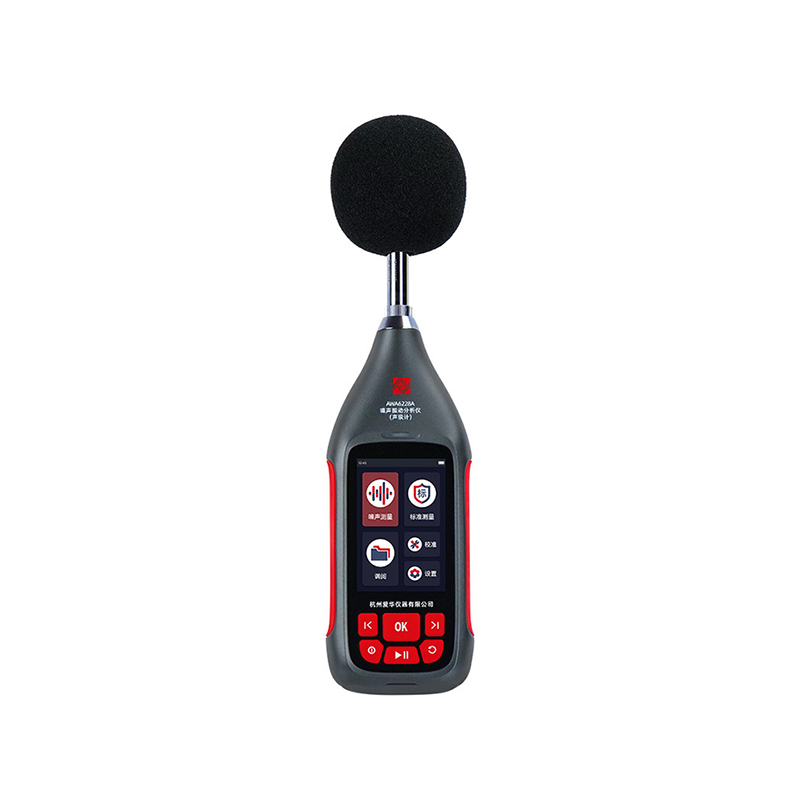
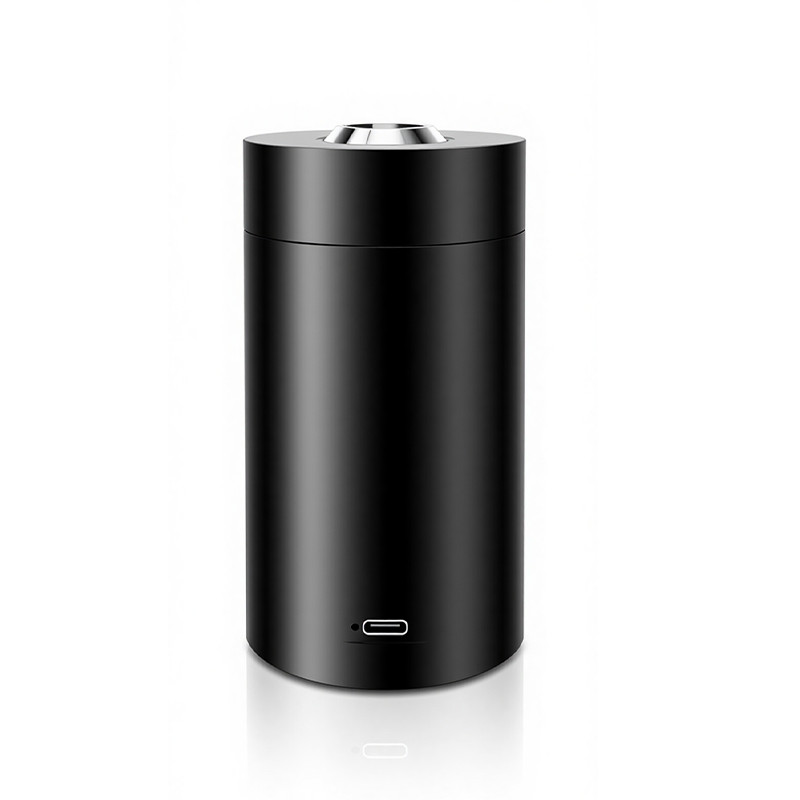
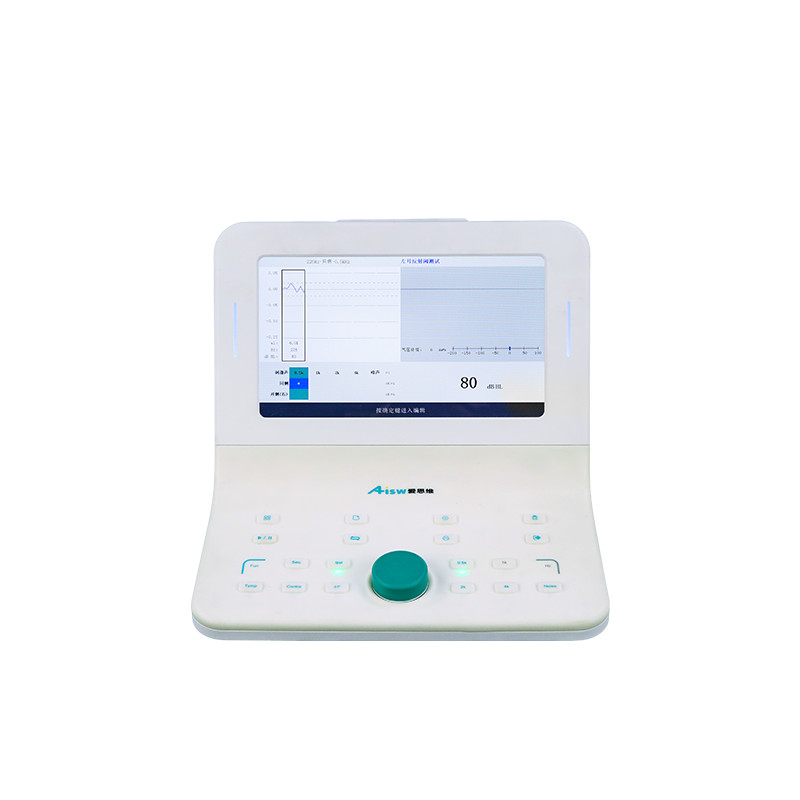
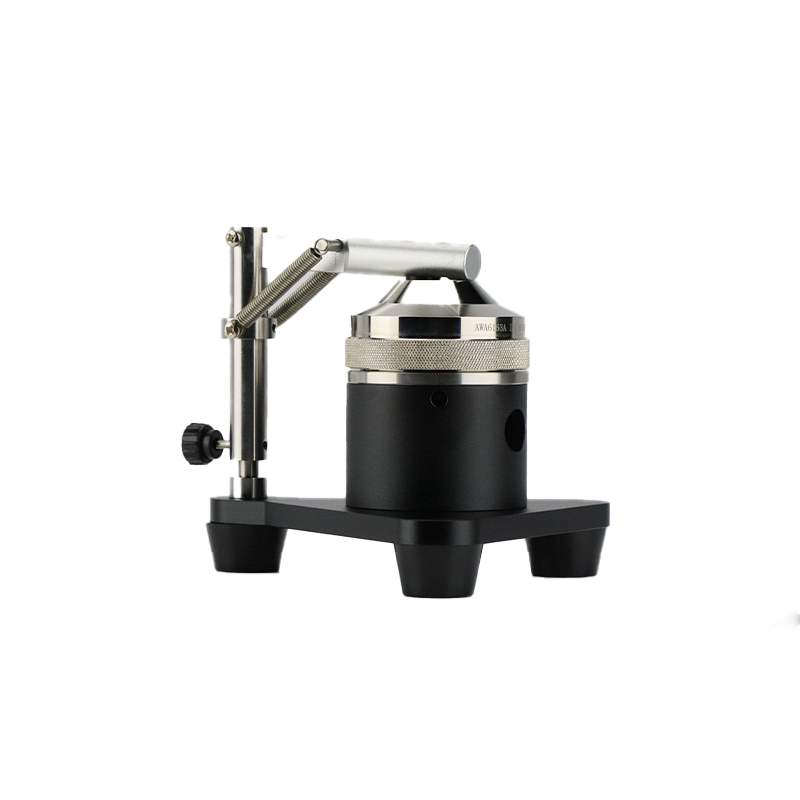
Explore our dedicated acoustic calibrators, high-definition sound level analyzers, dynamic measurement microphones, and ultrasonic acoustic imagers tailored for predictive machinery maintenance and condition tracking.
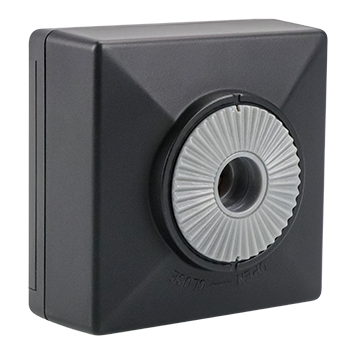
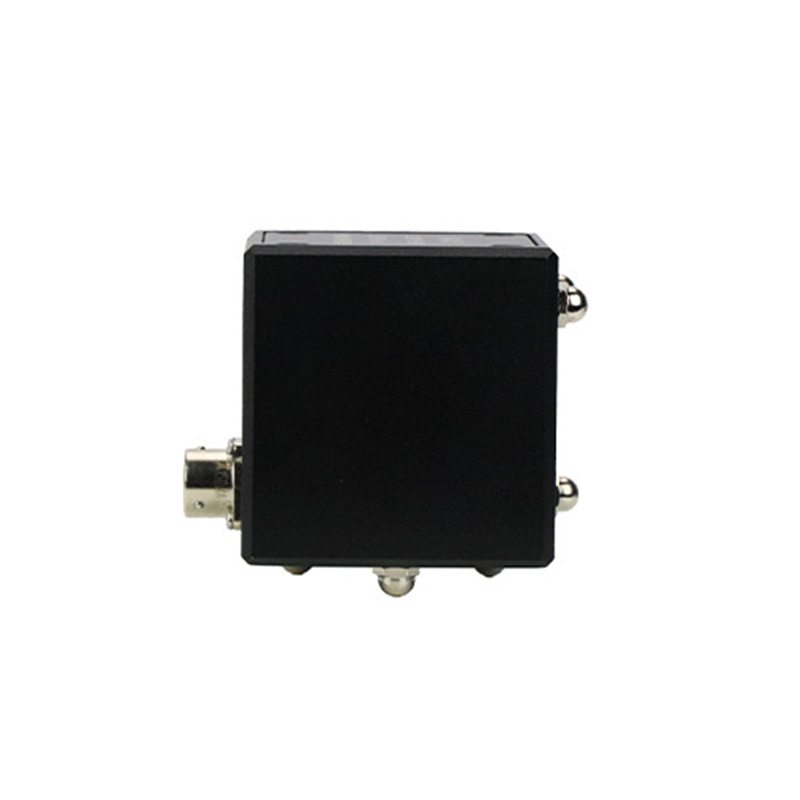
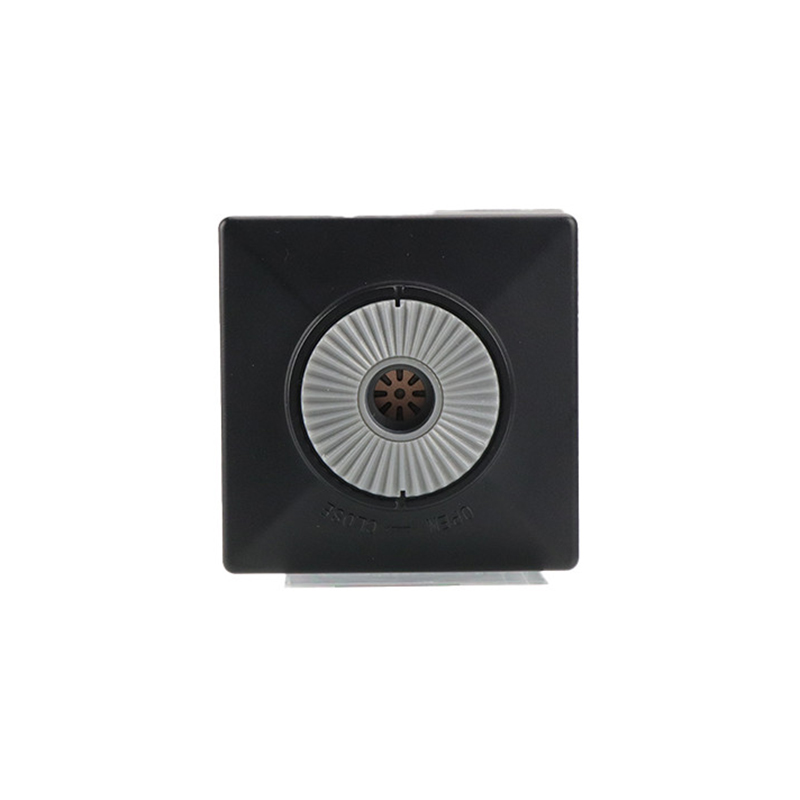
Ensures laboratory-grade reference accuracy for acoustic emission and vibration sound fields prior to continuous predictive maintenance cycles.
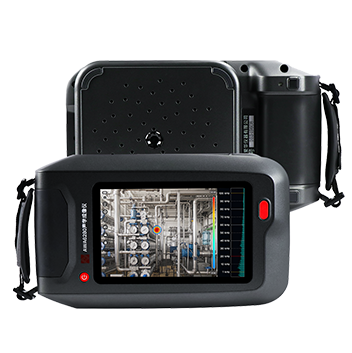
Combines microphone array beamforming with high-speed optical overlays to visualize pressurized leaks, electrical discharge, and friction anomalies instantly.
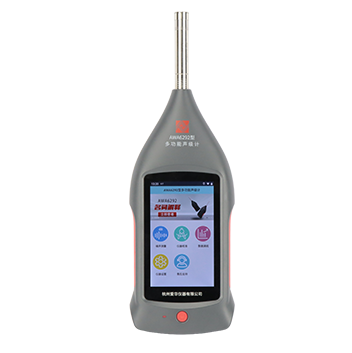
Delivers real-time 1/1 and 1/3 octave spectral analysis, capturing broadband machinery noise profiles and subtle bearing resonance characteristics.
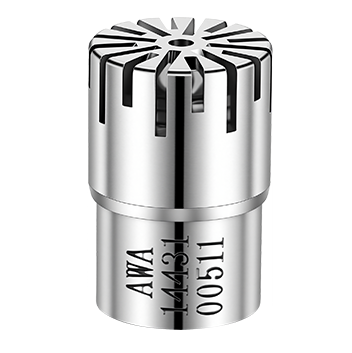
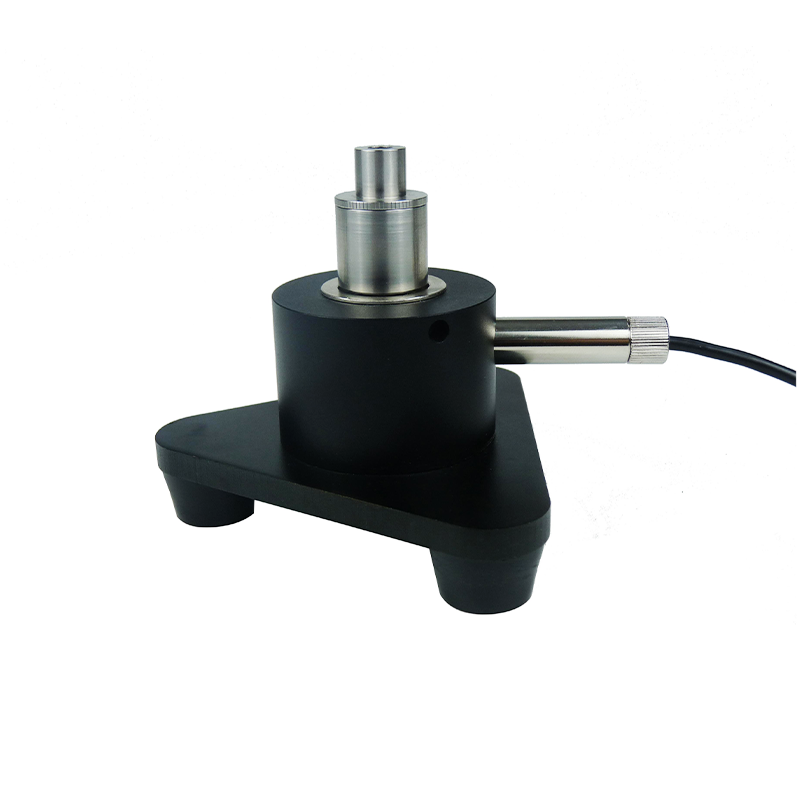
In-house engineered diaphragm cartridge delivering ultra-flat frequency response, low self-noise, and extreme stability under punishing continuous plant operations.
Unplanned machinery downtime remains one of the largest single drains on heavy industrial profitability, costing global manufacturing, oil & gas, power generation, and chemical processing facilities an estimated $50 billion annually. Conventional preventive maintenance strategies—relying primarily on scheduled calendar-based overhaul intervals—frequently cause needless maintenance of healthy equipment or, worse, fail to detect acute catastrophic failures initiated by subsurface fatigue, dynamic load surges, or sudden lubrication starvation.
The convergence of Industry 4.0, Artificial Intelligence of Things (AIoT), and ultra-wide dynamic acoustic vibration sensors has altered this paradigm. By monitoring both acoustic emission (AE) waveforms in the ultrasonic spectrum (20 kHz to >500 kHz) and low-to-mid-frequency mechanical vibrations (0.5 Hz to 10 kHz), modern predictive maintenance (PdM) platforms can observe microscopic friction waves weeks or months before thermal expansion, surface spalling, or perceptible balance issues manifest.
Unlike standard vibration velocity sensors that alert engineers only during advanced stage-3 and stage-4 mechanical failure, high-frequency acoustic vibration transducers detect stress waves induced by dislocation movement and micro-cracking at the crystal lattice level, offering the earliest known mechanical warning window.
Industrial production floors are saturated with heavy low-frequency acoustic noise from presses, compressors, and diesel engines. By targeting the ultrasonic band above 20 kHz, acoustic emission sensing completely circumvents audible factory background interference, achieving an immaculate signal-to-noise ratio.
Understanding how high-frequency stress wave propagation complements low-frequency velocity and displacement analysis enables condition monitoring engineers to build multi-tiered prognostic defense systems.
When localized plastic deformation, micro-cracking, or boundary lubrication breakdown occurs in rotating components, strain energy is released abruptly as transient elastic stress waves. These acoustic bursts travel through the metal housing at sonic velocities (approx. 5,000 m/s in steel) and are converted by high-sensitivity piezoelectric elements into measurable millivolt signals, long before macro-movement appears.
Kinematic machine faults such as unbalance, shaft misalignment, mechanical looseness, and late-stage gear pitch-line pitting induce oscillatory inertial forces. These forces are measured using wide-dynamic accelerometers through velocity (RMS) and acceleration peak metrics according to ISO 10816 / ISO 20816 standards, providing quantitative metrics of mechanical structural integrity.
By applying High-Frequency Resonance Techniques (HFRT) and Hilbert transform-based envelope extraction, the sensor system filters out overwhelming low-frequency shaft rotational harmonics, isolating the repetitive impulse ringing caused by rolling elements impacting localized raceway micro-defects.
| Diagnostic Parameter | Acoustic Vibration Transducer (AE) | Standard Piezoelectric Accelerometer | Infrared Thermography |
|---|---|---|---|
| Primary Frequency Range | 20 kHz to 500+ kHz (Ultrasonic) | 0.5 Hz to 12 kHz (Mechanical) | Steady-state thermal radiation (DC) |
| Earliest Fault Detection Stage | Stage 1 (Subsurface micro-fatigue, dry friction) | Stage 2–3 (Raceway spalling, vibration spikes) | Stage 4 (Excessive friction, imminent seizure) |
| Typical Advance Notice Lead Time | 30 to 180 Days prior to critical failure | 7 to 30 Days prior to critical failure | Hours to a few days prior to failure |
| Susceptibility to Plant Noise | Virtually Zero (Operates above audible spectrum) | Moderate (Affected by floor structural rumble) | High (Affected by ambient temperature fluctuations) |
| Optimal Application Target | High-speed spindling, slow-speed slew bearings, lubrication | Unbalance, misalignment, loose mounts, structural resonance | Electrical resistance joints, motor cooling blockages |
From high-speed precision manufacturing to punishing maritime and energy generation environments, tailored condition monitoring sensors safeguard high-value industrial infrastructure.
Mining excavators, wind turbine yaw mechanisms, and ladle turrets rotate at speeds below 10 RPM, generating virtually undetectable inertial vibration energy. High-sensitivity acoustic sensors capture the transient stress waves generated as bearing rollers cross microscopic spalls, overcoming the physical limitations of conventional velocity probes.
Operating between 18,000 and 60,000 RPM, precision tool spindles demand instantaneous fault alerting to prevent catastrophic workpiece gouging and tool breakage. Real-time acoustic vibration feedback detects improper tool engagement, thermal axial growth, and ceramic ball bearing cage degradation within milliseconds.
Pump impellers operating off their Best Efficiency Point (BEP) experience severe localized vapor bubble implosions. Acoustic sensors mounted on the volute casing detect the distinct broad-spectrum high-frequency shocks of micro-cavitation long before impeller pitting and hydraulic instability cause complete pump destruction.
Wind turbine and steel rolling mill gearboxes operate under continuously fluctuating torque, wind gusts, and cyclic fatigue. Dual-modality acoustic vibration transducers differentiate between normal tooth contact stress and early pitch-line micro-pitting, scuffing, or planetary sun gear tooth root micro-cracking.
High-voltage transformers, gas-insulated switchgear (GIS), and motor terminal enclosures produce acoustic pressure pulses when electrical insulation breaks down. Acoustic beamforming imagers and contact transducers locate micro-arcs and partial discharge sites without requiring plant shutdown or circuit de-energization.
Compressor plate valves undergo tens of thousands of impact cycles per hour. Valve leakage, late closing, or spring fracture creates turbulent gas escaping patterns that produce elevated ultrasonic acoustic signatures, allowing operators to rebuild valve modules before uncompressed gas compromises safety.
High-sample-rate acoustic telemetry (often exceeding 1 MSa/s per channel) poses immense bandwidth challenges for standard industrial networks. Streaming continuous gigabytes of raw time-domain data into the cloud is neither cost-effective nor technically viable across sprawling industrial installations. The future of predictive maintenance lies in smart, edge-computed feature extraction.
Embedded Digital Signal Processors (DSPs) and ultra-low-power microcontrollers directly integrated within the sensor enclosure compute real-time statistical metrics—such as Kurtosis, Skewness, Crest Factor, Energy Spectrum Ratios, and Peak-to-Average Power Ratios (PAPR). When anomalous acoustic spikes trigger threshold alerts, the sensor switches dynamically into burst-capture mode, uploading rich high-resolution time-waveform packets for AI-based machine learning classification and Digital Twin synchronization.
Piezo-ceramic and pre-polarized condenser elements with in-house crafted diaphragm capsules.
Sub-band FFT filtering, peak extraction, and root-mean-square calculations performed on-chip.
Hardened Modbus/MQTT/OPC-UA data transport over Ethernet, 5G, or LoRaWAN industrial protocols.
Deep neural networks correlating operational load, speed, and ambient variables with asset failure curves.
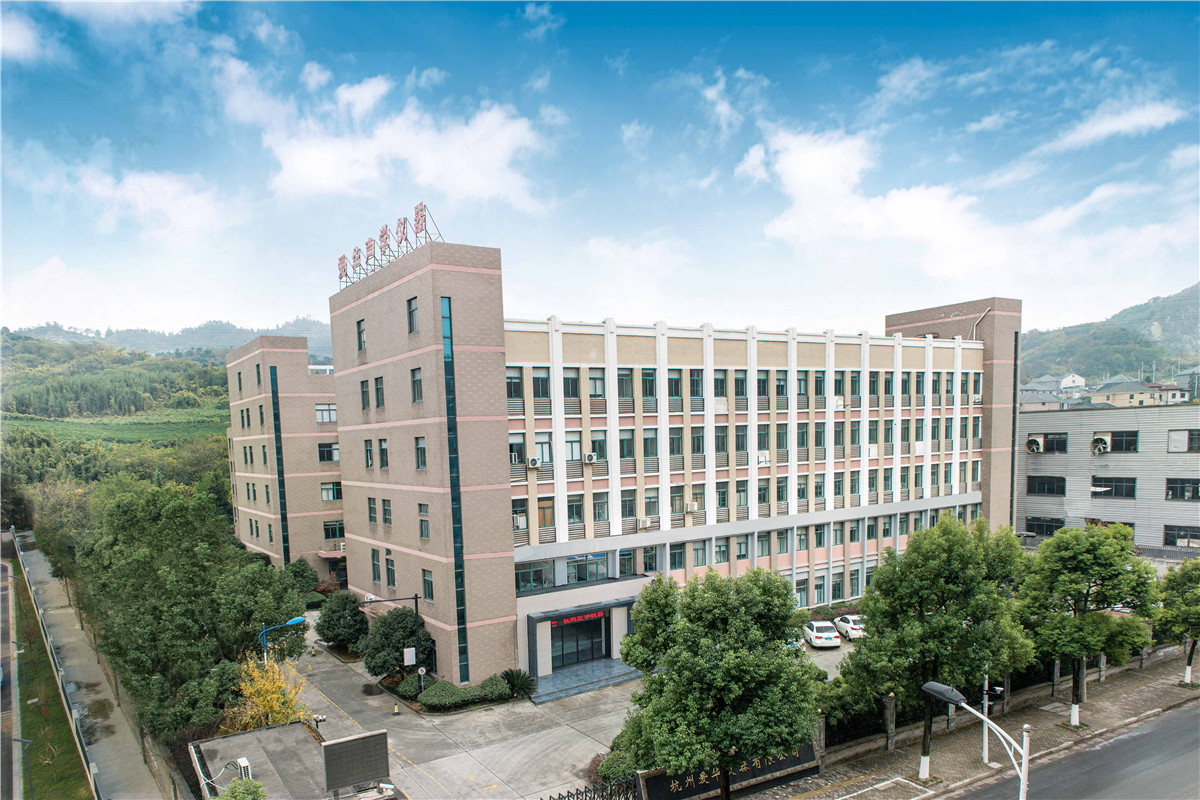
Founded in 1992, Aihua Instruments is a Hangzhou-based manufacturer specializing in precision acoustic testing and vibration measurement instrumentation. With over 30 years of unwavering dedication to the acoustic and vibration field, we have established ourselves as one of China's foremost high-tech enterprises in this domain. From our early days as a pioneering research institute to today's internationally recognized brand, our growth reflects a relentless commitment to technological excellence and customer satisfaction.
Our engineering capabilities encompass the end-to-end realization of acoustic instrumentation, from microscopic diaphragm cartridge micro-machining and rigorous environmental stress screening to advanced signal processing firmware. Today, Aihua's solutions power condition monitoring, environmental noise verification, and mission-critical vibration analysis for Fortune 500 manufacturing leaders, testing laboratories, and government metrology bodies worldwide.
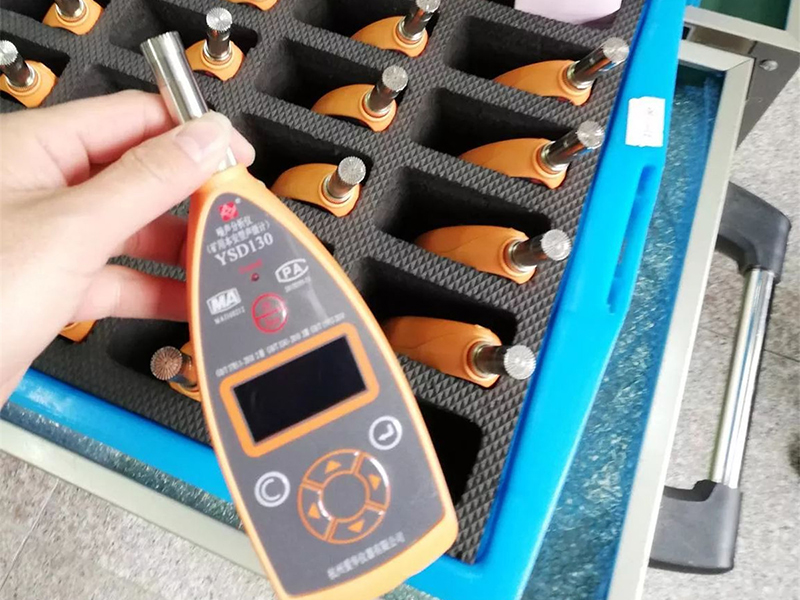
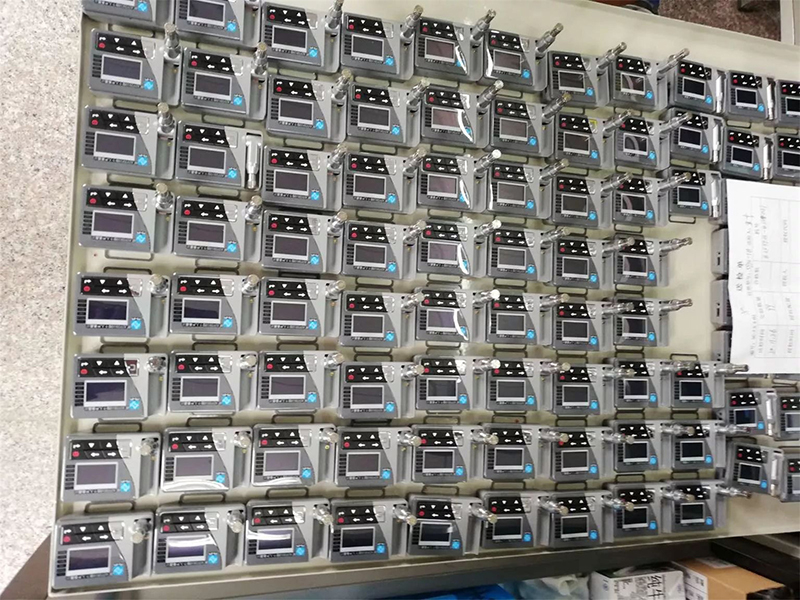
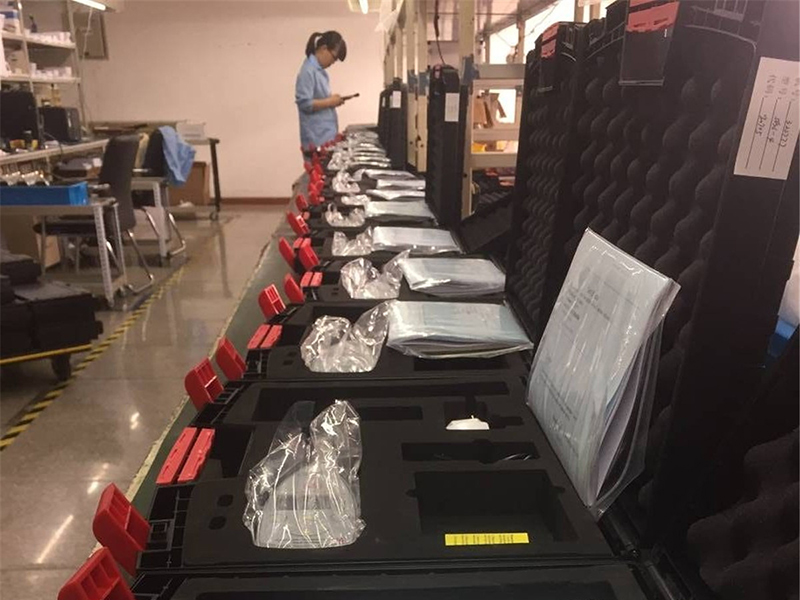
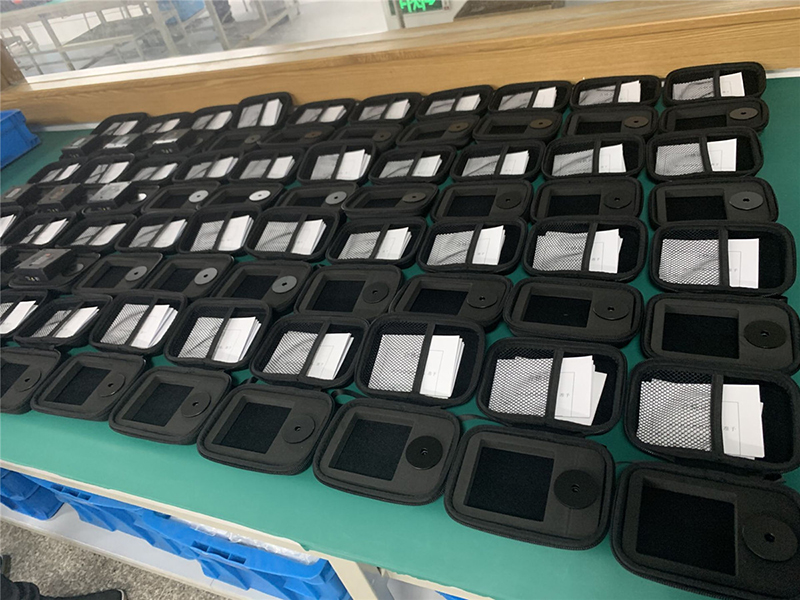
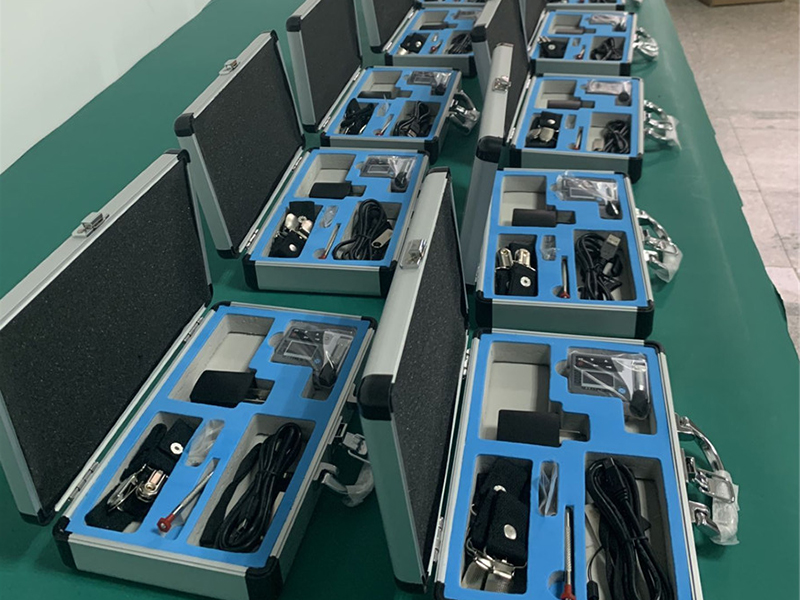
Step inside our standardized manufacturing facility featuring class-1 anechoic chambers, vibration calibration shakers, automated surface-mount assembly lines, and rigorous environmental burn-in ovens.
Your Trusted Partner in Acoustic & Vibration Measurement Instrumentation, providing end-to-end hardware, software, and metrology solutions.
Our fully equipped manufacturing facility features advanced automated test systems, ensuring every product meets strict quality benchmarks before leaving the factory.
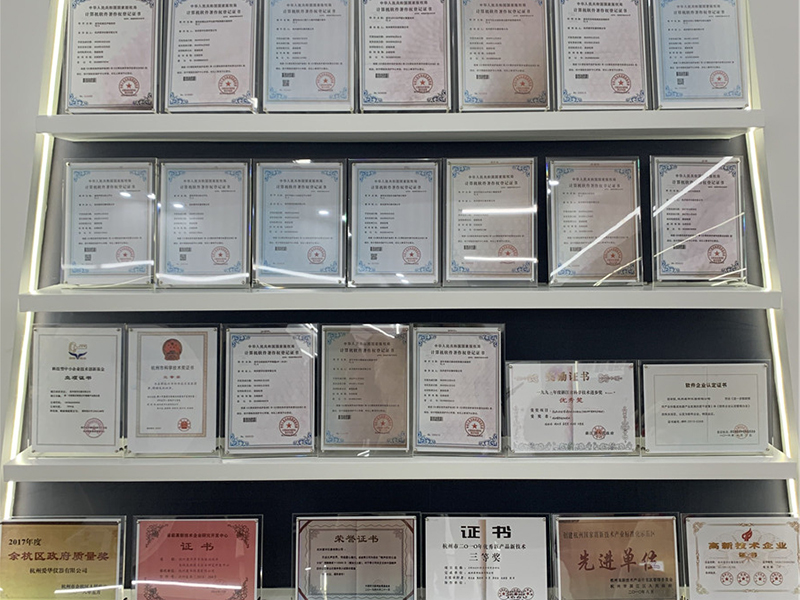
Identified as a provincial High-tech Enterprise R&D Center, our dedicated engineering team continuously drives innovation in digital detection, signal processing, and remote monitoring technologies, and supports OEM/ODM partnerships.
Our management systems and products hold ISO 14001, ISO 45001, CE, and RoHS certifications, demonstrating our commitment to environmental responsibility, workplace safety, and global compliance.
We export to over 40 countries across Europe, North America, South America, and Asia, with a strong reputation built on consistent quality and competitive pricing.
Backed by professional engineers, we deliver responsive, expert support throughout the entire product lifecycle, ensuring our customers always have the assistance they need.
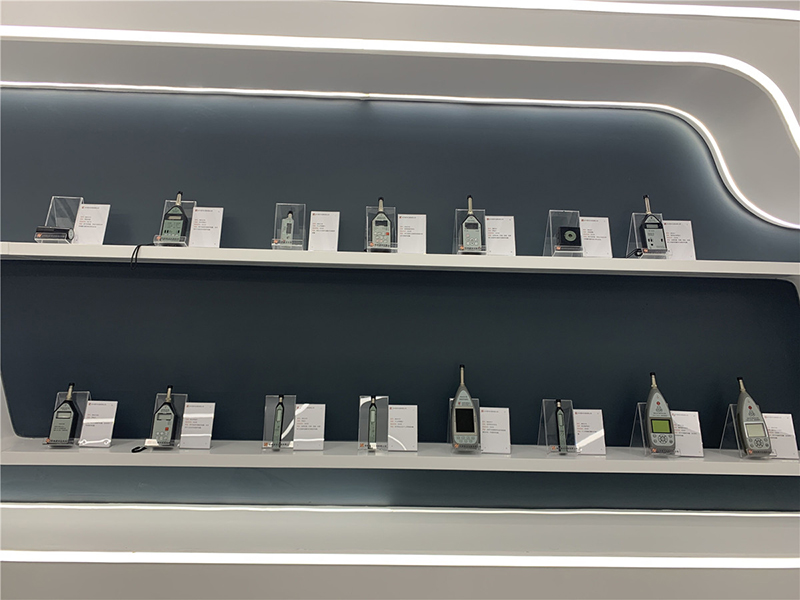
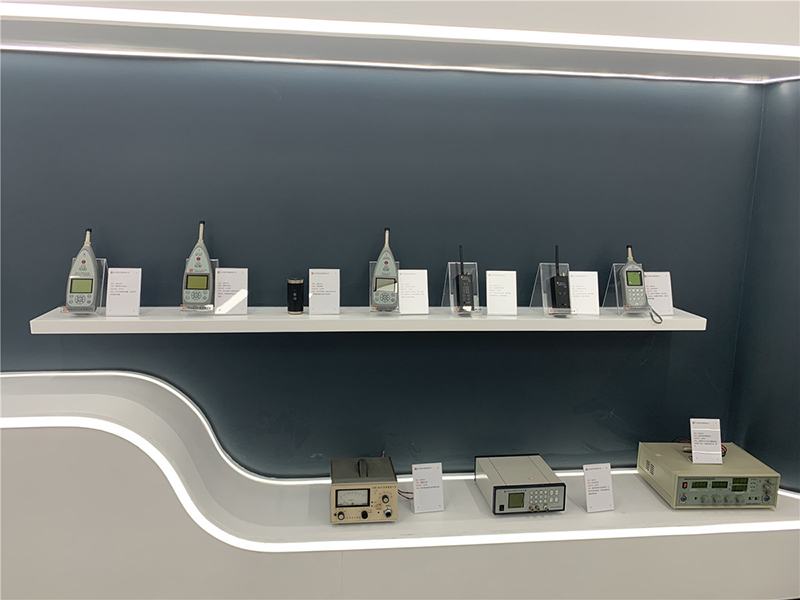
Explore our full ecosystem of specialized instrumentation designed for condition monitoring, metrological verification, acoustic impedance analysis, and machinery vibration diagnostics.
Consult with our engineering team today to configure tailored acoustic vibration telemetry, calibrators, and continuous predictive maintenance sensor arrays designed for your specific machinery condition monitoring environment.
Inquire Now & Request Technical Consultation