- Home
- About Us
- Products
- Application
- Resource
- News
- Contact Us
Leave Your Message
Essential measurement hardware, sound calibrators, and reference analyzers trusted by ISO 17025 accredited audiology laboratories and hearing health clinics worldwide.
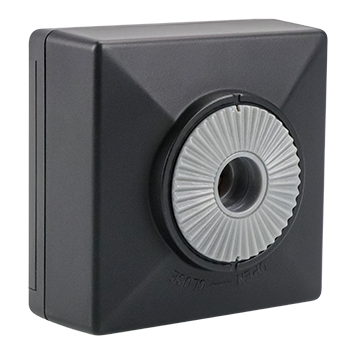
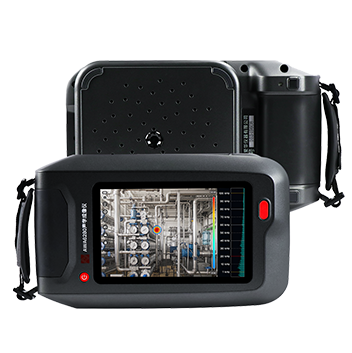
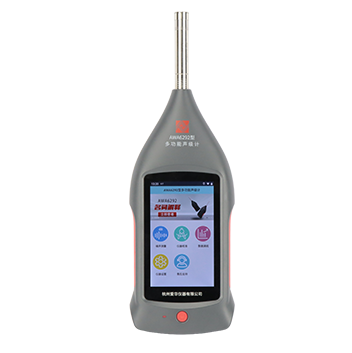
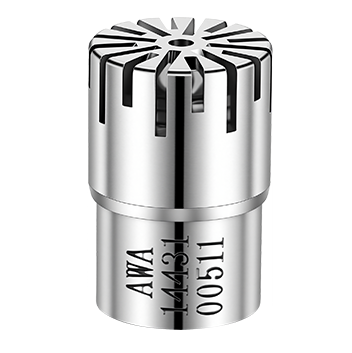
In clinical audiology, diagnostic accuracy directly hinges on the physical integrity and traceable calibration of sound stimulation hardware. An acoustic microphone is the primary baseline transducer validating every decibel delivered to the human auditory canal.
Diagnostic audiometers measure hearing threshold levels down to 0 dB HL (referenced to 20 µPa at 1 kHz). Calibration microphones must offer ultra-low internal self-noise below 15 dBA to verify pure tones at borderline perceptual limits without transducer-induced noise artifacts.
Rigorous conformity to IEC 60645-1 (Electroacoustics - Audiometric Equipment), ANSI S3.6 (Specifications for Audiometers), and ISO 389 ensures that diagnostic evaluations performed in one medical facility correspond precisely with clinical results generated anywhere else across the globe.
High-output stimuli used during uncomfortable loudness level (UCL) evaluations or bone-conduction testing demand exceptional acoustic overload points (>140 dB SPL). Specialized pressure-field microphones maintain linearity without clipping or harmonic corruption.
Hearing health diagnostics have advanced substantially beyond fundamental pure-tone air conduction testing. Contemporary audiological medicine incorporates automated Auditory Brainstem Response (ABR), Distortion Product Otoacoustic Emissions (DPOAE), extended high-frequency audiometry up to 16 kHz or 20 kHz, and complex real-ear measurements (REM) for advanced digital hearing aid and cochlear implant fittings. In every one of these advanced medical protocols, the integrity of clinical decision-making relies unreservedly on the acoustic transducer used during routine calibration cycles.
When an audiometer transducer—whether a supra-aural earphone like the Telephonics TDH-39, a circumaural headset like the Sennheiser HDA-200, or an insert earphone like the Etymotic ER-3A—drifts by merely 3 dB SPL, patient audiograms will reflect artificial threshold shifts. Such discrepancies can result in unwarranted pediatric interventions, misdiagnosed noise-induced hearing loss in occupational health screenings, or poorly fitted hearing prostheses that exacerbate auditory fatigue. High-grade prepolarized and externally polarized acoustic measurement microphones serve as the ultimate metrological check, translating minute acoustic sound waves within artificial ears and couplers into stable, repeatable electrical signals.
Understanding the physics of sound propagation inside artificial ear cavities is essential when choosing calibration microphones for audiological diagnostics.
Inside an acoustic coupler (such as an IEC 60318-1 artificial ear for supra-aural headphones or an IEC 60318-4 occluded-ear simulator for insert earphones), the acoustic environment constitutes a confined cavity where sound waves propagate without free-field diffraction. A pressure-field microphone cartridge is specifically calibrated to produce a completely flat frequency response under uniform acoustic pressure conditions, whereas a free-field microphone would introduce unwanted high-frequency boosts (up to 8-10 dB at 10 kHz) due to its self-compensating diaphragm diffraction profile.
| Acoustic Parameter | IEC 60318-1 Ear Simulator (Supra-aural) | IEC 60318-4 Occluded Ear Simulator (Insert) | Sound Field Free-Field Booth Calibration |
|---|---|---|---|
| Target Transducer | TDH-39, TDH-49, DD45, HDA-280 | ER-3A, ER-5A, Insert Earphones, Hearing Aids | Free-Field Loudspeakers (Pediatric Testing) |
| Microphone Cartridge Type | 1/2" Pressure-Field Condenser (Prepolarized) | 1/2" or 1/4" Pressure-Field Condenser | 1/2" Free-Field Measurement Microphone |
| Frequency Range | 125 Hz to 8,000 Hz | 100 Hz to 16,000 Hz (Extended HF) | 125 Hz to 8,000 Hz (Sound Field PTA) |
| Acoustic Cavity Dynamic | Closed Volume (~6 cm³ equivalent compliance) | Complex Multi-Chamber Resonator (~1.26 cm³) | Open Space / Anechoic or Semi-Reverberant Booth |
| Typical Sensitivity | 50 mV/Pa (High sensitivity for threshold checks) | 12.5 to 50 mV/Pa depending on size | 50 mV/Pa (Class 1 IEC 61672-1 compliant) |
Traditional audiology focused primarily on the speech intelligibility spectrum (250 Hz to 8 kHz). However, contemporary pharmacology, oncology monitoring (detecting ototoxicity caused by platinum-based chemotherapy), and pediatric audiology necessitate extended high-frequency (EHF) audiometric evaluations spanning 8 kHz to 20 kHz. At frequencies above 10 kHz, acoustic wavelengths become shorter than 3.4 cm, which is comparable to the physical dimensions of standard 1/2-inch microphone diaphragms.
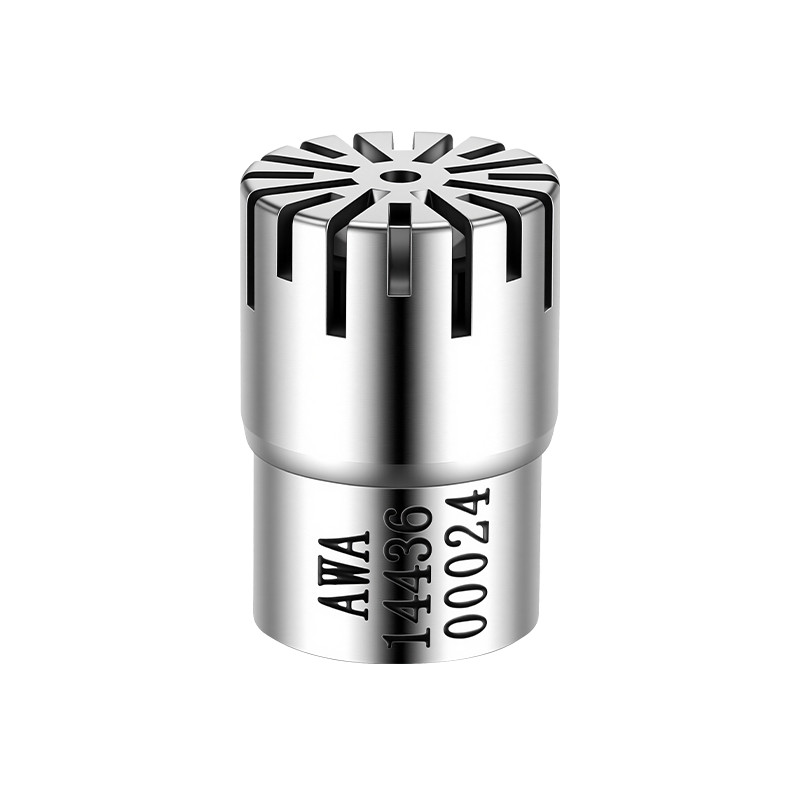
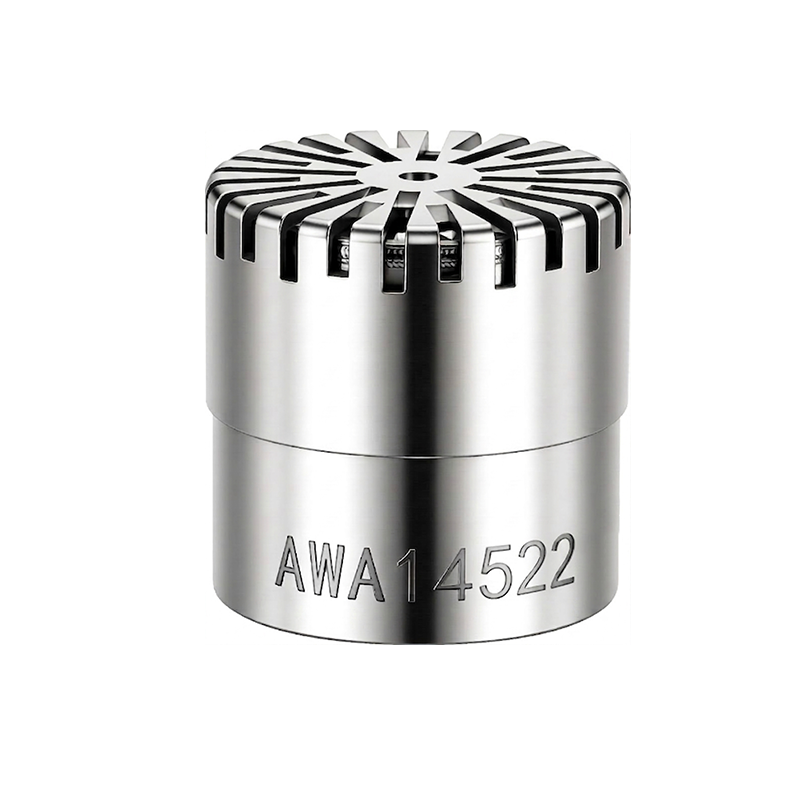
In these complex testing scenarios, 1/4-inch prepolarized wideband pressure microphones (such as the AWA14436 series) provide a decisive physical advantage. Their miniature diaphragm profile dramatically minimizes acoustic wave reflections within the tiny residual volume of ear simulators, avoiding standing-wave interference and preserving measurement linearity up to 20 kHz and beyond. With an ultra-wide dynamic range and capability to process sound pressure levels exceeding 150 dB SPL without saturation, these miniature microphones are indispensable for validating modern clinical diagnostic hardware.
Founded in 1992, Aihua Instruments is a Hangzhou-based manufacturer specializing in precision acoustic testing and vibration measurement instrumentation. With over 30 years of unwavering dedication to the acoustic and vibration field, we have established ourselves as one of China's foremost high-tech enterprises in this domain. From our early days as a pioneering research institute to today's internationally recognized brand, our growth reflects a relentless commitment to technological excellence and customer satisfaction.
Our complete in-house control over acoustic cartridge manufacturing, laser diaphragm tensioning, and environmental aging chambers guarantees metrological stability over decades of service in metrology institutes, hospitals, and industrial calibration laboratories.
Comprehensive Acoustic and Vibration Measurement Solutions for Medical, Industrial, and Environmental Fields
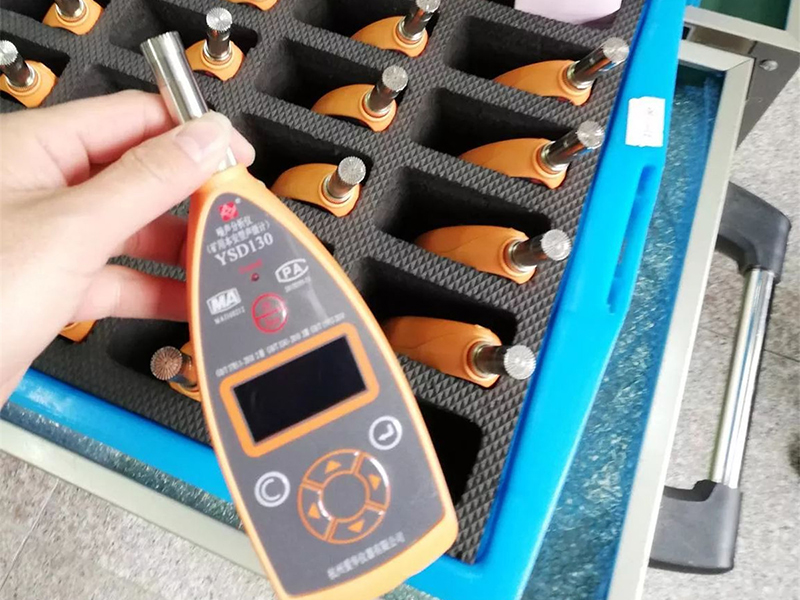
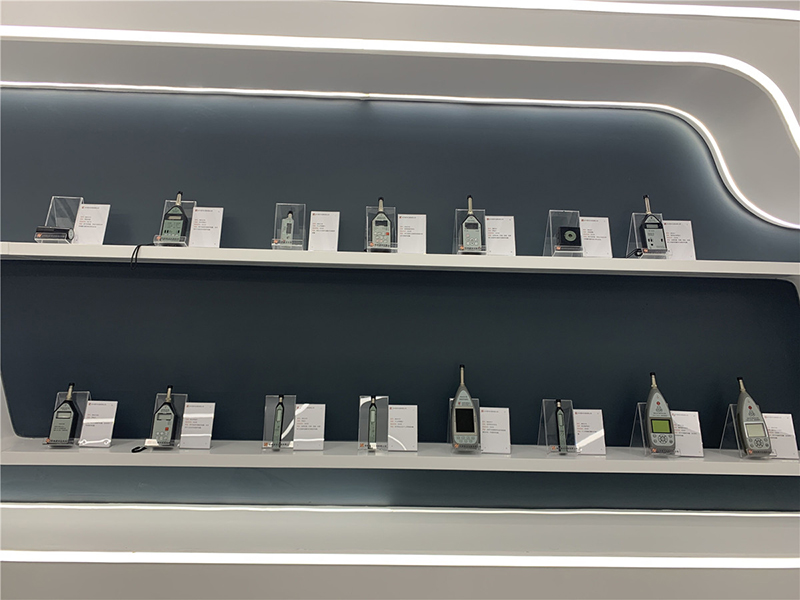
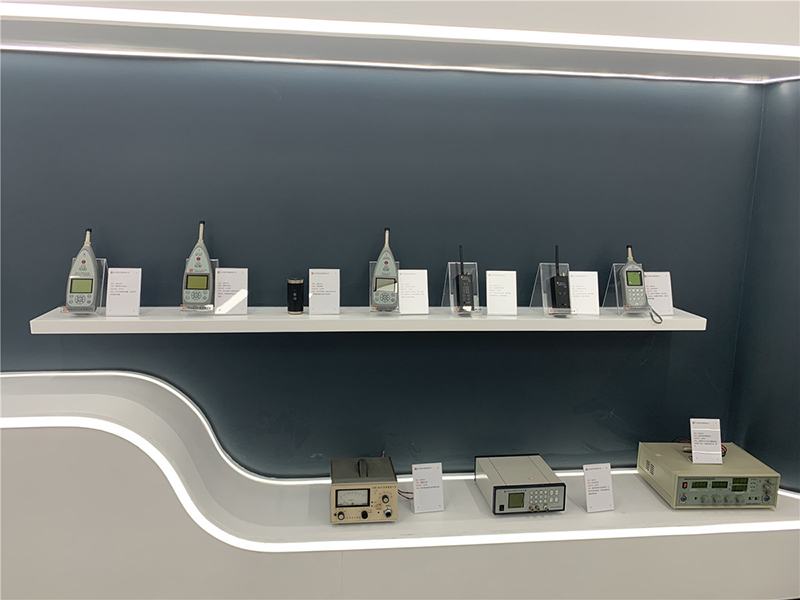
Our product range covers sound level meters, noise dosimeters, calibrators, audiometric calibration systems, microphones and accessories, software products, and acoustic test systems — over 60 varieties in total. We serve diverse application fields including environmental noise monitoring, building acoustics, occupational health and safety, vehicle noise testing, and audiometer calibration.
Notably, we design and manufacture our own measurement microphones in-house — from cartridge development to automated performance testing — giving us a critical quality advantage that few competitors can match. This vertical integration allows us to customize diaphragm compliance, back-cavity damping, and preamplifier integration for highly specialized audiology clinical test benches.
Your Trusted Partner in Acoustic & Vibration Measurement
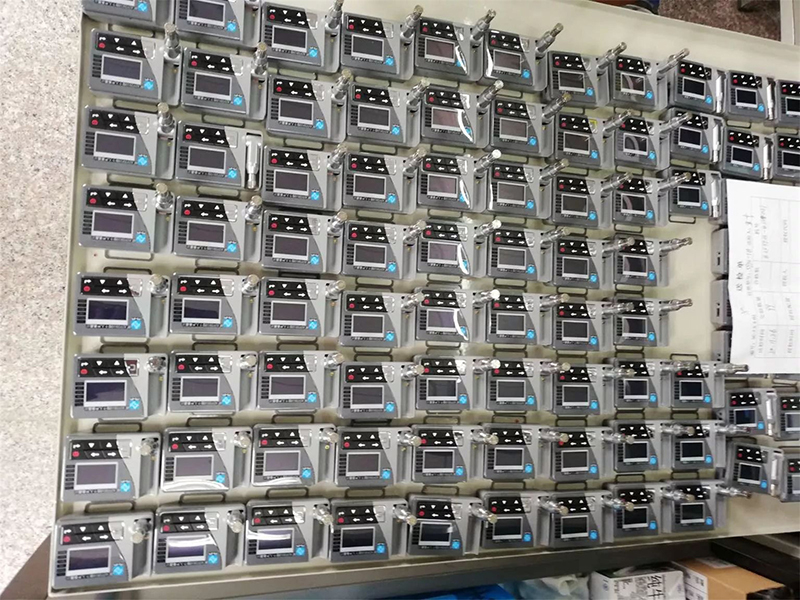
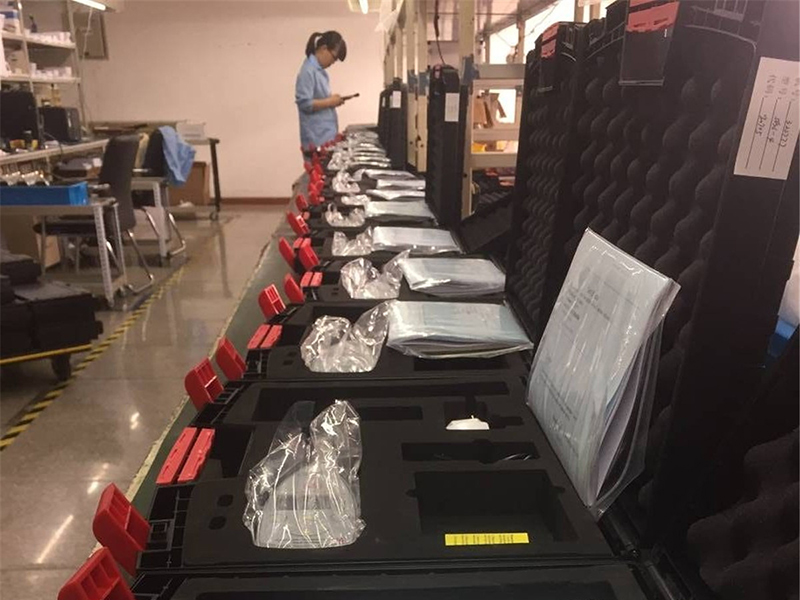
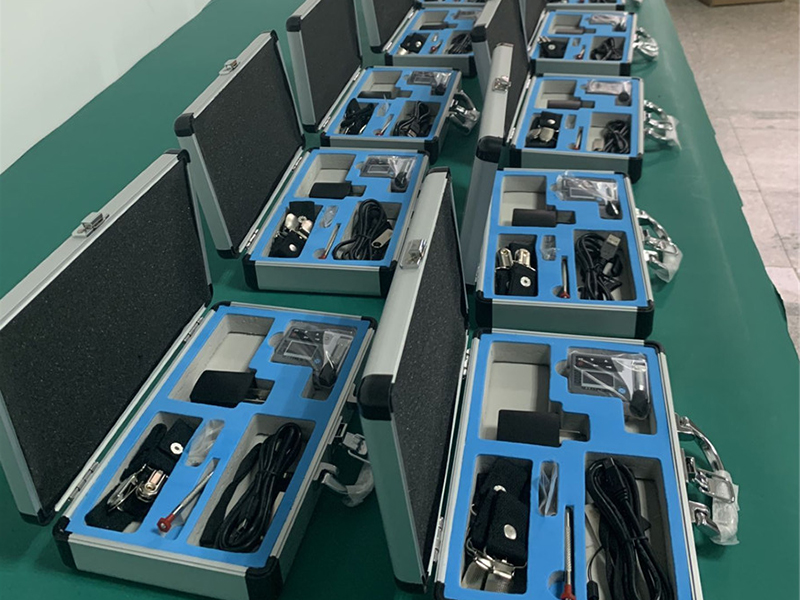
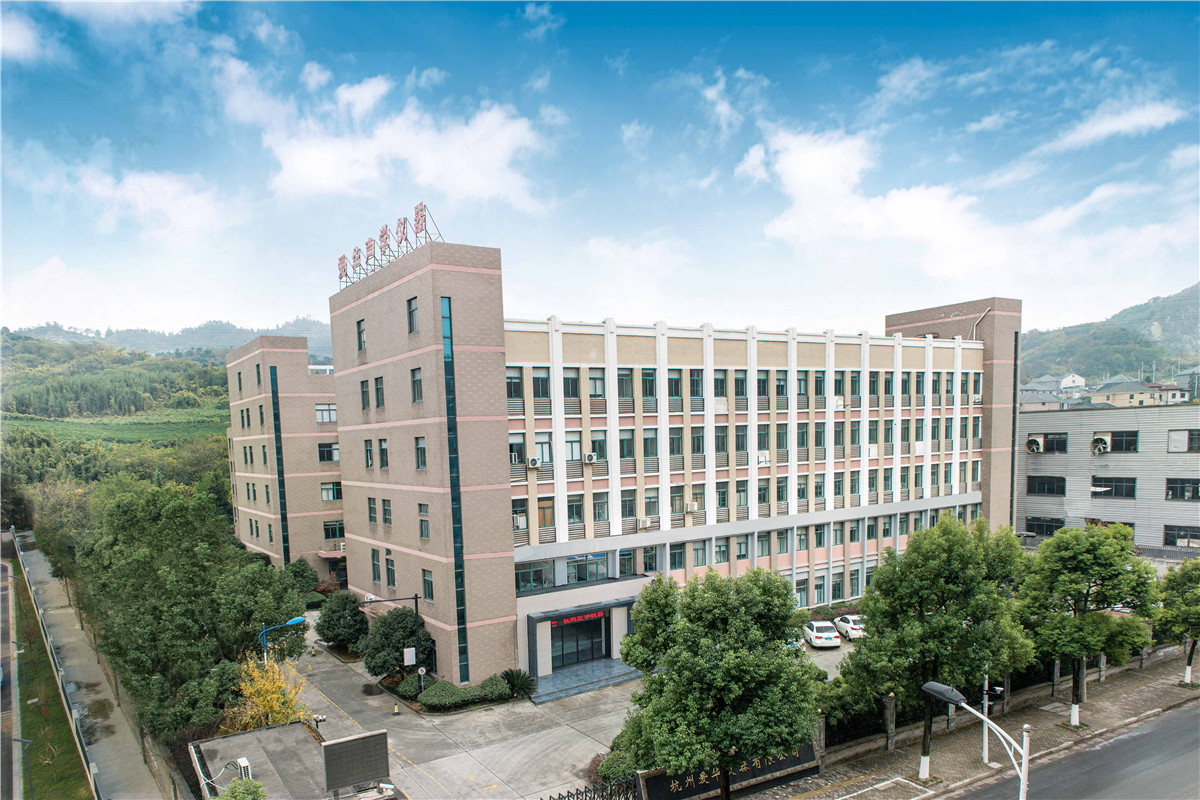
Our fully equipped manufacturing facility features advanced automated test systems, ensuring every product meets strict quality benchmarks before leaving the factory.
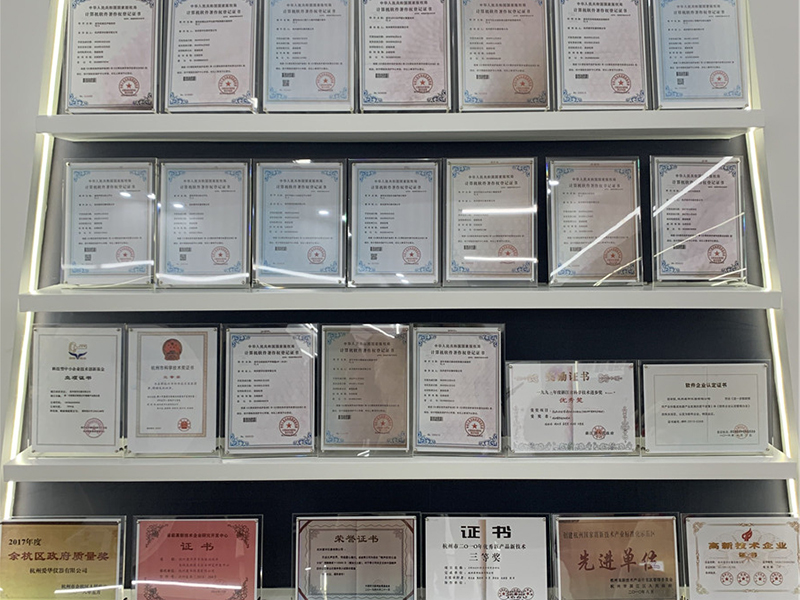
Identified as a provincial High-tech Enterprise R&D Center, our dedicated engineering team continuously drives innovation in digital detection, signal processing, and remote monitoring technologies, and supports OEM/ODM partnerships.
Our management systems and products hold ISO 14001, ISO 45001, CE, and RoHS certifications, demonstrating our commitment to environmental responsibility, workplace safety, and global compliance.
We export to over 40 countries across Europe, North America, South America, and Asia, with a strong reputation built on consistent quality and competitive pricing.
Backed by professional engineers, we deliver responsive, expert support throughout the entire product lifecycle, ensuring our customers always have the assistance they need.
From hospital soundproof booths to field mobile screening vans, discover how specialized acoustic microphones maintain diagnostic precision across real-world workflows.
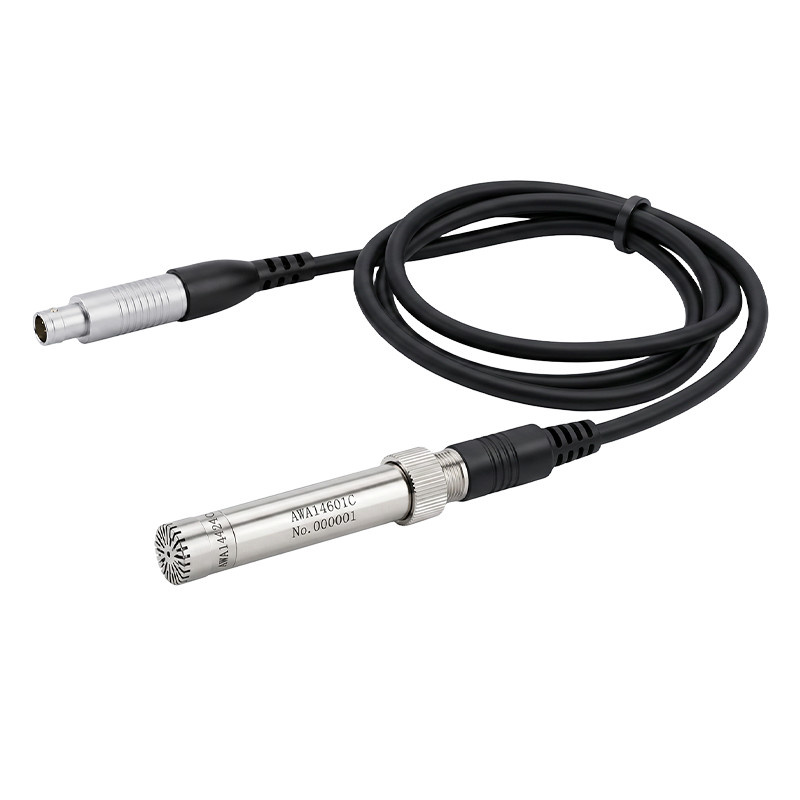
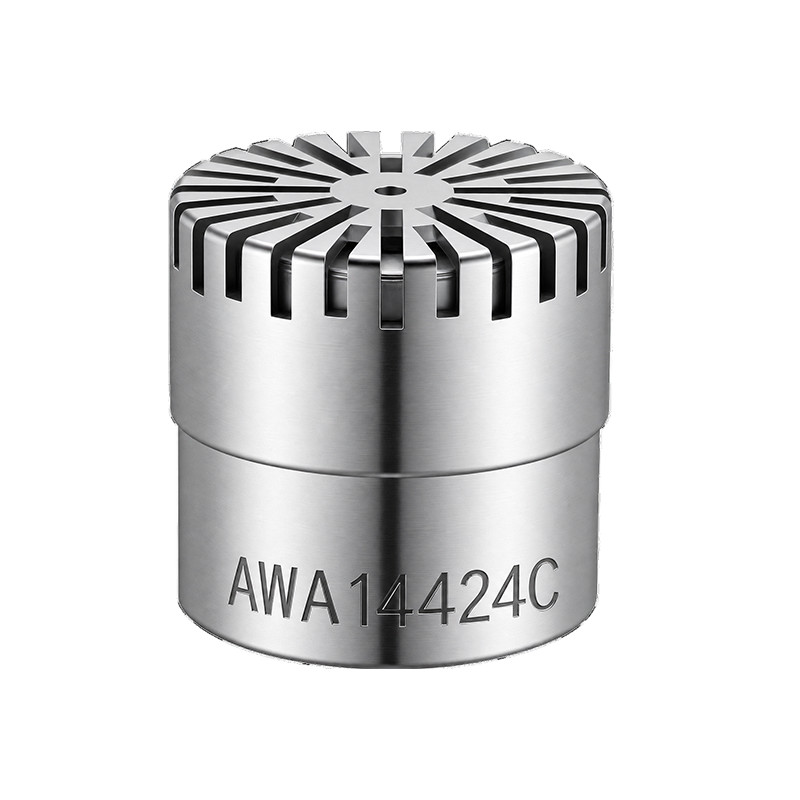
Every clinical audiometer requires comprehensive calibration at least annually to fulfill healthcare accreditation protocols. Using an artificial ear coupler fitted with an AWA14424C or AWA14431 pressure microphone, calibration engineers test hearing level linearity in 5 dB increments from 0 dB HL up to 120 dB HL. The acoustic microphone’s output is routed to a Class 1 precision analyzer like the AWA6292 to determine whether sound pressure levels match ISO 389-1 reference equivalent threshold sound pressure levels (RETSPL). Concurrently, pure-tone frequencies (from 125 Hz to 8 kHz) are checked to guarantee frequency stability within ±1%, and total harmonic distortion (THD) is confirmed to be under 2.5% for air conduction transducers and under 5% for bone vibrators.
When evaluating pediatric patients, cochlear implant recipients, or hearing aid aided sound thresholds, testing is routinely performed using calibrated loudspeakers inside an audiometric sound booth rather than headphones. This setup mandates free-field measurement microphones positioned at the patient reference point (0-degree azimuth). Prior to diagnostic evaluations, the microphone verifies that ambient background noise levels inside the booth meet ANSI/ASA S3.1 or ISO 8253-1 Maximum Permissible Ambient Noise Levels (MPANLs). If external HVAC or structural vibrations penetrate the booth, masking artifacts can artificially elevate patient hearing thresholds, resulting in inaccurate diagnoses.
In prescriptive hearing aid fittings, probe-tube microphones placed inside the patient's ear canal record Real-Ear Aided Response (REAR). Prior to inserting the probe tube, the audiologist performs a probe equalization calibration using a reference microphone located near the patient's earlobe. High-performance prepolarized condenser microphones ensure that the reference signal is perfectly flat, compensating for patient head diffraction and room acoustic anomalies before sound is delivered to the tympanic membrane.
Clear answers to common questions regarding microphone physics, coupler coupling, and clinical compliance standards.
In an open sound field, a microphone body causes acoustic reflections and diffraction at high frequencies, which free-field microphones counteract with tailored high-frequency acoustic attenuation in their front acoustic cavities. However, inside a closed artificial ear coupler (such as an IEC 60318-1 or 60318-4 ear simulator), there is no sound wave diffraction around the microphone housing—the sound field consists solely of uniform acoustic pressure variations. A pressure-field microphone cartridge has an inherently flat response under these confined pressure conditions, providing accurate sound level readings without introducing false high-frequency peaks.
Under ISO/IEC 17025 laboratory quality management and medical device calibration guidelines, reference acoustic measurement microphones and sound level calibrators should undergo primary traceable calibration every 12 to 24 months. In addition, before every daily calibration session, audiometer calibration systems should be field-checked using a precision Class 1 acoustic calibrator (such as the AWA6021A-L) generating a known 94.0 dB or 114.0 dB reference tone at 1000 Hz.
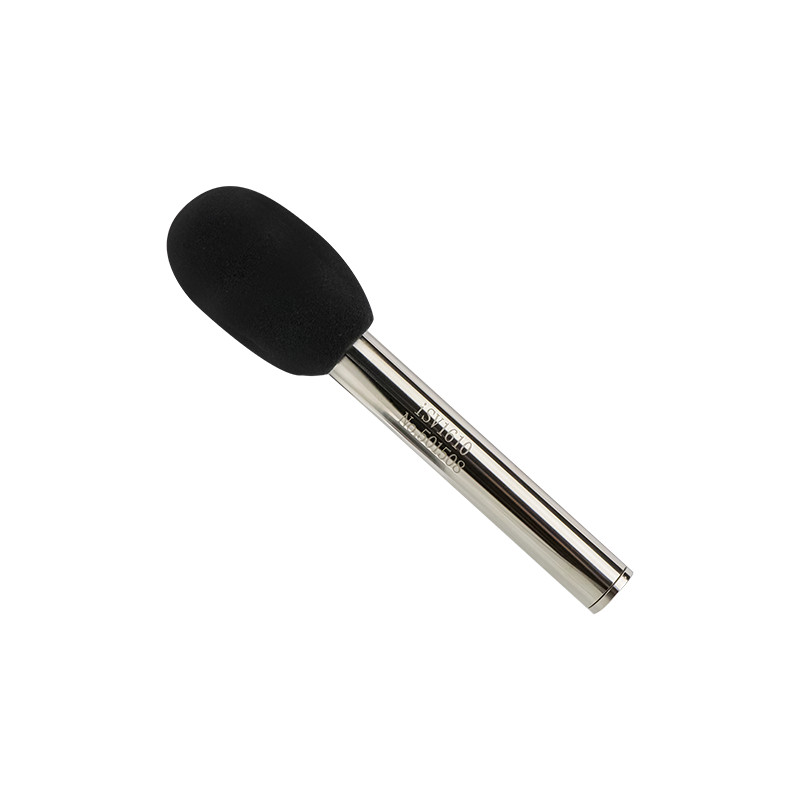
Yes. Modern prepolarized USB digital measurement microphones (such as the iSV1610 or iSV1600 series) integrate high-stability condenser capsules with built-in 24-bit analog-to-digital converters and factory-calibrated sensitivity chips. They are ideal for rapid clinical field checks, mobile occupational hearing health vans, and automated PC-based audiology verification software, eliminating the bulk and complexity of dedicated external preamplifiers and laboratory power modules.
Acoustic condenser microphone capsules depend on a delicate mechanical balance between diaphragm tension and the compliance of air trapped inside the back-cavity. High-quality measurement microphones feature small static pressure equalization vent channels and nickel or titanium alloys with low thermal expansion coefficients. In precision calibration, static barometric pressure and ambient temperature corrections are logged to ensure absolute traceability within ±0.05 dB of nominal sensitivity.
Explore our complete selection of measurement microphone cartridges, high-SOP wideband sensors, digital USB test probes, and diagnostic imaging equipment designed for audiometric testing and precision acoustics.