
- Home
- About Us
- Products
- Application
- Resource
- News
- Contact Us
Leave Your Message
Engineered for high accuracy field verification, factory testing, and compliant laboratory sound characterization.
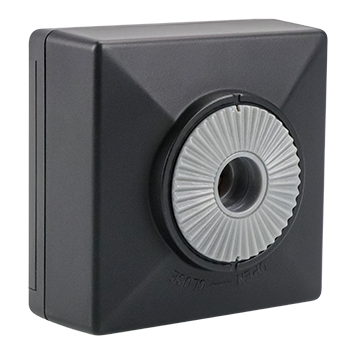
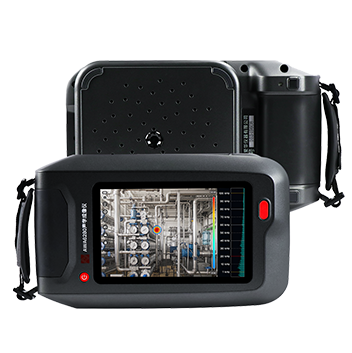
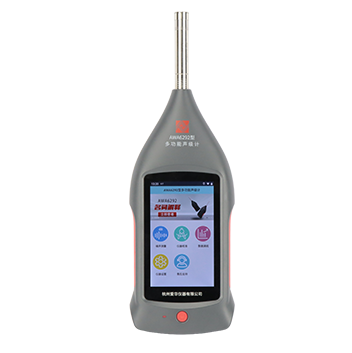
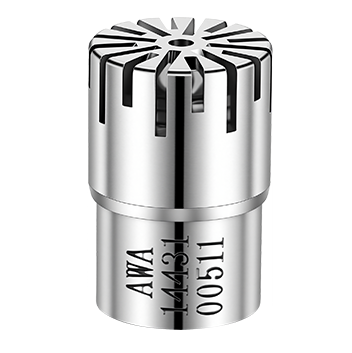
Analyzing how industrial growth in Eastern Europe drives the demand for IEC-standard acoustic calibrators and high-precision calibration instrumentation.
As Bulgaria continues to solidify its role as a pivotal automotive components, heavy equipment manufacturing, and industrial electronics hub within the European Union, the demand for rigorous noise, vibration, and harshness (NVH) testing continues to expand at a rapid pace. Industrial hubs around Sofia, the Maritsa Economic Zone in Plovdiv, Ruse, and Burgas are increasingly establishing automated testing lines and certified acoustic laboratories. In modern industrial operations, accurate baseline noise emission testing cannot occur without calibrated reference signals. An acoustic calibrator functions as the absolute datum point, emitting highly stable sound pressure levels (commonly 94 dB or 114 dB at a nominal frequency of 1000 Hz) to verify that sound level meters, noise dosimeters, and environmental noise monitors maintain traceability back to international physical standards.
For Bulgarian engineering enterprises and environmental protection agencies, complying with the EU Environmental Noise Directive 2002/49/EC and Bulgarian Ordinance No. 6 on environmental noise indicators necessitates rigorous pre-test and post-test acoustic calibration. A deviation of even 0.5 dB can invalidate industrial compliance documentation, resulting in administrative hurdles or delayed factory certifications. By sourcing directly from experienced acoustic calibrator manufacturers and factory suppliers, industrial facilities throughout Bulgaria obtain field-resilient Class 1 and Class 2 calibration instruments that offer unmatched temperature compensation, atmospheric pressure correction, and long-term acoustic stability.
The applications for acoustic calibrators across Bulgaria span several vital sectors:
1. Automotive and Component Assembly Plants: Centered in Plovdiv and Sofia, automotive tier-1 and tier-2 manufacturers utilize acoustic calibrators to check multi-channel acoustic array microphones, acoustic cameras, and end-of-line vibration transducers. Regular calibration ensures precise sound power determinations on alternators, compressors, braking assemblies, and EV powertrains.
2. Occupational Health and Safety (OHS) Compliance: Under Bulgarian labor regulations aligned with EU Directive 2003/10/EC, heavy manufacturing plants, open-pit mines, and metallurgical complexes must perform daily workplace noise dosimeter checks before deploying safety officers. Handheld Class 1 acoustic calibrators guarantee that workplace exposure records are legally defensible.
3. Wind Energy and Infrastructure Development: With significant wind turbine parks across Dobrich and the Black Sea coastal areas near Varna, field technicians deploy battery-powered acoustic calibrators in harsh outdoor conditions to calibrate long-term noise monitoring terminals deployed around residential buffer zones.
4. Audiological Healthcare and Clinical Audiometry: Bulgarian healthcare institutions and ENT clinics rely on acoustic couplers and artificial ear simulators (IEC 60318-3 and IEC 60318-1) to ensure diagnostic audiometers give accurate hearing threshold assessments.
The acoustic instrumentation sector is undergoing a profound digital shift. Modern acoustic calibrators are no longer simple analog resonant cavities; they are integrated digital systems featuring microcontrollers that dynamically sense real-time ambient barometric pressure, relative humidity, and temperature variations. This dynamic feedback loop actively modifies piezoelectric drive circuits to maintain exact acoustic pressure outputs within ±0.2 dB for Class 1 instruments across wide operating envelopes.
Furthermore, cloud-integrated metrology is becoming a mainstream requirement in smart Bulgarian factories. Smart calibrators now record calibration history logs, microphone serial numbers, and self-diagnostic battery health directly over Bluetooth or USB interfaces into quality management databases. This level of traceability significantly shortens audit preparation cycles for ISO/IEC 17025 accredited laboratories and ISO 9001 certified manufacturing plants operating in Bulgaria.
Founded in 1992, Aihua Instruments is a premier high-tech manufacturer specializing in precision acoustic testing and vibration measurement instrumentation. With over 30 years of unwavering dedication to the acoustic and vibration field, we have established ourselves as an internationally recognized industry pioneer.
From our early days as a dedicated research institute to today's globally trusted enterprise, our growth reflects a relentless commitment to technological excellence, precision engineering, and customer satisfaction across European and global markets.

Providing global partners and Bulgarian enterprises with top-tier acoustic engineering, direct factory reliability, and certified international standard conformity.
Our fully equipped manufacturing facility features advanced automated test systems, ensuring every acoustic calibrator and transducer meets strict quality benchmarks before leaving the factory.
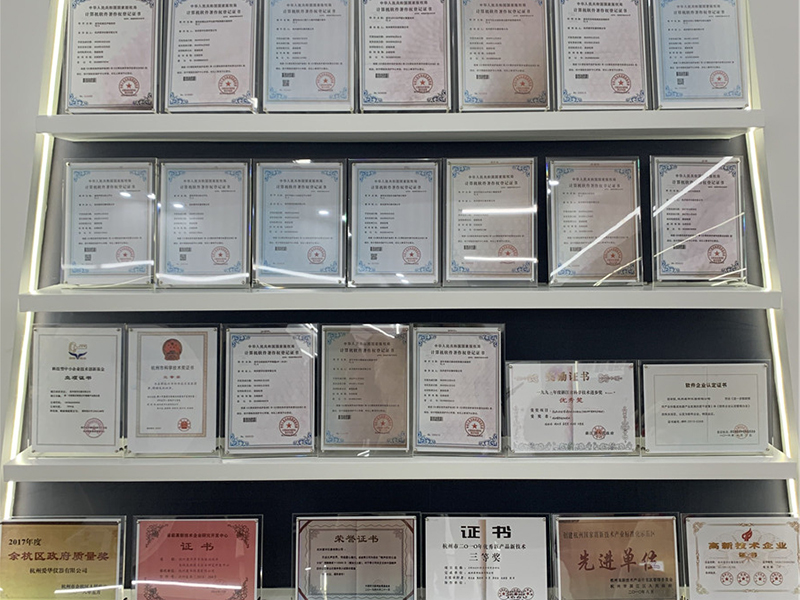
Identified as a provincial High-tech Enterprise R&D Center, our engineering team continuously drives innovation in digital detection, signal processing, and remote monitoring technologies while supporting OEM/ODM partnerships.
Our management systems and products hold ISO 14001, ISO 45001, CE, and RoHS certifications, demonstrating our commitment to environmental responsibility, workplace safety, and global compliance.
We export to over 40 countries across Europe, North America, South America, and Asia, with a strong reputation built on consistent quality, robust reliability, and competitive pricing.
Backed by experienced acoustic engineers, we deliver responsive, expert support throughout the entire product lifecycle, ensuring Bulgarian engineers receive timely technical calibration assistance.
We design and manufacture our own measurement microphones and reference diaphragms in-house, securing a quality advantage and acoustic stability rarely matched by standard suppliers.
Take an inside look at our specialized acoustic calibration laboratories, automated cleanrooms, and computerized testing benches.
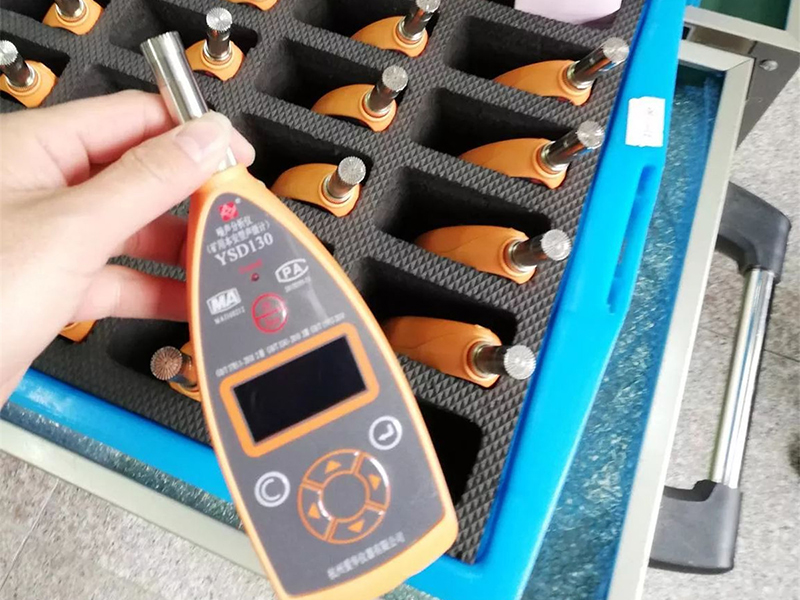
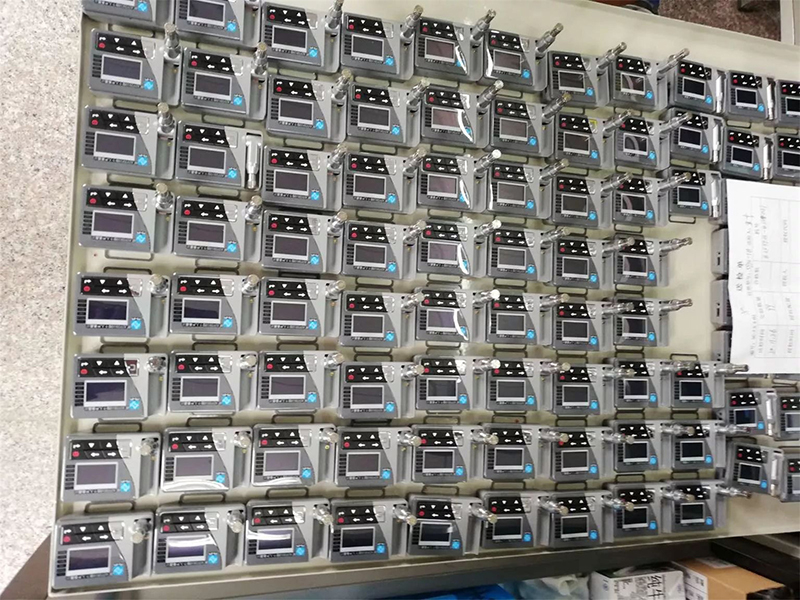
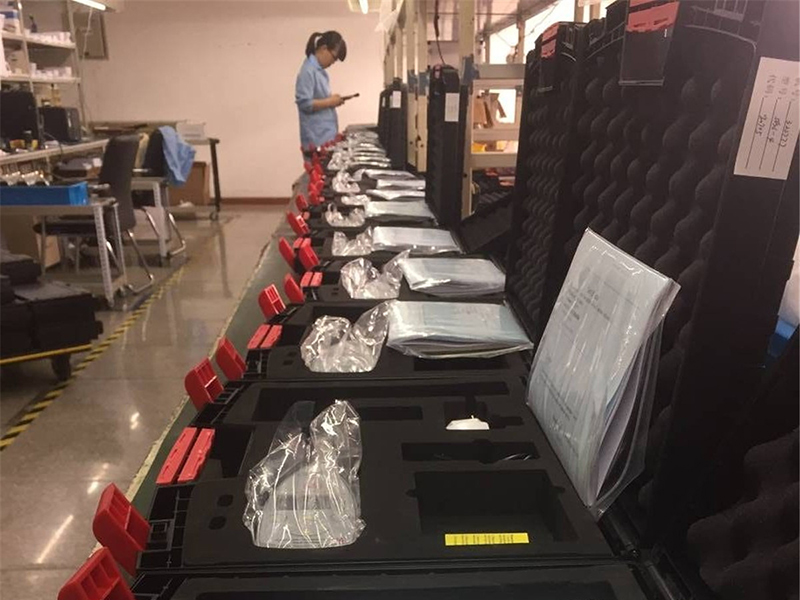
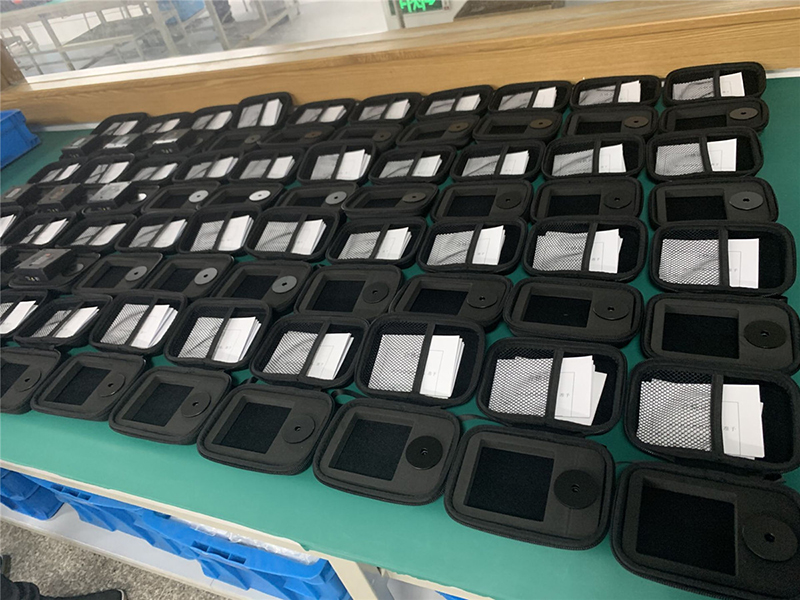
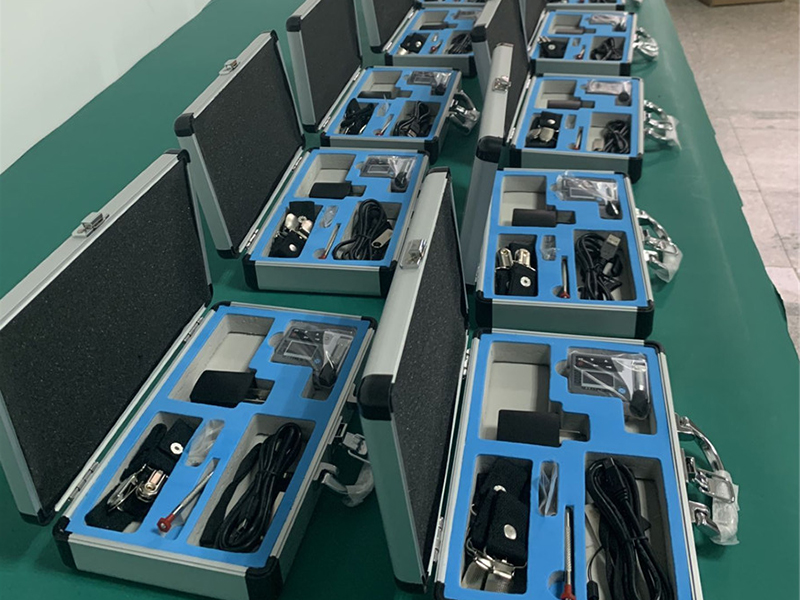
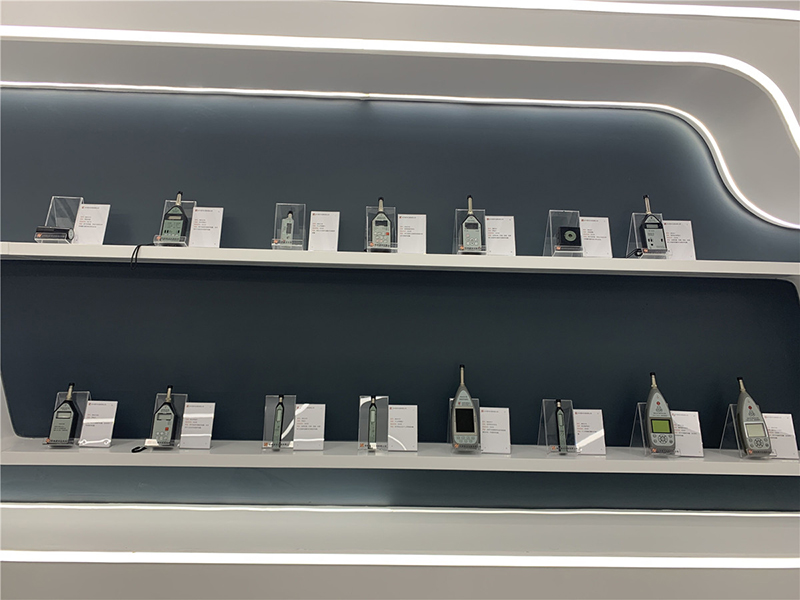
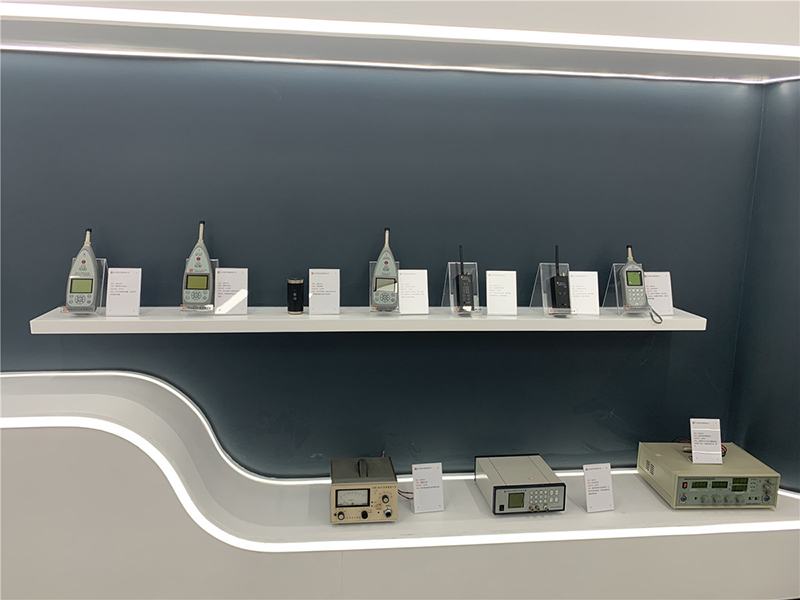
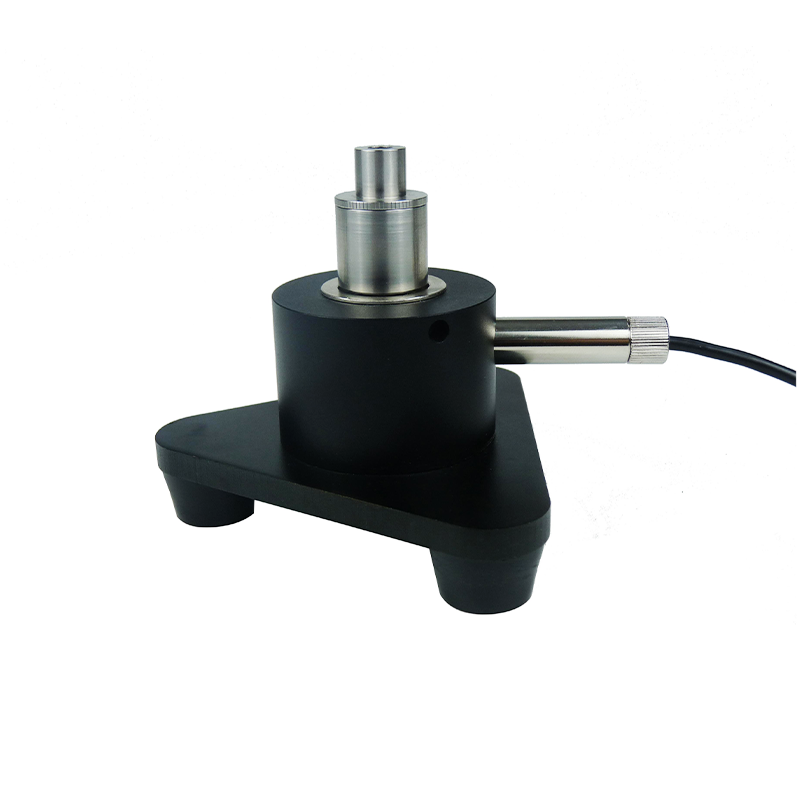
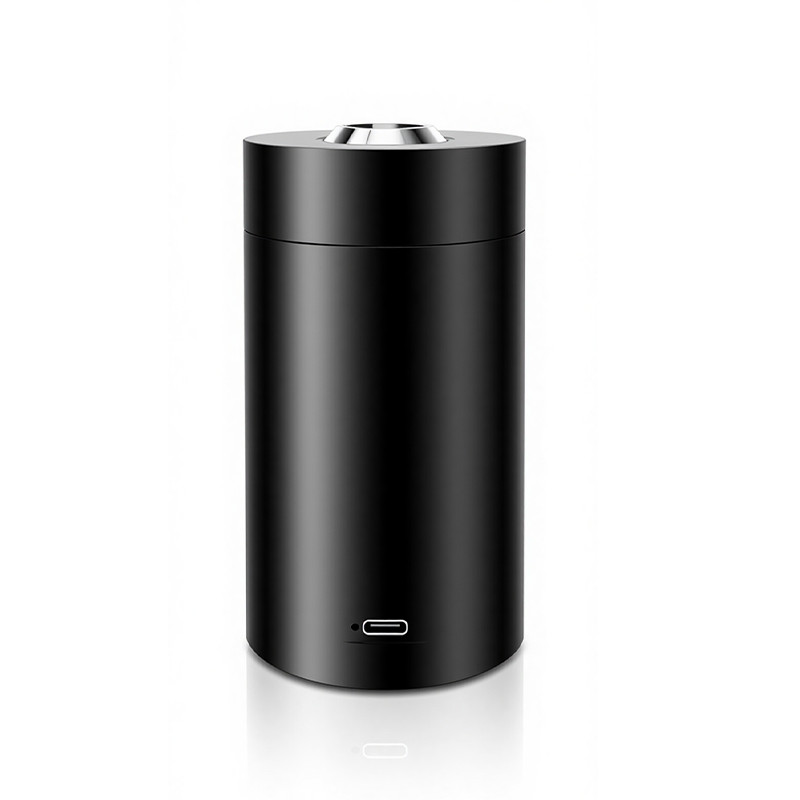
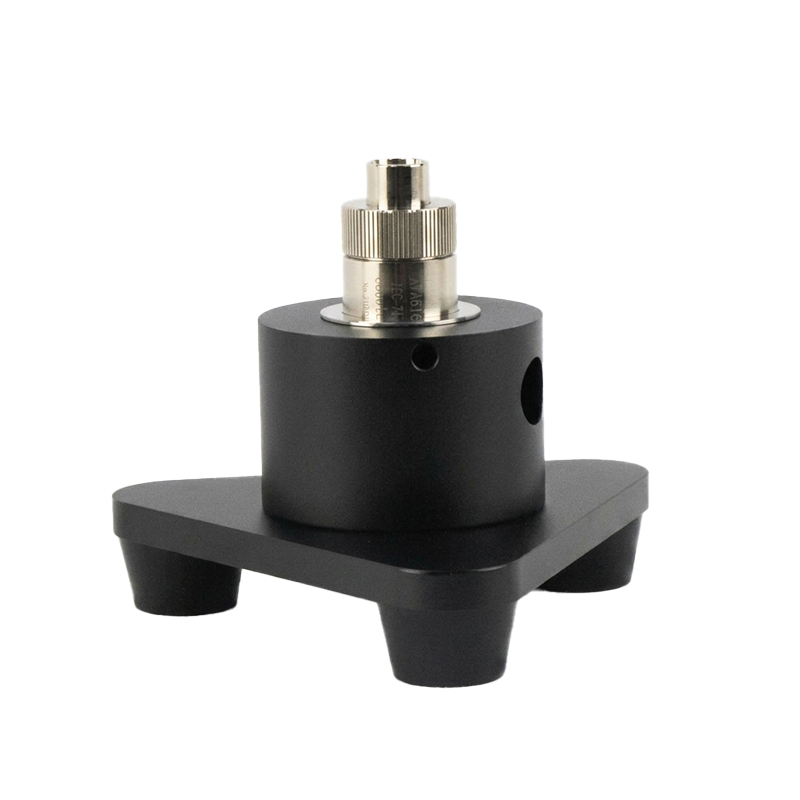
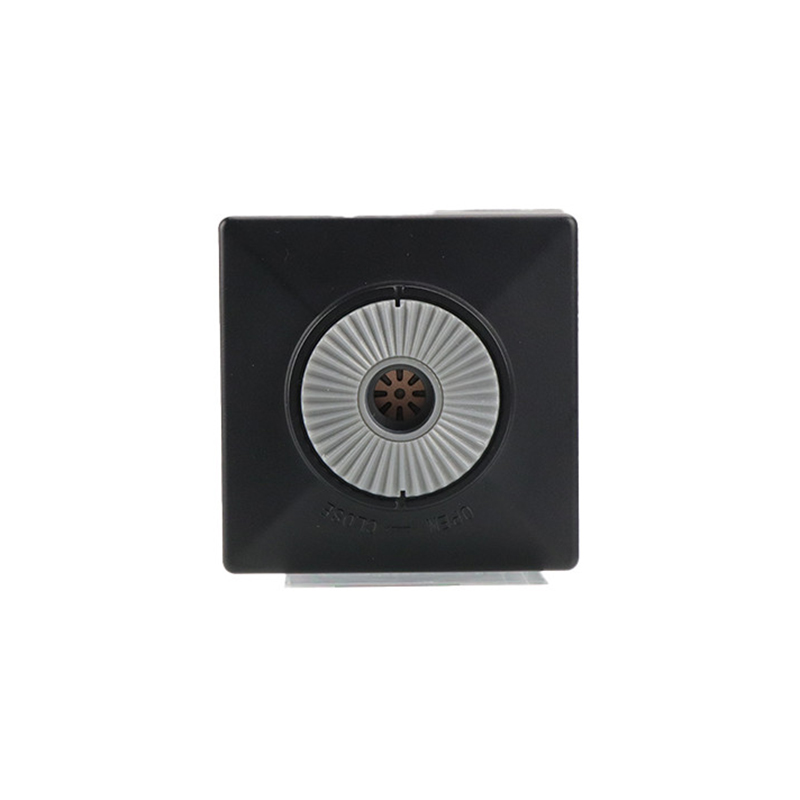
Browse our complete selection of acoustic couplers, artificial ears, sound calibrators, and vibration sensor calibrators available for delivery to Bulgaria.
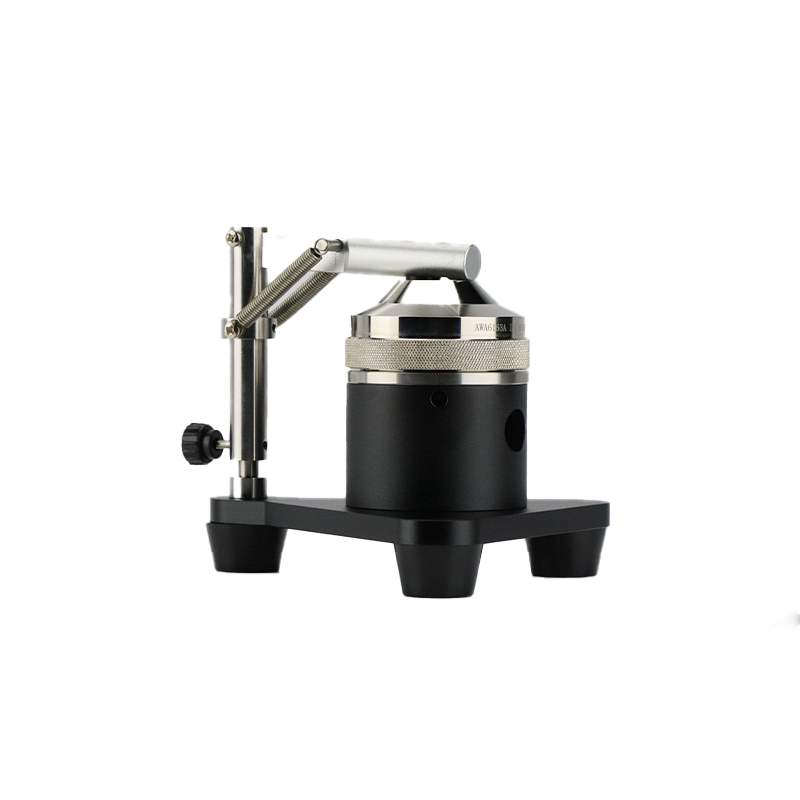
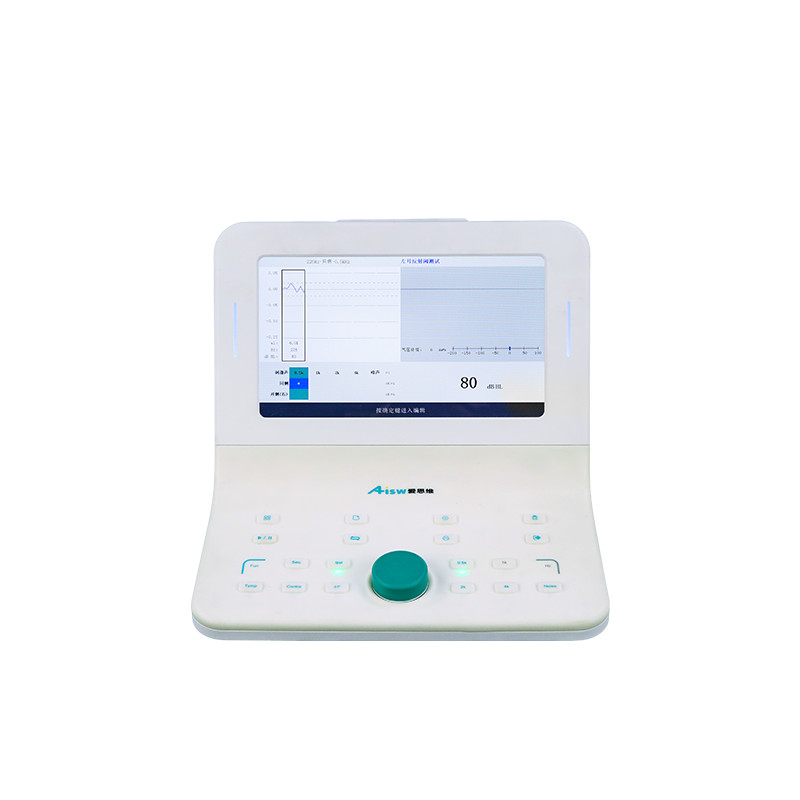
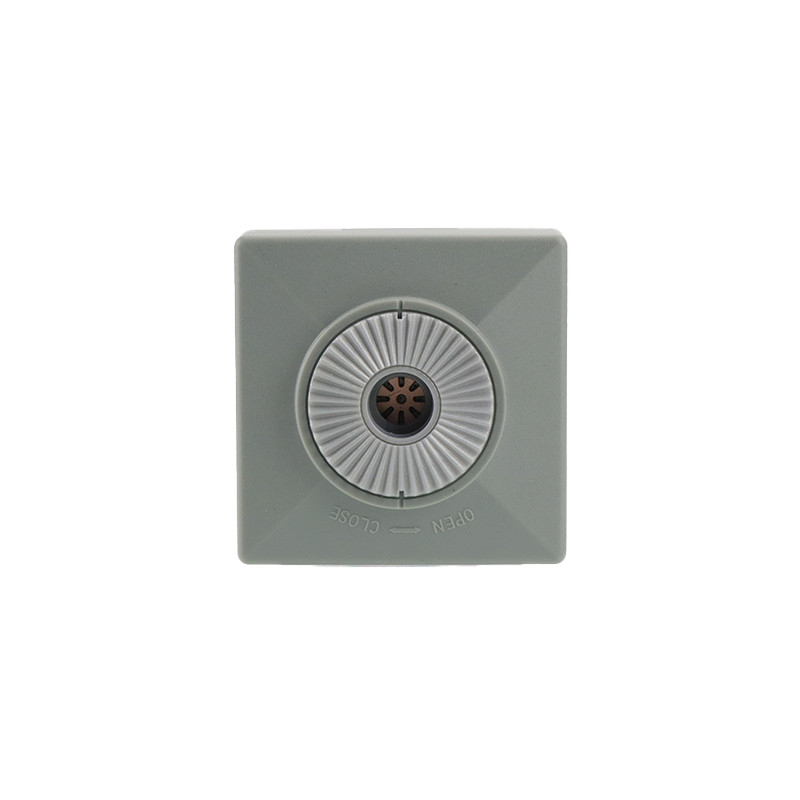
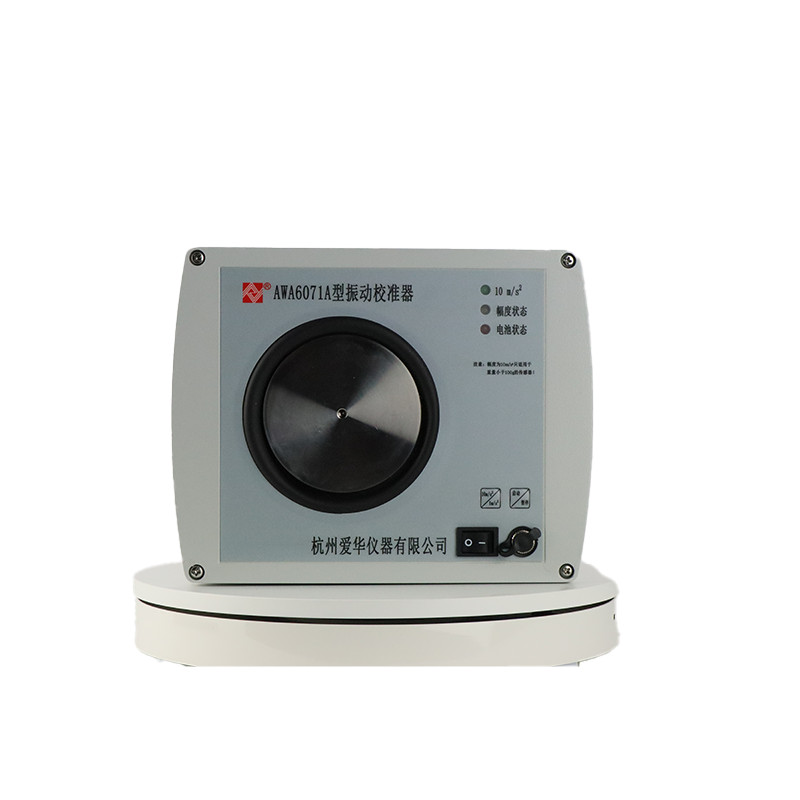
Detailed technical specifications, tolerance thresholds, and calibration considerations under IEC 60942 and related international frameworks.
When selecting an acoustic calibrator for industrial, laboratory, or municipal noise assessment in Bulgaria, the distinction between IEC 60942 Class 1 and Class 2 instruments is crucial:
Class 1 Acoustic Calibrators (e.g., AWA6021A/L): Feature a stringent sound pressure level tolerance of ±0.25 dB to ±0.40 dB over extended temperature ranges (-10°C to +50°C) and humidity conditions. These are mandatory for official environmental noise impact studies, laboratory reference verification, building acoustics certification according to ISO 16283, and high-end automotive acoustic research.
Class 2 Acoustic Calibrators (e.g., AWA6022A): Designed with a slightly broader tolerance limit of ±0.75 dB, making them cost-effective solutions for routine occupational health screenings, general factory machinery noise checks, and educational training centers.
In addition to standard sound level calibrators, specialized devices such as the AWA6163A (IEC 60318-3) and AWA6161A (IEC 126) acoustic couplers provide precise standardized artificial cavity volumes (such as 6 cm³ or 2 cm³) to simulate human ear acoustic impedance. These couplers are essential for Bulgarian manufacturers of telecommunication headsets, hearing aids, and medical audiometer manufacturers who must adhere to stringent EU medical device directives and audiological calibration routines.
Direct factory supply, comprehensive OEM/ODM capabilities, and swift technical support for engineering teams and metrology labs across Bulgaria and the European Union.


